In the automotive painting system, automotive primer plays a key role in anti-corrosion, rust prevention, improving adhesion, and stabilizing the paint film structure, serving as the first line of defense for the overall spraying quality. Correct selection of primer not only affects the coating appearance but also determines the durability of the vehicle during long-term use. Faced with a wide variety of products on the market such as anti-corrosion primer, epoxy primer, amino primer, how to choose the most suitable solution for specific vehicle models and construction environments is a focus of attention for many car owners, modification shops, and coating enterprises.
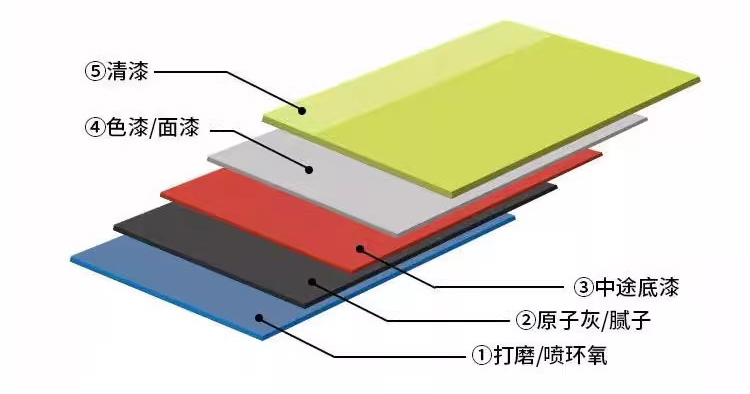
1. Clarify the Core Functions of the Primer
Before selection, one should first understand the three major functions of automotive primer:
- Provides anti-corrosion barrier: Blocks moisture and salt, enhancing the oxidation resistance of the vehicle underbody and body sheet metal.
- Enhance substrate adhesion: Automotive paint surfaces are often composed of steel plates, galvanized layers, and plastic parts. A high-quality primer can significantly improve the bonding strength between the topcoat color paint and clear coat.
- Improve spraying quality: Fill in minor defects, allowing the surfacer and topcoat to spread more evenly.
These requirements determine that primer adhesion, stability, and corrosion resistance are important indicators when selecting products.
II. Common Types of Automotive Primer and Their Applications
1. Epoxy Primer
As one of the most popular anti-corrosion primers on the market, epoxy primer offers excellent mechanical strength, solvent resistance, and moisture resistance.
Application scenarios:
- Steel body panels, chassis, wheel arches, and other areas chronically exposed to humid environments
- maintenance spraying with higher anti-rust requirements
- New vehicle structural component protective coating
Its drawback is that it is not suitable for direct long-term exposure in sun-exposed areas, but as a primer it is nearly perfect.
2. Amino Primer
The amino system offers excellent gloss recovery and curing speed, and is a standard primer type commonly used by many OEMs.
Applicable scenarios:
- high-volume spray coating line
- spraying projects with high requirements for color uniformity and film fullness
- Used in conjunction with acrylic topcoat
Amino primer requires baking for curing and is more suitable for factory production environments.
3. Polyurethane Primer
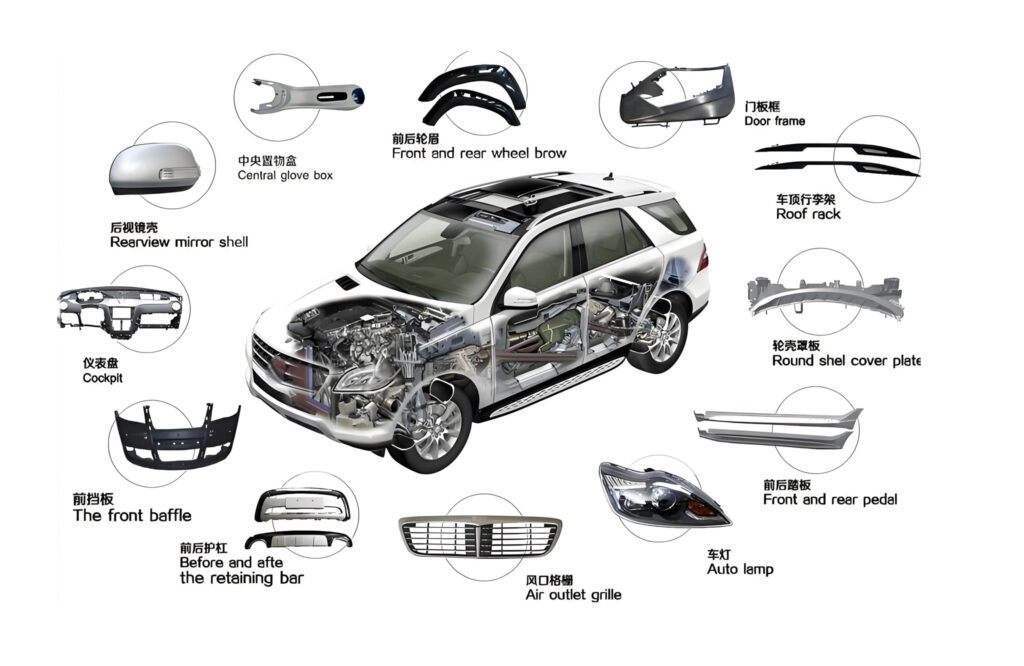
Polyurethane types have excellent flexibility and impact resistance, and are often used on complex structural parts.
Applicable scenarios:
- plastic parts, bumpers
- Areas prone to external impact
- Coating of modified parts and accessories
3. Select the appropriate primer based on construction conditions
- Climate Environment
- High humidity: Prioritize epoxy primer to enhance long-term corrosion resistance
- Low temperature: select low-temperature curing products to ensure film formation quality.
- Construction Equipment
- For home or small repair shops: suitable for air-drying products, resistant to construction fluctuations
- Factory production line: suitable for bake-type amino primer or professional systems
- Substrate Type
- Steel plate: Epoxy primer offers significant anti-corrosion advantages
- Aluminum substrate: select an activating primer specifically formulated for aluminum alloys.
- Plastics: Use dedicated plastic primer or polyurethane primer to enhance flexibility.
4. How to Evaluate the Quality of Automotive Primer?
In the professional coating field, primer performance is typically evaluated based on the following properties:
- Adhesion grade: Reaching grade 0–1 is excellent.
- Salt spray test duration: The higher, the better the corrosion resistance; high-quality epoxy primer can reach over 500–1000 hours.
- Construction leveling property: Reduces subsequent polishing costs.
- Drying speed: Affects spraying rhythm and efficiency.
- Compatibility: Primer, putty, intermediate coat, and topcoat must be mutually compatible to avoid blistering or peeling of the paint film.
V. Conclusion: Starting from Requirements, Select a Scientific Primer System
There is no absolute standard for the selection of automotive primer. It should be based on the vehicle's operating environment, substrate characteristics, construction conditions, and budget, with comprehensive consideration of corrosion resistance, primer adhesion, spraying stability, cost, and subsequent compatibility.
Whether choosing epoxy primer, amino primer, or other systems, as long as the matching is reasonable and the construction is standardized, the durability quality and appearance of the overall vehicle painting can be significantly improved.