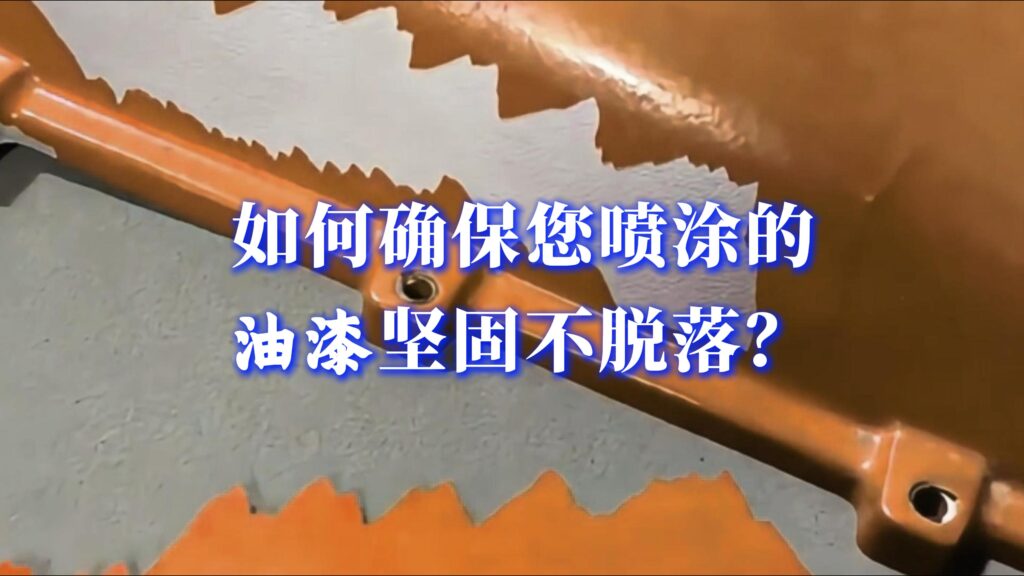
Whether it's metal parts, plastic parts, or repainting old coatings, many people have had the same trouble: freshly sprayed paint falls off at the slightest touch, and large areas can even be peeled off in one piece like a facial mask. It may seem like the paint is bad, but in fact, nine out of ten problems come from improper surface preparation.
Smooth surfaces, residual oil stains, and uncleared dust... all can prevent the paint from forming a strong adhesion, ultimately leading to peeling, paint loss, flaking, and other issues. To make the coating truly durable, the following three key steps must be properly implemented.
Step 1: Polishing — The Core That Determines Adhesion
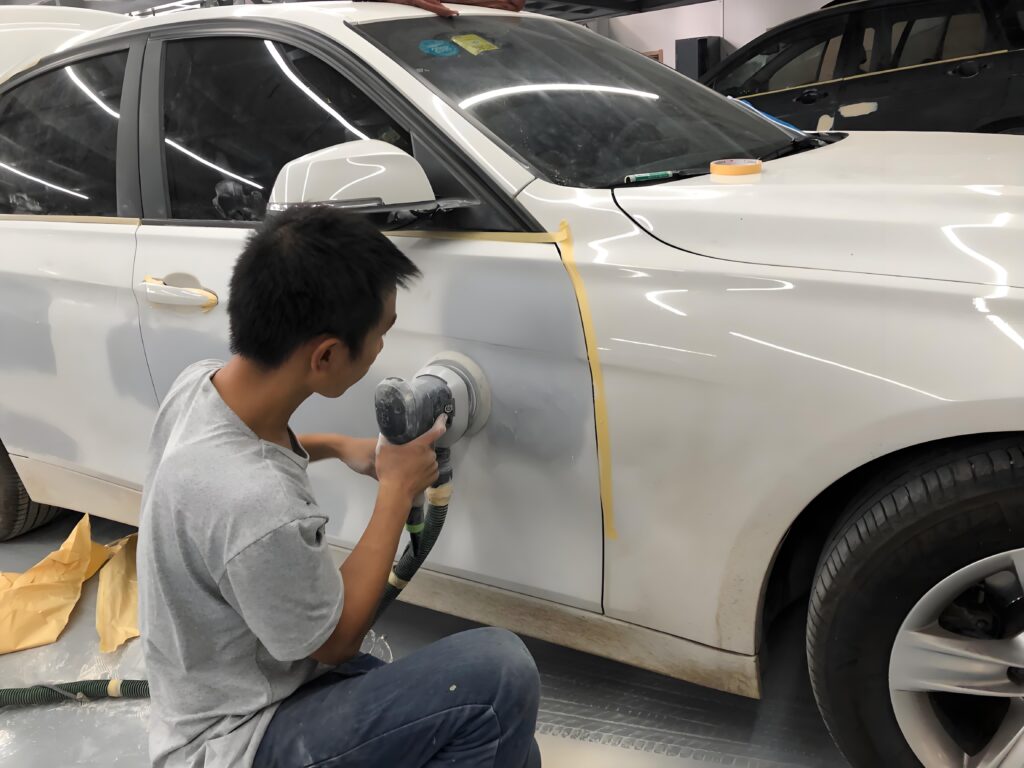
Whether the substrate is metal, plastic, or an old paint surface, it must be thoroughly sanded before painting.
The purpose of sanding is not to level the surface, but to roughen the surface, creating a large number of fine textures so that the paint has a "grip" to adhere to.
Correct grinding standard:
- The surface has completely lost its original gloss.
- The tactile feel changes from smooth to slightly rough.
- Edges, corners, and curved surfaces must be treated uniformly.
This is the most critical step for improving adhesion and the process that can least be omitted.
Step 2: Cleaning — Avoid the Risk of Hidden Shedding
Dust left after sanding, skin oils on hands, and grease in the air all become invisible killers of painting failure.
Therefore, the surface must be thoroughly wiped with a professional cleaner or degreaser, and ensured to be completely dry.
Common Misconceptions:
- Check cleanliness by hand touch—but the hands are oily too!
- Wipe with a dry cloth only — dust will not be truly removed.
- Painting before the surface is dry — prone to bubbling and paint peeling.
Only when cleaning is done thoroughly can adhesion truly be guaranteed.
Step 3: Primer — the soul step that determines durability
Many people skip the primer for convenience, resulting in a significant decrease in the adhesion of the topcoat.
The function of the primer is not only as an "adhesive", but also the key to improving topcoat adhesion, enhancing anti-corrosion performance, and improving hiding effect.
Function of primer:
- form a strong mechanical bond with the abraded surface
- Provide an optimal adhesion platform for the topcoat
- Enhance overall weather resistance and durability
When applying the primer, spray thinly and evenly, without buildup.

Do these three steps, and even the hardest-to-bond materials will stay firmly like new
Just ensure:
sanding done properly → thorough cleaning → suitable primer
Paired with a reliable topcoat, you'll be surprised how firmly the coating adheres—so tight you can't even scrape it off.
Whether for automotive parts, furniture, equipment enclosures, hardware, or DIY spraying, it delivers professional-grade results.