Paint color cards are essential tools for color selection, design communication, and construction implementation. This article systematically explains the functions, classifications, application scenarios, and selection key points of paint color cards, helping users choose colors scientifically and improve the quality of engineering and home decoration projects.
I. What is a paint color chart
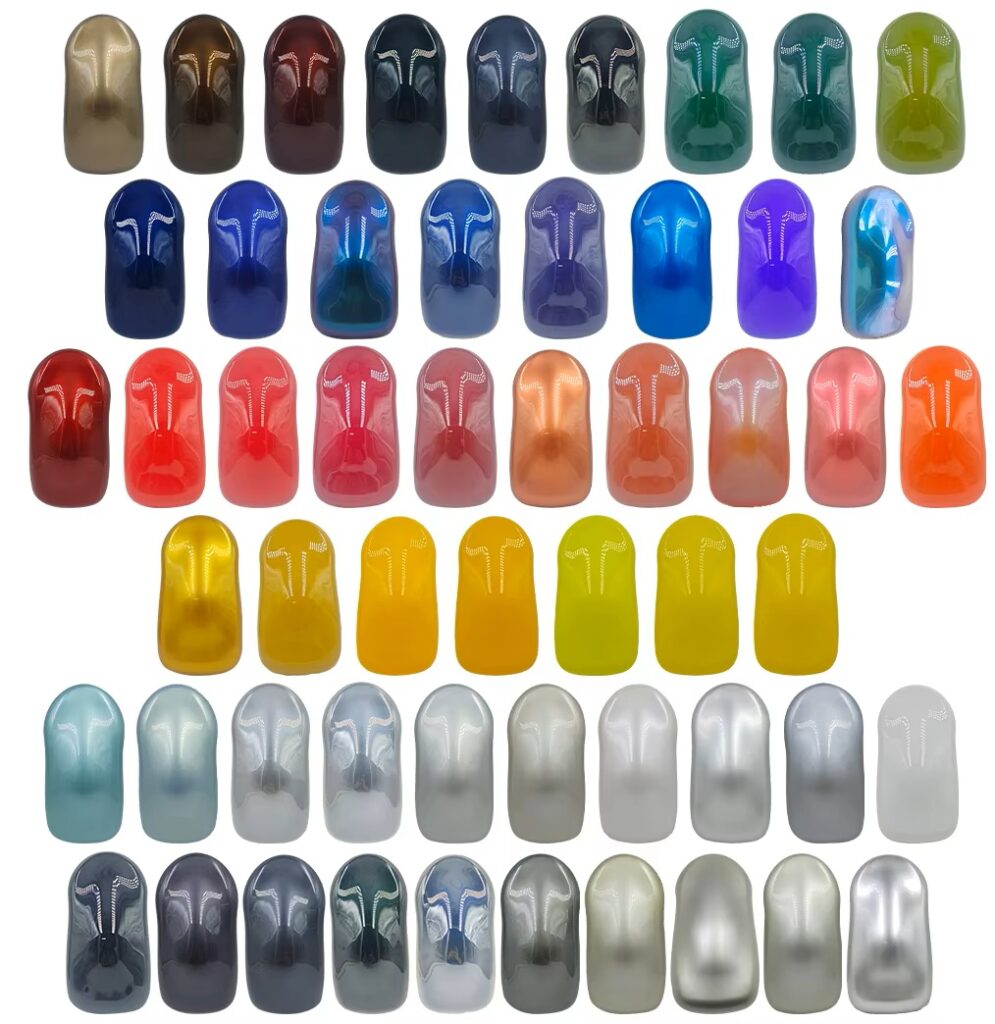
A paint color chart is a color reference tool presented in the form of physical samples or standardized color systems, widely used in the fields of architectural coatings, industrial coatings, furniture finishes, metal paints, and anti-corrosion coatings. Through paint color charts, users can intuitively understand the visual effects of different colors in actual painting, making them an indispensable and important medium in the coating color selection process.

Unlike electronic screen displays, paint color cards are made from real coatings and can more accurately reflect how colors change under lighting, material, and spatial environment conditions.
II. What are paint color cards used for?
1. Accurately confirm the coating color
The core function of a paint color chart is to help customers accurately select target color codes from a wide range of colors. Whether for coordinating home interior wall colors or for large-scale engineering projects, color charts prevent discrepancies between the "imagined color" and the "finished color."
2. Improve communication efficiency
Among designers, owners, contractors, and coating manufacturers, the paint color chart serves as a common language. By using defined color codes and standards, rework and cost waste caused by differing color interpretations are reduced.
3. Ensure batch-to-batch color consistency
In industrial and architectural coating applications, color cards serve as color standards for production and acceptance, ensuring a high degree of color consistency across different batches of coatings.
4. Auxiliary Space and Product Design
Rational use of paint color cards enables more scientific wall color coordination, façade design, and product appearance planning, thereby enhancing overall aesthetics and brand image.
III. Common Types of Coating Color Cards
Architectural Coatings Color Chart
Mainly used for interior and exterior wall coatings, emphasizing weather resistance, brightness, and spatial visual effect; suitable for residential buildings, commercial buildings, and public works.
2. Industrial Coatings Color Card
Covering application fields such as anti-corrosion, machinery, and steel structures, colors are mostly functional and standardized, such as gray, blue, and green.
3. Standardized international color charts
International color systems such as RAL and Pantone are widely used in export-oriented coatings and cross-border engineering projects.
4. Custom Coating Color Cards
Some coating manufacturers can customize exclusive paint color charts according to customer requirements to meet brand identity and personalized design needs.

IV. The Value of Paint Color Cards in Practical Applications
In home decoration, paint color charts help homeowners intuitively assess how colors coordinate with furniture and lighting; in engineering projects, architectural coating color charts serve as a key basis for translating design drawings into reality; in industrial manufacturing, industrial coating color charts directly affect product appearance consistency and market competitiveness.

V. How to Use Paint Color Cards Correctly
When using paint color cards, observe the color effect under natural light and the actual application environment, and avoid making decisions under a single light source. Meanwhile, conduct a large-scale trial application to further verify the final effect.
VI. Common Misconceptions about Paint Color Charts
- Ignore the effect of light on color
- Consider only the individual color swatch without taking the overall coordination into account.
- The specific coating system corresponding to the unconfirmed color card
A correct understanding of the role of paint color cards helps avoid color selection errors.
VII. FAQ – Frequently Asked Questions
Q1: Are the colors on the paint color chart the same as the actual painted wall?
A: The color chart colors are close to the actual effect, but will be affected by construction technique, substrate, and lighting. It is recommended to do a test patch to confirm.
Q2: Are paint color charts from different brands interchangeable?
A: Not entirely interchangeable; even with the same color code, different brands' formulas may have slight color differences.
Q3: What is the difference between industrial paint color charts and architectural paint color charts?
A: Industrial paint color charts emphasize functionality and standardization more, while architectural paint color charts focus more on decoration and spatial effects.
Q4: Can the color swatch be used as an acceptance standard?
A: Yes, the color swatch is often used as an important reference for color acceptance.
Conclusion
Paint color cards are not only color display tools, but also important bridges connecting design, production, and construction. A correct understanding of the purpose of paint color cards can significantly improve coating results and project quality.