Full Process Revealed of Canning Production for Varnish (Clear Coat / Topcoat): From Process to Properties and Market Applications!
Varnish, also known as clear coat, finishing lacquer, or transparent topcoat, is a colorless and transparent protective and decorative coating widely used in fields such as woodwork, automotive, metal, and walls. This article provides an in-depth introduction to the key processes and quality control points of varnish in the production and canning stage, compares the performance of different formulations, examines downstream application scenarios, and looks ahead to future market trends and technological developments of varnish, offering professional reference for coatings industry enterprises and customers.
I. Concept and Functional Positioning of Varnish
1. What is varnish?
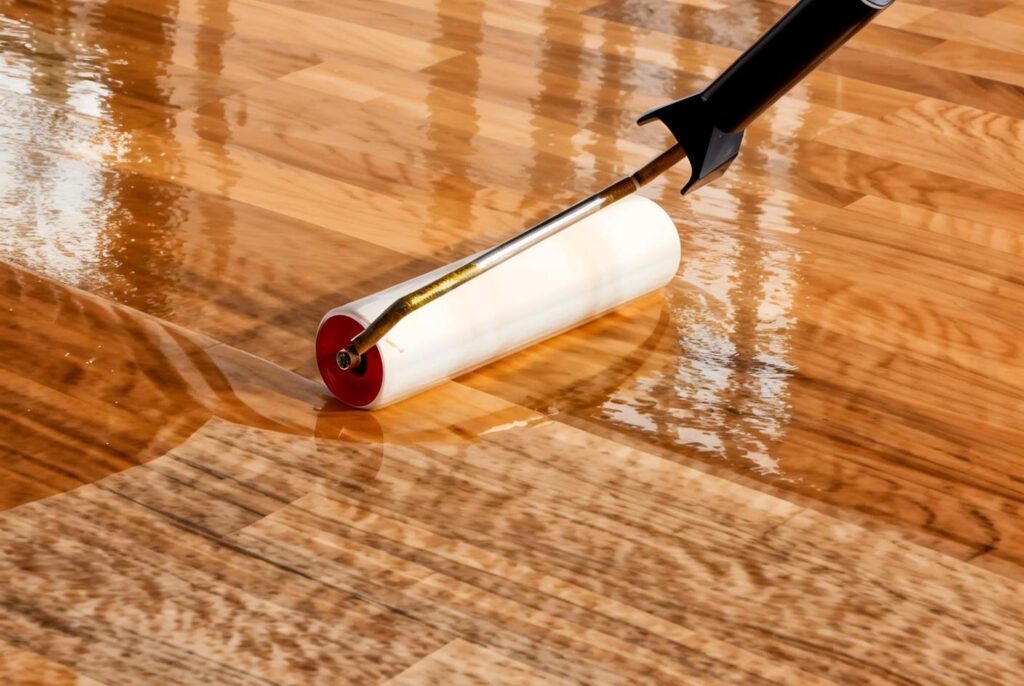
Varnish (varnish / clear coating / transparent topcoat / clear lacquer, etc.) refers to a coating system that is free of or significantly reduced in colorants, and is essentially colorless and transparent. It is not intended for coloring, but to provide a decorative protective layer for the substrate, allowing the texture, feel, and base color of the substrate (such as wood, metal, coating layers, wall base layers, etc.) to be "seen through" and displayed beneath the glossy film.
In industry terminology, varnish is also known by several aliases: finishing lacquer, transparent topcoat, clear coat, clear lacquer, gloss oil, and varnish (e.g., copal varnish). Its essence is to provide a transparent film layer with certain mechanical and environmental resistance properties.
2. Main Functions and Value of Varnish
As a decorative and protective coating, varnish provides the following core functions and values:
- Showcase substrate texture: The clear varnish film is transparent, with high gloss or soft sheen, fully revealing the natural beauty of wood grain, metal true color, texture structure, etc.
- Decorative gloss effect: Adjustable highlights, semi-matte, or matte effects to enhance visual expressiveness.
- Mechanical Protection: Enhances surface wear resistance, scratch resistance, and impact resistance.
- Environmental Protection: Moisture-proof, waterproof, UV-resistant, and anti-aging, guarding against risks such as substrate moisture, cracking, and discoloration.
- Weather-resistant and stable: High-quality varnish can maintain transparency, stability, and resist cracking and yellowing over the long term.
- Easy construction: Most varnish systems are simple to apply, cure quickly, and have good compatibility with subsequent processes.
Therefore, varnish is in wide demand in fields such as furniture, wood flooring, musical instruments, metal products, automobiles, interior and exterior decoration, and handicrafts.
II. Comparison of Varnish Formulation Systems and Types
Although clear coatings are transparent and colorless, they are fairly complex within the formulation system. The formulation includes film-forming resins, crosslinking agents, solvents or thinners, and additives (plasticizers, leveling agents, antioxidants, UV absorbers, etc.).
The following are several common types of varnish systems and their comparisons:
1. Brief Analysis of Formulation Components
- Film-forming resin (main body): Determines the hardness, adhesion, flexibility, and weather resistance of the film layer. Commonly used ones include polyurethane resin, acrylic resin, epoxy resin, alkyd resin, modified polyester, etc.
- Crosslinking agent / Curing agent: In some two-component or multi-component systems, crosslinking agents (such as isocyanates, isocyanate groups, polymer crosslinkers, etc.) are required to improve chemical resistance, solvent resistance, hardness, and stability.
- Solvent / Diluent: Used to dilute the resin system to provide suitable viscosity, flowability, and workability. It volatilizes after application, and the film cures and forms. Common solvents include hydrocarbon solvents, esters, alcohols, or water in water-based systems.
- Additives: Including leveling agents, defoamers, UV absorbers, antioxidants, plasticizers, tougheners, accelerators, dispersants, etc., used to improve film properties, anti-aging ability, coating performance, etc.
2. Typical Varnish Types and Performance Comparison
| System Category | Advantages | Disadvantages / Limitations | Applicable Scenarios |
|---|---|---|---|
| Polyurethane Varnish | High film hardness, scratch-resistant, good chemical resistance | Sensitive to solvents, high cost, higher application requirements | Wood flooring, furniture, high-end craft surfaces |
| Acrylic / Water-based Acrylic Varnish | Good transparency, easy application, fast drying, low odor | Scratch resistance and durability slightly lower than polyurethane | Indoor furniture, kitchen wood veneer, wall coatings |
| Epoxy / Epoxy-modified System | Good adhesion, strong chemical resistance | Prone to yellowing, poor flexibility, sensitive to UV | Metal parts, primer protective coatings |
| Alkyd / Modified Alkyd Varnish | Relatively low cost, good application performance | Weaker durability, high aging risk | Indoor furniture, general decorative surfaces |
| High-solid / Solvent-free / UV-curable Varnish | Low VOC, fast curing, good environmental performance | High equipment and cost requirements, limited applicability | High-end woodware, eco-friendly projects, special substrates |
| Fluorine-modified / Nano-reinforced Varnish | Excellent UV resistance and stain resistance | High cost, complex formulation | Outdoor wood structures, outdoor decorative parts, use in exposed environmental conditions |
From an application perspective, many projects give priority to polyurethane or water-based acrylic varnishes; whereas in high-end or outdoor scenarios, fluorinated or nano-reinforced systems may be adopted to enhance durability.
III. Detailed Analysis of the Canning Production Process for Varnish
What is shown in the video is exactly the canning stage at a varnish manufacturer. Next, I will walk through the process from raw materials to finished-product canning in sequence based on common coating plant processes, along with the key process control points.
1. Raw Material Preparation and Pretreatment
- Typically, the film-forming resin, crosslinking agent, additives, etc. are first weighed and pre-dispersed according to the formulation.
- Add solvent or diluent to the dispersion kettle, and mix, disperse, and degas the resin and additives. The degassing process is particularly critical and air bubbles must be avoided from being entrained.
- According to the formulation requirements, some additives can be added later, while others need to be pre-mixed. Pay attention to parameters such as temperature control, shear rate, and dispersion time.
2. Body mixing / tinting / blending
- Once the raw materials are prepared, they are transferred into the main reactor or blending kettle. At this stage, the components (resin solution, crosslinker, additives) are precisely mixed to ensure accurate formulation ratios.
- Viscosity, solids content, pH value, color difference (if any), and necessary rheological properties should also be tested.
- During this stage, temperature, stirring rate, and mixing time must be controlled to ensure the system remains stable, free of flocculation, and free of phase separation.
3. Filtration / Fine Filtration / Deaeration
- The mixed varnish usually contains suspended particles, undispersed fine granules, or air bubbles, and must be filtered (e.g., through 80-mesh, 100-mesh, or finer screens) to remove impurities.
- Common defoaming methods include vacuum defoaming, reduced-pressure degassing, standing or centrifugal defoaming, etc. Ensure the final slurry is transparent and bubble-free.
- If trace impurities or metal particles are present, magnetic separators or differential filtration equipment may be used.
4. Inspection / Factory Acceptance Test
- Before canning, leveling, film drying, abrasion resistance, gloss, yellowing resistance, adhesion, and other tests should be performed on the liquid varnish using a small sample.
- VOC content, solids content, viscosity fluctuation, and density consistency should also be tested.
- For two-component or crosslinking reaction systems, the residual active group content must also be determined to ensure stability.
5. Canning process
The step shown in the video is exactly this process. Can filling should meet the following requirements:
- Use clean, dry, and oil-free empty cans or plastic pails that have undergone pretreatment (such as cleaning and drying) before entering the filling line.
- Use quantitative filling equipment (such as piston-type, gear pump-type, float metering-type, etc.), and strictly control the fill volume and the gas pressed in (to avoid excessive agitation and entrainment of bubbles).
- During filling, it is typically equipped with automatic venting, air evacuation (expelling residual gas at the top), or vacuum suction-back functions to reduce residual bubbles.
- Inspect the pail lid sealing, sealing ring, container body strength, and seal integrity to ensure the product does not leak or the lid does not open during transportation and storage.
- After filling, there is often a standing or gentle vibration step to allow micro-bubbles to rise or dissipate.
6. Packaging, labeling, and storage into warehouse
- After filling and passing inspection, label application, batch number printing, and outer packaging carton sealing are carried out.
- Samples should also be inspected prior to storage (e.g., coating film properties, visual inspection, etc.).
- Storage should be in a light-protected, high-temperature-avoided, and stable environment, with proper fire prevention and anti-static management in place.
IV. Key Quality Control Points and Risk Prevention in the Canning Process
In varnish production, canning is the "last mile" stage, which often has a significant impact on product performance, yield rate, and customer satisfaction. The following lists several key control points along with common risks and countermeasures.
1. Bubbling and foaming issues
Risk: Agitation, vibration, and sealing operations during the filling process may introduce bubbles, which can form defects and pores after curing, affecting weather resistance and decorative effect.
Control Measures:
- Ensure thorough defoaming before filling, with only trace bubbles in the liquid.
- Use slow filling, exhaust pipe back-suction, or vacuum canning technology.
- Minimize vibration or impact during filling.
- After filling, let stand briefly until microbubbles rise to the surface or dissipate naturally.
2. Filling Accuracy and Consistency
Risk: Excessive filling volume error per barrel, leading to customer complaints, returns/exchanges, or measurement disputes.
Control Measures:
- Use high-precision metering equipment (e.g., piston pumps, metering pumps, float metering systems).
- Regularly calibrate metering equipment and establish a filling volume monitoring system.
- Set error warning thresholds at critical nodes; if deviation exceeds the limit, automatically trigger an alarm or stop the line.
3. Sealing Performance and Leakage Risk
Risk: Poor filling sealing, quality issues with sealing rings, poor thread fit of caps, etc., may cause leakage or volatilization during long-distance transportation.
Control Measures:
- Use high-quality pail lids and sealing gaskets (such as solvent-resistant materials like PTFE, PE, NBR, etc.).
- After filling, perform pressure testing, tilt water immersion testing, and seal integrity testing.
- Strictly control the lid-closing torque to avoid a loose lid or damage to the pail body caused by over-tightening.
4. Appearance and Impurity Control
Risk: If dust, metal shavings, fibers, or undispersed particulate matter mix in during filling, defects or "pinholes" will form in the final film layer.
Control Measures:
- The filling environment should be a clean area with air-conditioning filtration and exhaust control.
- The liquid must be subjected to multi-stage filtration before filling.
- The canning line equipment itself must be regularly cleaned and maintained to prevent cross-contamination.
- Filling personnel shall comply with cleanroom operating procedures.
5. Temperature / Viscosity / Extensibility Control
Risk: If the temperature and viscosity of the filling liquid are unstable, it may cause issues such as inconsistent flow, incomplete filling, and poor leveling.
Control Measures:
- Control the canning time window to avoid prolonged standing.
- Perform front-end temperature control (heating or cooling) on the liquid to stabilize its viscosity.
- The canning line shall be equipped with constant temperature control, constant flow control, and viscosity feedback mechanism.
- Equipped with online viscosity and density detection devices for timely adjustment.
6. Secondary reaction / premature curing risk
Risk: Some varnishes containing crosslinking agents or reactive groups may undergo partial reaction, thickening, sedimentation, or gelling during storage or filling.
Control Measures:
- Shorten the time from preparation to filling to avoid prolonged standing.
- Add inhibitors and stabilizers to delay the initial reaction.
- Control temperature and light exposure to avoid accelerating crosslinking.
- Real-time monitoring of changes in active groups, viscosity, and solid content of the system; if abnormalities are detected, promptly reject them.
V. Downstream Application Scenarios and Selection Strategies for Varnish
Varnish is used extensively across downstream markets, and performance requirements vary significantly across different application scenarios. When conducting promotions or engaging with customers, understanding the key performance attributes of each application scenario can greatly enhance persuasiveness and the accuracy of product positioning.
1. Woodwork / Furniture / Cabinets / Wood Flooring Surfaces
Requirements:
- High transparency, non-yellowing
- abrasion-resistant and scratch-resistant
- Good adhesion, no film delamination
- High-gloss / semi-matte / matte finishes can be selected according to furniture style.
Recommendation:
- It is generally recommended to use polyurethane varnish or water-based modified polyurethane systems.
- For floors or high-wear surfaces, reinforced wear-resistant agents, fillers, or crosslinking enhancement systems may be used.
- If environmental friendliness is emphasized, low-VOC or water-based varnish may be used.
2. Automotive / Automotive components / Motorcycle surfaces
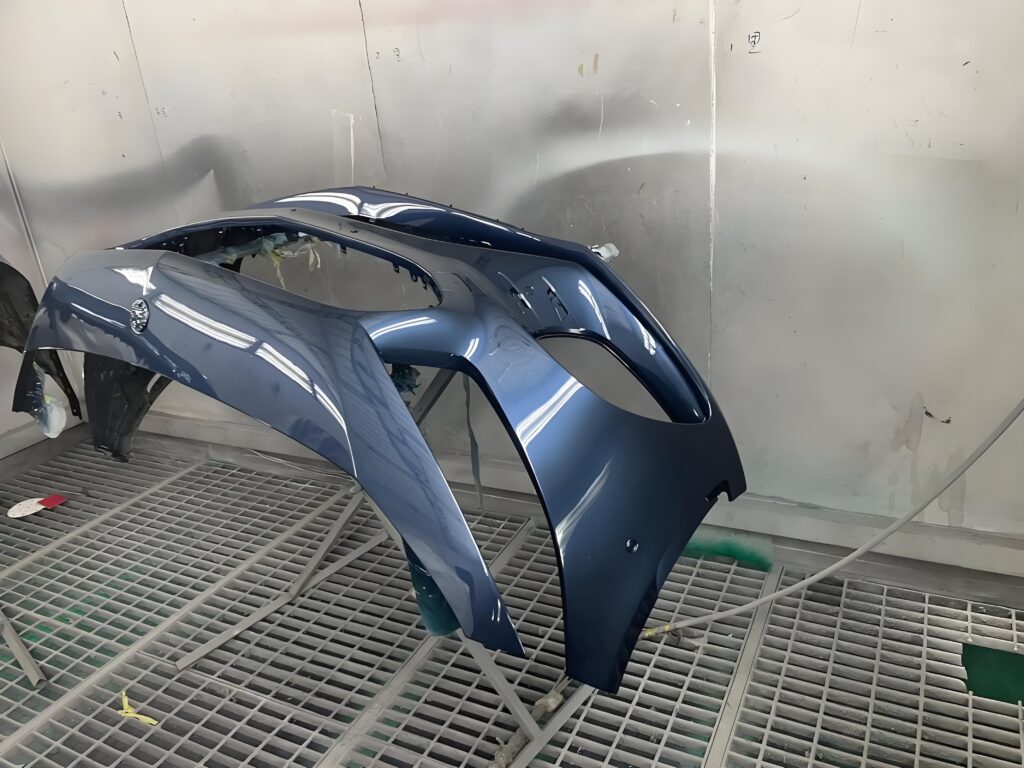
Requirements:
- High weatherability, UV resistance, corrosion resistance
- Stone-chip resistance, chemical resistance (acid rain, cleaning agents)
- The coating exhibits high mechanical strength and scratch resistance.
Recommendation:
- Use high-performance polyurethane, fluorine-modified varnish, or high-solid UV-curing varnish
- Add UV absorber, light stabilizer, and nano anti-scratch agent
3. Metal components / Industrial parts / Hardware surfaces
Requirements:
- Corrosion resistance, rust prevention, aging resistance
- The transparent film layer has strong adhesion and does not peel off.
- Good chemical resistance (exposure to acids, alkalis, solvent cleaning, etc.)
Recommendation:
- A two-layer system of epoxy primer + clear coat is more common.
- The varnish itself should preferably use a system with strong chemical erosion resistance (e.g., polyurethane, acrylic).
- Reasonably design film thickness and crosslink density
4. Interior / Wall / Ceiling / Decorative Surface
Requirements:
- Strong decorative effect, natural texture revealed, good gloss.
- Excellent scrub resistance, stain-resistant and easy to clean
- Low odor and environmentally friendly
Recommendation:
- Use water-based varnish or low-VOC varnish
- Systems with low environmental requirements (e.g., humidity, ventilation) are more favored.
- Can be made with semi-matte or matte finishes to suit soft furnishing styles.
5. Crafts / Jewelry / Models / Wood Carvings
Requirements:
- High transparency, thick-film effect, bubble-free, smooth surface finish
- Strong in rendering fine details, without obscuring delicate line work.
- Good protective properties (moisture resistance, aging resistance)
Recommendation:
- High-solid systems, UV-curable varnishes, and two-component polyurethane systems can be used.
- Fillers, toughening agents, leveling agents, and other additives may be incorporated into the formulation to enhance the finishing effect.
VI. Varnish Market Trends and Technical Development Prospects
For coating manufacturers, understanding future trends is crucial to gaining a first-mover advantage in product R&D, equipment upgrades, and market promotion. The following are several development directions and trends worth attention.
1. Environmentally friendly, low-VOC / zero-VOC varnish systems
As environmental regulations tighten worldwide, VOC emission control has become the dominant trend in the coatings industry. Consequently, eco-friendly technologies such as water-based varnishes, high-solid (low-solvent) varnishes, and solvent-free UV-curable varnishes will continue to dominate R&D priorities.
2. Functional / Multifunctional Varnish
Future clearcoats will not only provide transparent protection but may also integrate additional functions such as antibacterial and antimicrobial properties, anti-fingerprint, easy-to-clean, self-cleaning, antistatic, nano-scale antifouling, anti-fog, and flame retardancy to meet high-end market demands.
3. Nano / Composite Reinforcement Technology
Using nanoparticles (such as nano-silica, nano-alumina, carbon nanotubes, graphene, etc.) or interface-modifying additives to enhance the mechanical strength, scratch resistance, and UV resistance of coating layers is an important future direction.
4. Intelligent / Self-healing Clearcoat
In recent years, self-healing coatings have seen considerable exploration in the research field. If varnishes can possess the ability to self-heal minor scratches and repair micro-cracks, they will gain a market advantage in high-end woodware, luxury vehicles, handicrafts, and other sectors.
5. Refined / Personalized Customization
As downstream customer demands diversify, the trend for varnish products will shift from "one formula for all" to "customized per batch"—formulations can be tailored by gloss, hardness, leveling, tactile feel, and functional requirements. Rapid small-batch customization and serialized combinations will become key competitive factors.
6. Smart Manufacturing / Industry 4.0 Control Systems
In processes such as varnish canning, intelligent upgrades leveraging automation, process monitoring, online inspection, and data feedback control (e.g., automatic viscosity adjustment, temperature control, filling feedback) can significantly improve yield rate, save energy and reduce consumption, and lower manual errors.
VII. Article Summary and Recommendations
Through the above systematic review of varnish concepts, formulations, canning processes, quality control, downstream applications, and market trends, the following conclusions and recommendations can be drawn:
- Although clear coat is "transparent", behind it lies extremely complex chemical engineering and process control. From formula design to filling, every step may affect the final film performance.
- The canning process holds irreplaceable importance in the entire production chain. Even if the upstream formulation is excellent, improper control during the filling stage may lead to product quality issues or customer complaints.
- For different application scenarios, different performance varnish systems need to be matched. Understanding customer needs and clarifying performance priorities is the foundation of product positioning and promotion.
- The opportunities in the future varnish market lie in the directions of environmental protection, functionalization, intelligent manufacturing, and customization. Early layout in these areas can enhance a company's competitiveness and market voice.
- In promotional articles or marketing materials, you should combine production scenes, process details, performance comparisons, and market trends to enable customers or end users to perceive the product's professionalism and enhance their sense of trust.