——An In-Depth Analysis of Two Approaches to Achieving "Metallic Effect"
Electrocoat paint and traditional electroplating appear similar in appearance, but their realization mechanisms are entirely different. This article analyzes the essential differences between the two from aspects such as process principles, applicable substrates, and application characteristics.
I. Similar in appearance but different in implementation approaches
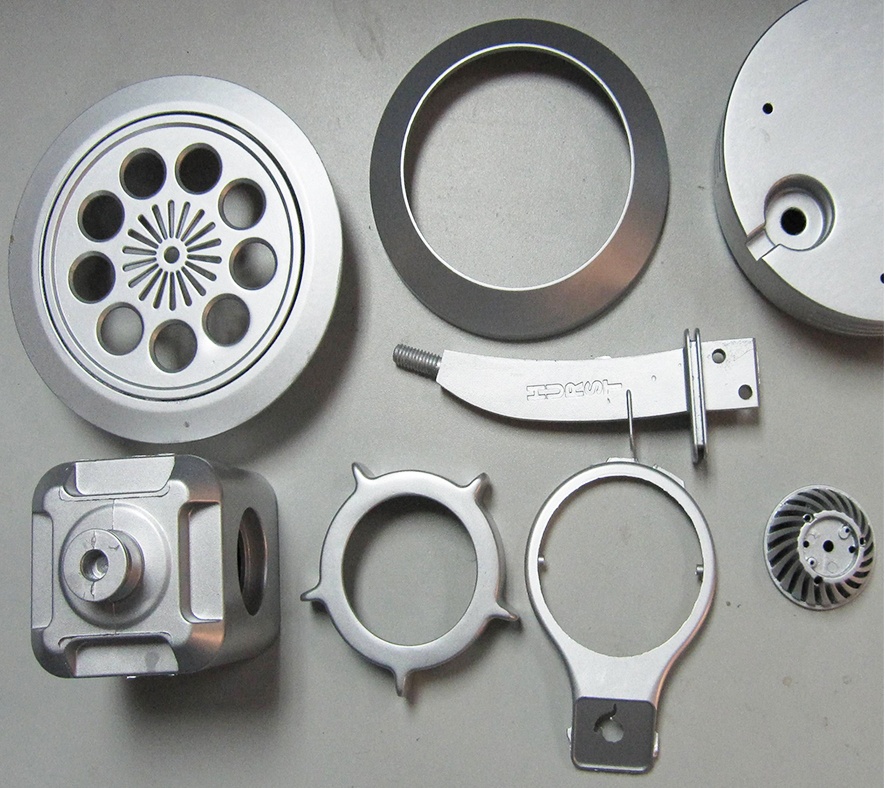
Visually, electrocoating and traditional electroplating can both present a bright, uniform metallic appearance, and are therefore often confused with each other in practical applications.
However, in terms of implementation pathways, the two belong to entirely different technical systems.

II. Essential Differences in Process Principles
1. Principles of Traditional Electroplating Processes
Traditional electroplating uses electrochemical reactions to deposit metal ions onto the surface of a conductive substrate, forming a real metal layer.
2. Working Principle of Electrocoating Paint
Electroplating paint achieves a metallic visual effect at the optical level through coating structure and high-reflectance pigments, rather than actual metal deposition.
III. Differences in applicability to substrates
Conventional electroplating typically requires the substrate to be conductive, or to undergo complex pretreatment before it can be applied to plastic parts.
Electrostatic spray painting requires no conductive conditions and is more suitable for non-metallic substrates such as plastics and composites.
IV. Process Complexity and Production Flexibility
Traditional electroplating processes are complex, involving multiple chemical treatment steps and imposing high requirements on the production environment.
In comparison, the plating paint application process is more simplified and offers higher production flexibility.
V. Differences in Degree of Freedom of Appearance Design
Electroplated paints offer greater design flexibility in color control, gloss adjustment, and localized decoration.
While traditional electroplating is relatively limited in terms of appearance variation.
VI. Application Risks and Stability Considerations
Traditional electroplating involves chemical reactions and metal layer deposition, and demands high process stability.
Electrocoat paint is easier to control through application parameters, achieving consistent performance in mass production.






VII. Differentiation of Application Scenarios for the Two Processes
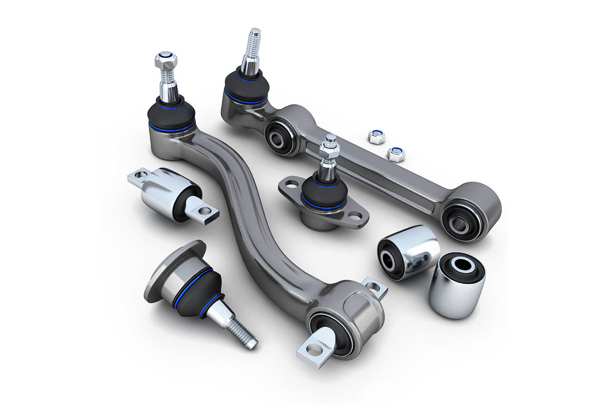
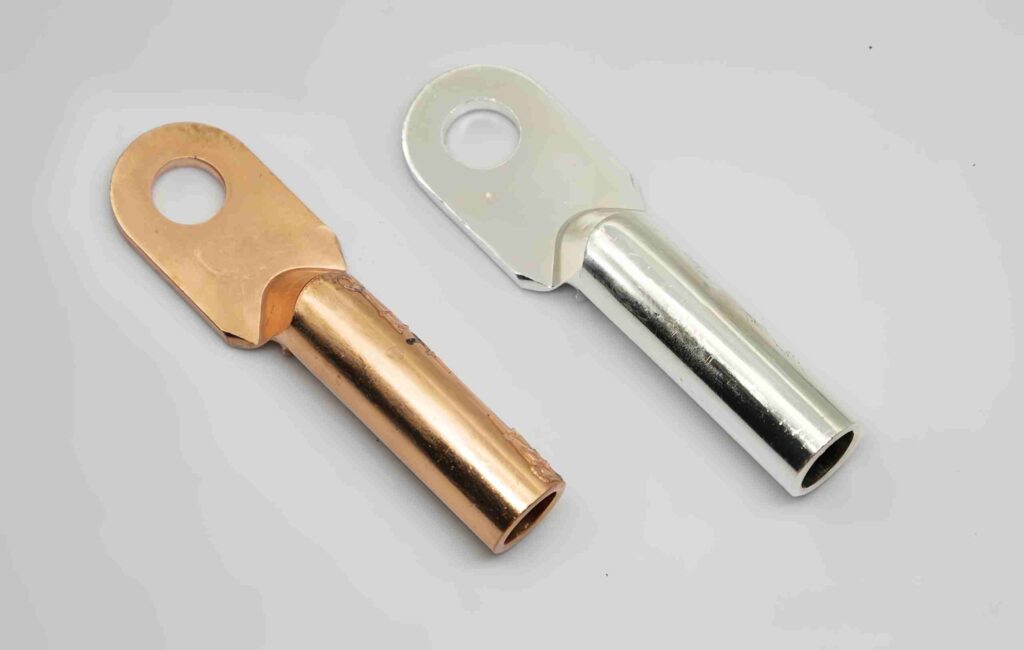
In scenarios pursuing authentic metallic properties, traditional electroplating still holds advantages;
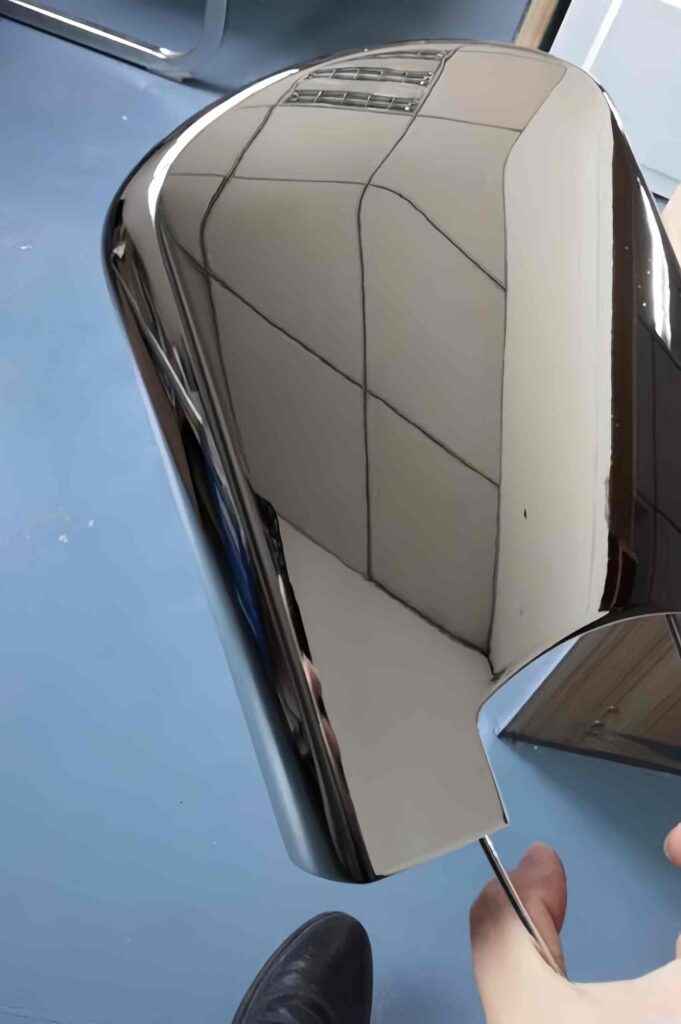
whereas in applications emphasizing appearance effects, design flexibility, and compatibility with plastic substrates, electroplating paint offers greater advantages.
Conclusion
Electrocoating paint and traditional electroplating, while similar in appearance, differ fundamentally in principle, process, and scope of application. Understanding these differences helps in selecting a more suitable surface treatment solution for different application scenarios.