——Achieves metallic-like visual effects without traditional electroplating.
Electroplating paint achieves stable metallic visual effects through a special coating structure. This paper systematically analyzes the working principle of electroplating paint and the formation mechanism of its metallic appearance.
I. Basic Concepts of Electroplating Paint
Electroplating paint is a surface coating system that achieves a metallic-like appearance through a coating process, primarily used for decorative painting of plastic and non-metallic substrates.
Unlike traditional electroplating, electroplated paint does not rely on electrochemical reactions, but achieves a metallic visual appearance through coating structure design.





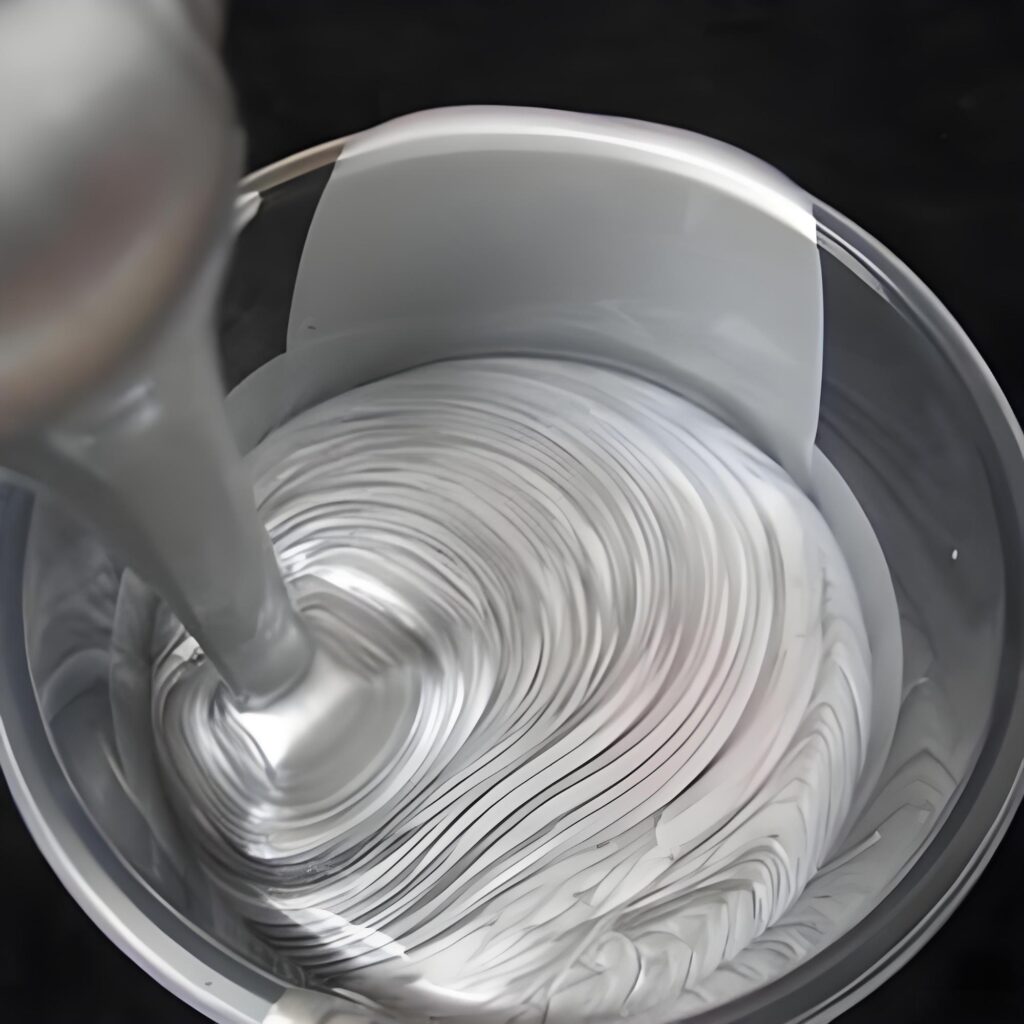
II. Fundamental Basis for the Formation of Surface Metallic Effects
1. Function of high-reflectance pigments
Electroplated coatings typically employ high-reflectance metallic pigments; through regular arrangement and light reflection, they produce a visual effect similar to that of a metal surface.
2. Synergistic Effect of Coating Structure
The metallic effect is not achieved by a single coating, but through the synergistic interaction among the base layer, functional layer, and top layer to ensure stable appearance.
III. Analysis of the Working Principle of Electroplating Paint
Electroplated paint achieves ordered reflection of light on the coating surface through precise control of pigment distribution, coating thickness, and surface flatness, thereby creating a bright, uniform metallic visual effect.
IV. Principle Differences Between Electrophoretic Painting and Traditional Electroplating
Traditional electroplating relies on electric current and metal ion deposition, whereas electroplated paint achieves its appearance through a physical coating structure.
This fundamental difference makes electrocoating more flexible for application on plastic substrates.
V. Suitability of Electroplated Coatings for Plastic Products
Since no electrochemical treatment is required, electrocoat paint is particularly suitable for non-conductive substrates such as plastic parts and composite materials, and is widely used in decorative exterior design.
VI. Stability Factors of Metallic Visual Effects
The stability of the metallic effect in electroplated paint is closely related to coating uniformity, pigment alignment, and surface smoothness.
Mature systems can maintain consistent appearance across different batches and complex structural components.
VII. Summary of the Application Value of Electroplating Paint
Achieving a metallic-like appearance through coating methods makes electroplating paint an important solution for metallic finishes on plastic products.
Conclusion
Electroplating paint achieves stable metallic visual effects without the need for traditional electroplating processes through its unique working principle, providing greater flexibility for the exterior design of plastic products.