With the continuous advancement of high-end material technologies, nano coatings have gradually become high-performance coating systems that attract widespread attention in automotive, electronics, household, and industrial fields due to their excellent protective and decorative properties. Compared with traditional paints, nano paints incorporate functional materials of 1–100 nm internally, enabling the coating to possess stronger protective capability, higher transparency, and more stable long-term performance. Because nanoparticles feature large specific surface area, high activity, and denser arrangement, they exhibit particularly outstanding performance in coating hardness, gloss, and durability.

The following will provide an in-depth analysis of the core functional characteristics of nano paint from multiple perspectives.
1. Excellent Anti-Fingerprint Performance: Keeping Surfaces Clean for a Long Time
On high-gloss or dark-colored surfaces, fingerprints, sweat marks, and oil stains tend to be highly visible, affecting the overall appearance. Nano coatings form a dense nano-scale protective film that makes it difficult for grease to adhere and allows it to be rapidly dispersed, thereby reducing fingerprint residue. This effect is especially suitable for:
- High-end automotive interiors (piano black lacquered parts)
- Phone cases, tablet enclosures
- Home appliance control panel
- Tempered glass surface

For products that require frequent touching, anti-fingerprint coatings not only enhance the user experience but also reduce maintenance costs.
II. Efficient Oil and Stain Resistance: Surface Not Easily Soiled
Nano coatings exhibit excellent oleophobicity and can effectively reduce the adsorption of contaminants on the surface, including engine oil, sweat, cosmetics, and cooking oil. The principle lies in the dense network structure formed by nanoparticles, which hinders the penetration of oil molecules and makes stains easier to wipe off.
This property is particularly prominent in the following industries:
- Automotive steering wheel trim, door panel decorative strips
- Industrial machinery enclosures
- Kitchen appliances and stainless steel equipment
- high-end digital product exterior components
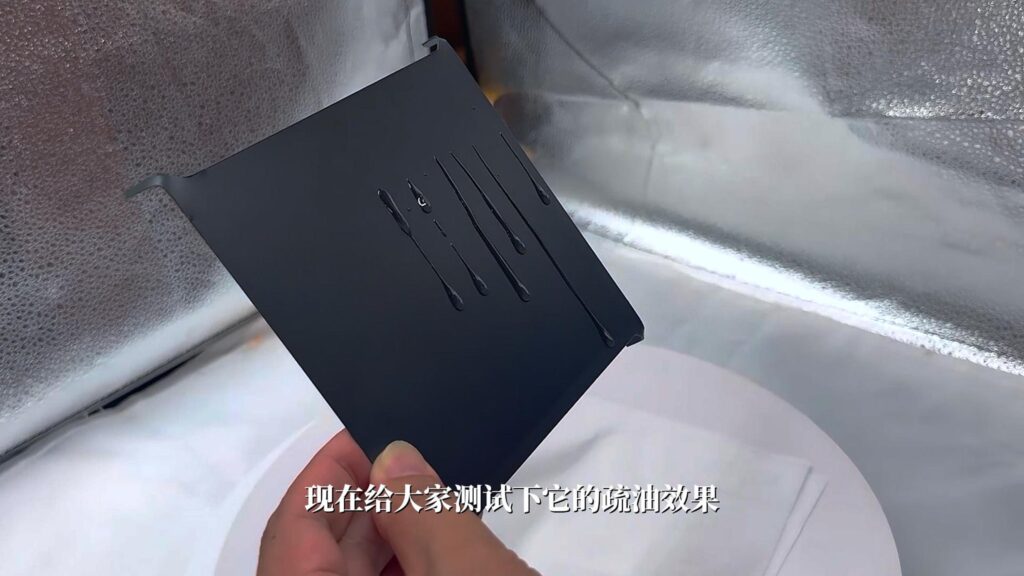
Applying nano-coatings to easily soiled areas can significantly reduce cleaning effort and enhance product texture.
III. Powerful Hydrophobic Performance: The Lotus Effect Delivers Extremely Strong Water-Repellent Effect
The hydrophobic capability of nano paint originates from the "lotus leaf effect"; the surface microstructures prevent water droplets from spreading, causing them to remain as beads and slide off rapidly. Its advantages include:
- waterproof penetration
- moisture-proof and mildew-proof
- Enhance the resistance of outdoor components to environmental degradation
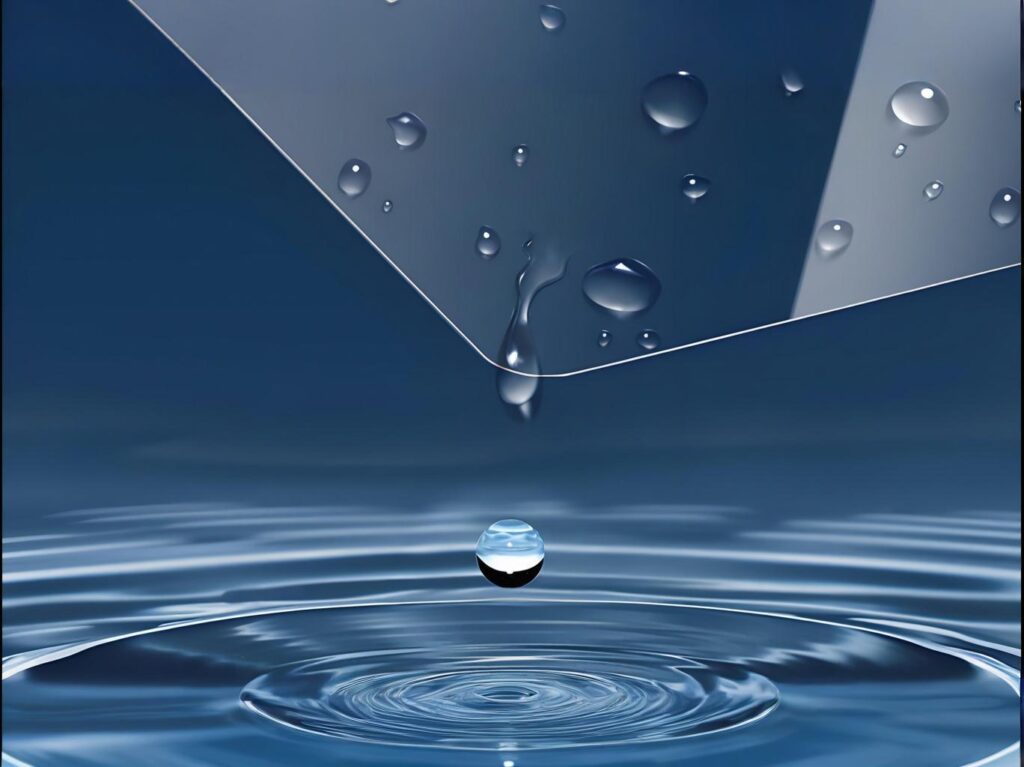
Therefore, it is highly suitable for outdoor lighting fixtures, automotive exterior components, metal equipment, and products exposed to humid environments.
4. Significantly Improved Wear Resistance and Scratch Resistance
The addition of nanoparticles comprehensively upgrades the coating's hardness, structural density, and wear resistance.
Its scratch-resistant features include:
- The surface is not prone to fine scratches.
- Remains smooth even after long-term use
- Enhance the overall coating service life

This is particularly important for high-frequency contact areas such as automobile bodies, motorcycle exterior parts, and carbon fiber modification components.
V. High Transparency and Profound Luster: Enhancing Visual Effects
The particle size of nano paint is extremely small and evenly dispersed, making its optical properties far superior to those of traditional varnishes.
Manifestations:
- The gloss becomes more translucent and lustrous.
- Brighter color expression
- Carbon fiber weave appears more three-dimensional
Therefore, it is commonly used for:
- High-end modified vehicle carbon fiber components
- Electronic product exterior components
- Highlighted craft coating
6. UV Resistance and Weather Resistance: Maintain Appearance Without Aging Over Time
Ultraviolet rays can cause the coating to yellow, lose gloss, and even chalk, while the UV-absorbing materials in the nano coating can effectively block UV penetration and prevent aging.
Advantages include:
- long-lasting gloss retention
- Prevent fading and cracking.
- Suitable for high-temperature, intense light, and outdoor environments.

Specially suitable for applications subject to prolonged sun exposure, such as automotive exterior parts, outdoor equipment, and metal structural components.
VII. Antibacterial and Anti-mold (Optional Function): A Healthier User Experience
By incorporating silver ions or titanium dioxide nanomaterials, long-lasting antibacterial efficacy can be achieved, and it can be used in:
- medical devices
- household countertops
- public facilities
This functional coating is rapidly gaining popularity across a growing number of industries.
8. High Adhesion and Strong Chemical Resistance: Suitable for Various Materials
Nano coatings exhibit excellent material compatibility and can form strong adhesion with the following substrates:
- Metals (aluminum, iron, stainless steel)
- Plastics (ABS, PP, PC)
- carbon fiber
- Glass
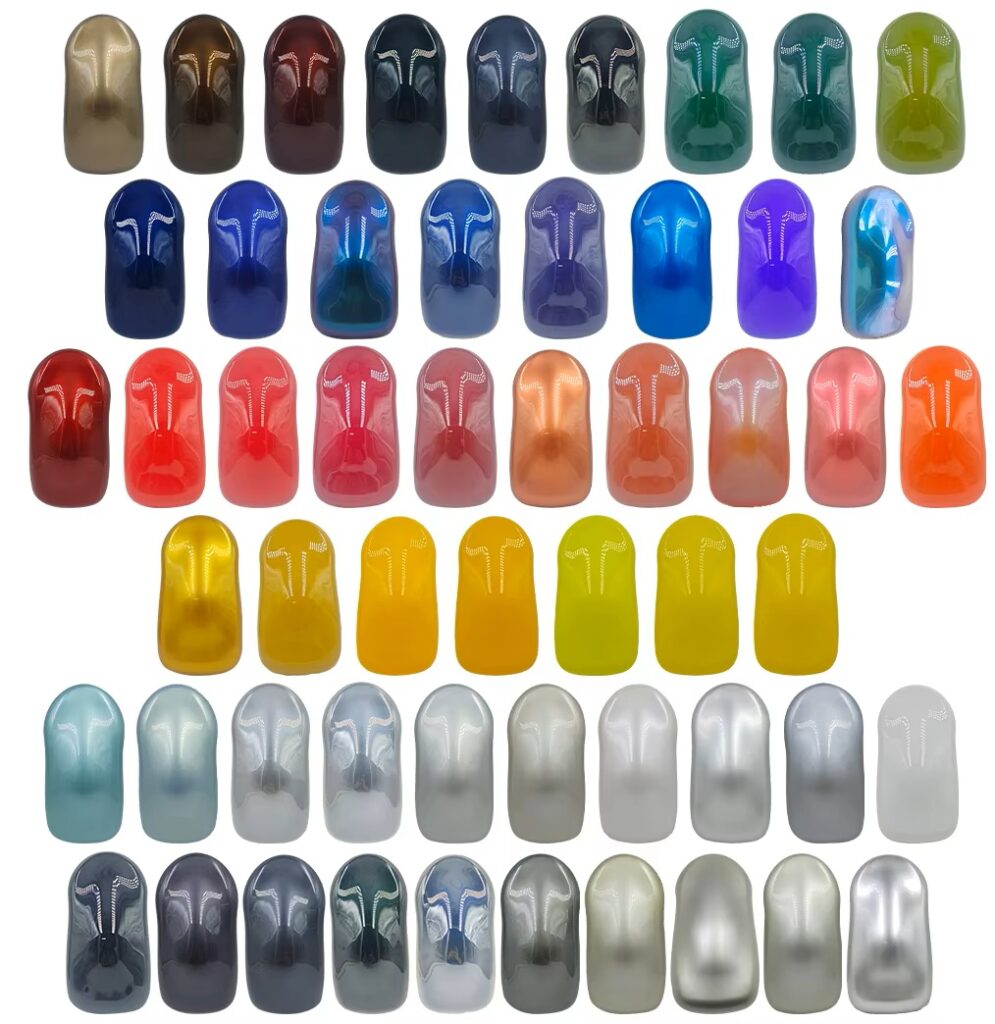
It exhibits strong chemical resistance and is not easily damaged by cleaners, oils, or corrosive substances, ensuring long-term stability of the coating.
Summary: Important Coating Systems for the Industry's Future
Leveraging their multifunctional properties, nano coatings are becoming the preferred high-end finishing solution for automotive paints, the modification industry, electronic devices, household appliances, and industrial applications. Their overall performance far surpasses that of conventional coatings and they will occupy a more significant position in the future coatings market.