Nanocoatings construct dense and stable microprotective structures to provide long-term waterproofing, antifouling, weather resistance, and anti-aging protection for building exterior walls and curtain wall systems. They offer significant application advantages in enhancing the durability of building appearance, reducing maintenance costs, and adapting to complex climatic environments.
I. Protection Requirements for Building Exterior Walls and Curtain Wall Systems
Building exterior walls and curtain wall systems are exposed to the natural environment over the long term and must withstand multiple factors such as rain erosion, UV radiation, air pollution, temperature fluctuations, and wind-blown sand abrasion. As building heights and the complexity of facade designs continue to increase, the durability and stability of exterior wall surfaces have become critical guarantees of a building’s long-term quality.
Traditional architectural coatings are prone to issues such as fading, chalking, water seepage, and stain adhesion during long-term use, increasing maintenance frequency and compromising the building's overall appearance. Consequently, nano-coatings with higher weather resistance and functionality have gradually become an important choice for the protection of building exterior walls.


II. Core Mechanism of Nanocoatings on Building Exteriors
1. Enhanced waterproof performance brought by the dense structure
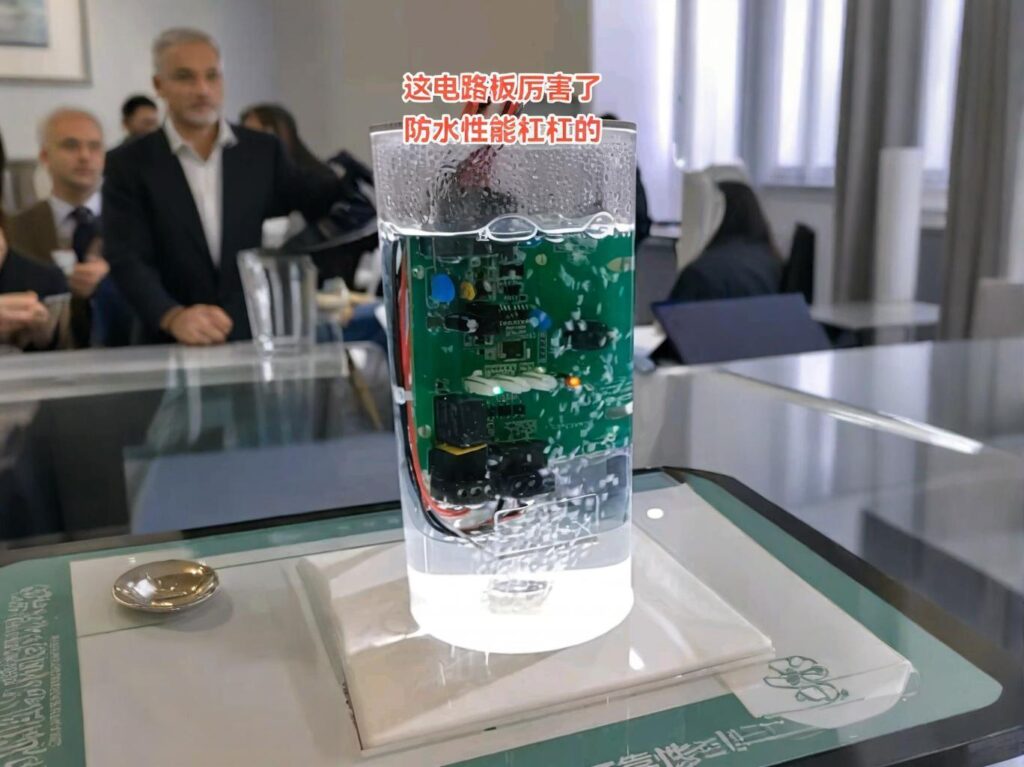
The nano-coating achieves uniform dispersion of nanomaterials to form a highly dense protective layer on the exterior wall surface, effectively blocking the penetration of rainwater and moisture and significantly reducing the water absorption rate of the wall.
2. Surface Energy Modulation for Antifouling and Self-Cleaning
Through nanoscale surface structure design, the coating's surface energy is reduced, making it difficult for contaminants to adhere; rainwater can then wash away dust and stains, keeping the exterior wall clean over the long term.
3. Enhanced UV resistance and aging resistance
Nanomaterials can absorb or reflect ultraviolet (UV) radiation, reducing the damage caused by UV exposure to the coating structure, so that building exterior walls maintain a stable appearance even under prolonged sunlight.
III. Application of Nanocoatings in Different Building Curtain Wall Systems
1. Glass curtain wall system
Nano transparent coatings can enhance the anti-fouling, water-repellent, and weather-resistant properties of glass surfaces without compromising light transmittance.
2. Metal Curtain Wall and Aluminum Panel System
Nano protective coatings effectively delay oxidation and corrosion on metal surfaces, enhancing the overall service life of curtain wall systems.
3. Stone and Concrete Exterior Walls
Sealing the microporous structure with a nano-coating reduces the ingress of moisture and contaminants, thereby enhancing the durability of exterior walls.
IV. Comprehensive Application Value across the Building Lifecycle
From the perspective of the building's full life cycle, the application advantages of nano-coatings in exterior wall and curtain wall systems are mainly manifested in:
- Extend the service life of exterior wall systems
- Reduce cleaning and maintenance frequency
- Maintain the long-term aesthetic appearance of building facades
- Enhance the overall quality and value of buildings
These advantages make nanocoatings an important technical solution for the exterior protection of high-end buildings and public facilities.
V. Applicable Building Types and Environmental Conditions
Nano-coatings are suitable for a variety of building types, including:
- Commercial complexes and office buildings
- High-rise residential buildings and public buildings
- Hotels, airports, and transportation hubs
- Buildings in coastal, highly polluted, or high-humidity areas
Through different formulation designs, customized applications targeting various climatic conditions and building materials can be achieved.
VI. Development Trends of Building Exterior Wall Coatings
With the continuous improvement of requirements for building energy efficiency, environmental protection, and durability, architectural exterior wall coatings are evolving toward high performance, low maintenance, and multifunctionality. The maturation of nanocoating technology will continuously drive the upgrading of protection levels for building exterior walls and curtain wall systems.