In today's industrial manufacturing and home decoration sectors, paint is not merely a simple coating material, but a medium that embodies personalized design and functional requirements. A growing number of enterprises and consumers are seeking manufacturers capable of customizing paints to meet specific color and process requirements, so as to satisfy the unique demands of particular projects. For instance, in the production of construction, automotive, furniture, or valve products, paint color matching and process flows such as spraying, grinding, and dispersion directly affect the product's durability and aesthetics. This article delves into the advantages, production processes, and selection tips of custom paint manufacturers, and provides practical FAQs to help you find the ideal partner.
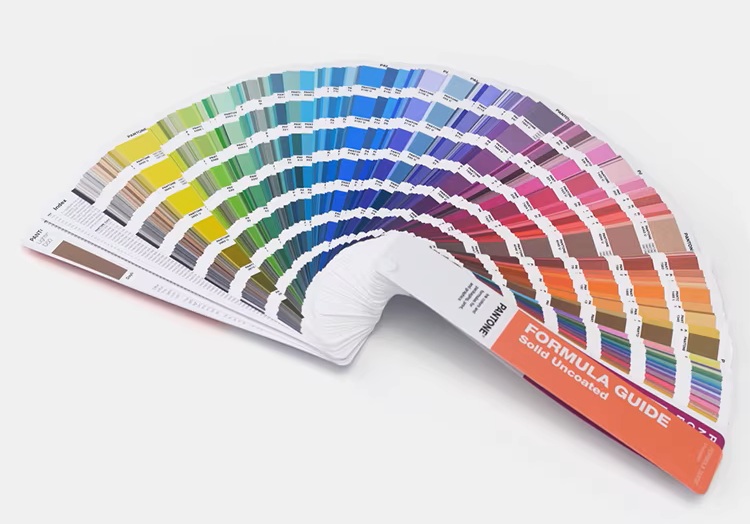
Definition and Importance of Custom Paint Manufacturers
Paint customization manufacturers are professional production enterprises that can provide color-customized paints and process-specific paints according to customers' specific requirements. Unlike standardized producers, these manufacturers possess flexible formula adjustment capabilities and can handle various needs ranging from waterborne coatings to industrial paint production. Why choose such manufacturers? First, color-customized paints can perfectly match brand color cards, such as RAL color charts or national standard requirements, avoiding color difference issues in finished products. Second, process-specific paints involve special procedures such as dispersion mixing, grinding, and high-temperature curing, ensuring the adhesion and weather resistance of the paint on different substrates.
In the global market, custom paint manufacturers are experiencing rapid growth. Data shows that with the tightening of environmental regulations, demand for customized waterborne coatings has surged; these manufacturers can supply solvent-free UV primer or acrylic-modified polyurethane emulsion formulations to meet green production standards. Whether for cabinet panel coating in whole-house customization or fluorocarbon powder coating of doors and windows, customized services enhance product competitiveness.

Analysis of the Advantages of Customized Paints
Choosing a manufacturer that can customize different paint colors and process requirements to meet your needs offers multiple advantages:
- Personalized color matching: Traditional paints are often limited to a finite color range, whereas custom color paints allow customers to provide samples or color codes, and manufacturers use advanced equipment such as Gema guns for 360° automatic spraying to achieve precise matching. This is especially critical in valve paint color standards or custom color matching for color-coated aluminum, avoiding issues such as peeling or unevenness.
- Flexible Process Adaptation: Process requirements for paint production involve key steps such as batching, dissolving, dispersing, and grinding. Excellent manufacturers can adjust according to application fields; for example, the production process of industrial paint includes base material preparation and color paste grinding equipment to ensure corrosion resistance and gloss. For the construction of multicolor coatings, manufacturers provide the correct construction process flow for water-based multicolor coatings, comprehensively optimizing the effect from substrate treatment to topcoat.
- Environmentally Friendly and Efficient: Modern paint customization manufacturers focus on sustainability, using water-based interlayers and fluorocarbon resin emulsions to reduce volatile organic compound (VOC) emissions. At the same time, they offer flexible batch sizes, from small-batch testing to large-scale production, to meet the needs of enterprises of different scales.
- Cost Control: By customizing paint colors and processes, waste is reduced. For example, in whole-house customization, using solvent-free UV primer can achieve over 98% of the PU texture, reducing rework rates.
These advantages make custom paint manufacturers the preferred partner for the construction, automotive, and furniture industries.
Detailed Explanation of the Production Process for Custom Paints
Understanding the production process of a custom paint manufacturer helps assess its professionalism. The general process includes:
- Requirement Analysis and Formula Design: The customer submits color and process requirements, and the manufacturer uses color cards or samples for preliminary matching. This involves characteristics of the industrial coatings industry, such as a wide variety of products and diverse performance requirements.
- Raw material preparation: Select high-quality raw materials, such as acrylic silicone resin emulsion or polyurethane emulsion. Adjust the proportioning by parts according to the process requirements and the type of paint.
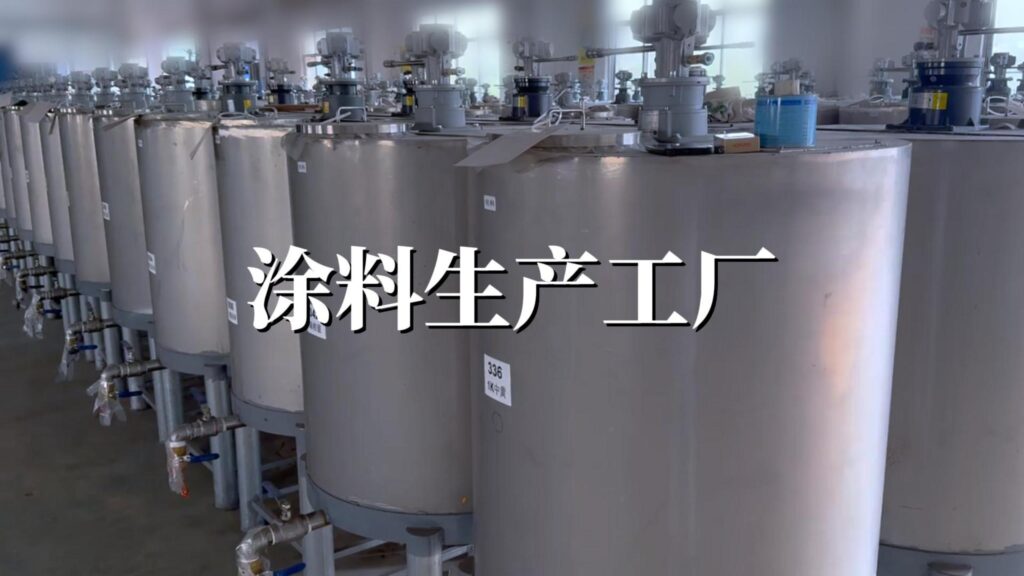
- Key Process Execution: Disperse and mix to prepare the base material, then proceed to the color paste grinding equipment. Special processes such as grinding use Netzsch equipment to ensure uniform particles. Spraying process details are very important; for example, in custom door and window colors, high-temperature curing allows the powder to penetrate the profiles.
- Quality Inspection and Packaging: Inspect color consistency and adhesion, and package for shipment after passing the inspection.
In valve painting processes, color standards can be custom-formulated, and causes of paint peeling such as surface contamination or improper process are prevented. Common issues in multi-color coating application, such as uneven particle suspension, are also resolved through optimized solutions.
How to choose a suitable paint customization manufacturer
Faced with numerous custom paint manufacturers, how to choose? Here are some practical suggestions:
- Inspect Qualifications and Equipment: Prioritize manufacturers equipped with advanced equipment, such as automatic spraying lines and grinding systems. Check whether they comply with ISO standards or environmental certifications.
- Assess customization capability: Ask about the color-matching accuracy of custom paint and the flexibility requirements of the painting process. Refer to cases such as the number of production lines and equipment features in whole-house customization.
- Service & Support: A good manufacturer provides one-stop services from consultation to after-sales, including construction guidance and problem solving.
- Price and Cost-Effectiveness: Compare quotes from different manufacturers, but do not overlook quality. Although custom paint colors cost slightly more, they save money in the long run.
Through these steps, you can find a reliable partner.




Successful Case Studies
Taking a certain door and window enterprise as an example, they required custom color-matched fluorocarbon powder coatings. The selected custom coating manufacturer utilized Swiss-imported equipment to achieve uniform adsorption and high-temperature curing, improving the product weather resistance by 30%. Another case involves industrial valve production, where the manufacturer formulated coatings according to color standards, resolving the peeling issue and increasing annual output by 20%.
These cases demonstrate that professional custom formulation of coatings to meet process requirements can significantly enhance product value.
FAQ: Frequently Asked Questions
Q1: How do paint customization manufacturers ensure color consistency? A: Through professional color card matching and multiple sample tests, we ensure customized color paint has no deviation. Digital equipment is used for monitoring.
Q2: What is the production lead time for the paint as required by the process? A: It depends on the complexity; small batches usually take 7-15 days, while large-scale production can be optimized to 5 days.
Q3: Is the customized water-based coating environmentally friendly? A: Yes, it uses a low-VOC formula and complies with national standards.
Q4: How to handle common issues in the construction of multicolor coatings? A: The manufacturer provides solutions, such as adjusting suspended particles or optimizing the spraying process.
Q5: What information is required to provide for custom paint colors? A: Color code, sample, or description of application scenario.
Q6: What special requirements are there for industrial paint production processes? A: Emphasis is placed on dispersion and grinding to ensure resistance to harsh environments.
Q7: What should be noted when choosing a paint customization manufacturer? A: Qualifications, equipment, and service support.
Q8: Can the valve paint color standard be fully customized? A: Yes, it can be formulated according to requirements.
These FAQs cover common user questions and enhance the practicality of the article.
Conclusion
Choosing a manufacturer capable of customizing different paint colors and process requirements to meet your needs is key to a project's success. With the guidance in this article, you can better understand the value of custom paint manufacturers and make informed decisions. Feel free to contact a professional manufacturer to begin your customization journey.