As one of the most widely used categories in coating systems, colored paint not only serves the decorative function of color presentation, but also provides multiple values such as durability, protection, beautification, and functional assignment. With the increasing requirements of construction, home furnishing, and industrial manufacturing, colored paint, coating selection, decorative coatings, industrial coatings, eco-friendly coatings, weather resistance and other terms have become the most concerned directions for users when purchasing coatings.
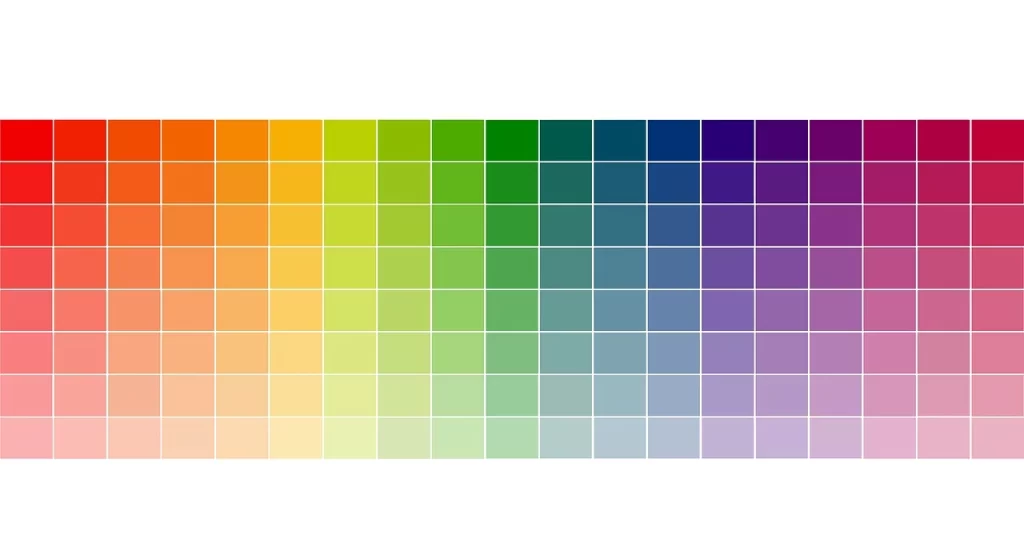
Fundamentally, the core functions of pigmented coatings can be summarized as the following three aspects:
1. The Three Core Functions of Colored Paint
1. Decorative Function: Defining Spatial Visuals and Texture
Colored paint forms the foundational visual style of both interior and exterior spaces. Different colors not only affect mood and spatial atmosphere, but also determine the overall style of home decoration and architecture. For example, low-saturation light gray and off-white suit modern minimalist styles, while high-saturation blue and red are more suitable for commercial spaces to enhance visual impact.
Beyond the color itself, colored coatings can further enhance the decorative experience through gloss level and particle texture—for example, matte finishes create a soft ambience, while high-gloss finishes deliver strong reflective effects, making them more suitable for areas that require a vibrant display.
2. Protective function: Resist corrosion, oxidation, moisture, and other damages
Many people only focus on the aesthetic appeal of topcoats, yet overlook their value in material protection. High-quality topcoats can form a dense protective film on substrates such as metal, wood, and cement, effectively reducing the following risks:
- UV-induced fading and chalking
- Mildew caused by rain and humid environments
- Corrosion of the substrate by chemicals, oil stains, etc.
- Structural aging caused by prolonged exposure to sunlight
Especially in industrial applications, the importance of industrial coatings and protective coatings is even more prominent. Bridges, machinery, and equipment enclosures, if lacking robust coating protection, will significantly shorten their service life and increase maintenance costs.

3. Function: Endowing the substrate with more properties
Modern coating technology is developing rapidly; architectural coatings are no longer merely about color presentation, but have reached a more "functional" level, for example:
- mold-proof and antibacterial
- Stain-resistant and scrub-resistant
- self-cleaning
- heat insulation and reflection
- fire retardant
- Anti-corrosion and anti-rust
These properties make the finish paint more suitable for applications in home decoration, public spaces, medical environments, schools, food factories, and other settings.

II. Classification and Characteristics of Common Colored Paints
To help users make more accurate paint selection, the following introduces several of the most widely used types of colored paints on the market:
1. Water-based color paint (eco-friendly)
- Low odor and low VOC content
- More suitable for homes and children's rooms
- Safer construction
- Weather resistance is continuously enhanced with technological advancement.
As environmental regulations become stricter, eco-friendly coatings have gradually become the mainstream in the market.
2. Oil-based (solvent-based) paint
- Widely used in early applications
- High color saturation
- Strong wear resistance
- However, it has higher VOC and imposes stricter requirements on the application environment.
Nowadays, it is mostly used in industrial and outdoor applications.
3. Metallic Paint
- containing metal particles
- with a sparkling effect
- Commonly used in automobiles, electromechanical equipment, and commercial spaces.
- Highly decorative with excellent weather resistance

4. Wood Coatings
- For wooden furniture, wooden doors, and wood flooring
- Emphasize texture revelation, abrasion resistance, and environmental friendliness.
- Water-based wood coatings are gradually becoming a trend.
5. Special Functional Coatings
Suitable for industries with special performance requirements, such as:
- fireproof paint
- anti-corrosive paint
- heat-resistant paint
- food-grade coating
3. How to Choose the Right Colored Paint for Yourself?
When selecting colored coatings, one should consider decorative effect, service environment, and expected service life comprehensively. The following is a practical professional selection logic:
1. Choose the type based on the usage environment
- Interior home decoration: Prioritize water-based eco-friendly paint to avoid irritating odors
- Kitchen/Bathroom: Requires stain resistance, moisture resistance, and mold prevention
- Outdoor facilities: High-weather-resistance products should be selected, such as fluorocarbon paint
- Metal substrate: Must preferentially select industrial coatings with strong anti-corrosion performance

2. Select the corresponding system based on the substrate
The adsorption properties vary greatly among different substrates, for example:
- Wood: requires a sealer primer + topcoat system
- Metal: A rust-inhibiting primer must be applied first.
- Cement walls: require more alkali resistance and crack resistance.
Ensure the actual application matches the tinting system.
3. Check the performance indicators of the colored paint
Key focus:
- weather resistance
- stain resistance
- film hardness
- adhesion
- VOC content
- Application temperature range
These indicators directly affect service life and final performance.
4. Choose color tones based on color psychology
Color is not just aesthetic—it is an emotional tool:
- Blue: calm, fresh
- Red: passion, vitality
- Green: healing, safety
- Neutral colors: sophisticated and versatile.
The combination of colored paints determines the quality of a space.

IV. Conclusion: The Value of Colored Paint Goes Far Beyond the Color Itself
Whether for home decoration, construction projects, or industrial production, colored paint undertakes three core missions: beautification, protection, and functional enhancement. As long as you master the basic selection logic and combine it with the actual usage environment, you can achieve longer coating lifespan, better results, and make the space more aligned with personal needs.