In today's pursuit of personalized and artistic decoration, single flat colors can hardly satisfy people's aesthetic needs. Thus, various art paints with special effects have emerged, among which, crackle paint, with its unique cracked texture and strong retro feel, has gained extremely high attention among designers, craft enthusiasts, and home decorators. It is not merely a coating, but a medium of expression that can endow objects with brand-new life.
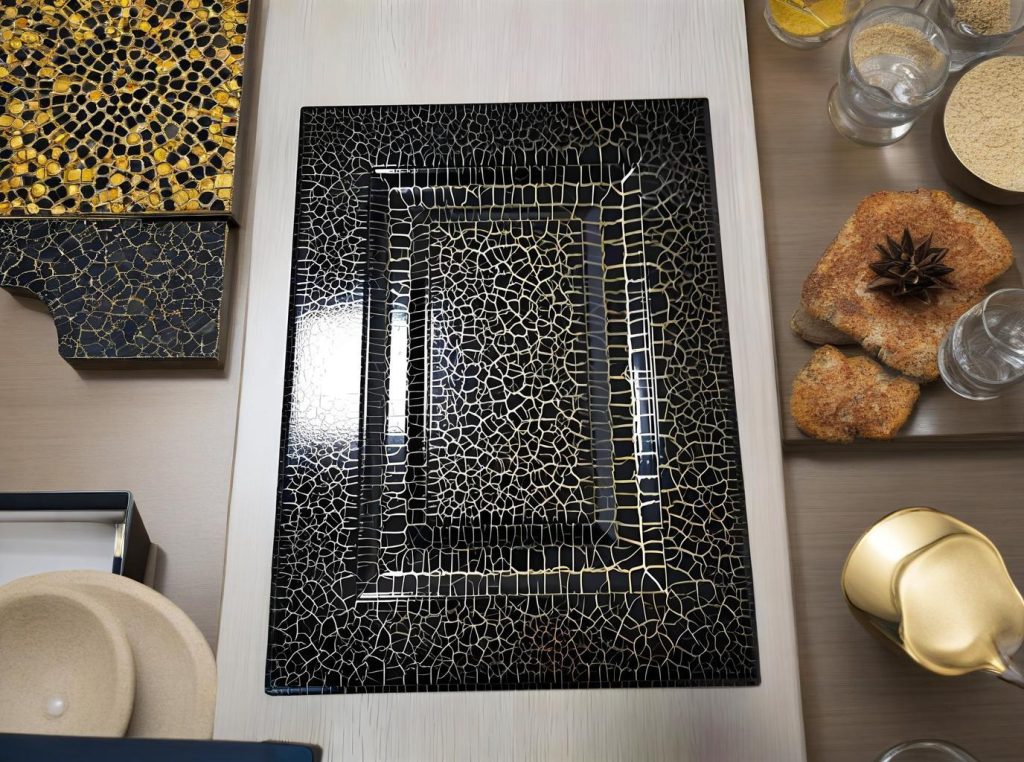
I. Core Principle of Crackle Paint: The Science of Tension Aesthetics
The reason crackle paint can produce such a fascinating effect is no accident; behind it lies sophisticated chemical and physical principles. Its biggest difference from traditional paints lies in its characteristic of "cracking by design."
Simply put, the crackle effect of crackle paint requires the collaboration of the primer and the topcoat (the crackle paint itself) to be achieved. The core lies in utilizing the different shrinkage rates of the two paint films during the drying and curing process. Typically, the matching primer is designed as a paint type with extremely low shrinkage and strong adhesion, while the topcoat (crackle paint) is deliberately designed to have high shrinkage.
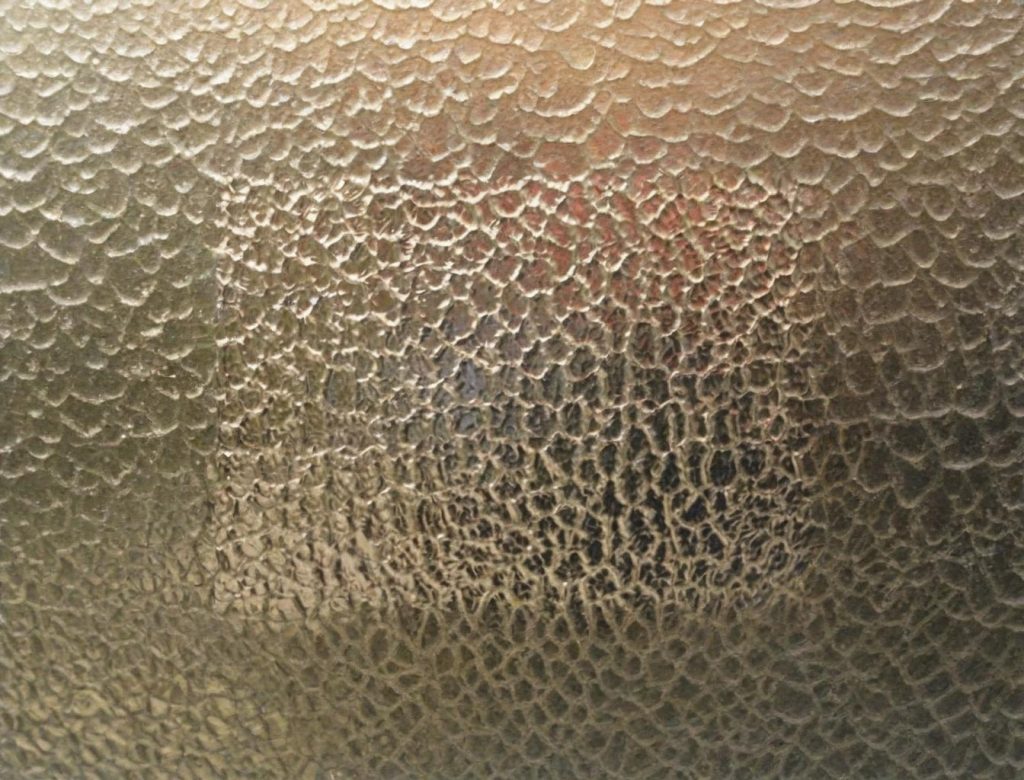
When crackle paint is sprayed or brushed over a dried primer, it generates enormous internal shrinkage stress during curing. Since the primer is hard and stable, firmly adhering to the substrate, it restricts the uniform shrinkage of the topcoat. When the shrinkage stress exceeds the film's own tensile strength, the coating is forced to fracture, thereby forming those natural, random, and non-reproducible crackled patterns. This is like a piece of land gradually drying up: as moisture evaporates, the soil shrinks and cracks, creating intricate patterns.
Key factors regulating crack size lie in the coating thickness:
- The thicker the paint film: the greater the amount of crackle paint buildup and the greater the overall shrinkage force, thus creating a wide, bold crack effect.
- The thinner the paint film: the shrinkage force is relatively small, so the cracks become fine and delicate, like the "crackle" or ice-crack pattern on the surface of porcelain.
The applicator can precisely control the film thickness by adjusting the spray pressure, fluid output, distance, and number of passes, or the force used in brushing, thereby achieving the desired crack size, which gives the user great creative freedom.
II. Systematic Construction Process: The Key to Achieving Perfect Results
To achieve the desired crackle effect, a standardized application process is crucial. Neglecting any step may lead to issues such as uneven cracking, poor adhesion, or even paint peeling.
- Substrate preparation: a solid foundation
Whether it is wood, metal, plaster, or plastic, substrate preparation is the top priority. The surface must be ensured to be flat, dry, clean, and free of oil and dust. For wood, it needs to be sanded thoroughly until smooth; for metal, anti-rust treatment is required. This step directly affects the final adhesion of the paint film and the overall smoothness. - Primer Application: A Solid Foundation
Choosing a specialized primer compatible with the crackle paint is half the success. Apply a uniform coat of primer by spraying or brushing, and allow it to fully dry and cure. The color of the primer will directly determine the visual impact of the final effect. Usually, colors with strong contrast to the topcoat are chosen as the primer, such as black, dark coffee, dark green, etc. - Crackle Paint Application: The Birth of Art
- Mixing and Dilution: Strictly add the dedicated thinner according to the ratio in the product instructions; excessive dilution will result in an inconspicuous crackle effect.
- Spray application: This is the optimal method of application, easy to control thickness and uniformity. It is recommended to use the "cross-hatch method" for spraying to ensure even coverage of the coating. For coarse cracks, apply a thick coat; for fine cracks, apply a thin coat.
- Brush application: Suitable for small areas or DIY projects. When brushing, keep the direction consistent and avoid repeated back-and-forth strokes that cause uneven coating thickness.
- Waiting for cracking: After construction is completed, under suitable temperature and humidity conditions, the crack effect will gradually appear within a few to ten-plus minutes, which is a process full of pleasant surprises.
- Topcoat Application: The Eternal Seal
Once fully cracked and dried, the paint surface is relatively fragile and must be sprayed with a layer of transparent protective varnish (such as PU varnish, NC varnish, or water-based topcoat). The protective varnish not only effectively enhances the paint surface's abrasion resistance, scratch resistance, and corrosion resistance, but also further improves color saturation, making the crackle effect clearer and more three-dimensional.
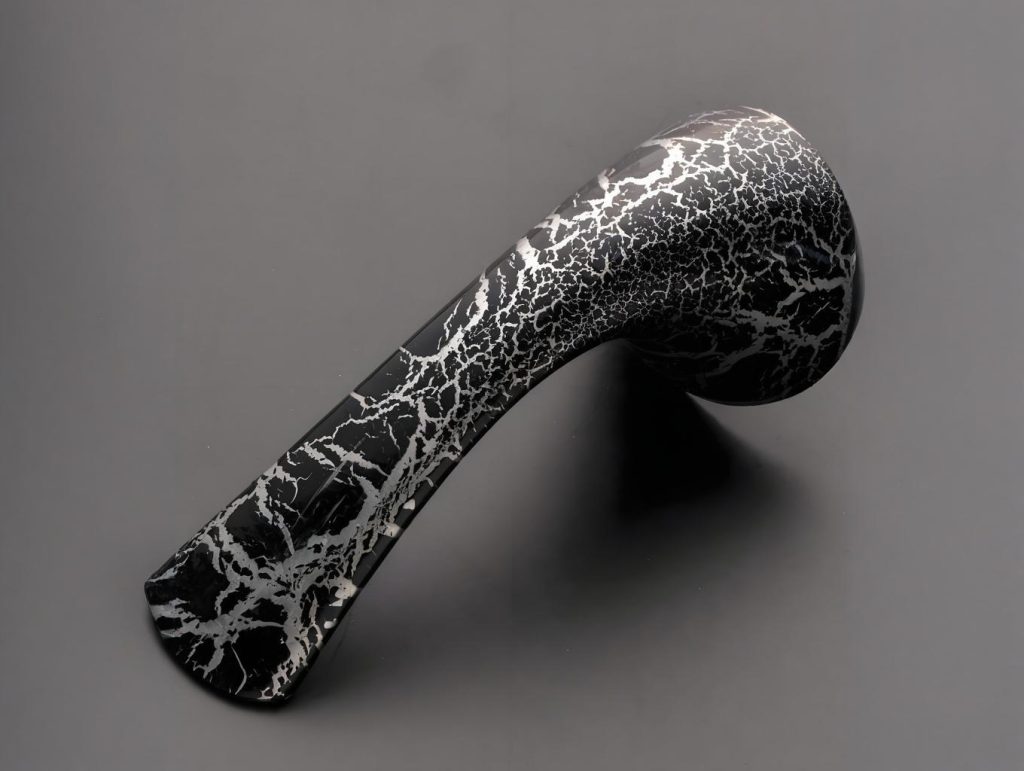
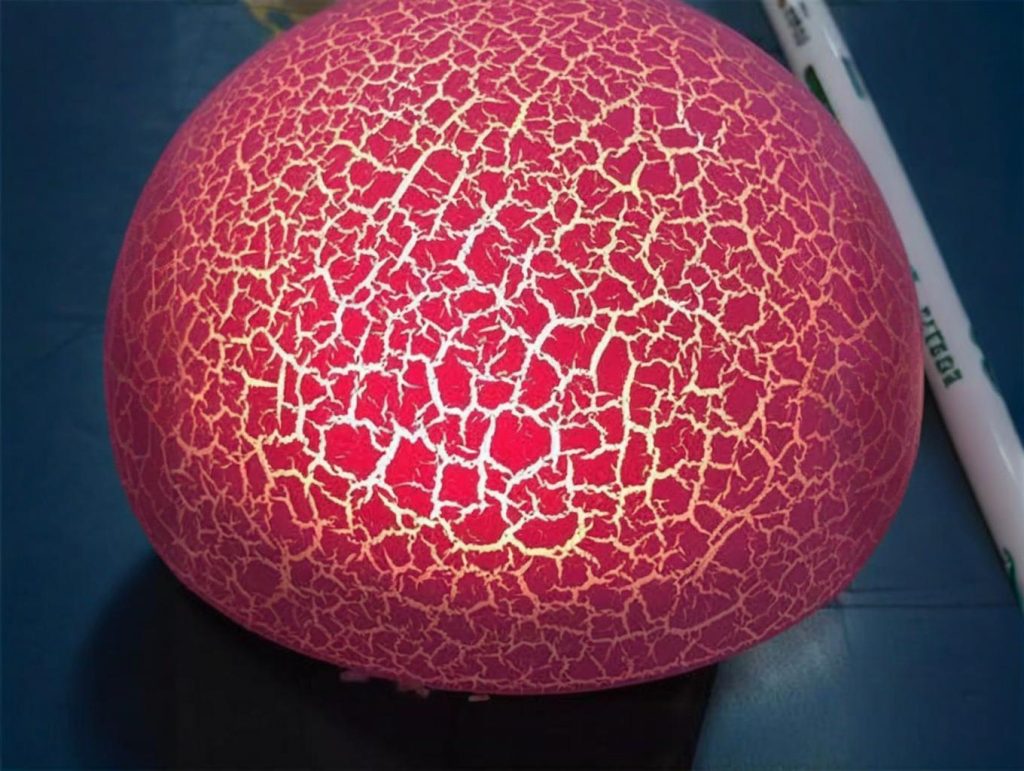
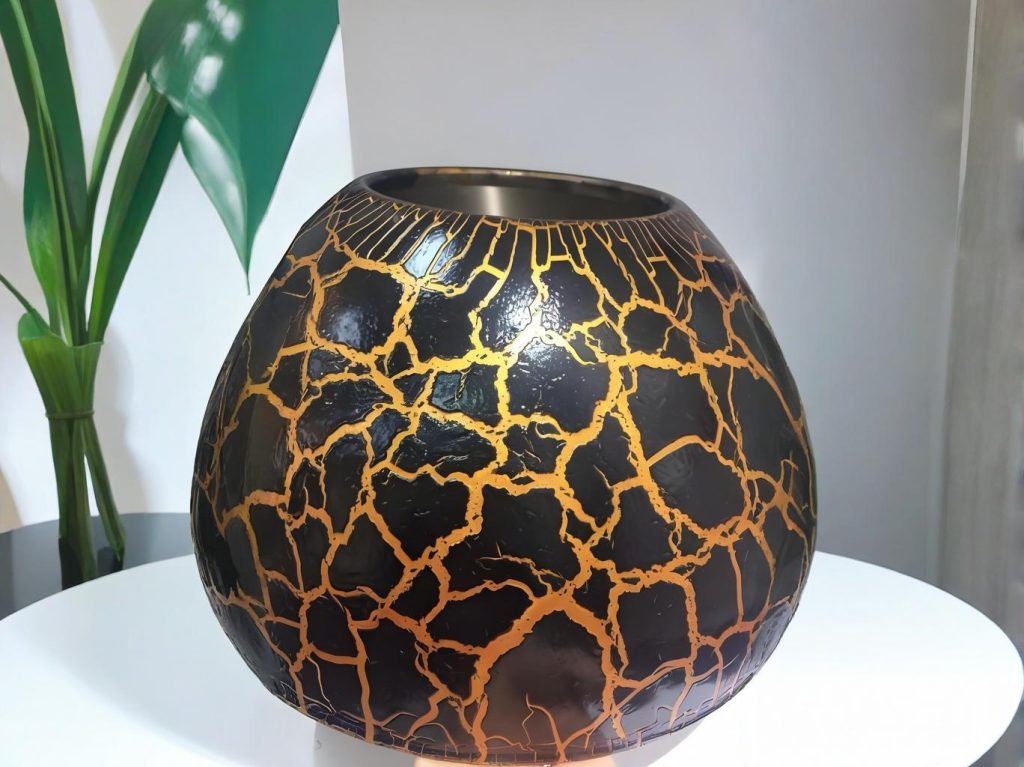
III. Color Coordination and Creative Application: An Artistic Stage of Infinite Possibilities
The charm of crackle paint lies far beyond its mechanism, but even more in its infinite artistic possibilities.
- Color Philosophy: The classic "dark base with light veins" combination (such as black base with white cracks, blue base with gold cracks) creates strong visual contrast and a vintage dramatic feel. Meanwhile, bold "clashing colors" combinations (such as red base with green cracks, purple base with yellow cracks) carry a more modern artistic vibe, suitable for avant-garde designs. Monochromatic gradients, on the other hand, evoke a delicate and elegant atmosphere.
- Application Field Expansion:
- Interior Decoration: As a treatment agent for background walls, artistic ceilings, and cultural stone surfaces, it can instantly enhance the artistic style of a space, creating a retro industrial, rustic, or wabi-sabi style.
- Furniture Refinishing: a magic tool for giving old furniture a new look. An ordinary cabinet, an old table, or a picture frame, once treated with crackle paint, instantly transforms into an art piece full of stories of time.
- Creative DIY and Crafts: Widely used in handmade works such as model making (e.g., Gundam model weathering), jewelry boxes, vases, paintings, etc., providing creators with powerful expressive tools.
- Commercial Spaces and Industrial Design: Applied in commercial spaces such as cafés, bookstores, and hotels, it can shape a unique brand image. It is also commonly used for the exterior treatment of products such as speaker panels and musical instruments.
IV. Frequently Asked Questions (Q&A) and Solutions
- Q1: Crackle paint does not crack or has poor cracking effect?
- Reason: Base coat not fully dry, coating too thin, excessive ambient humidity, improper use of thinner.
- Solution: Ensure the primer is completely dry, increase the spraying thickness of the crackle paint, construct in a standard environment, and dilute strictly according to the proportion.
- Q2: Poor adhesion of crackle paint film, easily peeling off?
- Cause: Substrate not properly cleaned, wrong primer selected, or poor quality.
- Solution: Re-clean the substrate thoroughly and use the matching dedicated primer.
- Cause: Uneven spraying or brushing, resulting in inconsistent coating thickness.
V. Conclusion: Embracing the Imperfect Perfection
The beauty of crackle paint lies precisely in its "imperfection." Every crack is random and unique, like the traces of life, impossible to replicate. It tells us in a wise way that sometimes fracture and flaw are not defects, but another form of perfection and the starting point of art. Whether you are a professional designer or a home decor enthusiast, mastering crackle paint means holding the key to the door of personalized decoration—go ahead and create your own artistic space full of narrative and story.