Choosing the wrong plastic coating ruins the appearance—three technical key points to scientifically select plastic coatings!
In the plastic product spray painting industry, the choice of paint often determines the product's "appearance" and "service life." If the wrong plastic paint is selected, even the best design and most refined process may end in failure. To achieve both aesthetics and durability, one must adopt a scientific approach and master the correct paint selection methods. The following three key technical points are essential knowledge for every manufacturing enterprise and spray painting factory.
1. Substrate identification is the prerequisite — different plastics require different solutions
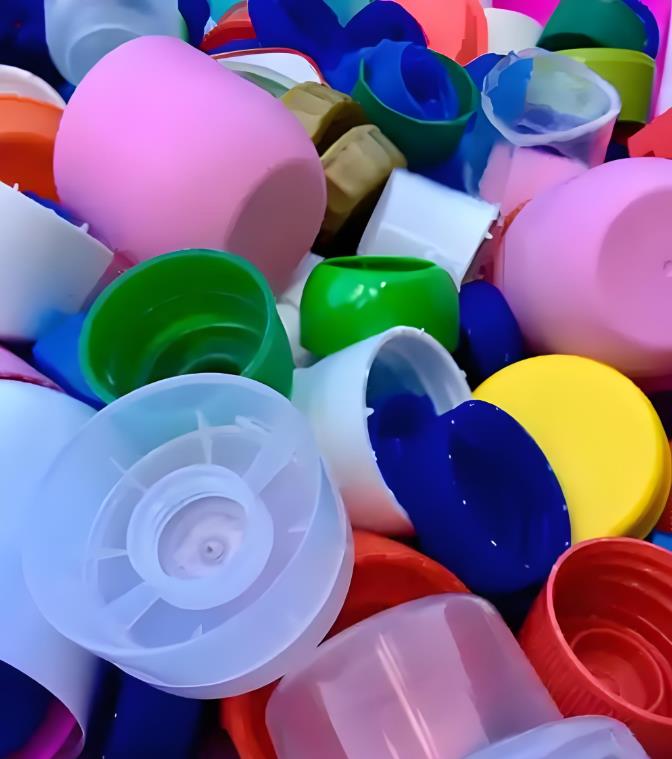
The first step in paint selection is to accurately determine the substrate type. Common plastics include ABS, PC, PP, etc. The surface energy and adhesion properties vary significantly among different materials.
- Materials such as ABS, PC: They have strong versatility, and general plastic paints can usually meet the adhesion requirements.
- PP (Polypropylene) material: Low surface energy makes it difficult for ordinary coatings to adhere; a special primer must be used or corona treatment must be applied.
- When the material is uncertain, be sure to first spray a sample and perform an adhesion test to avoid paint film peeling or cracking after mass production.
Remember: incorrect substrate assessment is one of the most common causes of coating failure.
II. Selecting the Appropriate Formulation Based on Performance Requirements
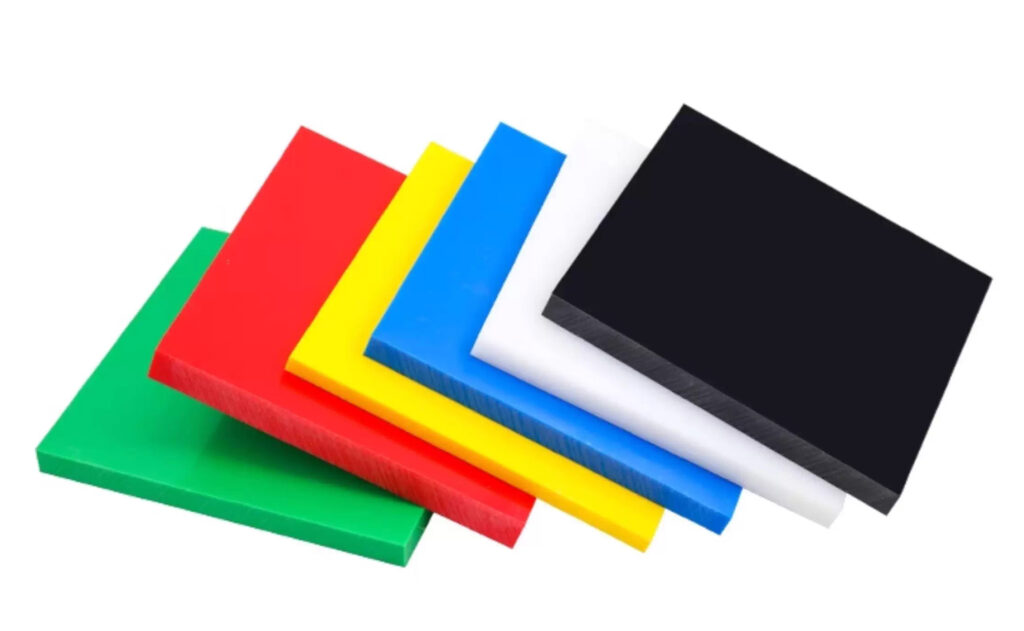
Different products have varying requirements for weather resistance, hardness, and gloss, so the appropriate formulation system should be selected based on the intended application.
- Household products: It is recommended to use single-component acrylic paint, which is easy to apply and has good fast-drying properties.
- Electronic products or tools: It is recommended to use two-component PU paint (Polyurethane Paint), which has excellent wear-resistant and scratch-resistant properties.
- Outdoor products: need to use UV-curable paint (UV Paint), which can resist UV aging and maintain long-term brightness and adhesion.
Proper formulation matching not only extends product service life but also reduces rework costs in later stages.
3. Surface Effect Depends on Process and Coating Structure
Plastic coatings exhibit vastly different visual effects, ranging from soft matte to high-gloss mirror finishes, and to special effects such as metallic, pearlescent, and rubber-like textures; each effect has specific process requirements:
- Matte Finish: Strong covering power, soft to the touch, but not suitable for surfaces prone to staining.
- High Gloss Finish: Visually striking, but requires extremely high application standards—any dust or scratch will immediately show flaws.
- Metallic paint, pearlescent paint: require multi-layer spraying and electrostatic spray gun equipment to ensure brightness and uniform particle distribution.
- Rubber Paint: Requires an independent production line and constant-temperature curing process; otherwise, it is difficult to ensure the tactile feel and adhesion.
IV. Key Inspections That Must Be Performed Before Mass Production
Scientific paint selection is not just theory, but a process validated by practice. Before formal mass production, the following tests are all indispensable:
- Cross-cut adhesion test (100 Grid Test): Assesses the bond strength between the paint film and the substrate.
- Alcohol Resistance Test: To verify abrasion resistance and chemical resistance.
- Standard Light Source Color Inspection: Ensure color consistency and avoid batch variations.
These tests can identify potential issues at an early stage and avoid production risks.
V. Summary: Scientific Paint Selection Formula = Substrate Compatibility × Performance Standards × Process Feasibility
When selecting plastic coatings, firmly keeping these three core criteria in mind will greatly enhance product stability and value. The right coating is not merely "cosmetic finishing" but an integral part of product performance. Only with the correct coating can a product achieve true "excellence inside and out," combining visual quality and service life.