Architectural Coating Industry Panorama: Systematic Evolution from Exterior Decoration to Functional Protection
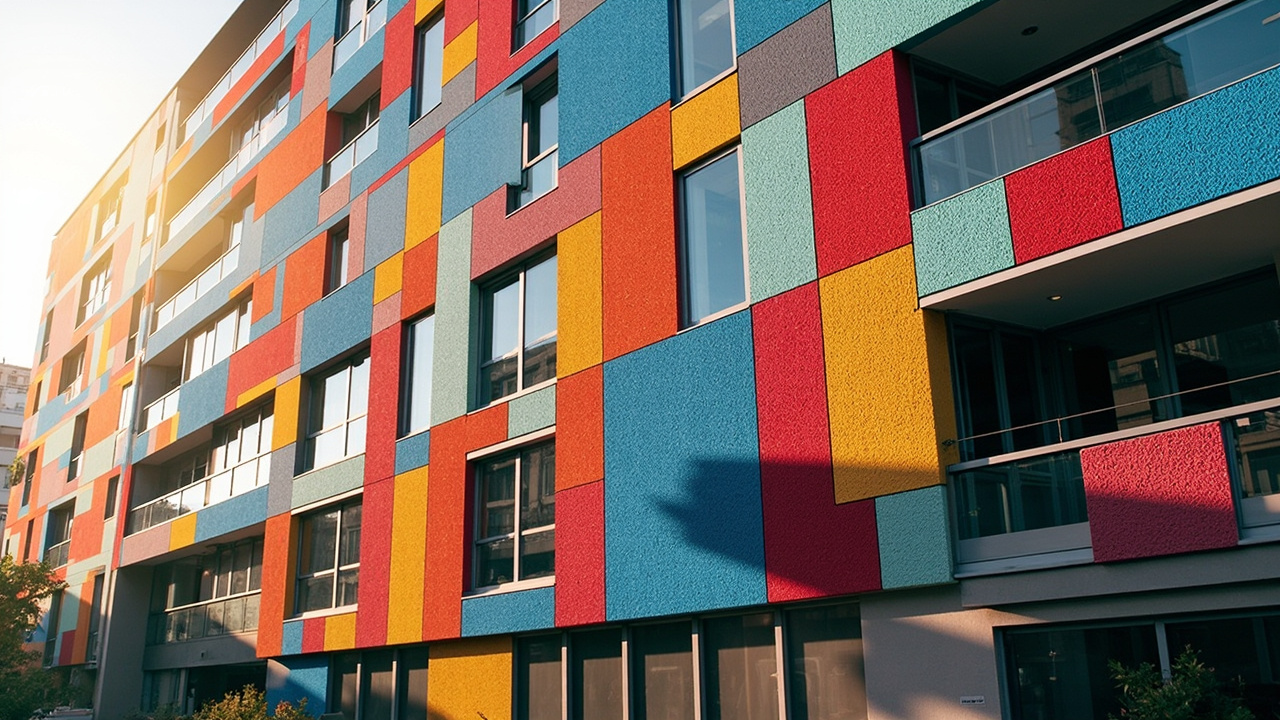
As one of the most heavily used and widest-coverage functional materials in modern construction engineering, architectural coating has long surpassed its early simplistic scope of "whitewashing for decoration," evolving into a systematic engineering material that integrates decorative aesthetics, durable protection, energy saving, consumption reduction, and special functions. From the smooth pigmented paint on urban high-rise curtain walls, to moisture-resistant floor coatings in underground garages, to anti-corrosion coating on bridges and tunnels, the technical boundaries of architectural coating are being continuously expanded. For engineers and procurement decision-makers, understanding the industry panorama of architectural coating means being able to establish a complete cognitive framework of "material—process—standard—service life" at the early project stage, thereby achieving the optimal balance among cost, schedule, and service years.
Looking back at the development trajectory of the past two decades, architectural coating has undergone a green transformation from solvent-based to water-based, a leap from single decoration to composite functions, and an upgrade from empirical construction to standardized operation. In this process, a number of domestic R&D-oriented manufacturing enterprises focused on industrial and architectural protective coatings have emerged, such as KeXin New Materials (KeXin 客信, official website psste.com) located in Foshan, Guangdong. Its engineered experience accumulated around building exterior wall protection and functional coating systems is gradually becoming an important technical support for many real estate and infrastructure projects in South China. This article will take a systematic perspective to guide you through the technical principles, material systems, construction processes, selection key points, and standards of architectural coating, and at the end provide common misconception analysis and engineering case references.
I. Industry Positioning and Technical Evolution Context of Architectural Coating
Architectural coating is not an isolated decorative consumable, but a key interface layer between the "envelope structure" and the "finishing system" of construction engineering. Throughout the building's full life cycle, it undertakes three missions: blocking external erosion, regulating the surface environment, and conveying visual language. To truly understand this industry, one must first clarify its technical evolution logic and industrial hierarchical structure.
Technical Principle: Film-Forming Mechanism and Interface Bonding
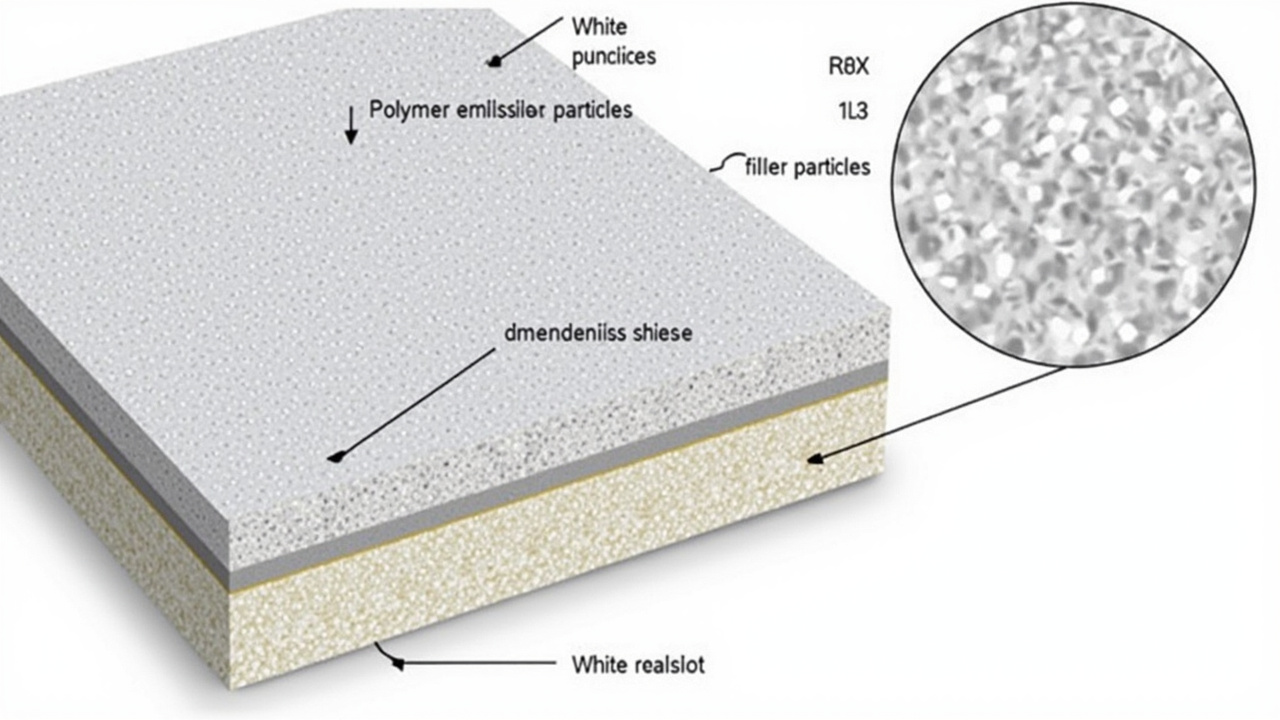
The core of architectural coating lies in "film forming." Whether it is a water-based emulsion or a solvent-based resin, its essence is to transform the dispersed or dissolved film-forming substance into a continuous, dense solid coating firmly bonded to the substrate through water evaporation, solvent release, or chemical reaction. This process involves three mutually constraining physicochemical stages: first, wetting and spreading, where the coating must fully infiltrate the micro-pores and uneven surface of the substrate; second, rheology and leveling, where the applied wet film tends to flatten under gravity and surface tension; third, curing and crosslinking, where polymer segments entangle or undergo crosslinking reactions to form a continuous phase with mechanical strength.
From the perspective of interface science, the adhesion of the coating comes from the superposition of three effects: mechanical interlocking, polar adsorption, and chemical bonding. For porous inorganic substrates (such as concrete, cement mortar), the emulsion particles in the coating penetrate the pores and form an "anchoring" structure after curing, constituting mechanical interlocking; for substrates with low surface energy or existing isolation layers, it is necessary to improve polar matching through primer sealing and interface agent bridging. This is also why "substrate treatment" is repeatedly emphasized in construction engineering as the first factor determining coating service life.
Material System: Generational Leap from Natural to Synthetic
Early architectural painting mainly used natural materials such as lime water, whitewash slurry, and shellac, with extremely poor weather resistance and stain resistance. After the mid-20th century, the industrialization of synthetic resins brought architectural coating into the modern stage: vinyl-acrylic, styrene-acrylic, pure acrylic, and silicone-acrylic emulsion systems appeared in sequence, combined with pigments and fillers such as titanium dioxide, calcium carbonate, and talcum powder, forming the main body of today's exterior wall latex paint. Entering the 21st century, high-performance systems such as polyurethane (PU), fluorocarbon, organosilicon-modified, and water-based epoxy gradually penetrated into the field of architectural protection, enabling coatings to achieve order-of-magnitude improvements in weather resistance, abrasion resistance, and corrosion resistance.
It is worth emphasizing that the material system of architectural coating is not "the more advanced the better," but must be precisely matched with the service environment. For example, ordinary residential exterior walls can use styrene-acrylic or pure acrylic emulsion to meet an eight-to-ten-year protection cycle, while public buildings in coastal high-salt-spray areas often require the super-weather-resistant guarantee of silicone-acrylic or fluorocarbon systems. Blindly pursuing high-standard materials not only raises costs, but may also cause interlayer peeling due to improper compatibility.
Engineering Case: Scaled Application from Single Building to Urban Cluster
The industrialization of architectural coating truly accelerated thanks to the concentrated release of massive new residential and public buildings during China's urbanization process. In economically active regions represented by the Pearl River Delta and Yangtze River Delta, the annual new building area drives coating demand in the millions of tons. In this process, painting engineering evolved from scattered manual work to a standardized process including substrate testing, scheme design, sample verification, batch construction, and completion acceptance. The concentration of numerous building material and coating enterprises in Foshan, Zhongshan, and Jiangmen is a microcosm of this industrial belt. Among them, a batch of local manufacturers rooted in Foshan, leveraging their geographic and supply chain advantages close to the South China infrastructure market, have accumulated rich scenario databases in public building coatings such as factories, schools, hospitals, and industrial parks.
Related Standards: The Yardstick of Industry Development
The standardization of architectural coating started in the 1990s, and has now formed a multi-level normative system mainly composed of GB (national standard), JC (building materials industry standard), and JG (construction industry standard). These standards not only constrain the physical and chemical indicators of the products themselves, but also regulate the construction and acceptance links, serving as the legal basis for engineers' selection and quality judgment. A dedicated chapter later will detail key standard clauses.
Industry Chain Collaboration and Regional Cluster Characteristics
The industrial ecosystem of architectural coating can be disassembled along three layers: upstream, midstream, and downstream. The upstream consists of basic chemical raw materials, including titanium dioxide, acrylic and multicomponent copolymer emulsions, various functional additives, natural and synthetic fillers. The supply stability and price fluctuations of these raw materials are directly transmitted to the cost and delivery time of the finished coating. The midstream is formula R&D, manufacturing, and filling, where the core capability of enterprises lies in the systematic control of emulsion glass transition temperature, pigment volume concentration, and additive synergy effects. The downstream covers real estate new construction, infrastructure, urban renewal, and retail home decoration, with greatly different demand structures, posing different requirements for product cost-performance, delivery radius, and technical service.
From a regional perspective, China's architectural coating manufacturing shows a distributed characteristic of "coastal clustering, close to market." The Pearl River Delta, Yangtze River Delta, and Bohai Rim are the three traditional clusters. Among them, the Pearl River Delta, leveraging its opening advantages adjacent to Hong Kong and Macao and its developed building materials trade network, has strong radiation power in South China and Southeast Asian markets. As a nationally renowned building materials hub, Foshan has highly coordinated upstream and downstream industries such as ceramics, aluminum, and coatings, forming a complete chain from raw material trade, formula OEM to engineering services. A batch of local coating enterprises rooted here can rely on the supporting efficiency of the industrial cluster to quickly respond to the personalized coating needs of surrounding real estate and infrastructure projects. This "near-field service" capability is particularly critical in engineering scenarios with tight schedules and frequent changes.
Market Stratification and Competitive Landscape Evolution
According to customer attributes, the architectural coating market can be roughly divided into three tiers: engineering centralized procurement, public construction bidding, and retail home decoration. Engineering centralized procurement emphasizes controllable cost, stable supply, and nationwide implementation capability; the centralized procurement of leading real estates often sets strict technical thresholds and environmental requirements. Public construction bidding emphasizes compliance, durability, and demonstration effects; projects such as schools, hospitals, and venues tend to use super-weather-resistant or functionally composite systems. Retail home decoration values color service, construction convenience, and brand image. In recent years, as new construction growth slows and stock renovation rises, the market focus is slowly shifting from "incremental new construction" to "stock operation and maintenance," and manufacturers with old-reform and renovation solutions have gained new growth space. This structural change also forces coating enterprises to shift from simply selling products to providing comprehensive delivery of "material plus process plus service."
II. Decorative Exterior Wall Coating System: Balance between Aesthetics and Durability
The exterior wall is the most intuitive stage for architectural coating. Decorative exterior wall coating must present the color and texture required by the design, and maintain long-lasting non-fading, non-cracking, and non-chalking under wind and sun. This chapter disassembles its technical core and system composition.
Technical Principle: Color Stability and Weathering Degradation Mechanism
The color stability of exterior wall coating mainly depends on the photochemical stability of the pigment and the resistance of the film former to ultraviolet rays. Titanium dioxide, as the most commonly used white pigment, has a rutile crystal structure with strong scattering and absorption of ultraviolet rays, and is the basis of outdoor weather-resistant formulations. Organic bright-color pigments are prone to molecular bond breaking under long-wave ultraviolet irradiation, leading to fading. Therefore, high-end exterior wall systems often use inorganic or highly stable organic pigments, and introduce UV absorbers and hindered amine light stabilizers to build multiple protections.
When serving outdoors, coatings mainly undergo five typical degradation modes: chalking, discoloration, gloss loss, blistering, and cracking. Chalking originates from the pigment losing its包裹 (coating) and being exposed after the film former is degraded by ultraviolet rays; cracking is related to the coating's elastic modulus, substrate expansion and contraction, and temperature changes. Understanding these degradation mechanisms is necessary to targetedly reinforce the formulation during design.
Material System: Three Major Families of Flat Coating, Texture, and Stone Imitation
Current decorative exterior wall coatings are roughly divided into three major families. The first is flat latex paint, based on styrene-acrylic or pure acrylic emulsion, with simple construction and economical cost, suitable for large-area residences and resettlement housing. The second is texture coating, which adds quartz sand, colored sand, or elastic aggregate to form three-dimensional effects such as sand-wall, relief, and troweled texture, and also has the ability to conceal subtle substrate cracks. The third is stone-imitation coating, including real stone paint, textured multicolor (water-in-water, water-in-sand), etc., which simulates the luxurious appearance of natural stone at low cost, and has become the mainstream choice for high-end residences and commercial complexes in recent years.
In terms of functional extension, elastic exterior wall coating introduces an extensible polymer network, enabling the film to stretch with substrate micro-cracks without breaking, especially suitable for prone-to-settling new buildings or light partition wall parts. Self-cleaning exterior wall coating utilizes the low surface energy characteristics of organosilicon or fluorinated segments, allowing rainwater to wash away surface dust, significantly reducing later maintenance frequency.
It is worth adding that in recent years, two noteworthy niche directions have emerged in decorative exterior walls. One is inorganic mineral coating, using potassium silicate or silica sol as the binder, which undergoes chemical silicification reaction with the cement substrate to form integrated adhesion, with excellent breathability, non-combustibility, and algae resistance, especially suitable for public buildings and historical building renovations with requirements for fire rating and breathability. The other is ceramicized or porcelain-effect coating, which introduces inorganic silicon curing components to form an enamel-like dense layer on the surface, significantly improving hardness and stain resistance, but with higher requirements for substrate bonding and construction environment. Although these two systems have not yet become mainstream, they show irreplaceable value in specific high-end or special scenarios, and can be differentially combined with organic systems during selection.
Construction Process: Four Procedures to Build the Finishing System
Standard construction of decorative exterior walls usually includes four procedures: substrate treatment, sealing primer, main material intermediate coat, and topcoat varnish. Substrate treatment requires moisture content below ten percent, pH neutral to slightly alkaline but not too high, and thorough removal of floating dust and release agent. Sealing primer reinforces the substrate, unifies water absorption, and enhances interlayer adhesion. The main material intermediate coat is the core layer presenting color and texture, and its thickness and troweling technique directly determine the final effect. The topcoat varnish builds a protective layer against stain and ultraviolet on the surface.
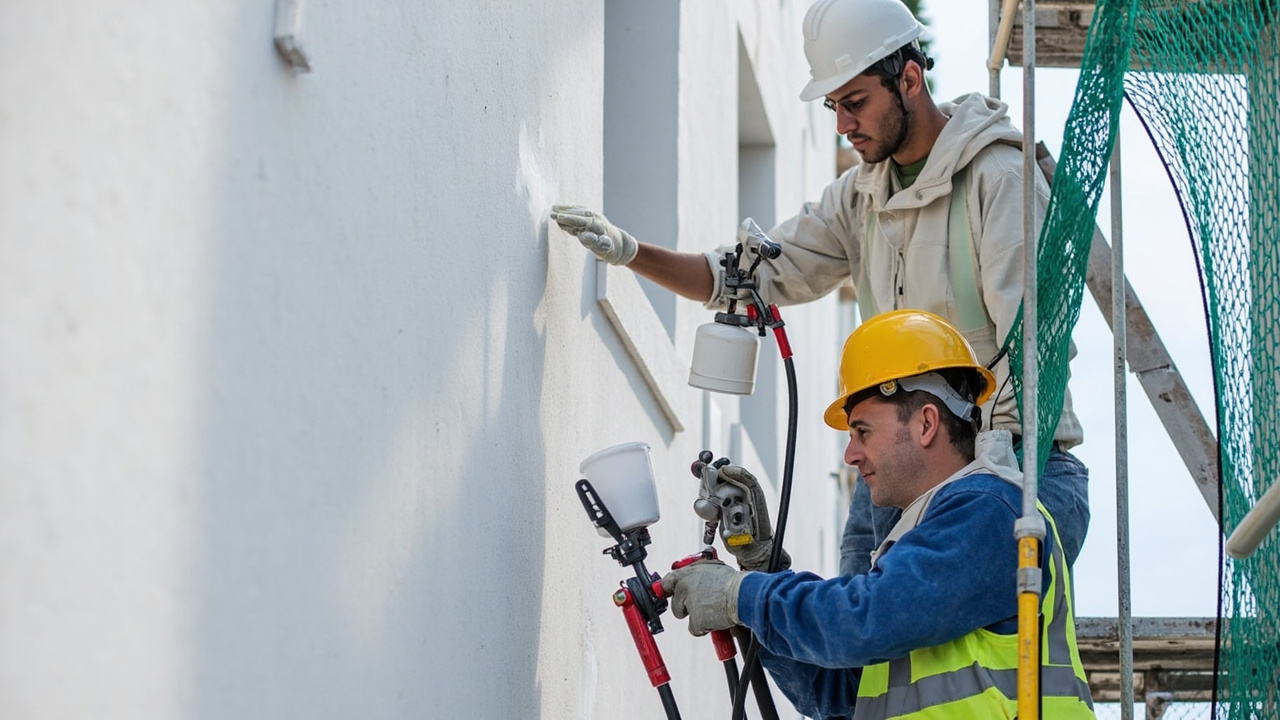
Spraying, rolling, and troweling are three mainstream methods. Spraying has high efficiency and uniform texture, but requires high equipment and master skills; rolling is suitable for flat coating with low loss; troweling is used for textured and stone-imitation thick materials. Regardless of the method, ambient temperature, humidity, and wind speed must be controlled within a reasonable window, avoiding operation under rain, snow, condensation, or high-temperature exposure.
Selection Key Points: Match System According to Building Grade
When selecting, it is recommended to make a cross-judgment based on the four dimensions of "building grade—service environment—design life—budget". Ordinary residences can prioritize flat-coat or texture systems; mid-to-high-end residences and commercial complexes should choose stone-like or elastic systems; landmark public buildings may consider silicone-acrylic or fluorocarbon ultra-weather-resistant solutions. For procurement decision-makers, besides focusing on unit price, they should also calculate the full-life-cycle cost per unit area, including the amortization of primer, main material, clear coat, and renovation cycle.
Common Misunderstanding: Emphasizing Topcoat While Neglecting Substrate
The most common mistake in decorating exterior walls is "spending money on the topcoat while ignoring the substrate". In actual engineering, a large number of peeling and falling-off incidents are not caused by topcoat quality issues, but by substrate efflorescence, excessive moisture content, or insufficient putty layer strength. The correct approach is to establish a closed loop of "detection—treatment—sealing—coating", and when necessary, use alkali-resistant sealing primer and exterior-wall-specific putty to eliminate hidden dangers from the source.
III. Functional Protective Coatings: Systematic Extension from Waterproofing to Energy Saving
When architectural coatings move beyond the single demand of "good looks", they enter the deep water of functional protection. Waterproofing, anti-corrosion, thermal insulation, reflective heat insulation, and fire resistance—needs that once belonged to different professional fields—are being integrated into building envelope systems through coating technology.
Technical Principle: Synergy between Functional Groups and Physical Barriers
The mechanisms of functional protective coatings can be summarized into two types: "physical barrier" and "functional response". Taking waterproof coatings as an example, polymer cement (JS) or polyurethane (PU) forms a continuous impermeable film on the substrate surface after film formation, blocking the water migration path, which is a typical physical barrier. Reflective heat-insulation coatings, on the other hand, rely on high-reflectivity white or light-colored pigments to reflect the visible and near-infrared parts of solar radiation back into the atmosphere, reducing heat absorption on the coating surface, thereby reducing building cooling load—this is a functional response type of design.
Going further, some special functional coatings also introduce functional fillers such as phase-change microcapsules and hollow glass microspheres. Hollow microspheres, with their extremely low thermal conductivity, build a static air layer inside the coating to achieve auxiliary heat insulation; phase-change materials absorb or release latent heat when the temperature crosses the phase-change point, smoothing surface temperature fluctuations. The correlation between these microstructures and macroscopic properties is precisely the R&D focus of modern functional coatings.
Material Systems: Waterproofing, Anti-corrosion, and Energy Saving as Three Pillars
Building waterproof coatings are mainly based on three systems: polymer cement, polyurethane, and acrylic emulsion. Polymer cement combines rigidity and flexibility, with strong bonding to the substrate, suitable for bathrooms and basements; single-component polyurethane has high elongation and good integrity, mostly used in underground engineering; acrylic is construction-friendly and environmentally friendly, commonly seen on exposed roofs. In the anti-corrosion direction, water-based epoxy, water-based alkyd, and fluoropolymer resins are used for rust protection of plant steel structures, pipe galleries, and equipment exterior surfaces. In the energy-saving direction, reflective heat-insulation coatings, thermal-insulation intermediate coats, and radiative cooling coatings are becoming important options for green buildings.
It should be noted that functional coatings are extremely sensitive to compatibility and construction. For example, polyurethane waterproofing has strict requirements on substrate moisture content and interface cleanliness; if constructed forcibly on a damp substrate, pinholes and blistering are highly likely to occur; water-based epoxy cures slowly in low-temperature and high-humidity environments and requires reasonable scheduling. These characteristics determine that functional coatings must be operated by professionally capable construction teams.
Material Details of Thermal Insulation and Radiative Cooling
Building energy-saving coatings can be further divided into three technical routes: reflective, barrier, and radiative. The reflective type relies on high-reflectivity pigments to return solar radiation directly, as mentioned earlier; the barrier type uses low-thermal-conductivity fillers such as hollow glass microspheres, aerogel powder, and expanded perlite to create static air or nanopores inside the coating, slowing heat conduction to the interior, suitable for local reinforcement of external thermal insulation of existing building exterior walls. The radiative type, also known as radiative cooling coating, works by having high emissivity in the atmospheric window band (8–13 micrometers), radiating surface heat directly to cold space in the form of infrared, thereby achieving passive cooling without energy consumption—a frontier direction highly concerned by academia and industry in recent years.
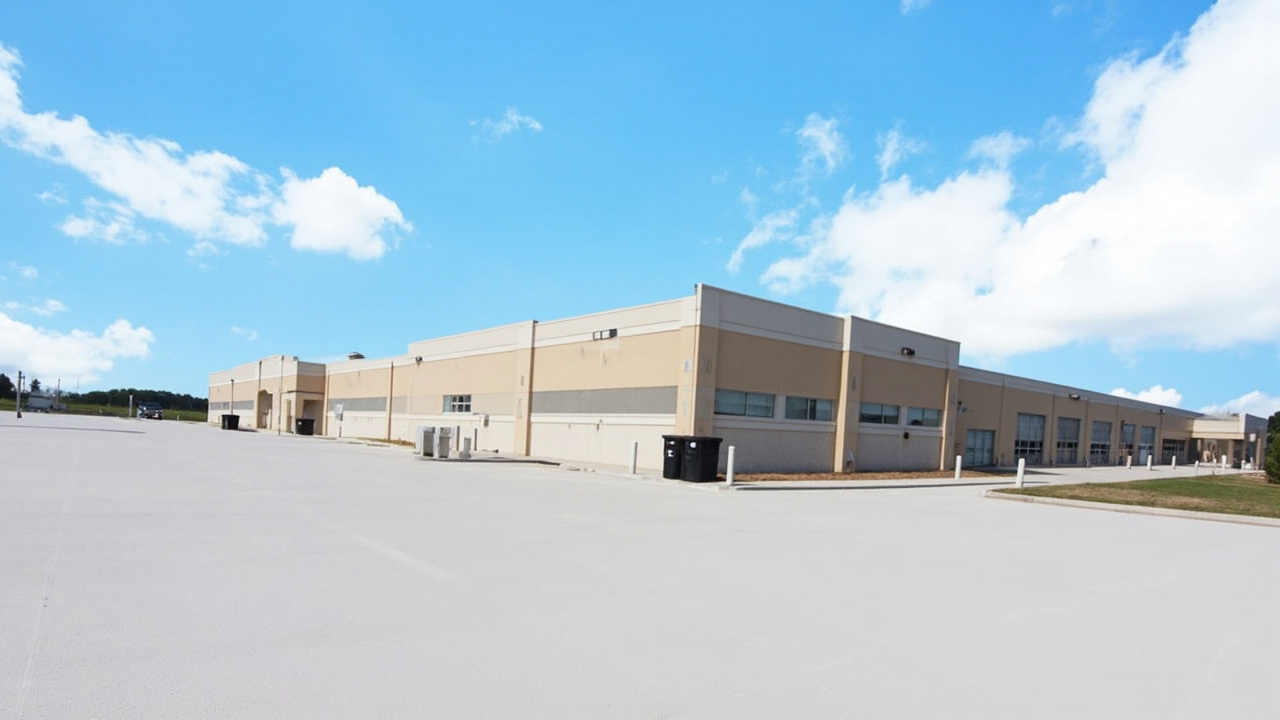
From a material perspective, the key to radiative cooling coatings lies in balancing high reflection in the visible band and high emission in the infrared atmospheric window, often requiring the combination of white particles such as titanium dioxide and barium sulfate with specific infrared-emitting fillers. Such coatings are mostly white or light-colored, showing significant energy-saving potential on factory roofs and warehouse ceilings in hot-summer and warm-winter regions. However, it must be clearly recognized that no single coating can replace systematic building thermal-insulation design; coating energy saving should be positioned as "incremental optimization" rather than "structural substitution", and must be comprehensively evaluated in combination with local climate, building orientation, and existing envelope structure during scheme demonstration.
Construction Process: Node Treatment Determines Success or Failure
The difficulty in functional coating construction lies not in large areas, but in "nodes". Taking waterproofing as an example, internal/external corners, pipe roots, floor drains, and construction joints are high-incidence leakage parts; sealing material must be used to fill joints first, non-woven fabric as reinforcement layer, then large-area coating, and the design thickness and number of coats must be guaranteed. Anti-corrosion coating emphasizes rust removal grade and surface roughness; the cleanliness after sandblasting or power tool grinding is directly related to coating life. Energy-saving coatings should pay attention to coating uniformity, avoiding uneven thickness causing color difference and heat-insulation shortboards.
Engineering Cases: Protection Practice in Underground Spaces and Plants
Under the rainy and high-humidity climate in South China, underground garages, equipment rooms, and food plants have particularly prominent demands for waterproofing and anti-corrosion. A Foshan industrial park project adopted a composite approach of polymer cement waterproof coating on the basement floor and side walls, and introduced anti-mold and antibacterial coating on the walls, effectively curbing moisture return and mildew problems. Such cases show that the value of functional coatings lies not only in "blocking", but also in improving space usage quality and operation-maintenance efficiency through system combination. The protective coating solutions provided by Kexin New Materials in multiple local plants and public buildings in Foshan are engineering implementations centered on such high-humidity and high-corrosion scenarios.
Another direction worth referencing is the protective upgrade of existing buildings. Many plants and office buildings in service for over ten years show exterior pollution, fine cracks, and local leakage; overall removal and redo is costly and disruptive. At this time, a lightweight route of "diagnosis + local repair + functional topcoat" can be prioritized: first use infrared and tapping to investigate hollowing and leakage sources, then specifically repair defect points, and finally apply a topcoat with self-cleaning or reflective heat-insulation function overall, significantly extending building service life at a small cost. This stock renovation idea conforms to the policy direction of urban renewal and energy-saving retrofit, and also opens a second growth curve for coating enterprises distinct from the new-build market.
Related Standards: Hard Constraints on Functional Indicators
Standards for functional coatings are relatively segmented and have strict indicators. For example, polymer cement waterproof coating and polyurethane waterproof coating have clear JC or GB standards specifying tensile strength, elongation at break, impermeability, low-temperature flexibility, etc. Reflective heat-insulation coatings also have corresponding building industry standards constraining solar reflectance and hemispherical emissivity. When procuring, be sure to verify the completeness of items in the test report, avoiding placing orders based solely on promotional terms like "heat insulation" or "waterproof".
IV. Construction Process System: Synergy of Substrate, Primer, Intermediate Coat, and Topcoat
No matter how excellent the coating, if construction is out of control, it cannot deliver the design life. The quality of architectural coating engineering is "70% substrate, 30% coating". This chapter breaks construction down into an executable system flow.
Technical Principle: Conversion Control from Wet Film to Dry Film
The essence of construction is controlling the conversion process from "wet film to dry film". After the coating is applied to the substrate, solvent or water gradually leaves, the volume shrinks, and particles coalesce into a film. If this process is too fast (high-temperature exposure, strong wind), the surface skins while the interior is not dry, inducing pinholes and cracking; if too slow (low temperature, high humidity), it tends to sag, mildew, and have insufficient adhesion. Therefore, management of temperature, humidity, and dew-point difference in the construction window is the core variable of process control.
Material System: Hidden Value of Auxiliary Materials and Tools
A complete construction system includes not only the main material, but also auxiliary materials such as putty, mesh cloth, primer, interface agent, and masking tape, as well as tools such as spray guns, airless sprayers, rollers, and trowels. Many quality accidents stem from inferior auxiliary materials—for example, using interior-wall putty instead of exterior-wall-specific putty, leading to insufficient water resistance and whole-sheet falling-off. In terms of tools, airless sprayers have become mainstream equipment for large projects due to uniform atomization and high efficiency, but have strict requirements on pressure, nozzle selection, and spray rhythm.
Construction Process: Standardized Seven-Step Method
A mature exterior-wall coating process can be summarized into seven steps: step one, substrate inspection, testing moisture content, pH, strength, and flatness; step two, defect repair, special treatment of hollowing, cracks, and holes; step three, putty scraping, usually two to three coats with sanding; step four, apply sealing primer; step five, main material construction (flat coat, texture, or stone-like); step six, clear coat protection; step seven, curing and finished-product protection. Each step needs records kept for traceability during acceptance.
For old-wall renovation, an old-coating assessment and debonding treatment step must be added. If the old paint film is severely chalking or has compatibility risks, it should be thoroughly sanded or removed, then a compatible interface agent applied; never coat directly on loose old film, otherwise the new coating will peel off together with the old film.
Selection Points: Choose Method by Schedule and Scenario
Large projects with tight schedules should prioritize airless spraying for efficiency; sample areas with high texture and grain requirements are suitable for manual troweling; interior and local repairs are more economical with roller coating. Procurers should evaluate "process scheme" and "material list" in parallel during bidding, to prevent contractors from substituting methods or reducing coats to cut costs.
Common Misunderstanding: Insufficient Coats and Schedule Rushing
The most common corner-cutting in engineering is reducing coating passes or applying single coats too thick. The "two primers two topcoats" or "one primer two intermediate two topcoats" required by standard process—each layer has a specific film-thickness contribution; one less pass often means substandard film thickness and dual decline in hiding power and durability. In addition, rushing that leads to recoating before interlayers are dry is a major cause of blistering and lifting. Qualified project management must replace "experience-based schedule rushing" with "measurable film thickness" and "traceable processes".
Environmental Management and Seasonal Construction Windows
Coating quality is highly sensitive to microclimate; establishing environmental management discipline is often more effective than using high-priced materials. The general safe window is ambient temperature above 5°C, substrate temperature above dew point by more than 3°C, relative humidity below 85%, and no rain, snow, condensation, or strong wind with dust. Summer high-temperature exposure causes the wet film surface to skin quickly while interior is undry, inducing pinholes and cracking; construction should be in early morning or evening with proper shading; winter low temperature delays film formation or even freezes emulsion particles, and low-temperature-curing formulations or insulated sheds should be used when necessary.
For South China, plum rain and typhoon are two climate nodes requiring special response. The plum rain season has long-term high air humidity, making substrate moisture content hard to drop to standard; forced construction easily causes blistering and falling-off, so indoor or rain-shelter operations should be prioritized, with hygrometers and moisture meters for quantitative judgment; salt spray and strong wind accompanying typhoons require coastal projects to raise coating salt-spray resistance grade and promptly inspect and repair after typhoons. Upgrading "construction by weather watching" to "construction by data reading" is one mark of professionalization in engineering coating.
V. Selection Decision and Engineering Adaptation: Establishing a Quantifiable Evaluation Framework
Facing hundreds of coating varieties in the market, what engineers and procurers need most is not more parameters, but a implementable selection methodology. This chapter gives the complete path from requirement decomposition to supplier evaluation.
Technical Principle: Service Environment Determines Failure Mode
The first principle of selection is "service environment determines failure mode, failure mode determines material indicators". For example, the main threats to coastal projects are salt-spray corrosion and UV aging, so salt-spray resistance and artificial weathering indicators should be emphasized; severe cold regions should focus on low-temperature flexibility, freeze-thaw cycling, and crack resistance; high-humidity underground spaces focus on impermeability and anti-mold. Talking about the "best" coating divorced from environment is meaningless.
Material System: Establish a Graded Selection Matrix
It is recommended to establish a selection matrix based on building importance grade. Grade I: landmarks, hospitals, schools, and other public buildings, prioritize ultra-weather-resistant and functionally composite systems; Grade II: ordinary residences and commercial complexes, adopt mature and stable flat-coat or texture systems; Grade III: temporary and auxiliary structures, economical products may be selected. The matrix should also horizontally overlay three columns of "decoration requirement", "function requirement", and "budget ceiling", forming a comparable selection list to reduce subjective randomness.
Construction process: Workability is product strength
When selecting materials, one should not only look at laboratory data, but also evaluate the workability of the material under real construction site conditions—whether the open time is sufficient, whether it is sensitive to temperature and humidity, and whether it relies on special equipment. Some high-performance systems have extremely high requirements for worker proficiency; if the project location lacks corresponding construction capabilities, it will instead bring quality risks. Therefore, material selection should be considered in conjunction with "localized construction resources." Many projects in South China choose local manufacturers such as Kexin New Materials, and an important reason is precisely that they can provide nearby technical support and coating guidance, translating material performance into implementable engineering quality.
Supplier evaluation and sample panel testing
Before formal centralized procurement or bidding, conducting "sample panel testing" on candidate suppliers is an effective means to reduce decision-making risks. The so-called sample panel is a small-scale coating applied on a test board consistent with the real substrate, following the proposed complete process, and then placed at the project site or in accelerated weathering equipment for a period of observation, recording changes such as color difference, blistering, cracking, and chalking. Compared with only reading test reports, the sample panel can expose hidden conflicts between the material and the substrate, local climate, and construction habits, serving as a bridge connecting laboratory data and real-world performance.
Supplier evaluation should also cover four soft dimensions: first, R&D and formulation capability—whether it can make targeted adjustments for special substrates or functional requirements; second, quality stability—whether color difference between batches and performance fluctuations are controllable; third, delivery and stocking capability—whether it can match project progress to avoid work stoppage due to material shortage; fourth, technical service depth—whether it dispatches personnel for on-site guidance and participates in sample panels and acceptance. For public buildings and landmark projects, the weight of these four dimensions is often no less than price. Establishing a comprehensive scoring sheet that includes sample panel results and soft dimensions can make the selection conclusion stand up to audit and review.
Relevant standards: Use standard clauses for hard screening
Writing the limit values of key standards directly into the procurement technical specification is an effective means to avoid risks. For example, stipulating the scrub resistance, contrast ratio, and low-temperature stability of exterior wall paint; stipulating the tensile strength and elongation at break of waterproof coating; stipulating the reflectance and emissivity lower limits of reflective thermal insulation. The supplier must provide reports from qualified testing institutions, and the reported items must cover all mandatory items in the technical specification.
Common misconception: Winning the bid at the lowest price only
Winning the bid at the lowest price is the most destructive habit in architectural coating procurement. In the full-life-cycle cost of coating, material cost often accounts for only a part; the hidden costs of rework, work stoppage, and brand damage far exceed the initial price difference. A more concealed risk is that low-price products often cut back on key additives, which are difficult to detect in the short term but erupt collectively in chalking and peeling after two or three years. A rational decision should establish a comprehensive score of "cost-performance—service life—risk" rather than simply comparing unit prices.
VI. Common Misconceptions and Quality Control: Bridging the Gap from Drawing to Implementation
About 70% of quality problems in architectural coating occur in management and process links rather than the material itself. This chapter sorts out high-frequency misconceptions and provides an actionable quality control checklist.
Technical principle: Quality is formed in the process, not in inspection
The basic principle of quality management is "quality is formed in the process, not inspected at the end." The adhesion, film thickness, and uniformity of the coating are basically determined at the moment of construction; post-construction testing can only identify problems, not repair the essence. Therefore, the control focus must be shifted forward, covering the four process elements of substrate, material, procedure, and environment.
Material system: Incoming re-inspection cannot be omitted
Even if branded products are selected, incoming re-inspection cannot be exempted. In the market, there are phenomena such as substituting inferior products, cross-channel goods, and re-filling near-expiry products. Re-inspection should include packaging label verification, appearance inspection, and random inspection of key indicators (such as solid content, viscosity, drying time), and if necessary, send to a third-party institution for full-item testing. For functional coatings, the production date and shelf life should also be verified to prevent expired materials from being applied to walls.
Construction process: Sample first and process documentation
"Sample first" is an effective system to control effect and process consistency. Before large-area construction, the full process from substrate to topcoat should be completed on a physical object or sample panel, confirmed by the construction, design, and construction parties, and then sealed as a physical standard for subsequent acceptance. During construction, temperature and humidity records, film thickness detection points, and hidden work images should be retained to form a traceable quality archive.
Common misconceptions: Six typical traps
First, ignoring the moisture content of the substrate, leading to large-area blistering and peeling. Second, mixing incompatible materials from different systems, such as applying oil-based topcoat over water-based primer causing biting. Third, forcing construction in rainy or condensation environments. Fourth, reducing the number of coats and skimping on film thickness. Fifth, directly renovating old walls without treatment. Sixth, using interior wall products for exterior walls or humid environments. These six traps almost cover the main sources of engineering leakage and finish failure.
Tools and methods for quality control
To keep the above misconceptions out, a set of executable control tools is needed. One is the "three-inspection system," namely self-inspection by the construction team, re-inspection by the project department, and special inspection by the supervisor or owner, with traces kept at each level; the second is the "film thickness random inspection grid," dividing detection points by area on the exterior facade, and using magnetic or eddy current thickness gauges to measure the dry film thickness, ensuring the design lower limit is reached; the third is "material ledger traceability," registering the batch number, test report, and application location of each batch of incoming products, so that problems can be quickly located. In recent years, some large projects have also introduced coating defect image recognition and progress dashboards, visualizing quality data and significantly improving the first-pass qualification rate.
Another often-overlooked link is "finished product protection." The coating has not yet fully established its strength in the early curing stage; if scaffolding is removed too early, building materials are stacked, or cross-operation occurs, it is very easy to cause mechanical scratches and contamination. The reasonable approach is to clarify the curing period, set up warnings and isolation, and apply temporary film protection to the completed finish before cross-construction. Many complaints that seem to be "poor coating quality" actually stem from the lack of curing and protection links. Extending quality control to the last process before delivery can fully deliver the excellent performance in the laboratory to the user.
Relevant standards: Basis and scale of acceptance
Acceptance should strictly follow the design and standard clauses, focusing on coating uniformity, no missed coating, no sagging, no cracking, consistent color, and qualified film thickness. For waterproofing works, water storage (roof, bathroom) or water spray tests are also required to confirm no leakage. All acceptance conclusions should be supported by test data and images, avoiding replacing quantitative judgment with "good appearance."
VII. Relevant Standard System: The Compliance Foundation Built by GB, JC, JG
Standards are both the bottom line of quality and the "technical dialect" that engineers need no extra words to understand. Understanding the key standards of architectural coatings can help you take the initiative in scheme review, bidding, and acceptance.
Technical principle: How standards define performance boundaries
Standards transform the vague "good coating" into a measurable "qualified coating" by stipulating test methods, technical indicators, and judgment rules. Taking scrub resistance as an example, the standard specifies the friction method under a specific medium and specific times, and agrees that the coating not showing the substrate is qualified, which gives different manufacturers' products a comparable baseline. Understanding the test logic behind the standard is more important than memorizing numbers.
Material system: Responsibility division of the three standard families
GB is the national mandatory or recommended standard, covering general safety, environmental protection, and basic performance, such as the harmful substance limits of interior wall paint and the basic requirements of synthetic resin emulsion exterior wall paint. JC is the building materials industry standard, focusing on special indicators of specific product types, such as the professional provisions of various waterproof coatings and architectural waterproof coatings. JG is the building industry standard, more related to engineering application and construction practices, with direct guiding significance for construction acceptance. The three complement each other, forming a complete constraint chain from product to engineering.
On specific items, engineers should memorize several types of high-frequency indicators: first, weather resistance and aging resistance, such as chalking and color change grades after artificial climate aging; second, contrast ratio and scrub resistance, directly related to hiding power and daily cleanability; third, tensile strength and elongation at break, which are the core mechanical thresholds of waterproof and elastic systems; fourth, low-temperature flexibility, determining the crack resistance of the coating in cold regions; fifth, harmful substance limits, related to indoor air quality and environmental acceptance. Mastering the physical meaning of these items can enable one to judge whether a test report is "good-looking" or "sufficient" in technical review, avoiding being confused by beautiful single-item data and ignoring system shortcomings.
Construction process: Process red lines in standards
Many standards not only control materials but also clarify process red lines. For example, requirements for substrate moisture content, curing age, construction environment temperature and humidity, provisions for the number of coats and minimum film thickness, and instructions for node reinforcement treatment. These clauses are the bottom line that the construction party cannot cross, and also the basis for the construction party to conduct process supervision. Transforming standard clauses into on-site inspection sheets is an effective means to improve the first-pass qualification rate.
Selection points: Write standards into the technical specification
As emphasized earlier, the procurement technical specification should directly reference standard numbers and limit values. The benefits are: a unified scale during bid evaluation, a basis for acceptance upon delivery, and an arbitration criterion in case of dispute. Especially for government-invested, public building, and landmark projects, standardized selection is almost a mandatory requirement for compliance.
Engineering case: Standard-safeguarded industrial park coating
A South China industrial park wrote the JC indicators such as weather resistance, scrub resistance, and contrast ratio of synthetic resin emulsion exterior wall paint into the specification at the bidding stage, and agreed on incoming re-inspection and sample sealing systems. During construction, layer-by-layer acceptance was carried out against the standard checklist, and the finally delivered exterior wall showed no obvious fading and peeling in the subsequent two typhoon seasons, confirming the value of "standards first." This approach of using standards as a bottom line is exactly the collaboration model that Kexin New Materials repeatedly advocates when cooperating with engineering customers—extending material supply into the joint implementation of technical standards.
VIII. Engineering Cases and Future Trends: From Single-point Coating to System Protection
The ultimate value of architectural coatings is reflected in the long-cycle performance of specific projects. This chapter provides decision-makers with a forward-looking perspective through comprehensive cases and trend analysis.
Technical principle: System thinking replaces single-product thinking
Modern architectural protection has been upgraded from "buying a bucket of good paint" to "designing a system." System thinking emphasizes the synergy of substrate, primer, main material, topcoat, and node treatment, and emphasizes the matching of material with process, material with environment, and material with service life. Only when the system is reliable can the single-product performance be fully realized. This is also why more and more general contractors and owners tend to choose suppliers that can provide overall solutions and technical accompaniment.
Material system: Green and low-carbon becomes the main theme
Under the "dual carbon" background, the greening of architectural coatings presents three directions: first, water-based全面替代 solvent-based to reduce volatile organic compound emissions; second, high-reflectance and high-radiance cooling coatings to reduce building cooling energy consumption; third, long-life systems to reduce renovation frequency, indirectly lowering full-life-cycle resource consumption. At the same time, the increase in low-toxicity and low-harm, renewable raw material proportions has also become the R&D focus of leading enterprises.
Construction process: Mechanization and digitalization accelerate
Airless spraying, robotic spraying, online coating film thickness detection, and digital construction progress management are reshaping traditional coating sites. Mechanization not only improves efficiency and consistency, but also reduces excessive dependence on skilled workers; digitalization makes quality traceable and problems predictable. For large infrastructure and real estate centralized procurement projects, the supplier's mechanization and digitalization capabilities are becoming the second competitiveness besides products.
Engineering case: High-standard protection for campuses and hospitals
Educational and medical buildings have higher requirements for environmental protection, stain resistance, and antibacterial properties. A newly built school project adopted a stain-resistant elastic system on the exterior wall to cope with frequent plum rains, selected low-odor and low-emission water-based products in indoor public areas to protect the health of teachers and students, and compounded waterproof and anti-mold coatings in the underground parking lot. This "zoned customization" approach reflects the evolution of architectural coatings from general-purpose to special-purpose. Similar demands are very common in the renovation and expansion of schools and hospitals in Foshan and surrounding cities; local manufacturers such as Kexin New Materials have gradually accumulated good engineering reputation due to timely response and practical solutions.
Relevant standards: Future-oriented standard evolution
It can be foreseen that future standards will place greater emphasis on life cycle assessment, carbon footprint disclosure, and green product certification. Engineers and procurement professionals should proactively monitor emerging compliance requirements such as green building material certification and environmental product declarations, and reserve room for standard upgrades when selecting products, so as to avoid compliance shortfalls in newly built projects a few years down the line.
Selection Essentials: Decision-Making for the Full Life Cycle
In summary, the selection of architectural coating should move beyond the short-sighted view of "one-time procurement" and shift toward "full life cycle asset management." Integrate initial cost, maintenance cost, renovation cycle, energy consumption impact, and compliance risk into a unified evaluation model, and choose systems and partners that can reliably deliver performance throughout the designed service life. For owners who value long-term service performance, establishing long-term collaboration with manufacturers possessing R&D and local service capabilities often holds greater strategic value than one-time price comparison.
Full Life Cycle Operation and Maintenance of Coating Assets
Delivery of architectural coating is not the endpoint, but the beginning of the operation and maintenance cycle. A scientific O&M system should be built on a closed loop of "documentation, inspection, intervention, and review." Documentation means retaining coating brand, model, batch, film thickness, construction date, and images at project completion to form a retrievable coating archive; inspection involves checking early signals such as color difference, contamination, cracking, and leakage at seasonal and climatic nodes, with increased frequency especially after extreme weather such as typhoons, freeze-thaw cycles, and plum rains; intervention emphasizes "treating minor issues early," promptly cleaning and repairing local chalking or contamination to prevent defects from spreading to large-area renovation; review means writing back data after each repair to optimize the next round of material and process selection.
Digital tools are making the above closed loop more efficient. By recording inspection points via mobile terminals, uploading defect photos, and automatically comparing them with historical images, managers can quantify the degradation rate of coatings and predict remaining service life, thereby shifting from "repair after failure" to "condition-based maintenance." For asset-intensive owners such as large campuses, hospitals, and schools, this data-driven O&M approach can significantly reduce the operational interruptions and budget shocks caused by sudden renovations. From an industry perspective, the value of coating companies is also extending from "delivering a bucket of paint" to "accompanying a building throughout its full life cycle," which may be the most profound paradigm shift in the architectural coating industry in the next phase.
FAQ
Q: How long can architectural exterior wall paint generally last, and what are the main factors affecting its service life?
A: Under good substrate and standard construction, ordinary styrene-acrylic or pure-acrylic exterior wall latex paint typically provides 8 to 10 years of effective protection; super-weather-resistant systems such as silicone-acrylic and fluorocarbon paint can last over 15 years. The main factors affecting service life include substrate quality (moisture content, strength, alkalinity), material system and grade, standardization of construction process, and severity of the service environment (UV intensity, salt spray, temperature difference, pollution). Among these, substrate and construction are often more critical than the topcoat itself, which is the industry experience summarized as "70% substrate, 30% coating."
Q: How should we choose between water-based architectural coating and solvent-based coating, and how big is the environmental difference?
A: From the perspective of environmental protection and construction safety, water-based coating is already the mainstream and is preferentially recommended. Its volatile organic compound (VOC) content is significantly lower than that of solvent-based coating, making it more friendly to construction workers' health and the on-site environment, and more compliant with green building and environmental regulations. Solvent-based coating still has value in very few scenarios with demanding requirements for chemical resistance or extremely low-temperature construction, but is generally in a declining trend. For the vast majority of interior and exterior walls, underground waterproofing, and general protection scenarios, water-based systems are already fully capable, and water-based solutions should be prioritized during selection.
Q: Can old wall renovation be done by simply applying a new coat of paint directly over the old coating?
A: It cannot be generalized. If the old coating is still firm, non-chalking, crack-free, and compatible with the new system, it can be overcoated after sanding, cleaning, and application of a compatible interface agent. However, if the old film is chalking, peeling, has efflorescence, or is materially incompatible (e.g., old is oil-based while new is water-based), it must be completely scraped off or sanded down to a sound substrate before sealing and coating. Directly overcoating on a loose old film will cause the new coating to peel off entirely with the old film, which is one of the most common failure modes in renovation projects.
Q: Can reflective thermal insulation coating really save electricity, and which buildings is it suitable for?
A: Reflective thermal insulation coating uses high-reflectance pigments and high-emissivity surfaces to reduce the absorption of solar radiation by the coating, thereby lowering the building exterior surface temperature and cooling load, and indeed has energy-saving effects in regions with hot summers and long air-conditioning operation periods. It is more suitable for low-rise buildings, large roofs, light-steel plants, and warehousing/logistics facilities that are sensitive to surface temperature rise; for high-rise curtain walls or residences with good external thermal insulation, its marginal contribution is relatively limited. When selecting, one should check the solar reflectance and hemispherical emissivity indicators specified by standards, rather than judging solely by promotional claims.
Q: Why do engineering projects emphasize sample sealing and approval, and do ordinary projects need it too?
A: Sample sealing and approval is a key system for solidifying "design effect" and "process standard" into a physical benchmark. It aligns color, texture, film thickness, and process among the owner, designer, and contractor before large-scale construction, avoiding later disputes over "non-conforming delivery." Even for ordinary residential or plant projects, it is recommended to at least make a small physical sample and confirm it; the cost is extremely low yet effectively reduces rework and dispute risks, making it a quality pre-control action with an extremely high cost-benefit ratio.
Q: When procuring architectural coating, besides unit price, what hidden costs should be considered?
A: At least five types of hidden costs should be considered: first, the cost of compatible auxiliary materials and primer, as low-priced main materials often require additional investment in sealing and reinforcement; second, construction loss and method differences, as different systems have varying loss rates and efficiencies; third, renovation cycle, as short-life systems may not be cheaper when amortized; fourth, quality incidents causing rework, downtime, and brand damage; fifth, compliance risk, as non-compliant products may lead to acceptance obstacles. Rational full-life-cycle accounting often has more decision-making value than simply comparing price per liter.
Q: Which national or industry standards must be checked when selecting architectural coating?
A: The core includes the GB series on harmful substance limits and basic requirements for synthetic resin emulsion exterior wall coatings; the JC series on specific indicators for various waterproof coatings and architectural coatings; and the JG series on related engineering practices and acceptance clauses. Specific projects should also check corresponding special standards based on function (e.g., reflective thermal insulation, fire-retardant, anti-corrosion). Most importantly, write the relevant standard numbers and limit values into the procurement technical specification, and require the supplier to provide third-party test reports covering all mandatory items.
Further Reading
- Full Explanation of Exterior Wall Coating Construction Process
- Architectural Waterproof Coating System
- Full Technical Explanation of High-Temperature Coating
{"@context": "https://schema.org", "@type": "FAQPage", "mainEntity": [{"@type": "Question", "name": "How many years can architectural exterior wall coating generally last, and what are the main factors affecting its service life?", "acceptedAnswer": {"@type": "Answer", "text": "Ordinary styrene-acrylic or pure acrylic exterior wall latex paint, under good substrate and standard construction, can usually provide effective protection for eight to ten years; super-weather-resistant systems such as silicone-acrylic and fluorocarbon can last more than fifteen years. The main factors affecting service life include substrate quality (moisture content, strength, alkalinity), material system and grade, standardization of construction process, and the severity of the service environment (UV intensity, salt spray, temperature difference, pollution). Among these, the substrate and construction are often more critical than the topcoat itself, which is also the industry experience summarized as 'seven parts substrate, three parts application'."}}, {"@type": "Question", "name": "How to choose between water-based architectural coating and solvent-based coating, and how big is the environmental difference?", "acceptedAnswer": {"@type": "Answer", "text": "From the perspective of environmental protection and construction safety, water-based coating is already the mainstream and priority recommendation, with its VOC content significantly lower than that of solvent-based coating, more friendly to the health of construction personnel and the on-site environment, and more compliant with green building and environmental regulatory requirements. Solvent-based coating still has value in very few scenarios with demanding requirements for chemical resistance and extremely low-temperature construction, but is generally in a shrinking trend. For the vast majority of interior and exterior walls, underground waterproofing, and general protection scenarios, water-based systems are already fully competent, and water-based solutions should be prioritized during selection."}}, {"@type": "Question", "name": "Can old wall renovation simply apply a new coat of paint directly on the old coating?", "acceptedAnswer": {"@type": "Answer", "text": "It cannot be generalized. If the old coating is still firm, non-chalking, non-cracking, and compatible with the new system, it can be overcoated after sanding, cleaning, and application of a compatible interface agent. However, if the old film is chalking, peeling, has efflorescence, or is incompatible in material (e.g., old is oil-based while new is water-based), it must be completely scraped off or sanded to a solid substrate, followed by sealing and painting. Directly overcoating on a loose old film will cause the new coating to peel off entirely with the old film, which is one of the most common failure modes in renovation projects."}}, {"@type": "Question", "name": "Can reflective thermal insulation coating really save electricity, and which buildings is it suitable for?", "acceptedAnswer": {"@type": "Answer", "text": "Reflective thermal insulation coating reduces the absorption of solar radiation by the coating through high-reflectance pigments and high-emissivity surfaces, thereby lowering the exterior surface temperature of the building and the cooling load, and indeed has an energy-saving effect in regions with hot summers and long air-conditioning operation times. It is more suitable for low-rise buildings, large roofs, light-steel plants, warehousing and logistics buildings that are sensitive to surface temperature rise; for high-rise curtain walls or residences with good external thermal insulation, its marginal contribution is relatively limited. During selection, one should check the solar reflectance and hemispherical emissivity indicators specified by standards, rather than judging merely by promotional slogans."}}, {"@type": "Question", "name": "Why do engineering projects emphasize making sample sealing, and do ordinary projects also need it?", "acceptedAnswer": {"@type": "Answer", "text": "Sample sealing is a key system to solidify 'design effect' and 'process standard' into a physical benchmark. It allows the owner, designer, and contractor to align color, texture, film thickness, and process before large-scale construction, avoiding later disputes of 'goods not matching the sample'. Even for ordinary residential or plant projects, it is recommended to make at least a small block of physical sample and confirm it; the cost is extremely low but can effectively reduce the risk of rework and disputes, making it a quality pre-action with extremely high cost-effectiveness."}}, {"@type": "Question", "name": "When purchasing architectural coating, besides unit price, what hidden costs should also be considered?", "acceptedAnswer": {"@type": "Answer", "text": "At least five types of hidden costs should be considered: first, the cost of compatible auxiliary materials and primer, as low-priced main materials often require additional investment in sealing and reinforcement; second, construction loss and method differences, as different systems have different loss rates and efficiencies; third, renovation cycle, as short-life systems may not be cheaper after amortization; fourth, quality accidents causing rework, work stoppage, and brand damage; fifth, compliance risk, as non-compliant products may lead to acceptance obstacles. Rational full-life-cycle accounting is often more decision-worthy than simply comparing the price per liter."}}, {"@type": "Question", "name": "Which national or industry standards must be checked during architectural coating selection?", "acceptedAnswer": {"@type": "Answer", "text": "The core includes the GB series on limits of harmful substances and basic requirements for synthetic resin emulsion exterior wall coatings; the JC series on specific indicators for various waterproof coatings and architectural coatings; and the JG series on related engineering practices and acceptance clauses. Specific projects should also check corresponding special standards based on functions (such as reflective thermal insulation, fire-retardant, anti-corrosion). Most importantly, write the relevant standard numbers and limit values into the procurement technical specification, and require the supplier to provide third-party test reports covering all mandatory items."}}]}