Complete Technical Analysis of High-Temperature Coatings: From Silicone to Ceramic Coatings for Heat-Resistant Protection
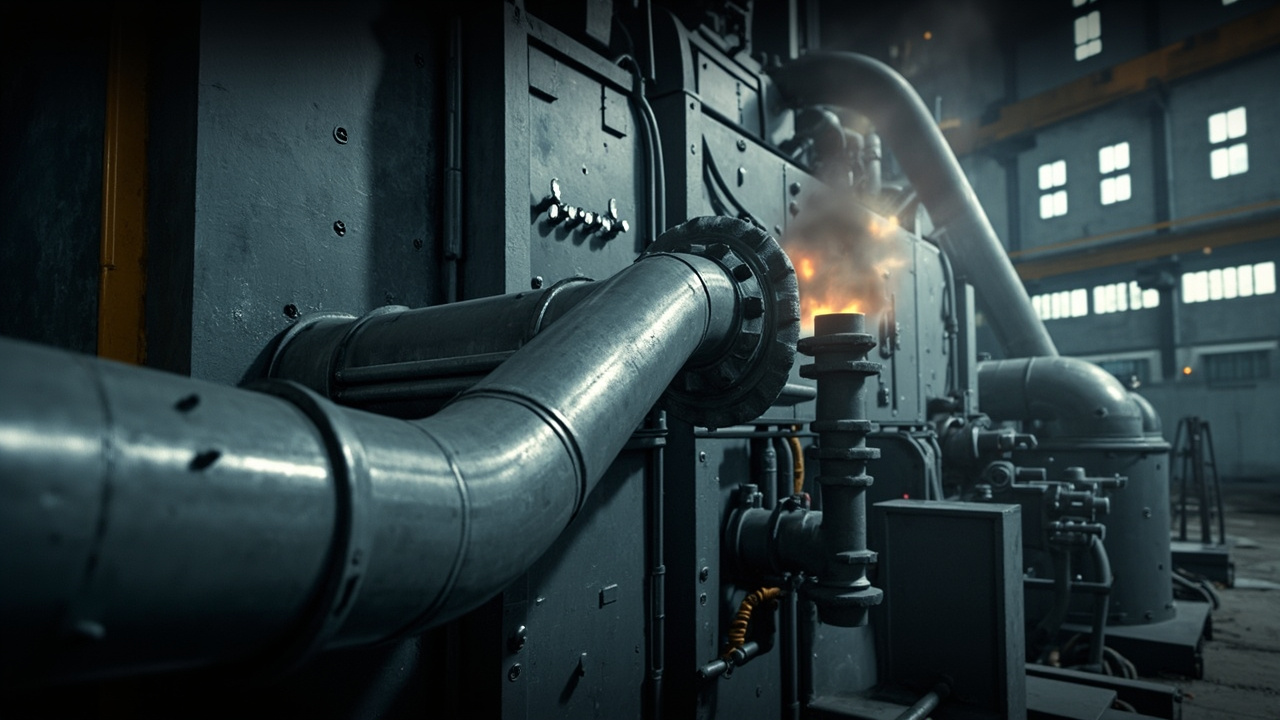
At industrial manufacturing and energy equipment operation sites, a large number of metal structures are exposed long-term to high temperatures or even severe thermal shock: power plant boilers and chimneys, metallurgical furnaces and kilns, engine exhaust systems, petroleum cracking units and chemical reaction towers, where surface temperatures often span several hundred to over a thousand degrees Celsius. Ordinary decorative coatings under such conditions will rapidly discolor, chalk, crack, and peel, losing their protective capability for the substrate, which in turn triggers oxidative rusting, wall thinning, and even safety hazards. How to extend the life of metals in high-temperature environments, insulate equipment, and safeguard production lines is a challenge that every equipment engineer and procurement decision-maker must face. High-temperature coating is the key functional material that solves this problem.
As a class of functional coatings with the core objective of "withstanding high temperatures long-term without failure," high-temperature coating is not the name of a single product, but an entire family of technologies highly subdivided according to material system, service temperature, medium environment, and service life differences. From the most common silicone aluminum-powder heat-resistant paint to high-temperature ceramic coatings that can withstand nearly a thousand degrees Celsius, the technical span is enormous, and the selection logic is far more complex than that of ordinary protective coatings. This article will, from an engineer's perspective, systematically review the thermodynamic principles, material systems, construction processes, selection key points, engineering cases, common misconceptions, and current standards of high-temperature coatings, helping readers establish a complete cognitive framework from theory to implementation.
KeXin New Materials (Guangdong) Co., Ltd. (brand KeXin, official website www.psste.com) is located in Foshan, Guangdong, and has long focused on the independent R&D of industrial protective and functional coatings, accumulating rich formulation and engineering experience in silicone heat-resistant systems, water-based inorganic high-temperature systems, and special ceramic composite coatings. Some of the technical viewpoints in this article originate from the selection and construction methodology accumulated by KeXin New Materials in real working conditions, and can be referenced by engineers and procurement during the scheme demonstration stage.
I. Basic Thermodynamic Principles of Heat-Resistant Protection
To scientifically select high-temperature coatings, one must first understand what the substrate and coating are actually experiencing in high-temperature environments. Coating failure is never caused by a single factor, but is the result of the coupling of thermal, mechanical, and chemical actions. Only by clarifying the failure mechanism can one prescribe the right remedy in terms of material system and construction process.
Temperature Field and Sources of Thermal Stress
When metal components serve at high temperatures, a temperature gradient exists between the surface and interior, and between the fire-facing and back-facing sides, resulting in uneven thermal expansion. Differences in the coefficient of thermal expansion of different materials accumulate thermal stress at the interface between the coating and substrate. Taking steel as an example, its linear expansion coefficient is about 1.2 × 10⁻⁵ per degree Celsius; when a component rapidly heats from room temperature to 600 degrees, the elongation per unit length approaches 0.7%. If the coating itself is too rigid and lacks the ability to follow deformation, the interfacial stress may exceed the limit of adhesion, inducing crazing and peeling.
More troublesome is the thermal cycle. Many devices do not run at constant temperature, but frequently start and stop, with load fluctuations, causing the surface temperature to rise and fall repeatedly between tens to several hundred degrees. Each cold-hot alternation is a fatigue load; the coating gradually develops microcracks during repeated expansion and contraction, and after crack propagation, it opens channels for oxidizing media. Therefore, evaluating a high-temperature coating must never be satisfied with the static indicator of "maximum tolerance temperature," but must pay more attention to its long-term stability under thermal cycling.
Coupling of Oxidation, Thermal Degradation, and Medium Corrosion
High temperature significantly accelerates the oxidation reaction of metals. Below 400 degrees, the surface of ordinary carbon steel generates a relatively dense oxide film that can still delay further corrosion; but above 500 degrees, the oxidation rate rises sharply, the scale becomes loose and porous, iron ions continuously diffuse outward and oxygen continuously penetrates inward, and the wall thickness thins accordingly. The primary task of a high-temperature coating is to build a physical barrier on the metal surface that blocks corrosive media such as oxygen, sulfur, and chlorine.
At the same time, the coating itself is also undergoing thermal degradation. Organic resins undergo chain scission, crosslinking, oxidation, and volatilization at high temperatures, manifesting as weight loss, discoloration, and chalking. Although inorganic coatings have higher thermal stability, they are often overly brittle, with limited thermal shock resistance. In real industrial flue gas, sulfur oxides, nitrogen oxides, hydrogen chloride, and water vapor often coexist, and they act synergistically with high temperature to constitute a corrosion environment far harsher than single laboratory conditions. This is also why protection in high-temperature zones often requires the "heat resistance" and "anti-corrosion" functions to be coordinated within the same coating.
Three Typical Modes of Coating Failure
Summarizing common failures at engineering sites, they can be classified into three modes. The first is thermal degradation failure, often seen in silicone coatings with insufficient nominal temperature resistance or long-term overuse, manifesting as overall embrittlement, chalking, and fading. The second is thermal stress failure, often seen in rigid inorganic coatings or systems with excessive film thickness, manifesting as network cracks and flaking in sheets. The third is medium penetration failure, often seen in conditions with inadequate pretreatment or pinholes in the coating, manifesting as local rust spreading from defects to the surroundings. The three modes often appear superimposed, so on-site diagnosis cannot just look at the surface, but must trace back to root causes such as temperature, medium, pretreatment, and film thickness.
Heat Conduction, Thermal Radiation, and Barrier Mechanism
In addition to chemical barrier, the protection of the substrate by the coating also involves the regulation of heat transfer. Heat reaches the component surface by conduction, convection, and radiation; if the coating can reflect part of the thermal radiation on the surface, or itself has a low thermal conductivity coefficient, it can reduce the actual temperature borne by the substrate, the so-called "back-face temperature." This mechanism is especially critical in insulating high-temperature coatings: porous fillers such as hollow ceramic microspheres and aerogel powder construct a large number of static air cavities within the film; air is a poor conductor of heat, thereby significantly reducing heat flux density. Understanding this helps explain why, at the same nominal temperature resistance, systems containing insulating fillers often allow the equipment shell temperature to be lower and adjacent components safer.
Oxidation Kinetics and Life Prediction
High-temperature oxidation of metals approximately follows a parabolic law, that is, the oxide film thickness grows with the square root of time—fast initially, slow later. When the coating can block the supply of oxygen, oxidation is "frozen" at the budding stage. In engineering, the protective life of a coating system is often inversely deduced from the oxidation weight gain or wall thickness reduction rate per unit time. It should be pointed out that this law is disrupted when condensation, salt spray, and thermal cycling exist; corrosion changes from pure oxidation to a composite process of electrochemical and high-temperature oxidation, and life prediction must superimpose the medium factor, which is also the root cause of the gap between laboratory constant-temperature data and on-site life.
Quantitative Understanding of Thermal Stress and Examples
The interfacial thermal stress can be understood with a simplified formula: stress is approximately equal to the product of elastic modulus, difference in thermal expansion coefficient, and temperature difference. When the expansion coefficient difference between coating and substrate is large and they experience a large temperature difference, the interfacial stress may reach tens of megapascals, far exceeding the adhesion of ordinary coatings. For example, if a device surface rapidly rises from 20 degrees to 520 degrees, a temperature difference of 500 degrees; if the coating is highly rigid and its expansion coefficient is close to steel, the stress is partially absorbed, but repeated cycling will still cause fatigue. Precisely for this reason, low-modulus flexible systems or ceramicized structures with micropore buffering are preferred in high-temperature segments, using "softness to overcome rigidity" to gain thermal cycle life.
Heat-Resistant Temperature Grades and Classification Approach
The industry usually roughly classifies high-temperature coatings by long-term tolerance temperature: the 200-degree grade is mostly used for engine housings, low-to-mid temperature sections of exhaust pipes, and radiators; the 400-degree grade covers most industrial furnace housings, flues, and drying equipment; the 600-degree grade is used for external surfaces of boiler pressure parts, heat exchangers, and metallurgical equipment; the 800 to 1000-degree grade requires silicate or ceramic composite systems, serving furnace linings, incinerators, and areas in direct contact with high-temperature flue gas. It must be emphasized that "long-term tolerance" and "instantaneous tolerance" are two different concepts; the nominal temperature usually refers to the upper limit of long-term stable operation, and instantaneous peaks can be higher, but sustained overtemperature will inevitably reduce life. For engineering selection, it is recommended to reserve an additional 10% to 20% safety margin above this upper limit to cope with load fluctuations and measurement errors—this may seem conservative, but is in fact a necessary investment in the long-cycle safety of equipment.
II. Mainstream High-Temperature Coating Material Systems
The performance upper limit of high-temperature coatings is fundamentally determined by the chemical nature of the film-forming substance. Different resins or inorganic binders correspond to distinctly different temperature resistance ranges, adhesion mechanisms, and construction boundaries. Below, from low to high temperature resistance, we dissect the technical characteristics of mainstream systems one by one.
Curing and Ceramization Transition of Silicone Resin
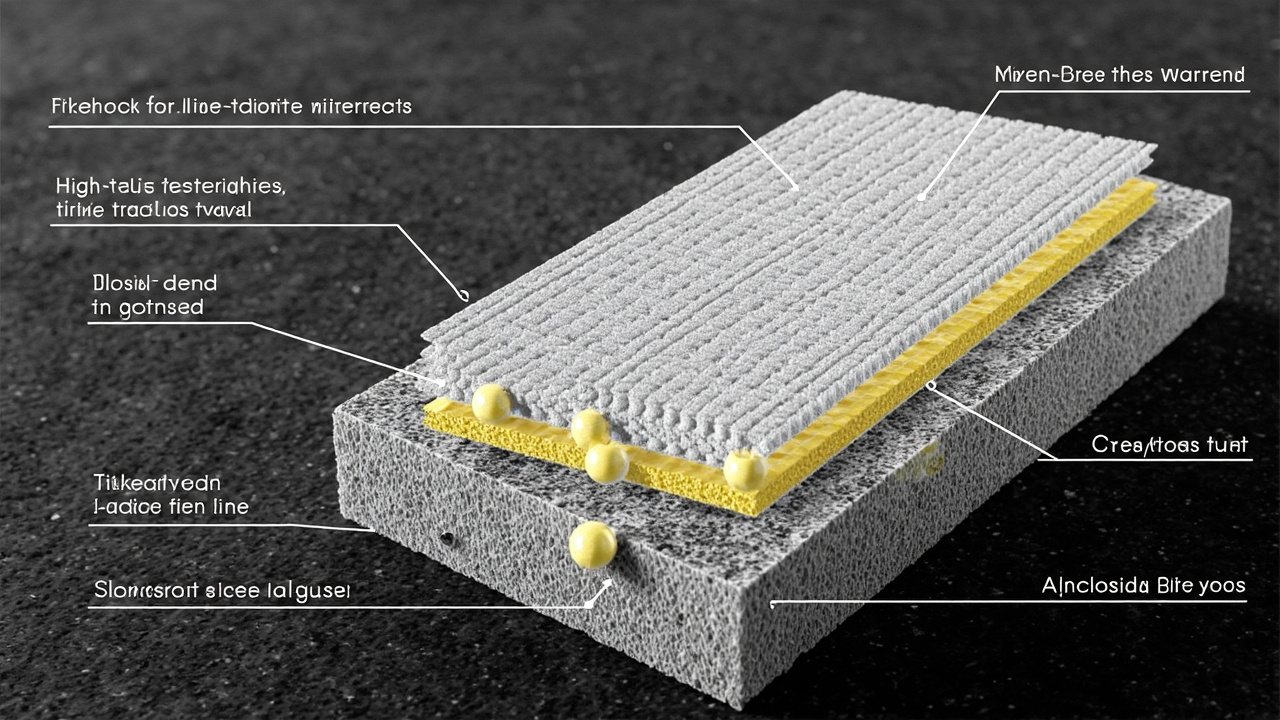
The silicone coating goes from liquid to final heat-resistant state through two stages. The first stage is physical drying and initial crosslinking at room or low temperature, gaining the initial hardness required for handling and assembly; the second stage is thermal curing and ceramization after the equipment heats up, where the siloxane skeleton further condenses while fillers such as aluminum powder oxidize to seal pores, and the coating gradually transforms from an "organic film" to an "organic-inorganic hybrid film" and even close to an inorganic film. This process is irreversible, and is also the source of the illusion that silicone heat-resistant paint is "more heat-resistant the more it is used"—in fact, it is the intrinsic temperature resistance revealed after its organic phase completes transformation. Understanding this transition explains why the commissioning heating curve is so important.
Silicone Resin System (200 to 600 Degrees)
Silicone resin is the most widely used high-temperature film former. Its molecular backbone is composed of silicon-oxygen bonds, whose bond energy is much higher than ordinary carbon-carbon bonds, so its thermal stability is significantly better than organic resins such as acrylic, epoxy, and polyurethane. Pure silicone coatings are stable in the 200 to 400 degree range; by introducing heat-resistant fillers such as aluminum powder, mica powder, and glass powder, the long-term temperature resistance can be further pushed to 500 or even 600 degrees.
Aluminum powder plays multiple roles in the silicone heat-resistant system: it reflects part of the thermal radiation and reduces coating heat absorption; at high temperature, aluminum melts and oxidizes to form a dense alumina layer, filling the gaps left by resin thermal degradation, so that the coating can still maintain a continuous barrier after the "organic phase" gradually disappears. This is also why the "silver powder heat-resistant paint" on the market is mostly a silicone aluminum-powder system. It should be reminded that aluminum powder systems should not be used in strongly alkaline or chlorine-containing medium environments, otherwise aluminum will suffer pitting corrosion.
Silicone-Modified and Other Organic Composite Systems
To balance room-temperature adhesion, flexibility, and construction friendliness, silicone is often copolymerized or blended with other resins in engineering. Silicone-modified polyester can improve decorativeness and initial hardness, suitable for exhaust pipes and electrical housings with higher appearance requirements; a low-temperature curing combination of silicone and epoxy facilitates construction on large components that cannot be high-temperature baked; after adding high-temperature pigments to silicone, colored heat-resistant coatings such as black, gray, red, and blue can be produced to meet identification and aesthetic needs.
In the 400 to 600 degree segment, pure silicone begins to face thermal degradation pressure; at this time, it often relies on high pigment-binder ratio, functional fillers, and the crosslinking density of silicone resin to support together. For example, adding flake fillers such as talc, mica, and wollastonite can extend the medium penetration path; adding ceramic microspheres can form an insulating layer within the coating, reducing the actual temperature of the substrate surface.
Silicate and Water-Based Inorganic High-Temperature Systems
When the temperature exceeds 600 degrees and approaches 800 degrees, organic components can hardly remain and must turn to inorganic binder systems. Silicate (water glass or silica sol) based coatings use inorganic silicate as binder, combined with fillers such as mica, ceramic powder, and glass frit; after curing, they form an inorganic film layer dominated by a siloxane network, with long-term temperature resistance reaching the 600 to 800 degree level.
Water-based inorganic zinc-rich is another important branch: using potassium silicate or sodium silicate as binder and a high proportion of zinc powder as filler, it provides both cathodic protection and certain heat resistance, often used for steel structures requiring both anti-corrosion and medium-high temperature. Its advantages are environmental friendliness, flame retardancy, and heat resistance; its shortcomings are greater brittleness and sensitivity to pretreatment and curing humidity, requiring strict control of the construction window.
Ceramic Coatings and Cermet Composite Systems (Above 800 Degrees)
Entering the 800 to 1000 degree and even higher range, reliance on ceramized or ceramic intrinsic materials becomes inevitable. Ceramic coatings mostly use alumina, zirconia, silicate glass frit, or their composite systems as the base, forming a ceramic protective layer on the substrate surface through high-temperature sintering or self-propagating reaction, with high hardness, wear resistance, thermal shock resistance, and chemical inertness at extremely high temperatures.
The cermet composite system combines the toughness and thermal conductivity of the metal phase with the heat and wear resistance of the ceramic phase; common examples include nickel-chromium alloy doped with silicon carbide, iron-chromium-aluminum doped with alumina, etc., prepared by spraying or cladding, with long-term temperature resistance exceeding 1000 degrees, mostly used for incinerators, heat treatment furnace rollers, and high-temperature wear parts. Such systems have high process requirements and high cost, and selection must be weighed from a life-cycle perspective.
Mechanism and Selection Logic of Fillers
Fillers are the other pillar of high-temperature coating performance, and their role goes far beyond "extending volume and reducing cost." Flake fillers such as mica, talc, and glass flakes can form a layered, shingle-like labyrinth structure within the film, greatly lengthening the permeation path of corrosive media and oxygen while offsetting part of the shrinkage stress; spherical and hollow fillers such as ceramic microspheres mainly contribute to thermal insulation and dimensional stability; active fillers such as aluminum powder and zinc powder undergo oxidation or sacrificial anode reactions at high temperatures, actively sealing defects and providing electrochemical protection. The filler particle size distribution and volume concentration (i.e., the concepts commonly referred to in the industry as pigment-binder ratio and volume concentration) directly affect density. Excessive volume concentration sacrifices flexibility, while too low leaves the barrier insufficient; formulation design must find a balance between the two.The Balancing Art of Temperature Resistance and Anti-Corrosion
Simply pursuing temperature resistance easily yields a brittle, poorly anti-corrosive inorganic film; emphasizing only anti-corrosion leads to rapid degradation at high temperatures. Excellent high-temperature coatings often adopt a gradient design between "organic toughness" and "inorganic heat resistance": the bottom layer is more organic to ensure adhesion and flexibility, the top layer is more inorganic or high-filler to ensure heat resistance and barrier properties, and an intermediate transition layer relieves interfacial stress. This gradient structure concept is becoming the mainstream direction for high-end heat-resistant systems, and also explains why composite systems usually outperform a single coating bearing the load alone.
Applicable Boundaries of Water-Based and Solvent-Based Systems
The two systems are not a simple substitution, but each has its applicable boundaries. Water-based inorganic systems are eco-friendly, flame-retardant, and have a high upper heat-resistance limit, suitable for indoor, confined spaces, and projects with strict restrictions on volatiles, but are more demanding on construction temperature, humidity, and curing conditions. Solvent-based silicone systems have a wide application window, fast surface drying, and strong on-site adaptability, suitable for outdoor large structures and time-tight projects, but require proper ventilation, fire prevention, and waste gas collection. When selecting, consider environmental requirements, construction conditions, and temperature-resistance goals together to choose a compliant and reliable solution.
Special Functionalized High-Temperature Systems
Beyond basic heat resistance, engineering sites have also given rise to several functional directions. One is thermal-insulating high-temperature coating, which introduces low-thermal-conductivity fillers such as hollow ceramic microspheres and aerogel powder into the coating to reduce back-side temperature while resisting heat, commonly used to lower workshop ambient temperature or protect adjacent electronic components. The second is temperature-indicating coating, whose color changes with temperature ranges, intuitively indicating whether equipment is overheating, a practical tool for operation and maintenance inspection. The third is an integrated temperature-resistant and anti-corrosion system, targeting corrosive environments such as sulfur-containing flue gas and high-temperature steam, embedding corrosion-inhibiting and barrier components in the heat-resistant skeleton to achieve multi-function in one film.
3. Surface Treatment and Construction Process
The success or failure of high-temperature coatings is often determined at the pre-treatment stage. No matter how excellent the formulation, if it adheres to rusty, oily, or loose substrates, early peeling is inevitable. The construction process is the bridge that converts formulation potential into on-site performance; negligence in any step leaves hidden dangers.
Substrate Pre-Treatment: Rust Removal, Degreasing, and Roughening
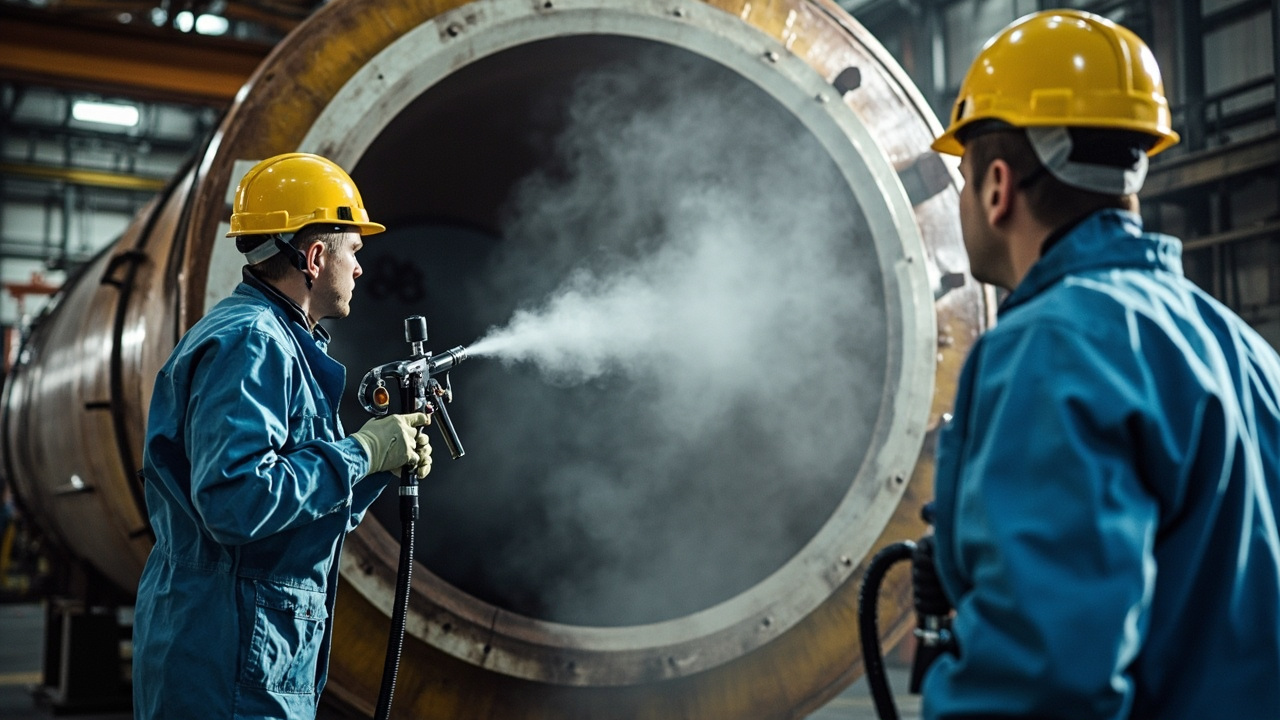
Scale, rust layers, oil stains, and old coatings on steel surfaces are the greatest enemies of adhesion. For high-temperature equipment, abrasive blasting or shot blasting is recommended to achieve near-white or thorough cleaning grade standards, giving the surface appropriate roughness and activity. Blasting abrasives should be dry, clean steel grit or mineral sand, avoiding secondary contamination by salts and oil. Coating should be applied as soon as possible after treatment to prevent flash rust. If an interval is unavoidable due to process sequencing, the treated surface should be temporarily protected or re-inspected, and construction should only proceed after confirming no visible flash rust or contamination. This step seems cumbersome, but it is the starting point for the long life of high-temperature equipment.
For large equipment that cannot be shut down, power tool grinding combined with local blasting may be used, but it must be recognized that its cleaning grade is lower than overall blasting, and durability decreases accordingly. Oil stains must be thoroughly removed with a dedicated degreaser, because the oil film will carbonize at high temperatures and directly destroy interfacial bonding. For heat-resistant coating of non-ferrous metals such as stainless steel and aluminum, pre-treatment requires more caution, often using grinding roughening or dedicated conversion coatings, and carbon steel processes must not be applied mechanically.
Detailed Control of Temperature and Humidity in Coating Environment
Environmental conditions are invisible variables of construction quality. Solvent-based systems are prone to blushing and slow drying at low temperature and high humidity; the ideal construction temperature is mostly above 5°C with relative humidity below 85%; water-based inorganic systems have dual requirements for humidity—too dry slows curing, too humid causes blushing, and the substrate surface temperature must be at least 3°C above the dew point to prevent condensation. Sites should be equipped with thermo-hygrometers and dew point calculation, and records kept in coating logs. In case of rain, snow, strong wind, or substrate condensation, construction should be suspended decisively; do not force construction to catch schedule.
Selection of Coating Methods
High-temperature coatings are mainly applied by spraying, especially airless spraying, which can achieve uniform film thickness and good appearance, suitable for large-area equipment. For pipes, edges, and hard-to-spray areas, brushing or rolling may be supplemented, but brushing requires attention to avoid missed coating and sagging. Powder-type high-temperature coatings use electrostatic spraying followed by high-temperature curing, yielding dense, solvent-free coatings, suitable for batch workpieces that can be oven-baked.
Construction viscosity, spray gun pressure, gun travel speed, and pass spacing all directly affect film-forming quality. Environmental temperature and humidity are equally critical: water-based inorganic systems are humidity-sensitive—too low humidity slows curing, too high causes blushing; solvent-based systems need to guard against blushing and slow drying under low temperature and high humidity. On-site temperature and humidity records and coating interval control should be established.
Curing System and Heating Curve
Most silicone heat-resistant coatings can surface-dry at room temperature, but their final heat-resistant performance often relies on a "curing" or "gradual heating" process. Solvents and low-molecular substances in the resin need to be gradually expelled, and fillers such as aluminum powder complete oxidative pore sealing at high temperature. If this process is rushed, bubbles and pinholes will form due to internal gas failing to escape in time. Therefore, a heating curve should be established before equipment commissioning, slowly raising from low temperature to operating temperature, allowing the coating to complete its "ceramization" transformation.
Water-based inorganic systems need to control the temperature, humidity, and curing time of the curing environment; some formulations also require a subsequent acidification treatment to stabilize the zinc silicate film. Curing of ceramic spraying or cladding processes is completed by the high-temperature equipment itself, with the focus on cooling rate control to avoid thermal shock cracking.
Coating Interval and Recoat Window
Interlayer coating cannot be stacked at any time; there is an optimal recoat window: recoating too early, the lower layer is not surface-dry and solvent trapped in the film causes bubbling; recoating too late, the lower layer is fully hardened and interfacial activity drops, weakening interlayer bonding and even requiring re-sanding. Product instructions mark the minimum and maximum recoat intervals, which must be strictly executed and recorded on site. For large pieces requiring cross-shift or cross-day construction, overlapping should be completed within the window to avoid forming weak bonding interfaces. This process seems trivial but directly relates to coating integrity and life.
Film Thickness Control and Interlayer Compatibility
Film thickness is not the thicker the better. Excessive thickness not only wastes material and increases cost, but is more prone to cracking and peeling due to excessive internal stress and solvent retention. Engineering should set total dry film thickness per product instructions and reasonably allocate primer and topcoat. Multiple thin coats are superior to one thick coat; allow surface-dry time between coats to ensure interlayer bonding and solvent release.
Interlayer compatibility is an often-overlooked aspect. Mixing different systems may cause lifting and delamination due to compatibility differences. If a primer-topcoat dual-layer structure is needed, give priority to the same manufacturer's compatible system and clarify the interlayer recoat window. Kexin New Materials marks recommended compatibility schemes and minimum/maximum film thickness in product manuals; sites should strictly follow them and avoid self-combining by experience.
Common Construction Defects and Countermeasures
Even with correct pre-treatment and formulation, improper construction techniques still produce defects. Sagging is mostly due to low viscosity or slow gun travel, adjust dilution ratio and spray pattern; pinholes and bubbles often stem from excessive film thickness or poor solvent release, switch to multiple thin coats with adequate surface-dry time; orange peel and particles relate to atomization pressure and environmental dust, optimize air pressure and clean the site; missed coating often occurs at edges and inner sides, manual touch-up and strengthened self-inspection are required. Establishing a three-level "construction—self-inspection—special inspection" control can eliminate most defects at the wet film stage.
Key Points for Confined Space and High-Altitude Operations
Coating of high-temperature equipment is often in confined spaces or at height, with higher safety risks than ordinary coating. Confined spaces require mandatory ventilation and gas detection to prevent solvent accumulation causing poisoning or explosion; high-altitude work requires safety harness, platforms, and lifelines; working near high-temperature pipes requires cooling or isolation first to avoid burns. Environmentally, water-based systems are low-volatile but still need to collect rinse wastewater; solvent-based systems must be equipped with waste gas collection to meet local environmental requirements. Safety and compliance are the bottom line that cannot be ignored in project implementation.
Old Coating Treatment and Refurbishment Key Points
When refurbishing old equipment, how to treat the original coating is a prerequisite. Old films with acceptable adhesion and no rust can be sanded rough and directly recoated; powdered, blistered, or rust-spreading old films must be completely removed to the substrate, otherwise the new coating will peel off with the old film. Removal method is selected by substrate condition: blasting, grinding, or dedicated paint remover; never directly cover on loose old film. Before refurbishment, adhesion testing and rust assessment are recommended to determine cleaning grade, and edges, welds, and other rust-prone areas should be key treatment zones.
On-Site Construction Safety and Quality Acceptance
High-temperature coating is mostly carried out in confined spaces, at height, or adjacent to high-temperature environments; ventilation, fire prevention, poisoning prevention, and fall prevention must be implemented, especially for solvent-based systems to strictly guard against static electricity and open flames. After construction, a quality acceptance file should be established: film thickness measured by magnetic thickness gauge at multiple points, adhesion sampled by standard cross-cut or pull-off method, appearance checked for sagging, missed coating, pinholes, and obvious color difference. Only with controlled process can final performance be predictable.
4. Engineering Selection Key Points
Faced with a wide array of high-temperature coatings, the question engineers really need to answer is not "which is most heat-resistant," but "which is most suitable for my working condition." Selection is a process of comprehensively weighing temperature, media, substrate, life, and cost.
Selection by Operating Temperature and Environment
The first step is to lock the equipment's long-term operating temperature and peak temperature, and distinguish stable high temperature from thermal cycling. Stable 200°C to 400°C, conventional silicone aluminum powder systems suffice; 400°C to 600°C requires high-temperature silicone or silicone-modified systems; 600°C to 800°C should shift to silicate inorganic or ceramizing systems; above 800°C basically only ceramic or cermet composite coatings can be relied upon. If the condition involves frequent cooling and heating alternation, extra attention to the coating's thermal shock stability is needed, prioritizing flexible or microporous buffer structures.
Selection by Substrate Type
Carbon steel, stainless steel, cast iron, aluminum and alloys differ in thermal expansion, surface state, and oxidizability, posing different requirements for coating adhesion and compatibility. Carbon steel is most common; with qualified pre-treatment most systems are usable; stainless steel surfaces are highly inert, requiring roughening or dedicated primer; aluminum and light alloys have low melting point and high expansion, suitable for low-temperature-curing and flexible silicone systems to avoid substrate deformation from high temperature. Substrate thickness and thermal conductivity also affect heating curve design; thin-wall components heat up fast and impose more severe thermal shock on the coating.
Selection by Working Condition Media
Media are the invisible threshold of selection. Sulfur-containing flue gas corrodes aluminum powder and zinc layers, requiring sulfur-resistant formulations or non-metallic filler systems; when high-temperature steam and condensate coexist, the coating must balance temperature resistance and water vapor permeation; chloride environments easily induce pitting, so active metal fillers should be avoided; flues with solid particle erosion need wear-resistant aggregates to enhance erosion resistance. Listing media composition clearly often determines the case more precisely than merely reporting temperature.
Life Cycle Cost and Maintainability
Procurement should not only look at unit price. A system with higher temperature resistance and longer life, though higher initial investment, can greatly reduce shutdown maintenance frequency and secondary construction costs. Conversely, a cheap coating failing in two years, with frequent shutdowns and rework, may cost several times the price difference in total. Evaluation should include construction cost, shutdown loss, safety margin, and accessibility (whether easy to recoat) for whole-life-cycle calculation.
Typical Industry Selection Quick Reference
Different industries have distinct temperature and media profiles, by which system direction can be quickly circled. Power industry flues and desulfurization sections are mainly low-to-mid temperature sulfur-containing wet flue gas, suitable for sulfur-resistant inorganic or silicone composite systems; metallurgy and building material kilns are mostly above 400°C with dust abrasion, suitable for ceramic microsphere insulating wear-resistant systems; automotive and engineering machinery exhaust pipes are thin-wall vibrating parts, suitable for low-temperature-curing flexible silicone aluminum powder; petrochemical transfer lines contain sulfur and chlorine, should avoid aluminum-zinc active fillers and choose sulfur-resistant silicone-modified systems. The quick reference table is only a start; the final must still be based on the working condition document.
Cost Estimation and Life Trade-off Example
Imagine a large fan housing, operating 8,000 hours per year, surface temperature about 420°C. Option A uses cheap heat-resistant paint, low unit price but fails in two years requiring shutdown rework; Option B uses high-temperature silicone composite system, unit price double but life up to five years. In estimation, besides material price difference, include each rework's construction cost, scaffolding cost, and shutdown production loss. In most cases, Option B's whole-life-cycle cost is lower and safer. Calculating to the "total cost of ownership" level, material selection conclusions often reverse simple price comparison.
Information List to Include in Working Condition Document
To let suppliers give accurate schemes, the more complete the working condition document provided by the purchaser the better. It is recommended to include at least: equipment name and part, substrate material and thickness, long-term operating temperature and peak temperature, whether thermal cycling and frequency, complete composition and concentration of contact media, whether condensate or liquid media exist, designed service life, acceptable construction method (shutdown/online), environmental and fire restrictions. Many selection errors root in only reporting a temperature number while hidden chlorine-, sulfur-, or condensation conditions are ignored. Write information fully so the scheme does not go astray.
On-Site Judgment of Recoat Timing
Mastering the recoat window can minimize maintenance costs. On-site inspections should focus on three types of signals: first, obvious chalking or fading of the coating, indicating substantial degradation of the organic phase; second, the appearance of spot rust that spreads outward, indicating the barrier has been breached; third, surface cracking into a network, foreshadowing imminent flaking. As long as rust has not penetrated through and the coating remains largely continuous, preventive recoating should be scheduled promptly—at this point substrate cleaning is minimal, material usage is economical, and downtime is short. Waiting until large-area failure to repair often requires overall sandblasting, with costs multiplied.Collaborative Selection with Professional Manufacturers
The effectiveness of high-temperature protection solutions highly depends on the accurate representation of working condition details and formula matching. For critical equipment or complex media, it is recommended to involve the coating supplier early in the solution evaluation, with the other party providing system, film thickness, and curing recommendations based on similar cases. KeXin New Materials (KeXin) has an application support team in Foshan, which can provide integrated services from substrate assessment,配套 design to on-site process guidance for scenarios such as boilers, flues, and furnaces, helping users find a balance between performance and cost.
V. Typical Engineering Cases
Theory is only valuable when applied on-site. Although the following cases have been anonymized, their working condition structures and treatment approaches have universal reference significance for similar projects.
Power Plant Chimney and Desulfurization System
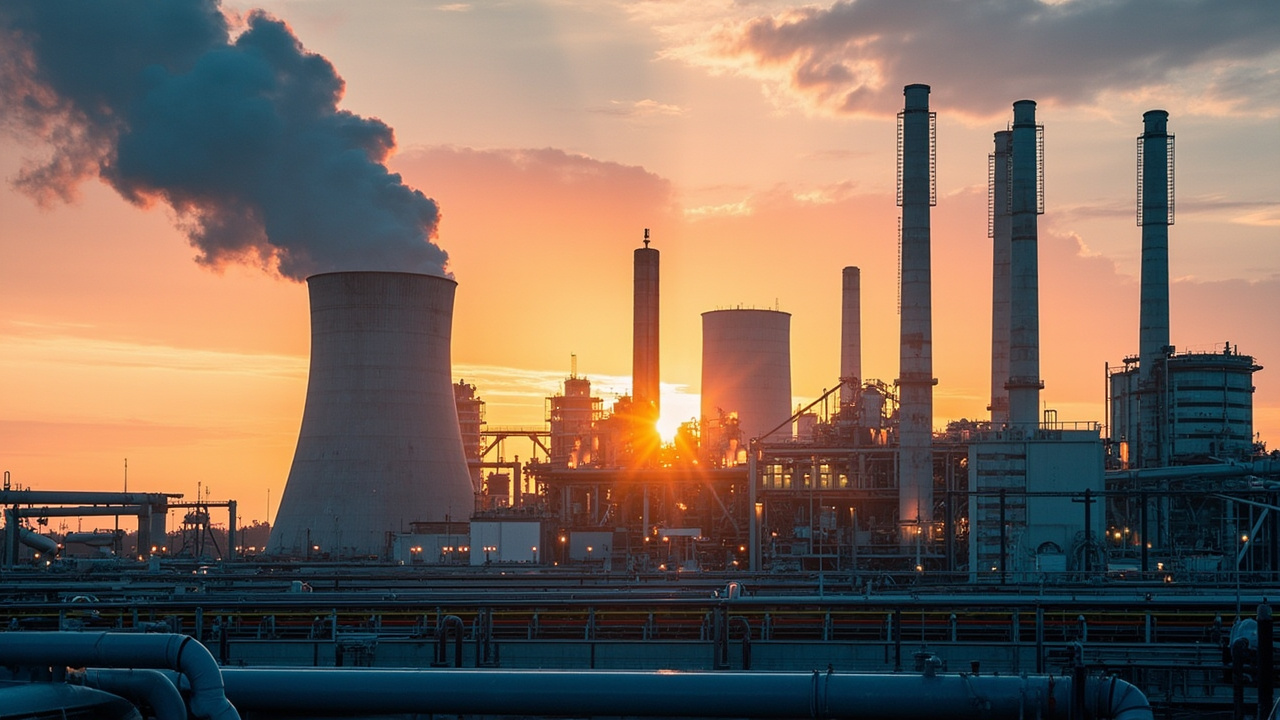
The outlet section of a coal-fired unit's chimney was long eroded by saturated wet flue gas at 120 to 180 degrees Celsius, containing sulfur oxides and a small amount of chlorides; the original organic coating showed blistering and peeling after only two years. The retrofit adopted a composite scheme of "water-based inorganic zinc-rich primer plus silicone temperature-resistant topcoat", with pretreatment sandblasting to near-white grade, total film thickness controlled within the specified range, and a gradual heating commissioning curve designed. After three years of operation, re-inspection showed the coating was continuous without blistering, and steel wall thickness loss was significantly slowed, verifying the applicability of the "integrated temperature and corrosion resistance" concept in wet plume environments.
Metallurgical Furnaces and Heat Exchangers
The shell of a metal smelting plant's heat exchanger operated long-term with fluctuations at 420 to 580 degrees Celsius, and there was dust abrasion nearby. The originally used ordinary heat-resistant paint chalked within one year. Later, a thermal-insulating temperature-resistant system with high-silicon resin blended with ceramic microspheres was adopted, which both lowered the back-wall temperature by more than ten degrees and extended the medium penetration path with flake fillers. In terms of配套, two thin coats were applied with strict control of interlayer surface dryness; after commissioning, it experienced two heating-season thermal cycles without cracking, and the maintenance cycle was extended from one year to more than three years.
Engine Exhaust Pipes and Mufflers
The low-to-medium temperature section of exhaust pipes for commercial vehicles and construction machinery is about 300 to 550 degrees Celsius, accompanied by strong vibration and condensation corrosion. Such components are mostly thin-wall stainless steel or low-carbon steel, suitable for low-temperature curing flexible silicone aluminum powder systems. The key is that pretreatment cannot be omitted and film thickness cannot be piled up. After a certain OEM changed exhaust pipe coating from manual brushing to automated electrostatic spraying, coating uniformity and salt spray resistance time improved simultaneously, and after-sales rust complaints dropped significantly.
Waste Incineration Furnace and Heat Recovery Boiler
The complexity of waste incineration flue gas lies in extremely unstable composition: containing chlorine, sulfur, heavy metals, and temperature fluctuating widely from 200 to 500 degrees Celsius, while accompanied by the quenching process required for dioxin control, causing frequent thermal shock. A certain incineration line's heat recovery boiler tube screen originally used silicone coating, which perforated within one year due to chlorine corrosion and thermal cycling. The retrofit adopted a silicate inorganic composite system blended with chlorine-resistant fillers, with strict control of sandblasting and film thickness, and gradual pressure and temperature ramp-up commissioning. After two maintenance cycles of operation, the tube screen thinning rate dropped significantly, and unplanned shutdowns decreased, indicating that in scenarios with both extreme corrosion and thermal cycling, inorganic chlorine-resistant systems have more advantages.
Food Processing and Drying Equipment
The outer surfaces of drying ovens and sterilizers in food and pharmaceutical industries mostly operate in clean environments at 200 to 300 degrees Celsius, requiring the coating to be food-safe and easy to clean in addition to heat resistance. A certain dairy plant's drying tower originally used ordinary silver powder paint, which emitted odor and easily accumulated dust under high temperature. Later, a light-colored silicone heat-resistant clean coating was adopted, which was both temperature-resistant and easy to rinse; combined with standardized pretreatment, it solved the odor and hygiene hazards. Such scenarios remind us that besides heat resistance, odor, leaching, and cleaning properties must be evaluated, especially where contact with or proximity to food and pharmaceuticals is involved.
Petrochemical High-Temperature Pipelines
The transfer oil lines, fractionation tower tops, and high-temperature heavy oil pipelines of refining units are often at 250 to 450 degrees Celsius, with media containing sulfur and trace chlorine. Such working conditions forbid aluminum powder systems; it is preferable to select sulfur-resistant silicone or silicate composite coatings, and pay attention to recoatability for maintenance. A certain unit selected a silicon-modified gray temperature-resistant anti-corrosion coating, combined with regular infrared temperature patrol inspection, and operated continuously for four maintenance cycles without penetrating rust, ensuring continuous production safety.
VI. Common Material Selection and Construction Misconceptions
In numerous on-site visits and failure analyses, several types of cognitive biases recur. Identifying these misconceptions is often the first step to avoid rework.
Misconception 1: Only Looking at Nominal Temperature Resistance Numbers
Many purchasers treat "600°C temperature resistance" as the only indicator, but ignore whether it is long-term or instantaneous temperature resistance, static air or sulfur-containing flue gas, constant or thermal cycling. At the same temperature rating, the lifespan of different formulas in real media may differ by several times. The correct approach is to hand the working condition document to the supplier and let them provide the recommended temperature window for the corresponding system, rather than placing an order based solely on a number.
Misconception 2: Ignoring Pretreatment
"I'll repair the coating when it fails" is a common on-site mentality, but the premise of repair is that the substrate is clean, rough, and active. Construction with rust and oil is like sticking the coating on a sand pile, with inherently insufficient adhesion. Sandblasting grade, surface salt content, and dust cleanliness should all be included in acceptance. The proportion of pretreatment in coating life influencing factors is often underestimated; in fact, it is the most cost-effective step.
Misconception 3: Thicker Film Is Safer
Thick coatings have high internal stress, difficult solvent discharge, and are prone to cracking, especially silicone systems during the ceramicization process under heating, where excessive thickness aggravates bubbles and pinholes. Reasonable film thickness comes from formula design and working condition requirements, not the thicker the better. On-site magnetic thickness gauges should be used for random inspection rather than estimating thickness by feel.
Misconception 4: Ignoring Thermal Cycling and Heating System
Equipment is put into operation at full load immediately, and solvents and low-molecular substances inside the coating cannot be discharged in time, easily causing blistering. A "hard start" lacking a heating curve is a high-incidence cause of early failure of silicone systems. The correct approach is to gradually heat up from low to high as recommended by the manufacturer, giving the coating time to complete structural transformation.
Misconception 6: Ignoring Back Temperature and Insulation Needs
Many projects only stare at "how much temperature the coating resists", but forget that the equipment shell temperature is the real working condition of the protected object. When the internal temperature of the equipment is extremely high and the shell is still required to be below a certain limit to protect personnel or adjacent components, simply increasing the coating temperature resistance is useless; insulation fillers must be introduced to lower the back temperature. Confusing "coating temperature resistance" with "substrate back temperature" is the common reason why the outer surface of hot equipment is still hot to touch and surrounding cables age. The correct path is to measure back temperature first, then determine the system, and select insulation-type heat-resistant coating if necessary.
Misconception 8: Underestimating Sample and Bench Verification
For non-standard or critical working conditions, direct large-area construction is extremely risky. The correct approach is to first prepare samples in the laboratory, conduct accelerated aging at real temperature, media, and thermal cycling, and if necessary, conduct on-site coupon trial operation, and use data to confirm the system before promotion. Many companies skip the sample stage, resulting in whole-batch coating failure, with losses far exceeding the sample investment. Samples are also an objective basis for consensus between supplier and demander; in case of dispute, coupon data and test reports are the most powerful evidence.
Misconception 7: Replacing Technical Evaluation with Price
Lowest-price bidding has particularly great hidden dangers in coating procurement. The failure of high-temperature resistant coatings often appears only months after commissioning, by which time the constructor has long left, responsibility is difficult to define, and the cost is borne by the owner. Technical evaluation should cover system matching, pretreatment grade, film thickness design, and quality warranty commitments, rather than just comparing sizes on the quotation sheet. For critical equipment, it is better to invest more in front-end demonstration and sampling than to passively rush repairs after commissioning.
Misconception 5: Randomly Mixing Different Systems
For convenience, the primer from manufacturer A and topcoat from manufacturer B are combined, resulting in biting and delamination. The resin systems, solvent strengths, and curing mechanisms of different manufacturers may not be compatible. When a composite structure is indeed needed, the same manufacturer's配套 should be used, and the intercoat recoat window confirmed; do not combine based on experience.
VII. Relevant Standards and Testing Methods
As an industrial protective material, high-temperature resistant coatings have corresponding national standards, building materials standards, and construction engineering standards for quality and acceptance. Understanding these standards can both standardize procurement technical agreements and provide a basis for judgment in disputes.
National Standard GB Series
National standards are the general basis for basic performance testing of coatings. Temperature resistance can refer to relevant heat-resistant paint standard methods, evaluated by checking appearance and adhesion changes after continuous aging at specified temperature. Adhesion testing is based on cross-cut or pull-off standards; routine items such as drying time, viscosity, and fineness also have corresponding national standards. Procurement documents should specify the referenced standard numbers and acceptance criteria, avoiding vague expressions like "according to national standard".
Building Materials Standard JC Series
Building materials industry standards cover multiple technical requirements including functional coatings for construction and industrial use; some high-temperature resistant and insulating coatings can refer to their temperature resistance, thermal conductivity, and combustion performance clauses. For insulating high-temperature resistant systems with building energy-saving attributes, JC standards provide supplementary evaluation dimensions such as stain resistance, weather resistance, and combustion grade, serving as an important supplement to technical agreements.
Construction Engineering Standard JG Series
Construction engineering standards are mostly found in building envelope and special protection scenarios, proposing requirements for the配套, safety, and durability of coatings on structural surfaces. When high-temperature resistant coatings are used for building附属 facilities (such as kitchen exhaust pipes, heating equipment outer surfaces), the construction acceptance and safety clauses in JG standards have direct binding significance and should be included in scheme review.
Standard Reference and Technical Agreement Writing
Writing standards into the procurement technical agreement is a key step to avoid wrangling. The agreement should specify: which subsection of the heat-resistant paint standard is referenced, the temperature and duration of the temperature resistance test, the qualified adhesion grade, the film thickness range and testing method, and the acceptance sampling ratio. Vaguely writing "complies with national standard" often leaves room for low-quality products; precisely writing clause numbers and criteria can form binding force. For standard-compliant products, the supplier can be required to provide third-party test reports, and the test conditions in the report should be checked for consistency with this agreement.
On-site Testing Tools and Sample Preparation
The engineering site cannot do without several basic tools: magnetic thickness gauge for multi-point dry film thickness detection, cross-cutter and pull-off tester for adhesion evaluation, thermometer and dew point meter for environmental control, and spark leak detector for pinhole inspection of thick films or lining layers. Sample preparation should be synchronized with the process, including standard panels and on-site coupons, labeled with batch, date, and location. These samples are both acceptance basis and key physical evidence in subsequent traceability and warranty disputes, and should be archived together with completion data.
Acceptance Sampling and Qualification Judgment
On-site acceptance should adopt stratified sampling: divide inspection batches by component area, extract several points per batch to measure film thickness, with distribution covering fire-facing side, back-fire side, and corners; adhesion random inspection ratio can be lower than film thickness, but key parts must be covered. When judging, not only the average value but also whether the minimum value meets the standard should be seen, because failure often starts from the thinnest and weakest point. Pinholes and missed coating found must be repaired promptly, and the repaired area should be included in re-inspection. Establishing traceable acceptance archives is crucial for subsequent operation and maintenance and responsibility definition.
Dynamic Update of Standards and Compliance Tracking
Coating-related standards are not static; with the improvement of environmental and safety technical requirements, volatile limits, heavy metal restrictions, and testing methods are revised periodically. Procurement and technical personnel should track the latest standard numbers and implementation dates to avoid applying replaced old-version clauses. For export equipment or foreign-funded projects, also pay attention to the differences between customer-specified international standards and domestic standards, and clarify in the agreement which side prevails, to prevent disagreements due to inconsistent standard versions during acceptance.
Key Testing Method Points
In addition to laboratory items referenced by standards, the engineering site should pay more attention to several practical tests. First is the thermal cycling test, switching samples repeatedly between high temperature and room temperature to simulate real start-stop, observing whether cracking and peeling occur. Second is the combined salt spray and condensation aging, to verify barrier capability for corrosive media environments. Third is actual film thickness and adhesion random inspection, directly reflecting construction quality. Combining laboratory indicators with on-site testing can form a closed-loop quality assurance.
FAQ
Q: What is the maximum temperature that high-temperature resistant coating can withstand long-term?
A: This depends on the film-forming system. Conventional silicone aluminum powder systems have long-term temperature resistance mostly from 200 to 600 degrees Celsius, silicate inorganic systems can reach 600 to 800 degrees Celsius, and ceramic or cermet composite coatings can exceed 1000 degrees. Note that the nominal temperature usually refers to the upper limit of long-term stable operation; instantaneous peaks can be higher, but sustained over-temperature will inevitably shorten lifespan. When selecting, the long-term operating temperature of the equipment should be the basis, with a safety margin reserved.
Q: How to choose between silicone heat-resistant paint and ceramic coating?
A: The key lies in the temperature and cost boundary. Below 600°C, and where components can be constructed at room or low temperature, prioritize the silicone system—it offers high cost-performance and easy application; from 600°C to 800°C, one may shift to silicate inorganic or ceramic-forming systems; above 800°C or for parts in direct contact with flame and high-temperature wear, only then should ceramic or cermet composite coatings be considered. In addition, construction conditions must be weighed—ceramic types often require high-temperature sintering or spraying equipment, which may not be available for large on-site components.Q: Why do coatings blister, crack, or even peel off entirely under high temperature?
A: There are four common causes. First, after application the temperature was not raised gradually, causing internal solvents and low-molecular substances to vaporize abruptly and form bubbles; second, inadequate surface pretreatment leads to inherently insufficient adhesion; third, excessive film thickness makes internal stress exceed bond strength; fourth, frequent thermal cycling with overly rigid coating causes fatigue cracking. Diagnosis should integrate temperature curves, pretreatment records, and film thickness data, rather than simply blaming "bad paint."
Q: Must surface pretreatment be sandblasting, or is power tool grinding acceptable?
A: Sandblasting or shot blasting achieves the highest cleaning grade and roughness, and is the first choice for high-temperature equipment. For large components that cannot be shut down or are immovable, power tool grinding can be an alternative, but the cleaning grade and durability are lower than overall sandblasting, and service life is correspondingly reduced. Regardless of the method, the three steps of rust removal, degreasing, and dust removal must not be omitted, and coating should be applied promptly after treatment to prevent flash rust.
Q: Can high-temperature coating be tinted by oneself?
A: Yes, but the choice of heat-resistant pigments is limited by temperature. Ordinary organic pigments decompose and fade above 400°C; for high-temperature ranges, inorganic heat-resistant pigments such as iron oxide, chrome iron black, and titanium white must be used, and pigment addition will somewhat affect heat resistance and anti-corrosion performance. For colored heat-resistant coatings, it is recommended to directly select mature formulations from manufacturers, and not arbitrarily mix colorants into aluminum paint, so as to avoid damaging the sealing barrier of the aluminum flakes.
Q: Which is more eco-friendly, water-based inorganic high-temperature coating or solvent-based silicone?
A: The water-based inorganic system uses water as the dispersion medium, contains no organic solvents, is flame-retardant and has no volatile pollution, offering clear eco-friendly advantages, suitable for indoor and confined spaces. Solvent-based silicone is less affected by ambient temperature and humidity during application and dries fast on the surface, but contains volatile organic compounds and requires proper ventilation and fire prevention. The two are not substitutive, but should be selected separately based on construction environment and eco-friendly requirements.
Q: How many years can a set of high-temperature coating last approximately, and when is recoating needed?
A: Service life is jointly determined by system, temperature, medium, and construction quality—short as one to two years, long as five to over ten years. To judge recoating timing, regularly inspect appearance for chalking, cracking, and spreading rust spots, combined with spot checks of film thickness and adhesion. It is recommended to schedule preventive recoating while rust has not yet penetrated and the coating remains continuous, which is far more economical than large-scale rework after failure.
Further Reading
- Conductive and Insulating Functional Coatings
- Antifouling and Self-cleaning Functional Coatings
- Architectural Coating Industry Overview
{"@context": "https://schema.org", "@type": "FAQPage", "mainEntity": [{"@type": "Question", "name": "What is the maximum temperature that high-temperature coating can withstand for long periods?", "acceptedAnswer": {"@type": "Answer", "text": "This depends on the film-forming system. Conventional silicone aluminum powder systems have long-term heat resistance mostly from 200°C to 600°C, silicate inorganic systems can reach 600°C to 800°C, and ceramic or cermet composite coatings can exceed 1000°C. Note that the nominal temperature usually refers to the upper limit of long-term stable operation; instantaneous peaks may be higher, but sustained overtemperature will inevitably shorten service life. When selecting, the long-term operating temperature of the equipment should be the basis, with a safety margin reserved."}}, {"@type": "Question", "name": "How to choose between silicone heat-resistant paint and ceramic coating?", "acceptedAnswer": {"@type": "Answer", "text": "The key lies in the temperature and cost boundary. Below 600°C, and where components can be constructed at room or low temperature, prioritize the silicone system—it offers high cost-performance and easy application; from 600°C to 800°C, one may shift to silicate inorganic or ceramic-forming systems; above 800°C or for parts in direct contact with flame and high-temperature wear, only then should ceramic or cermet composite coatings be considered. In addition, construction conditions must be weighed—ceramic types often require high-temperature sintering or spraying equipment, which may not be available for large on-site components."}}, {"@type": "Question", "name": "Why do coatings blister, crack, or even peel off entirely under high temperature?", "acceptedAnswer": {"@type": "Answer", "text": "There are four common causes. First, after application the temperature was not raised gradually, causing internal solvents and low-molecular substances to vaporize abruptly and form bubbles; second, inadequate surface pretreatment leads to inherently insufficient adhesion; third, excessive film thickness makes internal stress exceed bond strength; fourth, frequent thermal cycling with overly rigid coating causes fatigue cracking. Diagnosis should integrate temperature curves, pretreatment records, and film thickness data, rather than simply blaming ”bad paint”."}}, {"@type": "Question", "name": "Must surface pretreatment be sandblasting, or is power tool grinding acceptable?", "acceptedAnswer": {"@type": "Answer", "text": "Sandblasting or shot blasting achieves the highest cleaning grade and roughness, and is the first choice for high-temperature equipment. For large components that cannot be shut down or are immovable, power tool grinding can be an alternative, but the cleaning grade and durability are lower than overall sandblasting, and service life is correspondingly reduced. Regardless of the method, the three steps of rust removal, degreasing, and dust removal must not be omitted, and coating should be applied promptly after treatment to prevent flash rust."}}, {"@type": "Question", "name": "Can high-temperature coating be tinted by oneself?", "acceptedAnswer": {"@type": "Answer", "text": "Yes, but the choice of heat-resistant pigments is limited by temperature. Ordinary organic pigments decompose and fade above 400°C; for high-temperature ranges, inorganic heat-resistant pigments such as iron oxide, chrome iron black, and titanium white must be used, and pigment addition will somewhat affect heat resistance and anti-corrosion performance. For colored heat-resistant coatings, it is recommended to directly select mature formulations from manufacturers, and not arbitrarily mix colorants into aluminum paint, so as to avoid damaging the sealing barrier of the aluminum flakes."}}, {"@type": "Question", "name": "Which is more eco-friendly, water-based inorganic high-temperature coating or solvent-based silicone?", "acceptedAnswer": {"@type": "Answer", "text": "The water-based inorganic system uses water as the dispersion medium, contains no organic solvents, is flame-retardant and has no volatile pollution, offering clear eco-friendly advantages, suitable for indoor and confined spaces. Solvent-based silicone is less affected by ambient temperature and humidity during application and dries fast on the surface, but contains volatile organic compounds and requires proper ventilation and fire prevention. The two are not substitutive, but should be selected separately based on construction environment and eco-friendly requirements."}}, {"@type": "Question", "name": "How many years can a set of high-temperature coating last approximately, and when is recoating needed?", "acceptedAnswer": {"@type": "Answer", "text": "Service life is jointly determined by system, temperature, medium, and construction quality—short as one to two years, long as five to over ten years. To judge recoating timing, regularly inspect appearance for chalking, cracking, and spreading rust spots, combined with spot checks of film thickness and adhesion. It is recommended to schedule preventive recoating while rust has not yet penetrated and the coating remains continuous, which is far more economical than large-scale rework after failure."}}]}