The success or failure of nano-material modification is seven-tenths about dispersion. No matter how good the nano powder is, if it is directly poured into water or resin, it often re-agglomerates into micron-sized or even larger clumps within minutes to hours. Once agglomerated, the nano-scale effects are essentially lost—functions such as reinforcement, antibacterial, self-cleaning, UV shielding, and barrier anti-corrosion cannot be realized, and instead it brings coating film defects: graininess, orange peel, loss of gloss, poor adhesion, and hard settling during storage. Conversely, a stable, monodisperse nano slurry is what allows the above functions to truly take effect in the coating. From an industrial perspective, dispersion is also the watershed of whether nano coating can be mass-produced: a uniform dispersion made in the lab with an ultrasonic probe cannot produce consistent products at the ton-scale reactor if the grinding and stabilization problems are not solved. Therefore, dispersion is both a scientific and an engineering problem. This article follows the "measurement" discussed in nano material characterization methods and specifically talks about "control"—how to use physical-mechanical and chemical modification means to stably disperse nano particles in the medium, and use quantifiable criteria to judge whether it is stable or not.
Kexin New Materials (kexinMaterials) when supplying slurry products such as nano SiO₂, TiO₂, Ag, and ZnO, the core deliverable is not bare powder, but a "stable, sprayable, and compatible dispersion". Understanding the mechanism behind dispersion helps customers correctly dilute, compound, and apply, avoiding re-agglomeration and coarsening on site. This is also why we treat dispersion quality as the primary indicator for control before shipment.
I. Why Nano Particles Agglomerate
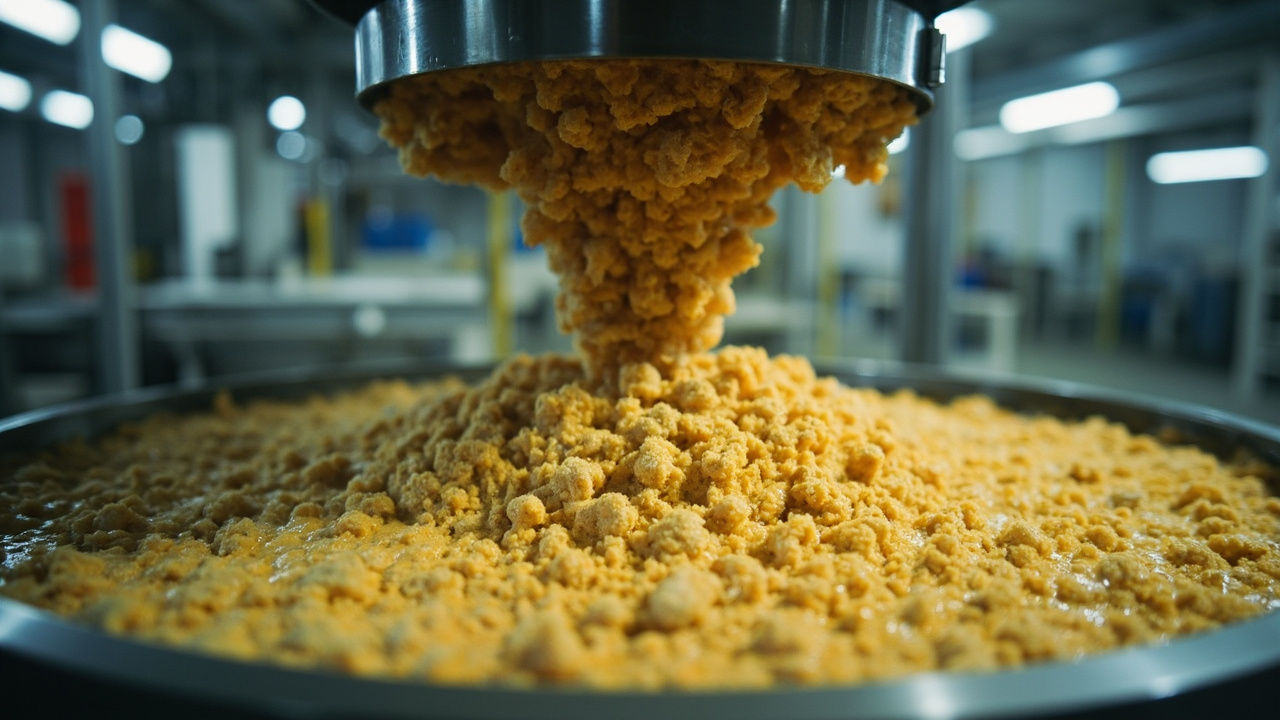
The root of agglomeration is surface-energy driven. According to the "surface effect" mentioned in nano material overview and classification, the smaller the nano particle size, the higher the proportion of surface atoms to total atoms, and the greater the surface energy. Thermodynamically, the system always tends to reduce surface energy, so particles approach and merge with each other to reduce the exposed high-energy surface. This is the fundamental reason why nano powder is "naturally prone to clumping". The specific mechanism can be understood in two layers.
The first is soft agglomeration. Particles are mainly bound by van der Waals forces, electrostatic attraction, and capillary forces in the medium. This binding is relatively weak and reversible—sufficient mechanical shear force (high-speed dispersion, bead milling, ball milling) can break them apart again. The vast majority of dry powders first form this kind of soft agglomeration in liquid phase.
The second is hard aggregation. Particles are bound through chemical bonds or strong physical interactions, such as Si–O–Si bridging oxygen bonds on SiO₂ surfaces, hydrogen bond networks, solvated bridges, and chemical sintering points on some metal oxide surfaces. Hard aggregation is very strong; ordinary stirring and dispersers can hardly open it, and it often requires surface modification in advance for prevention, or treatment under stronger process conditions. If not controlled at the formulation stage, hard aggregation will directly become particle defects in the coating film.
In addition to agglomeration, there is also sedimentation in liquid systems. According to Stokes' law, the sedimentation velocity of particles in a gravity field is proportional to the square of particle size and density difference, and inversely proportional to medium viscosity. That is to say, the larger the particle size, the greater the density difference between particle and medium, and the lower the system viscosity, the faster the sedimentation. The three major goals of dispersion work can be summarized in three sentences: break existing agglomerates, prevent re-agglomeration, and delay sedimentation velocity.
II. Three Physicochemical Pillars of Stability
To keep nano slurry stable over the long term relies on the superposition of three mechanisms. Almost all formulations and processes of water-based or solvent-based nano coatings are designed around these three pillars.
2.1 Electrostatic Stabilization
The principle of electrostatic stabilization is: by adjusting system pH or introducing charged groups, the particle surface carries the same kind of charge, forming an electric double layer; when two charged particles approach each other, the overlap of double layers produces repulsive force, pushing them apart. The quantitative framework of this theory is the classic DLVO theory—it superimposes the variation of van der Waals attraction and double-layer repulsion with distance to obtain the total potential energy curve. When the repulsive barrier is high enough, particles cannot cross the barrier to get close, and the system is stable; when the barrier is compressed and disappears by salt, particles fall into the attractive potential well and agglomerate immediately. The indicator quantifying this repulsive force is Zeta potential. General experience is that when |ζ| is greater than 30 mV (ideally greater than 40 mV), electrostatic repulsion is sufficient to resist van der Waals attraction, and the system is relatively stable. In aqueous systems, electrostatic stabilization is used most, for example nano TiO₂ adjusted to alkaline in water carries negative charge, and nano Al₂O₃ can also be charged by pH adjustment. ζ potential essentially reflects the potential at the shear plane (slip plane); it is strongly correlated with surface charge, ionic strength, and pH, so these conditions must be fixed during measurement for comparability.
But electrostatic stabilization has obvious limitations: it is very sensitive to ionic strength. Once the salt concentration in the system is high, or strong electrolyte is mixed in, the double layer will be compressed, the repulsive force decays rapidly, and particles approach and agglomerate again. This failure often comes quickly; from transparent blue slurry to white precipitate may only require adding a small amount of electrolyte. Therefore, aqueous nano slurries should avoid high-salt environments, and pay attention to electrolyte compatibility when compounding, especially before mixing with pigmented pastes and filler pastes containing electrolytes, it is best to do a small-sample compatibility test first.
2.2 Steric Stabilization
The principle of steric stabilization is: adsorb a layer of polymeric dispersant (such as polycarboxylate, polyurethane dispersant, comb copolymer) on the particle surface, forming a solvated polymer chain. When two particles approach, this polymer chain is compressed, producing entropic repulsion and osmotic repulsion, thereby preventing agglomeration. Steric stabilization is more robust for high-solid, high-salt, and organic solvent systems, so it is the most mainstream stabilization means in modern coatings.
There are several key points in using steric stabilization: first, the dispersant must be able to "anchor" on the particle surface, otherwise the adsorption layer will desorb; second, the solvated chain must be compatible with the medium—hydrophilic in water, lipophilic in solvent; third, the molecular weight of the dispersant must be appropriate—too short gives insufficient steric hindrance, too long easily causes mutual entanglement leading to thickening.
2.3 Electrosteric Stabilization
Combining electrostatic repulsion and steric hindrance gives electrosteric stabilization: both charging the particles and having a polymer adsorption layer on the surface. Such dispersants are usually polymers with ionic groups (such as anionic polyurethane dispersants), combining the advantages of both mechanisms and being the most stable. Most modern high-end aqueous nano slurries adopt this approach because it has better tolerance to pH drift and ionic strength.
III. Selection Logic of Dispersants and Surface Modification
If the dispersant is wrongly selected, no amount of grinding later can save it. Selecting a dispersant requires comprehensive consideration from three dimensions: medium, particle polarity, and target performance.
Select by medium. Aqueous systems commonly use ammonium or sodium polycarboxylate, acrylic comb copolymer, polyurethane dispersant; solvent-based systems need fatty amine, phosphate ester, high-molecular-weight polyester or polyurethane dispersants. The medium determines the chemical nature of the dispersant anchoring group and solvated chain.
Select by particle. Hydrophilic particles (unmodified SiO₂, TiO₂, Al₂O₃) are suitable for anionic or nonionic dispersants; hydrophobic modified particles (see nano SiO₂ hydrophobic modification) require low-polarity anchoring groups compatible with them. If the particle surface has been grafted with coupling agent, the selection window of dispersant will be wider.
Surface modification is superior to adding dispersant afterwards. Doing silane, titanate, or polymer grafting at the powder stage fundamentally changes the surface energy of particles, which is more fundamental than adding dispersant vigorously afterwards to improve compatibility and stability. Many hard aggregation problems cannot be opened by dispersants, and can only be prevented by surface modification.
The dosage window is critical. Too little dispersant cannot stabilize, too much leads to decreased water resistance, foaming, water sensitivity, or even gelation. The optimal dosage needs to be determined by combining adsorption measurement and viscosity optimization; usually there is an obvious optimal curve, absolutely not "the more the more stable". In practice, the "titration method" can be used to find the inflection point: gradually increase the dispersant, measure particle size and viscosity, until the particle size no longer decreases and the viscosity begins to rise abnormally; the reasonable dosage range is near that inflection point, then fine-tune with final coating film performance.
IV. Process Chain from Agglomerated Powder to Stable Slurry
The process chain of typical industrial nano slurry is roughly as follows, each step corresponding to a physicochemical goal.
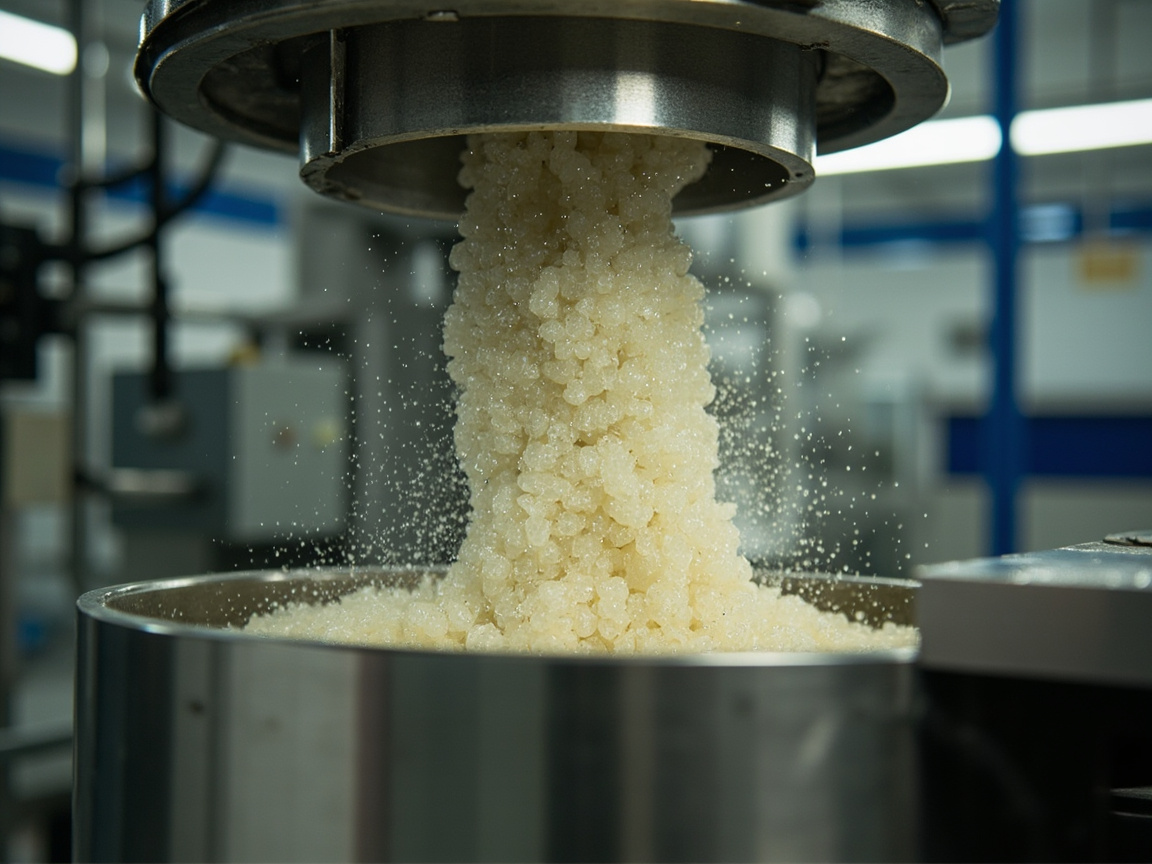
Step 1, premix wetting. Mix nano powder, medium, and dispersant at low speed into a slurry; the key is to wet every powder particle with medium, avoiding "dry lumps". Once dry powder is wrapped by a small amount of liquid into lumps, it is difficult to open later.
Step 2, high-speed dispersion. Use a saw-tooth disc disperser at higher linear velocity to shear and break lumps, reduce viscosity, and complete initial depolymerization. This step mainly uses mechanical energy to destroy soft agglomerates and prepare uniform slurry for the next grinding step.
Step 3, grinding (bead mill or ball mill). Use 0.1 to 0.8 mm zirconia beads to grind agglomerates to target particle size distribution (e.g., D50 less than 100 nm, or submicron, depending on particle type). Grinding time, bead diameter, and rotation speed jointly determine final fineness.
Step 4, viscosity adjustment and paint make-up. Add resin and additives to adjust solid content and viscosity to the target range, and defoam. This step determines whether the slurry can be used directly and is easy to apply.
Step 5, stability verification. Use dynamic light scattering (DLS) to see particle size, Zeta potentiometer to see charging, and centrifugation and room-temperature storage to observe sedimentation. Only after verification passed is it a qualified batch of slurry.
There are several recurring pitfalls in process: excessive grinding temperature destroys dispersants and resin, so temperature must be controlled or cooled; too small bead diameter easily clogs, too large is inefficient; too high solid content makes grinding difficult and prone to agglomeration, requiring balance. Empirically, making high-concentration "masterbatch" first then diluting is more controllable than making final solid content at once.
V. Criteria for Stability: How to Know If It Is Really Stable
Judging stability cannot rely only on "looks not settled"; there must be quantitative criteria, which heavily depend onInstruments introduced in nanomaterial characterization methods.
Zeta potential. An absolute value greater than or equal to 30 mV (ideally higher) is judged as relatively stable; below 20 mV it is very prone to agglomeration. Note that Zeta only reflects charge repulsion and does not mean steric hindrance is also sufficient.
DLS particle size and PDI. PDI (polydispersity index) less than 0.2 indicates relatively monodisperse; more importantly, the particle size should remain essentially unchanged over time. If D50 increases significantly after standing for one week, it indicates the system is slowly re-agglomerating.
Sedimentation and storage. Use accelerated centrifugation tests combined with room-temperature storage observation to check for layering, hard settling, and caking. Soft sediment can be redispersed by gentle shaking, while hard settling is irreversible.
Viscosity change over time. The viscosity of a stable slurry remains essentially unchanged over time; if it gradually thickens or even gels, it is often a signal of re-agglomeration or dispersant failure.
Redispersibility. Whether it can return to uniform after standing and gentle shaking is an important indicator of practicality. Slurries that can soft-settle and redispersperse have far higher field usability than hard-settling systems that sink completely.
When conducting stability evaluation at the factory end, accelerated methods are commonly used to compress time: for example, placing samples in a 50 ℃ oven for two weeks of heat storage to simulate changes of half a year to a year at room temperature; or using a benchtop centrifuge at several thousand rpm for fifteen minutes, equivalent to long-term sedimentation. These methods can quickly expose formulation defects, but cannot completely replace real room-temperature long-term storage data, because temperature and shear history both alter agglomeration kinetics. Therefore, before formal release, a batch of room-temperature retained samples must still be kept for long-term observation, generally at least three months to half a year, to provide a justified judgment on shelf life.
VI. Difficulties of high-solid nano slurries and masterbatch strategy
The overall trend of the coating industry is toward high-solid content, aimed at reducing VOC, which is clearly limited in GB 30981-2020. But nano powders are precisely the "natural enemy of high-solid content": they have huge specific surface area and high oil absorption value; under high-solid content there is little free liquid phase, and particles collide and aggregate more easily; viscosity rises rapidly, making grinding and application both difficult.
A common engineering solution is to make nano masterbatch: stabilize and disperse the nano powder at a high concentration of 20% to 40% first, and the customer dilutes it into the base paint at the recommended ratio when using. This ensures the most difficult "stable dispersion" is completed at the factory end with controllable quality, and is convenient for downstream use. The masterbatch has a second benefit: it solidifies the dispersant system and process parameters at the factory end; customers do not need to master complex grinding equipment and processes themselves, only need to do relatively simple dilution and compounding, significantly lowering the entry barrier. For coating factories or end users without sand milling capacity, masterbatch is almost the only feasible path to use nanomaterials. Kexin New Materials (kexinMaterials) delivers its nano masterbatches according to this logic, aiming to reduce the failure rate of downstream customers dispersing from scratch, and let nano functions stably enter the final coating.
Under high-solid content, low-viscosity resins and efficient dispersants must also be used, and sometimes the masterbatch must first be made with solvent, then adjusted during the dilution stage. There is a trade-off among solid content, viscosity, and stability, requiring repeated tests to find the process window. It should be reminded that once a high-solid masterbatch re-agglomerates, it is harder to rescue than a low-solid system, because there is little free liquid phase and insufficient medium to rewet, so high-solid content actually demands higher initial dispersion quality.
VII. Common dispersion defects and countermeasures
In actual production and compounding, the most frequently encountered defects are the following, with clear corresponding approaches.
Coarsening or particle growth. Cause: insufficient or failed dispersant, inadequate grinding. Countermeasure: add dispersant, extend grinding time, moderately reduce solid content.
Floating and flooding. Particles and pigments migrate at inconsistent rates, causing uneven color distribution. Countermeasure: adjust the dispersant and thickening system to match the migration rates of each component.
Thickening and gelling. High-solid content combined with excessive dispersant, or pH misalignment, causes system gelation. Countermeasure: optimize dispersant dosage, adjust pH to the appropriate range.
Hard settling. Strong agglomeration not broken open. Countermeasure: strengthen grinding, or do surface modification at the powder stage for prevention.
Foaming. The dispersant itself has surfactant properties, easily introducing bubbles. Countermeasure: add defoamer, control stirring speed.
Kexin New Materials (kexinMaterials) has locked the dispersant system and pH window in its masterbatch products; as long as customers operate at the recommended ratio when diluting and compounding, they can avoid most pitfalls that only occur when "dispersing from scratch". This is the idea of shifting technical risk forward to the factory end.

VIII. Dispersion strategy comparison table
Different stabilization mechanisms each have applicable boundaries; selection should be based on medium, solid content, and target performance. The table below gives a horizontal comparison of common strategies.
| Stabilization mechanism | Applicable medium | Key criterion | Main advantage | Main risk |
|---|---|---|---|---|
| Electrostatic stabilization | Water-based, low ionic strength | Zeta absolute value greater than 30 mV | Simple, no polymer film left on surface | Fear of salt, prone to failure on pH drift |
| Steric hindrance | Both water-based and solvent-based | Dispersant adsorption layer thickness | Salt-resistant, more stable at high solid content | Wrong dispersant selection degrades properties |
| Electrostatic-steric synergy | Mainly water-based systems | Zeta plus adsorption layer dual indicators | Most stable, highest tolerance | Relatively complex formulation |
| Surface-modified grafting | Depends on modification type | Contact angle, FTIR characterization | Fundamentally improves compatibility and stability | High cost, long process cycle |
| Masterbatch method | Water-based and solvent-based | Stable particle size at high concentration | Risk shifted forward, easy to use | Requires compatibility verification with customer system |
IX. Common misconceptions
Misconception 1: Just stir and it disperses. Wrong. Nano agglomeration requires the synergy of high shear, grinding, and dispersant; simple stirring can only wet the surface and cannot break open hard agglomerates.
Misconception 2: More dispersant means more stable. Wrong. Excess causes abnormal viscosity, reduced water resistance, and foaming; there is a clear optimal dosage window.
Misconception 3: High Zeta means no settling. Not necessarily. In extremely high-solid or large density-difference systems, even with charge stability, slow sedimentation occurs; steric hindrance and thickening are also needed as assistance.
Misconception 4: Nano masterbatch can be used directly as finished paint. Wrong. Masterbatch is a high-concentration dispersion that must be diluted into base paint at a ratio and have final properties re-inspected.
Misconception 5: Good dispersion means permanent stability. Wrong. Temperature, pH, electrolytes, and compounded resins can all destroy stability; storage and compatibility verification must be done.

X. How dispersion quality determines downstream coating performance
Many customers only care about "whether nano is added", but ignore "whether it is well dispersed", which is the most common cognitive bias in nano coating projects. In fact, dispersion quality directly determines whether nano functions can truly take effect; here are a few typical examples.
In reinforcement and toughening scenarios, if nano SiO₂ and Al₂O₃ exist as single particles or very small agglomerates, cracks will encounter particles during propagation causing deflection, bridging, and blunting, thereby absorbing energy; but once agglomerated into hard blocks of several microns, these hard blocks themselves become stress concentration points, making the film more brittle and easier to crack. That is, with the same addition amount, good dispersion reinforces, poor dispersion reduces strength.
In antibacterial and antimold scenarios, the antibacterial activity of nano Ag and ZnO strongly depends on specific surface area and accessible sites. After agglomeration, the exposed area of large particles drops sharply, and the effective antibacterial concentration per unit mass decreases significantly, either requiring more addition to achieve effect or simply failing. This is why Zeta and PDI of antibacterial slurries are mandatory factory inspections.
In UV shielding and self-cleaning scenarios, the shielding efficiency of nano TiO₂ and ZnO relates to the scattering cross-section of individual particles; agglomeration enlarges effective particle size and shifts scattering peaks, reducing shielding bandwidth. Superhydrophobic self-cleaning relies on micro-nano rough structures; if nano SiO₂ is not dispersed, the rough structure is uneven and contact angle cannot rise, so rolling self-cleaning is out of the question.
In anti-rust shielding scenarios, nano flakes (montmorillonite, graphene, nano-sized glass flakes) must be exfoliated and dispersed into single sheets to extend the path of corrosive media; if present as stacked blocks, the labyrinth effect is greatly reduced. Relevant content can be compared with the shielding mechanism described in nano composite anti-rust fillers. It can be seen that dispersion is not an isolated process, but a foundational capability running through all nano functional coatings.
XI. Compatibility management in compounding and storage
Even if the factory end produces a stable masterbatch, customers may still cause it to re-destabilize during dilution and compounding. Common triggers are of three types. The first is electrolyte conflict: mixing a slurry mainly stabilized by electrostatics with high-salt color paste collapses the double layer. The second is resin incompatibility: the solvating chain of the dispersant used in the masterbatch does not match the resin system of the customer's base paint, causing the adsorption layer to collapse. The third is pH drift: the two components have different pH, and after mixing the particles aggregate near the isoelectric point.
The avoidance method is straightforward: do a small-sample compatibility test before compounding, observe for 24 hours for thickening, flocculation, and layering; use recommended solvent for dilution, do not arbitrarily switch to solvents with large polarity differences; adjust pH to the masterbatch recommended range; for large-batch compounding, first pilot then scale up. These may seem trivial, but are key actions determining whether a nano coating project can be implemented.
FAQ
FAQ
Q:What is the difference between soft agglomeration and hard agglomeration of nanoparticles, and how does it affect the process?
Answer: Soft agglomeration is mainly bound by van der Waals forces and electrostatic forces, which are weak and reversible, and can be broken apart by mechanical shearing and grinding; hard agglomeration is strongly bound by chemical bridges (Si–O–Si, hydrogen bond networks), very difficult to break open, and often requires surface modification first to prevent it. The two determine the intensity needed in the dispersion process—if there is a lot of hard agglomeration, stronger grinding or modification means must be applied.
Question: What mechanisms does stable dispersion rely on?
Answer: The three pillars are electrostatic stabilization (adjusting pH to make particles carry the same charge, with high Zeta potential), steric hindrance (adsorbed layer of polymeric dispersant), and the combined electrosteric stabilization of the two. Coatings mostly use the latter two, especially in high-solid or solvent-based systems, where steric hindrance is more reliable than pure electrostatics.
Question: How high does the Zeta potential need to be to be considered stable?
Answer: Generally, an absolute value greater than or equal to 30 mV (ideally above 40 mV) indicates a relatively stable system; below 20 mV it is prone to agglomeration. But note that even with high Zeta, high-solid or high-density systems may still slowly settle, requiring combined control with steric hindrance and thickeners.
Question: Why should water-based nano slurries avoid salt?
Answer: High ionic strength compresses the electric double layer, causing electrostatic repulsion to fail and particles to approach and re-agglomerate. Therefore, water-based nano dispersions should avoid high salt and strong electrolytes; if unavoidable, switch to steric-hindrance-dominated dispersants.
Question: What are the key parameters of the bead milling process?
Answer: Mainly bead diameter (0.1 to 0.8 mm), grinding time, temperature, solid content, and linear velocity. Too small beads easily clog, too large are inefficient; excessively high temperature damages dispersants and resins, so temperature must be controlled. The goal is to bring D50 into the set range and keep PDI sufficiently low.
Question: What is a nano masterbatch, and why use it?
Answer: A nano masterbatch is an intermediate product in which nano powder is stably dispersed at a high concentration of 20% to 40%, and the customer dilutes it into the base paint as needed. It completes the most difficult "stable dispersion" at the factory end, significantly reducing the on-site dispersion failure rate downstream. Suppliers deliver nano slurries according to this logic.
Question: How to select a dispersant?
Answer: Select the anchoring group based on the medium (water or solvent) and particle polarity: hydrophilic particles use anionic or nonionic dispersants, hydrophobic-modified particles use low-polarity anchoring groups; the dosage should be optimized via adsorption amount and viscosity, as too much can harm performance.
Question: How to judge whether the slurry is actually stable?
Answer: Use Zeta (absolute value > 30 mV) plus DLS (PDI < 0.2, no particle growth) plus no settling upon storage or centrifugation, plus stable viscosity and easy redispersion upon light shaking, for a comprehensive judgment. For specific criteria and instruments, see Characterization Methods of Nanomaterials.
Question: Why is high-solid nano slurry harder to disperse?
Answer: Nano powder has high oil absorption; at high solid content there is little free liquid phase, particles easily collide and coalesce, viscosity spikes, and grinding is difficult. The solution is low-viscosity resin plus efficient dispersant, or first make a high-concentration masterbatch then dilute, to balance VOC reduction and stability.
Question: What data support can such nano masterbatches provide upon delivery?
Answer: Kexin New Materials (kexinMaterials) delivers stable, sprayable nano slurries or masterbatches, with DLS particle size and Zeta potential data at shipment, and provides recommended dilution and compounding ratios to help customers avoid the risk of on-site re-agglomeration.
Further Reading
- Characterization Methods of Nanomaterials: Quantifying dispersion "control" relies on "measurement"—use TEM, DLS, Zeta, BET to verify scale and stable state.
- Hydrophobic Modification of Nano SiO₂: Surface modification is a more fundamental stabilization means than adding dispersants afterward, explaining how hydrophobic customization improves compatibility.
- Overview and Classification of Nanomaterials: Review why the surface effect drives agglomeration, and understand the necessity of dispersion from the ground up.
- Nano TiO₂ Photocatalytic Self-Cleaning: Mechanism, Crystal Form and Coating Engineering
- Wood-Plastic Composite Nano Modification: Interface Engineering, Performance Enhancement and Weathering Resistance Improvement
- Industrial Paint Application: Airless Spray Parameters, Film Thickness Control and Coating Interval