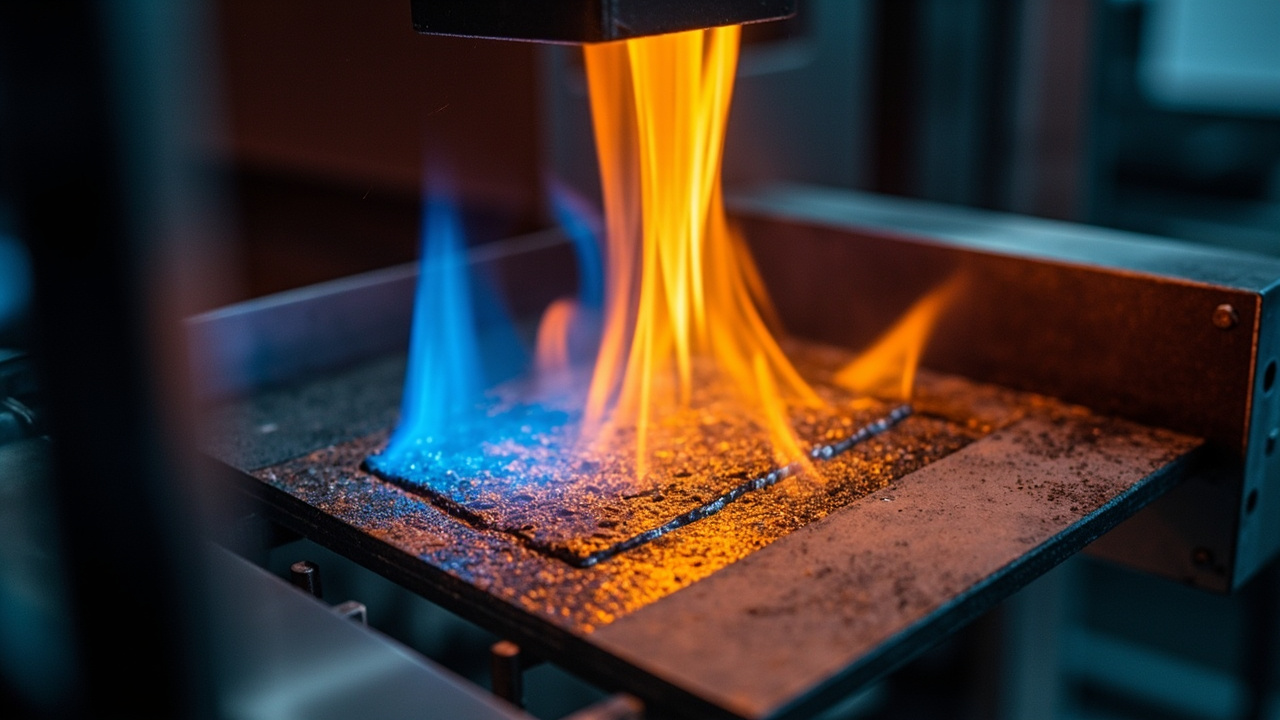
In the R&D and manufacturing chain of rail vehicles, fire safety is never a compromise. For a high-speed EMU fully loaded with passengers or a metro train operating in an enclosed underground space, once the interior decoration, cables, seats, coatings, and structural components release large amounts of heat, dense smoke, and toxic gases in a fire, the escape window left for occupants is often only a few minutes. It is precisely this extreme scenario that dictates that fire-retardant coatings and flame-retardant materials for rail transit must be subject to a much stricter standard system than ordinary industrial coatings. This article focuses on the core standard for fire protection of rail vehicles—the European EN 45545 system—and systematically reviews its alignment with relevant Chinese railway and urban rail standards, providing a reference technical map for coating R&D, vehicle design, testing and certification, and procurement selection.
Why rail transit safety has extreme requirements for fire protection
The reason why fire risks in rail transit are regulated as a separate system lies in three immutable characteristics of its operating environment. First, enclosure and high population density coexist. Metro trains run in tunnels, where the space is relatively enclosed and natural ventilation is limited; during peak hours, carriage occupancy density is extremely high, and once a fire breaks out, heat and smoke are difficult to expel quickly, and visibility drops rapidly. Second, the escape and rescue window is short. Although surface rail transit is relatively open, a train running at high speed cannot immediately stop at a safe location when a fire first breaks out, and the number of doors and evacuation passages is limited, with passenger evacuation relying on crew organization and facility availability. Third, there is a wide variety of materials and multiple ignition sources. From seat foam, floor leather, interior panels, cable insulation to various organic coatings, large amounts of polymer materials become fuel in a fire and release fatal toxic gases such as carbon monoxide, hydrogen cyanide, and hydrogen chloride.
For this very reason, the underlying logic of fire protection codes for rail transit in various countries is highly consistent: it is not required that materials "cannot burn", but that the "fire reaction performance" of materials under fire exposure is controllable—that is, the heat released during combustion is limited, flame spread is suppressed, smoke production is low, and smoke toxicity is low. Fire-retardant coating for rail vehicles is a key link in this logic: on one hand, the coating itself is a large-area organic or inorganic film covering the car body, underframe, bogie, and interior substrate, and its combustion behavior directly affects the overall fire load of the vehicle; on the other hand, specialized fire-retardant coatings can also form a thermal insulation layer on the surface of structural components, delaying steel heating and strength loss, and buying time for escape and rescue.
Overall architecture of the EN 45545 standard system
EN 45545 is a series of standards developed by the EU for fire protection of railway vehicles, fully named "Railway applications — Fire protection on railway vehicles". It is currently widely adopted in international rail transit equipment trade and certification, and is often used by Chinese vehicle export enterprises as a basis for meeting overseas order requirements. The system consists of multiple parts, among which the following three are directly related to materials:
– EN 45545-1: General. Specifies the principles of overall fire protection, the framework for hazard level classification, and general requirements, serving as the programmatic document for the subsequent parts. – EN 45545-2: Requirements for fire behaviour of materials and components. This is the core standard at the material and component level, classifying materials into multiple application categories from R1 to R28 according to end use, and giving limits for combustion, smoke production, and toxicity corresponding to three hazard levels HL1, HL2, HL3. The vast majority of tests for fire-retardant coating for rail vehicles fall under this part. – EN 45545-3: Fire resistance requirements for fire barriers. Targets "passive fire protection" components such as fire walls, fire boards, and fire-resistant structures, specifying their fire resistance integrity requirements (such as E-class duration), commonly used in structural fire design for bogie cavities and equipment compartments. – EN 45545-4 and EN 45545-5. The former focuses on fire safety requirements for vehicle design, and the latter on fire safety of electrical equipment, together forming a complete fire protection chain from materials to vehicle design.
It must be especially emphasized that the currently valid version is EN 45545-2:2020+A1:2023. The 2023 revision (A1 amendment) adjusted data sharing rules, referenced standards, and specific test clauses, clarifying the data correlation and report reference rules between the same material with different thicknesses or densities, enabling manufacturers to more economically expand the applicability of test reports. For rail vehicle projects still under development or submission for review in 2026, this revised version should be the compliance baseline.
HL1, HL2, HL3 hazard levels and applicable scenarios
Based on the risk level of train operation, EN 45545-2 divides fire protection requirements into three hazard levels, with higher levels being stricter:
– HL1 (lowest hazard level): Applies to vehicles or parts with relatively controllable operating environments and lower fire risk. For example, some line vehicles with lower operating speeds and smaller operational density, or non-critical exterior coverage areas of the car body. Achieving HL1 means the material has basically controllable fire reaction performance when exposed to fire. – HL2 (medium hazard level): Applies to most conventionally operated vehicles and is the most common requirement level in the market. Generally, materials meeting HL2 can satisfy the use requirements of most rail vehicles. – HL3 (highest hazard level): Applies to scenarios with the highest fire risk and the strictest requirements for occupant life safety, such as long-distance, high-density operating environments that are difficult to evacuate quickly, or specific critical parts. HL3 has the strictest limits for combustion, smoke production, and toxicity.
The selection of hazard level is not determined by the material itself, but comprehensively determined by factors such as the operating scenario of the vehicle's final application, formation density, tunnel proportion, and evacuation conditions. In other words, the same coating may be required to achieve different HL levels depending on the vehicle it is installed on, which is the most easily overlooked yet most critical step in the selection of fire-retardant coating for rail vehicles. Therefore, before coating selection and test submission, the vehicle manufacturer must clarify the hazard level positioning of the target model; otherwise, even if the material passes the test at a certain level, it may not be usable for the target vehicle due to level mismatch.
The table below summarizes the requirement gradient of the three hazard levels for typical surface materials (taking R1/R7 class surface materials as an example; values are illustrative and the specific limits shall be subject to the official standard tables):
| Hazard Level | Typical Description of Applicable Scenario | Flame Spread (CFE, higher is better) | Heat Release (MARHE, lower is better) | Smoke Density (Ds, lower is better) | Smoke Toxicity (CITG, lower is better) | Severity |
|---|---|---|---|---|---|---|
| HL1 | Vehicles with lower risk or non-critical exterior parts | Relatively lenient requirements | Relatively lenient requirements | Representative value ≤ approx. 150 | Representative value ≤ approx. 1.5 | Basic |
| HL2 | Conventionally operated vehicles (most common demand) | Medium requirements | Moderate requirement | Stricter than HL1 | Stricter than HL1 | Moderate |
| HL3 | High-risk, hard-to-evacuate scenarios and critical parts | Highest requirement | Highest requirement | Highest requirement | Highest requirement | Strictest |
> Note: The "HL1 requires oxygen index ≥28%, smoke density ≤150, toxicity ≤1.5" often cited in user and industry materials is a representative combination of indicators for HL1 for some surface material categories. The actual specific limits for each R category are listed separately in the standard tables, and the determination parameters and limits for oxygen index (EN ISO 4589-2), smoke density (EN ISO 5659-2), and toxicity (EN 17084) are refined by category.
Detailed Explanation of Test Categories R1 to R28
EN 45545-2 subdivides materials by end use into 28 application categories from R1 to R28, each corresponding to specific test methods and determination parameters. For coatings and coating systems, the most frequently involved are R1 (surface materials, such as large-area coatings inside the vehicle body) and R7 (external surface materials, such as exterior coatings of the vehicle body). The main test categories are sorted below by functional dimension:
| Category Code | Material/Component Type | Main Test Content | Common Test Methods |
|---|---|---|---|
| R1 | Interior surface materials of vehicle (wall, ceiling and other large-area coatings) | Flame spread, heat release, smoke density, toxicity | EN ISO 5658-2, EN ISO 5660-1, EN ISO 5659-2, EN 17084 |
| R2 | Limited interior surface materials of vehicle | Same as R1 but area-limited | Same as above |
| R3 | Strip materials inside vehicle | Flame spread, heat release, etc. | EN ISO 5658-2, EN ISO 5660-1, etc. |
| R4 | Light diffusers | Specific flame and thermal performance | Dedicated tests |
| R5 | Air filter materials | Single ignition source flammability | EN ISO 11925-2 |
| R6 | Passenger seats | Combustion and smoke production | Cone calorimeter, etc. |
| R7 | External surface materials of vehicle body (exterior coating of vehicle body) | Flame spread, heat release, smoke density, toxicity | Same as R1 |
| R8 | External roof structures and containers | Fire performance of external structures | Specific |
| R9 | Suspension airbags, wheels, brake discs, rubber parts | Burning behavior | Cone calorimeter, etc. |
| R10 | Flooring materials (floor) | Flame propagation (horizontal) | EN ISO 9239-1 |
| R11 | Arc-resistant insulating material Type A | Flame spread, heat release, smoke, toxicity | EN ISO 5658-2, etc. |
| R12 | Arc-resistant insulating material Type B | Same as R11 | EN ISO 5658-2, etc. |
| R13 | Brake resistors, etc. | High-temperature fire exposure | Specific |
| R14–R21 | Various cables, hoses, seals, etc. | Burning, smoke, toxicity and flame spread | Corresponding specific |
| R22–R24 | Small components and connectors | Oxygen index and other small-scale specimen methods | EN ISO 4589-2, etc. |
| R25–R26 | Multi-dimensional smoke toxicity and comprehensive performance | Smoke density, toxicity, etc. | EN ISO 5659-2, EN 17084 |
| R27–R28 | Light diffusers, flooring materials and other supplementary categories | Corresponding fire performance | Specific |
It should be noted that the latest structure of the standard has expanded the application categories to R28, covering more subdivided materials. For fire-retardant coating of rail vehicles, the focus is usually on R1 (interior surfaces) and R7 (exterior surfaces), as these two categories most comprehensively evaluate the four core parameters of materials: flame spread (CFE), maximum average heat release rate (MARHE), smoke density (Ds(4), VOF4 or Ds max) and smoke toxicity index (CITG). The test methods for R1 and R7 are basically the same, with only differences in the parameters selected and limits applied for assessment; therefore, in actual submission for testing, they can usually be applied for together, and the laboratory will determine which hazard class the material complies with based on the test results.
Exemption rules for coating systems
EN 45545-2 sets conditional exemptions for organic coatings: when the nominal coating thickness (including any surface filler) of exterior vehicle products is less than 0.3 mm, or the nominal thickness of organic coatings on interior products is less than 0.15 mm, and they are applied on non-combustible substrates compliant with standard 4.2 a) (such as A1-class products per EN 13501-1, inner layers of laminated glass not exposed and with organic material mass percentage ≤6%, etc.), testing for heat release rate, smoke density, and toxicity index may be exempted, but flame spread testing (EN ISO 5658-2 or EN ISO 9239-1) is still required. This rule has practical significance for the design of thin coating systems, but it also means that if one intends to rely on the "thin coating exemption" to avoid the full set of tests, strict compliance must be achieved in terms of substrate non-combustibility and thickness control.
Key Indicator Values: Oxygen Index, Smoke Density, and Toxicity
In the evaluation of fire-retardant coatings for rail vehicles, several frequently appearing quantitative indicators are worth explaining separately:
– Oxygen Index (LOI): Determined according to EN ISO 4589-2, it represents the minimum oxygen concentration required for a material to sustain combustion in a nitrogen-oxygen mixed gas; a higher value indicates greater difficulty to burn. In industry references, the representative oxygen index requirement for HL1 is ≥28%, a value often used as the entry threshold for flame-retardant coating formulations. – Smoke Density: Determined according to EN ISO 5659-2, commonly expressed as Ds(4) (light density at 4 minutes of test), VOF4 (total smoke production in first 4 minutes), or Ds max (maximum smoke density). Lower smoke density means longer visibility maintenance during a fire. The representative smoke density limit for HL1 is approximately ≤150. – Smoke Toxicity Index (CITG): Determined according to EN 17084 or NF X70-100, quantifying the threat of smoke to life through animal exposure or chemical analysis. The representative toxicity limit for HL1 is approximately ≤1.5. – Maximum Average Rate of Heat Emission (MARHE): Determined by cone calorimeter according to EN ISO 5660-1, reflecting the material's ability to continuously release heat; a smaller value means safer. – Critical Flux for Flame Spread (CFE): Determined according to EN ISO 5658-2, a larger value indicates shorter flame spread distance and better flame retardancy.
Understanding the directionality of these indicators is crucial: oxygen index and critical flux for flame spread are "the larger the better", while heat release, smoke density, and toxicity index are "the smaller the better". Coating formulation design is essentially seeking a balance among flame retardant type and dosage, heat resistance of the film former, and filler system, so that the above indicators simultaneously meet the requirements of the target hazard level.
Comparison with Historical and Regional Standards such as BS 6853, DIN 5510, NFPA 130
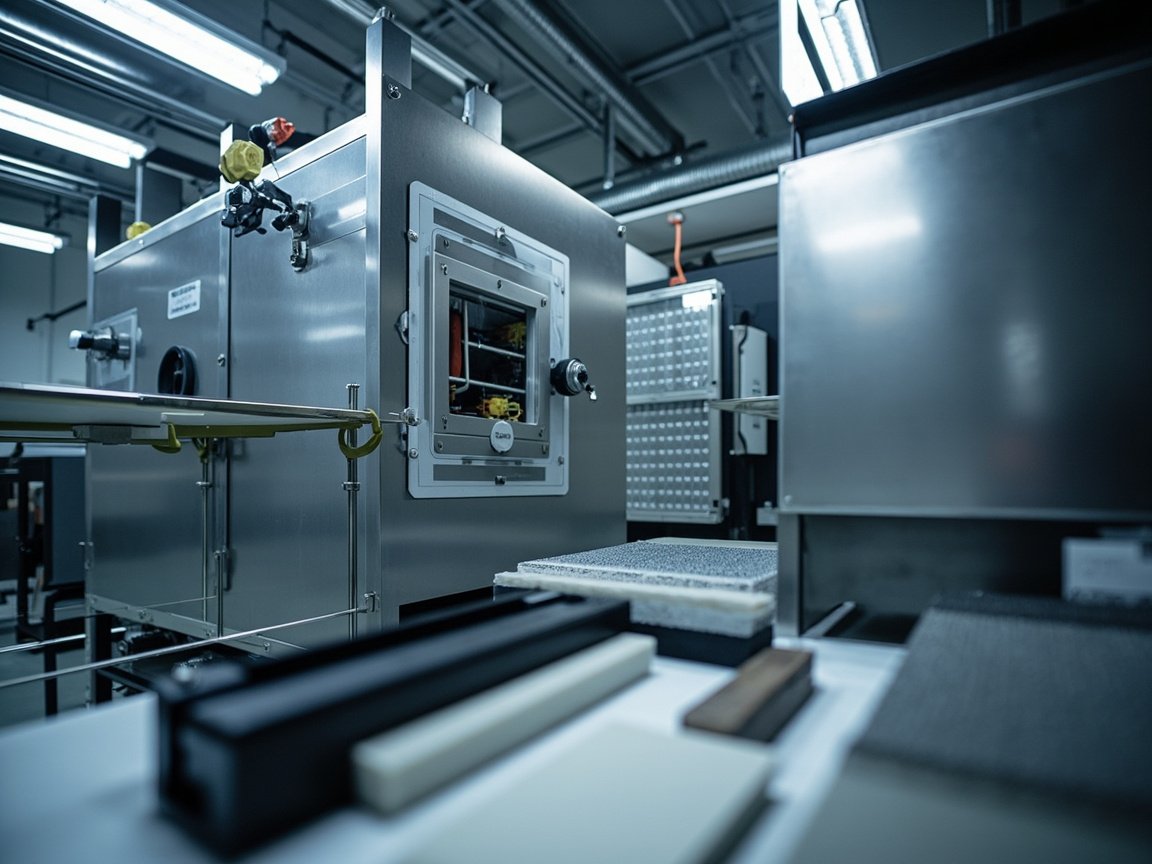
Before EN 45545 became the unified EU standard, multiple sets of fire protection codes for rail vehicles coexisted in various European countries and regions for a long time. Understanding their evolution helps explain the current standards landscape:
– BS 6853 (UK): UK's fire performance specification for the design and wiring of passenger trains, graded by vehicle type and operational risk, emphasizing material smoke production and toxicity. As the UK adopted EU harmonized standards, its role was gradually replaced by EN 45545, but it is still referenced in some Commonwealth projects and existing vehicle maintenance. – DIN 5510-2 (Germany): German rail vehicle fire protection standard, using S (combustion), SR (smoke), ST (toxicity) classification system, long served as one of the mainstream European rail transit fire protection codes, later integrated and replaced by EN 45545. – NF F 16-101 / NF F 16-102 (France): French railway vehicle fire protection standards, also classifying by combustion, smoke production, and toxicity, used in France and some French-speaking regions. – NFPA 130 (USA): Standard for Fixed Guideway Transit and Passenger Rail Systems published by the US National Fire Protection Association, focusing on system-level fire protection and evacuation requirements, differing from the European approach centered on material classification. – UIC 564-2, TB/T 3237, TB 3138 (China): Standards of the International Union of Railways and China's railway industry related to interior/vehicle fire protection, forming another technical thread of China's rail vehicle fire protection.
The following table provides a horizontal comparison of the positioning and characteristics of different standards:
| Standard/Specification | Source Region | Core Approach | Classification Method | Current Status |
|---|---|---|---|---|
| EN 45545-2:2020+A1:2023 | EU | Material fire reaction (combustion, smoke, toxicity) | R1–R28 categories + HL1–HL3 levels | EU unified dominant, internationally common |
| BS 6853 | UK | Vehicle materials and wiring fire protection | Graded by vehicle/risk | Gradually replaced by EN 45545 |
| DIN 5510-2 | Germany | Material combustion/smoke/toxicity | S / SR / ST classification | Historical mainstream, already integrated |
| NF F 16-101/102 | France | Material combustion/smoke/toxicity | Classification rating | Limited use in French-speaking regions |
| NFPA 130 | USA | System fire protection and evacuation | Performance and system requirements | Dominant in North America |
| TB/T 3237, TB 3138 | China | Vehicle interior / locomotive fire protection | Domestic industry classification | Mandatory/recommended reference for domestic vehicles |
It can be seen that global fire protection for rail vehicles is showing a trend of "converging toward unified and coordinated standards." Due to its complete architecture covering material classification, structural fire protection, whole-vehicle design, and electrical equipment, EN 45545 has become the most frequently designated compliance basis in cross-border equipment trade.
How China's Standards Align with EN 45545
While meeting domestic operational needs, China's rail transit equipment is also largely exported to the "Belt and Road" and global markets. Therefore, the alignment between China's standard system and EN 45545 is an unavoidable topic for vehicle manufacturers and coating suppliers. China has established a relatively complete standard system for railway coatings and fire protection, mainly including:
– TB/T 1527 "Protective Coating for Railway Steel Bridges": Specifies the anti-corrosion coating system for railway steel bridges, covering surface treatment, primer, intermediate coat, topcoat, and film thickness requirements; it is a classic basis for steel structure anti-corrosion. – Q/CR 749.1/2/3-2020 "Coating for Railway Passenger/Freight Cars": Enterprise standards of China Railway Corporation (now China State Railway Group), respectively addressing the coating technical conditions, coating quality, and inspection methods for railway passenger cars, freight cars, and other vehicles. – GB/T 30790 "Paints and Varnishes — Corrosion Protection of Steel Structures by Protective Paint Systems": Equivalent to ISO 12944, it is a general international alignment standard in the field of corrosion protection, providing environmental corrosivity categories (C1–C5, CX/Im1–Im3) and supporting design basis for rail steel structure anti-corrosion coating. – TB/T 3237, TB 3138: Respectively involve fire protection requirements for interior decoration materials of railway passenger cars and internal non-metallic materials of rolling stock, serving as important technical references for domestic vehicle fire protection.
The key to alignment is not "replacing one standard with another," but understanding the respective evaluation dimensions of the two systems and achieving equivalent demonstration. For example, in EMU projects exported to Europe, interior coatings typically need to be tested by European qualified laboratories according to R1/HL2 or HL3 of EN 45545-2; whereas for vehicles operating domestically, anti-corrosion and coating quality control are more often completed based on TB/T, Q/CR, and GB/T 30790. For coating companies serving both domestic and international markets, the most pragmatic path is: establish the anti-corrosion and construction foundation system with GB/T 30790 and Q/CR 749, then complete fire performance benchmarking with R1/R7 and HL grades of EN 45545-2, forming the capability of "one formulation, two sets of evidence."
Material Market Size: €4.26 Billion, China Accounts for 28%, CAGR about 8.5%
According to industry research data, the market for rail vehicle fire-protection and flame-retardant materials related to EN 45545-2 (including coatings, interior trims, cables, and other materials subject to fire reaction constraints) is approximately €4.26 billion in 2025, of which the Chinese market accounts for about 28%, corresponding to about €1.2 billion of local demand; this segment is expected to have a compound annual growth rate (CAGR) of about 8.5% in the coming years, significantly higher than the ordinary industrial coating market.
This growth is driven by three forces: First, the continuous expansion of China's high-speed rail network — by the end of 2025, the national railway operating mileage reached 165,000 km, of which high-speed rail exceeded 50,000 km, with about 80% of the "eight vertical and eight horizontal" main corridors completed; in 2026, the national railway plans to put more than 2,000 km of new lines into operation, with infrastructure investment of about ¥520 billion. Second, the rapid rollout of urban rail transit — as of December 31, 2025, 54 cities nationwide have opened 343 urban rail transit lines with an operating mileage of 11,710.3 km, and the total new operating mileage in 2025 was 764.7 km. Third, existing vehicles are entering a major overhaul and renewal cycle, and the replacement demand for fire-retardant coatings and interior materials in refurbishment continues to be released.
Certification Barriers and Layout of Domestic and Foreign Enterprises
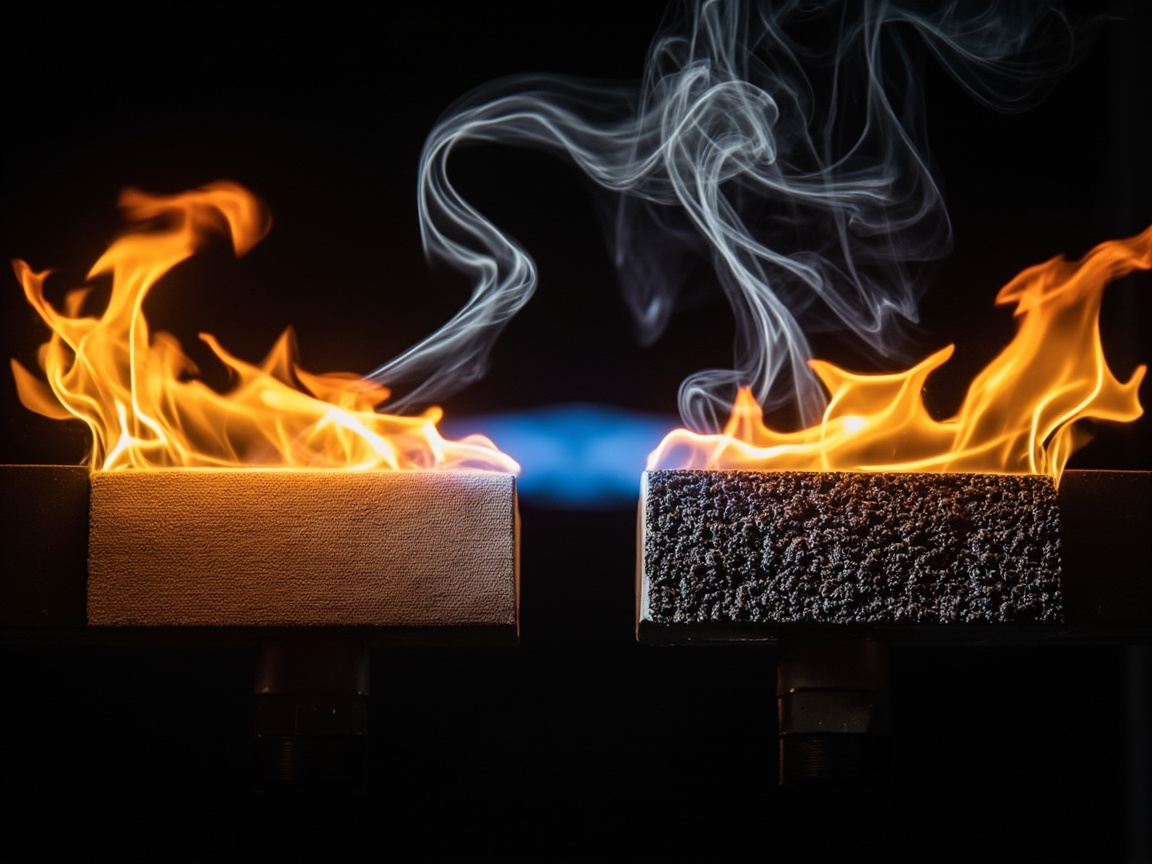
Entering the rail vehicle fire-retardant coating field, the biggest threshold is not the formulation itself, but the certification barrier. EN 45545-2 testing must be completed in laboratories with ISO/IEC 17025 qualification (such as CNAS-accredited institutions). From material confirmation, sample preparation, test execution to result evaluation and certification application, the cycle is long and the cost is high, and different R categories and different HL grades require separate demonstration. What is more tricky is that when the coating system is submitted as a "composite system," the composition, coating thickness, and substrate must be clearly defined, and any formulation or process change may require re-evaluation. This high threshold objectively increases industry concentration and also gives the test report assets of first-movers a moat effect.
From a global perspective, rail vehicle coatings have long been dominated by foreign giants, including PPG, AkzoNobel, BASF, Axalta, etc. They occupy the high-end market by virtue of mature fire-retardant formulations, global testing layout, and binding with vehicle manufacturers' supply chains. At the same time, domestic industrial protective coating enterprises represented by Kexin New Materials (Guangdong) Co., Ltd. are actively entering the rail vehicle coating track relying on their technical accumulation in anti-corrosion, flame retardancy, and high-performance industrial coatings, striving to establish advantages in the localization substitution window for fire-retardant coatings and steel structure anti-corrosion systems through formulation localization, testing localization, and rapid service response.
In-Depth Interpretation: How Three Major Tests Determine the "Fire Reaction Fate" of Coatings
To truly understand the constraints of EN 45545-2 on rail vehicle fire-retardant coatings, one must return to the test methods on which it relies for evaluation. The core fire reaction evaluation in the standard is supported by seven types of test methods, of which five are most relevant to coatings.
Cone Calorimeter Method (EN ISO 5660-1)
This is the core means of evaluating heat release. When the specimen is subjected to a constant radiant heat flux (commonly 35 kW/m² or 50 kW/m²), the heat release rate (HRR) is measured in real time by the oxygen consumption principle. The standard focuses on the maximum average heat release rate MARHE — it better reflects the sustained heat release capability of the material in a real fire than the instantaneous peak. For coatings, the lower the MARHE, the less heat the coating feeds back to the environment when exposed to fire, and the less likely it is to ignite adjacent materials and aggravate the fire. Introducing an intumescent flame-retardant system (which expands upon heating to form a porous char layer to insulate heat) or increasing the proportion of inorganic fillers in the formulation are common technical routes to suppress MARHE.
Lateral Flame Spread Method (EN ISO 5658-2)
It is used to determine the flame spread behavior on the material surface, with the critical heat flux CFE as the judgment parameter. The test applies a gradient radiant heat field on the specimen surface and ignites one end, observing the critical heat flux position where the flame can sustain propagation. The larger the CFE value, the less likely the material is to sustain flame spread even under higher radiant heat environments, indicating better flame retardancy. For large-area interior coatings (R1) and exterior coatings (R7), CFE is a mandatory and key item.
Smoke Density Test (EN ISO 5659-2)
In a closed smoke chamber, the light density of smoke produced by the irradiated specimen is measured to obtain Ds(4) (light density at the 4th minute), VOF4 (total smoke production in the first 4 minutes), or Ds max (maximum smoke density). In rail vehicle fires, loss of visibility caused by dense smoke is often the primary cause of casualties, so smoke density limits are strictly set. In coating formulations, reducing halogen-containing flame retardants, controlling the proportion of unsaturated structures, and introducing smoke-suppressing fillers (such as aluminum hydroxide and magnesium hydroxide that absorb heat and dilute smoke during decomposition) are the mainstream ideas for controlling smoke density.
Toxicity Test (EN 17084 or NF X70-100)
By measuring the concentrations of toxic components such as carbon monoxide, hydrogen cyanide, hydrogen chloride, hydrogen fluoride, and sulfur dioxide in the smoke, the smoke toxicity index CITG is calculated. In rail transit fire fatality cases, carbon monoxide and hydrogen cyanide are the main killers. Low-toxicity formulations require avoiding components with excessively high nitrogen or halogen content or those that release highly toxic gases during pyrolysis, which challenges traditional solutions known for halogen-containing flame retardants and also promotes the development of halogen-free intumescent systems.
Oxygen Index Method (EN ISO 4589-2) and Small Specimen Method
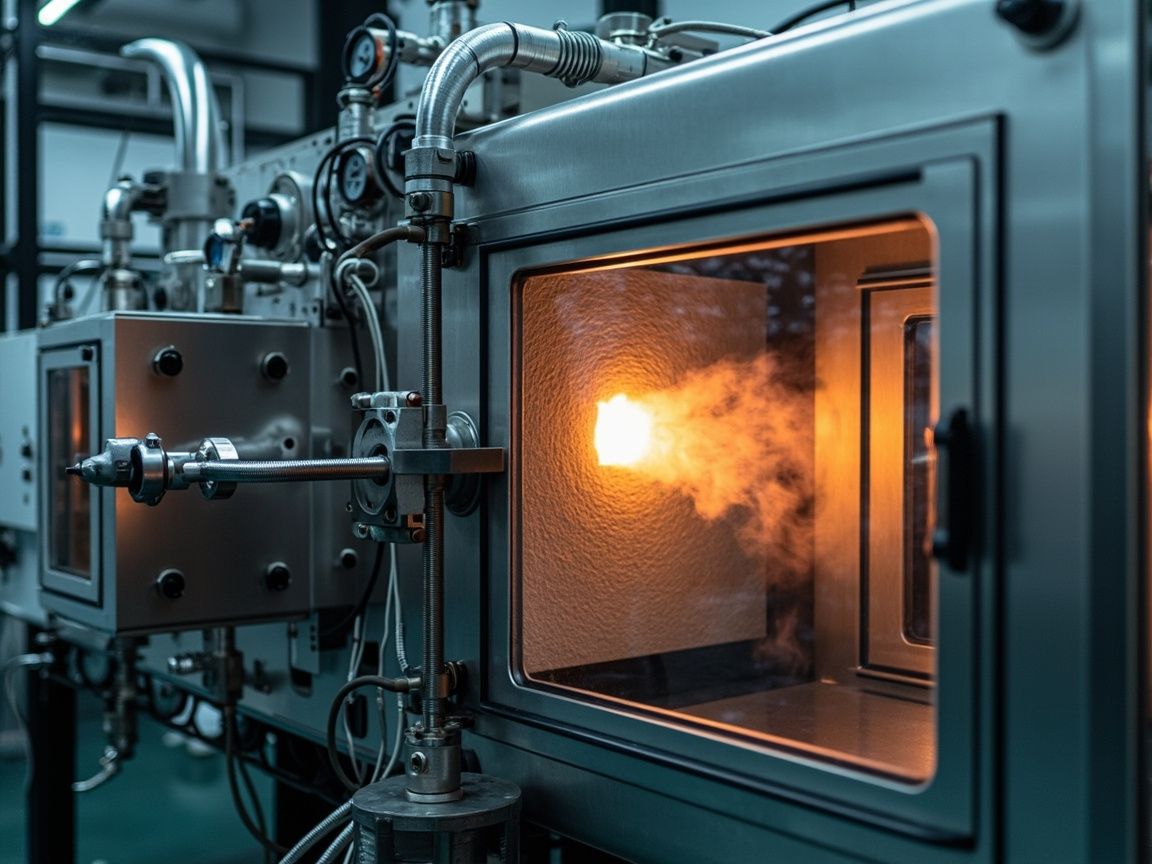
For small components or thin-layer materials such as R22 and R24, the oxygen index method is commonly used for rapid evaluation of flame retardancy. An oxygen index ≥28% is a representative threshold for HL1, meaning the material needs an oxygen-enriched environment to sustain combustion and is difficult to continuously ignite in daily air.
Formulation Strategy: How to Balance Between Burning, Smoke, and Toxicity
Coating formulations that meet EN 45545-2 essentially solve for multiple objectives of "non-combustible — flame suppression — low smoke — low toxicity — durability — aesthetics." Common technical routes in engineering practice include:
– Intumescent fire-protection system: When heated, the acid source, carbon source, and gas source in the coating act synergistically to expand and form a dense porous char layer, which both blocks heat (reducing MARHE) and physically isolates oxygen. This type of system is significantly effective in reducing heat release, but needs to solve the stability of the char layer in typical fire environments and the decay of expansion performance after long-term storage. – High inorganic filler systemLarge amounts of inorganic fillers such as aluminum hydroxide, magnesium hydroxide, expanded graphite, and mica are introduced to improve the thermal stability and char yield of the coating, while also suppressing smoke. The trade-off is that the flexibility and decorative properties of the film may decrease, requiring compensation in the selection of the base resin. – Halogen-free flame-retardant route: Replacing traditional brominated/chlorinated flame retardants with phosphorus-nitrogen systems and metal hydroxide systems reduces toxic and corrosive smoke at the source, better aligning with European and global green regulatory trends, but often at the expense of some processing window and cost-effectiveness. – Water-based and high-solids: Reducing VOC while maintaining fire-retardant performance aligns with environmental directions and improves construction safety. The EU REACH regulation has restricted the use of zinc chromate (zinc yellow) in railway coatings since January 2026, forcing formulations to shift to safer anti-rust pigments such as zinc aluminum phosphate, a change that directly affects primer system design.
Fire protection of bogie and underframe structures from the perspective of EN 45545-3
When the discussion extends from "material fire reaction" to "structural fire protection", we enter the scope of EN 45545-3. This part targets passive fire protection components such as fire walls, fire boards, and fire-resistant structures, specifying their fire resistance integrity (such as E15, E30 and other time-rating classes, indicating the number of minutes of maintaining integrity under standard fire exposure). In rail vehicles, areas such as bogie cavities, equipment compartments, and battery compartments are high fire-risk points; relying solely on material classification is insufficient to ensure safety, and structural fire protection design is also needed to delay heat transfer to critical load-bearing members.
Domestic universities have carried out relevant forward-looking research. For example, Tongji University's research on fire-retardant and flame-retardant coatings for bogies and underframes starts from the structural fire protection concept of EN 45545-3, exploring the application of flame-retardant and thermal-insulating coatings on the surfaces of steel components such as bogies and underframes, so that the heating rate of steel under high fire temperatures is reduced and the duration of strength retention is extended, thereby providing passive protection redundancy for the overall vehicle structural safety. This type of "structural fire protection coating" complements the aforementioned "material fire reaction coating": the former focuses on the mechanical integrity of steel in fire, while the latter focuses on the burning, smoke, and toxicity performance of the coating itself; together they form the complete technical puzzle of fire protection for rail vehicles.
Practical testing and certification process and common failure points
Compliance of rail vehicle fire-retardant coating with EN 45545-2 typically goes through the following process: material confirmation (clarifying composition, thickness, substrate) → sample preparation (panel making according to actual construction process) → laboratory testing (ISO/IEC 17025 accredited institution) → result evaluation (against target R category and HL class) → certification/report issuance. Common failure and risk points in practice include:
– Substrate and process mismatch: The substrate, surface treatment, or coating thickness used in the submitted sample panel are inconsistent with the actual vehicle application, causing the report to fail to cover the real system. – Thickness exceeding exemption boundary but declared as exempt: Misjudging the thin-coating exemption condition, resulting in insufficient performance exposed in the flame spread test. – Smoke density or toxicity marginally exceeding limits: Using large amounts of halogen-containing flame retardants to suppress heat release, which instead pushes up toxicity or smoke density, losing one while gaining another. – Formulation change without retesting: Adjusting filler or resin ratio to reduce cost without re-evaluation, causing report invalidation during vehicle certification. – Selecting lower hazard class: Tested and passed at HL1, but the target vehicle actually requires HL2/HL3, resulting in duplicate investment.
Differences in fire rating selection between high-speed rail and urban rail
Despite both being rail vehicles, high-speed EMUs and urban metro often differ in fire rating selection. High-speed rail has high operating speeds, long single-trip distances, and a high proportion of tunnel sections on some lines, leading to generally higher requirements for overall vehicle fire integrity, with key parts often pointing to HL2 or even HL3; while urban metro, although extremely high in passenger density, has short station spacing, relatively frequent evacuation, and many vehicles are standardized marshalling within the same city network, so rating selection relies more on the risk assessment conclusions of specific lines. This difference directly transmits to coating selection: export or high-end high-speed vehicles tend to use coating systems fully validated at HL3, while some urban rail projects may adopt HL2 schemes supported by risk assessment to balance cost.
2026 compliance new variable: impact of green regulations on formulations
Entering 2026, rail vehicle fire-retardant coatings face not only the fire standards themselves but also superimposed environmental constraints. As mentioned earlier, the EU REACH regulation has restricted the use of zinc chromate anti-rust pigments in railway coatings since January 2026, which directly impacts the anti-rust scheme of traditional epoxy primers, forcing companies to shift to chromium-free alternative systems such as zinc phosphate, zinc aluminum phosphate, and modified flake fillers. At the same time, the promotion of water-based, high-solids, and powder coatings on rail vehicles also requires simultaneous achievement of fire-retardant performance and low VOC targets. For domestic coating enterprises, this is both a compliance challenge and a window to achieve corner-overtaking by virtue of rapid formulation iteration capability.
Common types and application areas of rail vehicle fire-retardant coatings
From the perspective of coating area and function, rail vehicle fire-retardant coatings can be roughly divided into the following categories, each with different corresponding R categories and hazard class requirements:
– Interior decorative surface coating: Covers large interior surfaces such as side walls, roof panels, and partitions, classified into R1 category, is the front line of smoke density and toxicity control, usually requiring at least HL2. – Vehicle exterior coating: Covers vehicle skirts, facades, etc., classified into R7 category, in addition to fire reaction performance, it also needs to balance weather resistance, gloss retention, and resistance to cleaning agents. – Bogie and underframe fire-retardant coating: Belongs to the structural fire protection concept (echoing EN 45545-3), delaying steel heating through thermal insulation, and is key redundancy for passive fire protection. – Cable and hose coating/sheath: Classified into corresponding R category, focusing on flame spread not extending along the line, avoiding "chain fire spread". – Floor and flooring material companion coating: Classified into R10 (horizontal flooring), evaluated by EN ISO 9239-1 radiant panel method for flame propagation. – Equipment compartment and battery compartment coating: High-risk enclosed spaces, often requiring higher HL class and combined with structural fire protection design.
This "area–category–class" mapping requires coating suppliers to clearly state which category and class the coating system has passed testing for when providing products, otherwise the vehicle manufacturer cannot include it in the compliant bill of materials.
How to read an EN 45545-2 test report
A qualified EN 45545-2 test report should at least contain the following key information, which purchasers and technical personnel should check item by item when reading:
1. Standard version: Whether EN 45545-2:2020+A1:2023 is indicated, to avoid citing an obsolete old version. 2. Application category R code: Clearly stating whether it is R1, R7, or other; category mismatch makes the report unusable. 3. Hazard class HL determination: The report should give the conclusion of HL1/HL2/HL3 achieved by the material. 4. Coating system description: Substrate, surface treatment, names of each layer of coating, thickness, total thickness, must be consistent with the vehicle application. 5. Test method and results: List measured values and corresponding limits of CFE, MARHE, Ds(4)/VOF4/Ds max, CITG, etc. 6. Laboratory qualification: Possessing ISO/IEC 17025 and corresponding accreditation (such as CNAS) qualifications. 7. Validity period and change clauses: Clarifying the applicable scope of the report and retesting requirements after formulation/process changes.
In practice, many vehicle manufacturers require coating suppliers to provide a "coating system level" report rather than a single coating report, because what is finally installed on the vehicle is a multi-layer composite system, and single-layer qualification does not mean overall qualification.
Trends in fire protection requirements of typical domestic and foreign projects
Observing rail vehicle tenders and technical conditions at home and abroad in recent years, several common points can be found: first, export-to-Europe and high-end domestic projects increasingly explicitly require EN 45545-2 HL2/HL3 full-item reports, and mere reliance on enterprise standards is difficult to satisfy; second, the weight of smoke and toxicity indicators for interior materials is rising, and halogen-free low-smoke low-toxicity has become the mainstream demand; third, structural fire protection (EN 45545-3) is adopted by more projects in high-risk areas such as bogies and equipment compartments; fourth, fire compliance and green compliance (low VOC, chromium-free) are considered together, pushing "both fire-retardant and eco-friendly" formulations to become standard rather than a bonus. These trends jointly raise the industry threshold and also benefit enterprises with systematic R&D and testing capabilities.
Analysis of common cognitive misconceptions
In the selection and application of rail vehicle fire-retardant coatings, there are several misconceptions that need clarification. Misconception one is equating "flame retardant" with "non-combustible"; in fact, the standard assesses the controllability of fire reaction when exposed to fire, not absolute non-combustibility. Misconception two is believing that thin coatings are always exempt from testing, ignoring the strict preconditions of exemption on substrate non-combustibility and thickness. Misconception three is only looking at oxygen index while ignoring smoke density and toxicity; in real fires, smoke and toxicity are often the main causes of casualties. Misconception four is using a single-layer coating report as a vehicle coating system report, leading to compliance gaps. Misconception five is completely replacing European standards with domestic standards for export vehicles, causing certification failure. Clarifying these misconceptions helps vehicle manufacturers and coating suppliers establish more robust compliance strategies.
Collaborative design of fire-retardant coating and anti-corrosion coating
On rail vehicles and steel structures, fire protection and anti-corrosion are not two independent requirements, but need to be collaboratively achieved within the same coating system. Taking railway steel bridges as an example, TB/T 1527 specifies the anti-corrosion system, while the vehicle underframe and bogie areas add fire protection demands; if two separate systems are constructed, it not only increases film thickness and weight, but may also cause adhesion decline due to interlayer compatibility issues. A better approach is to introduce a design with both anti-rust and certain flame-retardant properties at the primer and intermediate coat stages, then apply a topcoat that meets decorative and fire reaction requirements on the outer layer, so that "anti-corrosion–flame-retardant–decoration" is closed within the same system. This also explains why enterprises with R&D capabilities in multiple categories of industrial protective coatings have more comprehensive advantages in rail vehicle coating competition: a single fire-retardant formulation is difficult to solve the corrosion and aesthetics problems of the vehicle's full life cycle.
Future technical directions: low-smoke halogen-free, multi-functional integration, and green manufacturing
Standing at the node of 2026, the technical evolution of rail vehicle fire-retardant coatings shows three clear main lines. The first is low-smoke halogen-free, eliminating halogens and highly toxic components from the formulation source, making the smoke released by the coating in fire safer, which is highly consistent with the global fire protection concept shifting from "fire extinguishing" to "ensuring evacuation". The second is multi-functional integration, integrating fire protection, anti-corrosion, weather resistance, stone-chip resistance, cleaning agent resistance, and even self-cleaning and anti-graffiti into fewer coating passes, reducing construction complexity and full-life-cycle cost. The third is green manufacturing; water-based, high-solids, and powder routes, while reducing VOC, also align with restrictions on hazardous substances by regulations such as EU REACH, becoming access conditions for entering high-end international supply chains. For domestic enterprises, these three main lines are both technical high grounds and the only way to move from "cost competition" to "value competition".
Practical suggestions for coating procurement and R&D personnel
Based on the foregoing analysis, several suggestions are proposed for procurement and R&D personnel of rail vehicle coatings: First, at the project initiation stage, clarify the target market and corresponding standards (domestic use TB/T, Q/CR, GB/T 30790; export to Europe use EN 45545-2) to avoid later rework; second, prioritize suppliers who can provide "coating system level" test reports with the report version EN 45545-2:2020+A1:2023; third, when evaluating formulations, balance the three indicators of burning, smoke, and toxicity, and beware of sacrificing overall compliance for a single indicator; fourth, pay attention to restrictions of green regulations such as REACH on pigments and additives, and lay out chromium-free and halogen-free systems in advance; fifth, for high-risk areas such as bogies and underframes, proactively introduce the EN 45545-3 structural fire protection concept to build passive protection redundancy. The core of these suggestions is to treat fire safety as a full-chain engineering spanning R&D, certification, construction, and operation maintenance, rather than a one-time test pass.
Common logic of cross-industry fire standards seen from EN 45545
The fire safety approach for rail vehicles does not exist in isolation; it shares profound commonalities with fire protection concepts in fields such as construction, marine, and aviation: all take "securing evacuation time for personnel" as the core objective, rather than pursuing absolute non-combustibility of materials. The fire resistance rating in building fire safety, compartmentalization in marine fire safety, and smoke/toxicity limits for aircraft cabin materials essentially all answer the same question—to what extent can materials delay hazards and buy time for life when a fire occurs. The reason EN 45545 has been widely adopted by global rail transit is precisely that it integrates "material fire reaction (combustion, smoke, toxicity) + structural fire protection + whole-vehicle design + electrical safety" into a self-consistent system. For coating enterprises, after mastering this logic, their fire protection technical capabilities can be horizontally transferred to scenarios sensitive to smoke and toxicity such as ship cabins, wind turbine blades, and energy storage containers, forming technical reuse and scale effects.
Data Sources and Scope Notes
The key facts and data cited in this article come from the following public sources: the standard architecture of EN 45545-2:2020+A1:2023 and the R1–R28, HL1–HL3 classification system, referencing public technical materials from European fire research centers and domestic testing institutions; China's railway operating mileage and high-speed rail data come from China State Railway Group and the Economic Daily report in January 2026, with national railway operating mileage of 165,000 km and high-speed rail exceeding 50,000 km by the end of 2025, and planned commissioning of over 2,000 km of new lines and infrastructure investment of about 520 billion yuan in 2026; urban rail transit data comes from the Ministry of Transport, with 343 lines in 54 cities, operating mileage of 11,710.3 km, and annual new addition of 764.7 km as of December 31, 2025; the EN 45545-2 related materials market of about 4.26 billion euros, with China accounting for 28% and CAGR of about 8.5% being industry research estimates; the EU REACH restriction on zinc chromate yellow effective from January 2026 comes from public information of the European Chemicals Agency. Different research institutions have differing statistical scopes for market size (whether including infrastructure, whether including cables and interior trims), and sources and boundaries should be noted when citing. This article has tried to distinguish the boundary between "overall fire and flame-retardant materials market" and "coating segment market" to avoid misreading caused by directly mixing data of different scopes, which is also a basic requirement for maintaining objectivity and rigor in technical writing.
Rail Vehicle Fire-Retardant Coating Selection Checklist
For ease of engineering implementation, a concise selection checklist is provided below for reference by vehicle manufacturers and coating procurement personnel:
1. Is the standard basis for the target market clearly defined (domestic system or EN 45545-2 export system)? 2. Has the hazard level HL1/HL2/HL3 corresponding to the target vehicle type been determined by risk assessment? 3. Has the R category corresponding to the coating application location (R1 interior surface, R7 exterior surface, R10 flooring, etc.) been clarified? 4. Does the supplier provide a coating system-level test report with version EN 45545-2:2020+A1:2023? 5. Are the substrate, surface treatment, and film thickness in the report consistent with the vehicle assembly process? 6. Do the three indicators of combustion, smoke, and toxicity simultaneously meet the target HL level, rather than only a single item meeting the standard? 7. Does the formulation comply with green regulations such as REACH (chromium-free, low VOC, halogen-free trend)? 8. Are high-risk parts such as bogies and underframes incorporated with EN 45545-3 structural fire protection design? 9. Is a retest and compliance tracking mechanism for formulation changes established? 10. Are the full-life-cycle anti-corrosion, weather resistance, and decorative requirements collaboratively satisfied within the same system?
The value of this checklist lies in upgrading "passing a certain test" to "systematic compliance under real vehicle assembly conditions", avoiding hidden dangers caused by fragmented compliance.
Collaborative Implementation with GB/T 30790 Corrosion Protection System
As mentioned earlier, GB/T 30790 equivalently adopts ISO 12944 and is the international benchmarking standard for anti-corrosion coating of rail steel structures. In the application of fire-retardant coatings for vehicles and bridges, it is not opposed to EN 45545 but complementary: GB/T 30790 addresses "how steel does not rust or corrode in the service environment and how long its life is", while EN 45545-2/3 addresses "how materials and structures are controllable when a fire occurs". During implementation, the engineering team should first design the primer and intermediate coat system based on the environmental corrosion level of GB/T 30790 (such as C4/C5 high-corrosion environment, Im immersion environment), and then overlay a topcoat system that meets fire reaction or structural fire protection requirements. For rail transit assets in scenarios where corrosion environment and fire risk are superimposed (such as cross-sea bridge section vehicle bases, coastal metros), this dual-standard collaboration of "anti-corrosion as base, fire protection as finish" is particularly critical and most tests the system integration capability of coating enterprises.
Decisive Impact of Construction Process on Fire Performance
No matter how excellent the fire-retardant coating formulation is, improper construction may cause failure in a real fire. Rail vehicle coating is extremely sensitive to construction process, and several key points directly affect the final fire reaction performance: first, surface treatment quality—the blast cleaning rust removal grade of steel (such as Sa 2.5) and roughness determine primer adhesion; insufficient adhesion will cause entire flaking when heated, exposing the substrate; second, coating thickness control—the expansion ratio of intumescent fire-retardant coating is strongly related to effective film thickness; too thin results in insufficient char layer, too thick may crack, and construction must strictly follow the thickness window verified in the report; third, intercoat recoating interval and ambient temperature/humidity—improper recoating leaves bubbles or weak bonding layers at the interface, becoming heat channels in a fire; fourth, baking curing process—many rail vehicle topcoats rely on baking for film formation; insufficient curing leaves migratable small molecules, pushing up smoke and toxicity indicators. Therefore, compliance of fire-retardant coatings cannot stop at "lab sample passing" but must extend to "production line consistency control", which is also why vehicle manufacturers increasingly value on-site process capability and process control in supplier audits.
Fire Coating Health Management in Operation and Maintenance Phase
After rail vehicles are put into operation, the fire-retardant coating enters a long service period, facing cleaner erosion, UV aging, stone impact wear, and thermal fatigue. Health management in the operation and maintenance phase is equally important: regular visual inspection can detect early failure signs such as coating chalking, flaking, and blistering; for high-risk parts (bogies, equipment compartments), residual fire performance of the coating can be sampled during overhaul; when vehicles are refurbished or interior trims replaced, the new coating must re-meet the original HL level, and requirements cannot be lowered on the grounds of "original vehicle was compliant". With the development of smart coating and sensing technology, it is expected that condition monitoring functions will be embedded in coatings in the future to achieve predictive maintenance of corrosion and fire performance degradation, further upgrading fire safety from "passive compliance" to "active management".
Industry Collaboration Ecosystem for Rail Vehicle Fire-Retardant Coatings
The compliance and implementation of rail vehicle fire-retardant coatings rely on the close collaboration of three parties: vehicle manufacturers, coating suppliers, and testing and certification institutions. Vehicle manufacturers master vehicle positioning, risk assessment conclusions, and assembly process windows, and are the definers of demand; coating suppliers are responsible for formulation R&D, process adaptation, and system-level report supply, and are the providers of technology; testing and certification institutions provide objective evidence with ISO/IEC 17025 qualifications and are the endorsers of trust. The degree of information symmetry among the three directly determines compliance efficiency: when vehicle manufacturers forward HL levels and R category requirements to suppliers at the project initiation stage, suppliers can accurately submit for testing and avoid repetition; when testing institutions intervene in method confirmation in advance, the first-pass rate of samples is significantly improved. Against the background of domestic rail transit equipment "going global" and domestic substitution proceeding in parallel, building such an efficient collaboration ecosystem has more strategic value than breaking through a certain formulation at a single point. For industrial protective coating participants such as Kexin New Materials (Guangdong) Co., Ltd., proactively integrating into the early R&D of vehicle manufacturers and establishing regular communication with authoritative testing institutions is a pragmatic path to build long-term competitiveness in the rail vehicle fire-retardant coating track.
Outlook: From "Compliance Passing" to "Safety Value Creation"
Reviewing the full text, the essence of rail vehicle fire-retardant coating is to use materials science to buy precious escape and rescue time for enclosed, dense, and hard-to-evacuate rail transit scenarios. The EN 45545 system uses HL levels and R categories as the framework and the three major indicators of combustion, smoke, and toxicity as the yardstick, providing a unified language for global rail vehicle fire protection; the Chinese standard system uses TB/T, Q/CR, and GB/T 30790 as pillars, serving the huge local high-speed rail and urban rail networks. The docking of the two is not a trade-off but mutual complement. Facing the future, with the continuous expansion of the high-speed rail network, steady growth of urban rail mileage, and tightening green regulations, the competition focus of fire-retardant coatings will upgrade from "whether it can pass testing" to "whether it can provide higher safety redundancy and better environmental performance at lower full-life-cycle cost". Whoever can integrate fire protection, anti-corrosion, weather resistance, greenness, and intelligent monitoring into a producible and certifiable system will take the initiative in the next stage of rail vehicle coatings.
FAQ
1. What is the current valid version of EN 45545-2? The current valid version is EN 45545-2:2020+A1:2023. The A1 amendment in 2023 revised referenced standards and test clauses, and clarified the rules for data sharing and report referencing among same materials with different thicknesses/densities. Rail vehicle projects newly developed or submitted for review in 2026 should take this amended version as the compliance baseline.
2. How to select the three hazard levels HL1, HL2, HL3? The hazard level is determined by the operational scenario of the vehicle's final application, not by the material itself. HL1 applies to lower-risk vehicles or external non-critical parts, HL2 applies to most conventional operating vehicles (most common demand), and HL3 applies to highest-risk, hard-to-evacuate scenarios or critical parts. Vehicle manufacturers need to clarify the level positioning of the target vehicle type first, then submit for testing accordingly.
3. Can fire testing be skipped if the coating thickness is very thin? The standard sets conditional exemptions for organic coatings: exterior coatings with nominal thickness less than 0.3 mm, or interior coatings less than 0.15 mm, and applied on non-combustible substrates, are exempt from heat release, smoke density, and toxicity tests, but still require flame spread testing. The premise of thin coating exemption is that substrate non-combustibility and thickness control must strictly meet the standard, not completely exempt from testing.
4. Are the three indicators of oxygen index, smoke density, and toxicity all the higher the better? No. Oxygen index (LOI) and flame spread critical heat flux (CFE) are "the larger the better"; while maximum average heat release rate (MARHE), smoke density (Ds), and smoke toxicity index (CITG) are "the smaller the better". Formulation design seeks a balance among these indicators to simultaneously meet the target HL level.
5. Are Chinese standards and EN 45545 a substitution relationship? Not substitution, but coexistence and docking. Domestic vehicles mainly rely on TB/T 1527, Q/CR 749 series, GB/T 30790, etc. to complete anti-corrosion and coating quality control; vehicles exported to Europe need to be submitted for testing according to R1/R7 and HL levels of EN 45545-2. The pragmatic path is to build the benchmarking capability of "one formulation, two sets of evidence".
6. Why is the market growth rate of rail vehicle fire-retardant coatings higher than that of ordinary industrial coatings? Because demand is superimposed by multiple deterministic forces: continuous expansion of the high-speed rail network (high-speed rail exceeding 50,000 km by end of 2025, planned new lines 2,000+ km in 2026), rapid growth of urban rail mileage (new addition of 764.7 km in 2025), refurbishment replacement brought by the overhaul cycle of existing vehicles, and material upgrades brought by EN 45545 compliance, making its CAGR reach about 8.5%.
7. What are the main difficulties for domestic coating enterprises to enter this field? The core difficulties are certification barriers and systematic capability: testing must be completed in ISO/IEC 17025 qualified laboratories, with long cycles and high costs; coatings submitted as composite systems must lock composition, thickness, and substrate, and formulation changes may trigger retesting; at the same time, comprehensive performance such as long-term weather resistance, fire protection, and batch consistency is required, with a threshold significantly higher than ordinary industrial coatings.
8. Can rail transit fire-retardant coatings and ordinary building fire-retardant coatings be used interchangeably? Not recommended for direct interchange. The two have different evaluation dimensions: building fire-retardant coatings mostly focus on component fire resistance rating and load-bearing capacity, while rail vehicle coatings are constrained by EN 45545-2, focusing on combustion, smoke, toxicity, and flame spread in material fire reaction, and also need to consider vehicle-specific weather resistance, cleaner resistance, and lightweight requirements. Even if the fire principle is similar, they must be resubmitted for testing according to the corresponding R category and HL level, and cannot be cross-applied across fields without evidence.