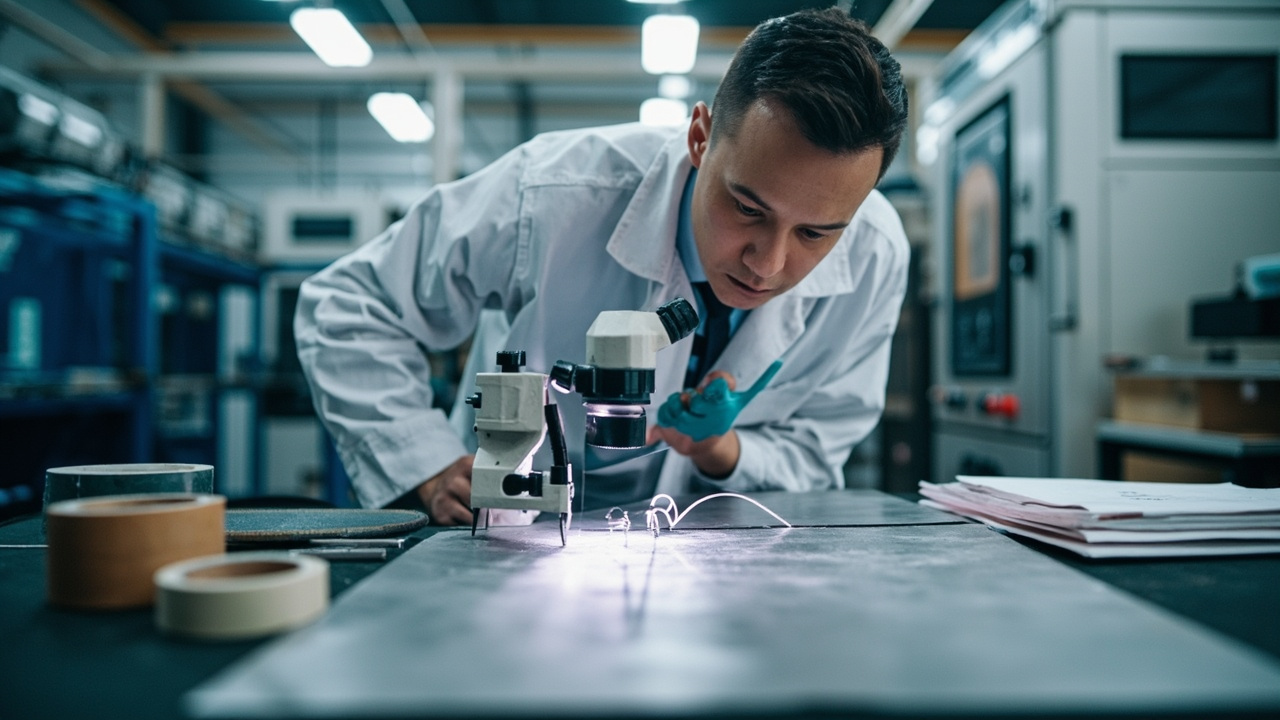
After the water-based coating is applied, how to determine if it is "qualified"? This is the most common point of dispute during acceptance by furniture factories, steel structure plants, painting subcontracting teams, and clients. In the era of solvent-based paint, people could estimate with 80-90% accuracy by "feel, gloss, and whether it's dry", but water-based coating is more sensitive to temperature, humidity, film thickness, and curing period. Relying on naked eye and experience for acceptance can easily lead to failure: it looks fine, but after three months it blisters, delaminates, and loses gloss, yet the responsibility cannot be clarified. This article provides a practical acceptance framework—from cross-cut adhesion, water resistance, pencil hardness to alkali resistance—turning "how to accept water-based coating" into a set of operable, recordable, and reproducible testing actions, helping factories and clients establish clear delivery standards.
It needs to be clarified in advance: the gap between "through dry" and "surface dry" of water-based coating is larger than that of solvent-based paint, and many properties (especially water resistance, alkali resistance, hardness) only stabilize after the paint film is fully cross-linked. Therefore, acceptance cannot only look at the same day, but also needs to agree on the curing period and retest nodes. As a supplier of water-based industrial and wood coatings, Kexin New Materials (kexinMaterials) has adopted "factory inspection card + arrival retest" as a delivery closed loop in multiple OEM projects, and the methods below also come from these frontline validations.
If you are establishing a water-based coating acceptance process for a factory or engineering project, you can also refer to our industrial paint product system to match systems with higher acceptability according to substrate and working conditions; for indoor woodwork projects, you can compare and select materials against the wood coating product system.
I. Define standards before acceptance: don't argue after painting
The biggest pitfall in acceptance is leaving the standards to be defined after construction. The professional approach is to pre-agree in the contract/process card:
- Basis standard: Clarify which national or industry standard to execute (such as standards related to water-based wood coating, water-based industrial coating, or mutually agreed enterprise standards).
- Test items and pass lines: Write down the adhesion grade, hardness, water resistance duration, alkali resistance duration, etc.
- Sampling method: On-site sample panel, inline hanging panel, or finished product random inspection?
- Curing conditions: Temperature, humidity, curing days, and retest nodes (e.g., 7 days, 28 days after coating).
- Dispute retest: Third-party organization and sample sealing method.
Writing the above into the disclosure sheet can avoid the classic dispute of "looks about right, but problems occur after half a year of use". Water-based coating especially needs to clearly state the curing period—this is the most questioned and easily overlooked step.
II. Cross-cut adhesion: the first item that should be done most
Adhesion is the root of the paint film not falling off. Due to its water content and special film-forming mechanism, the adhesion of water-based coating is extremely sensitive to substrate preparation (sanding, degreasing, moisture content). The cross-cut method is the most commonly used and intuitive on-site test.
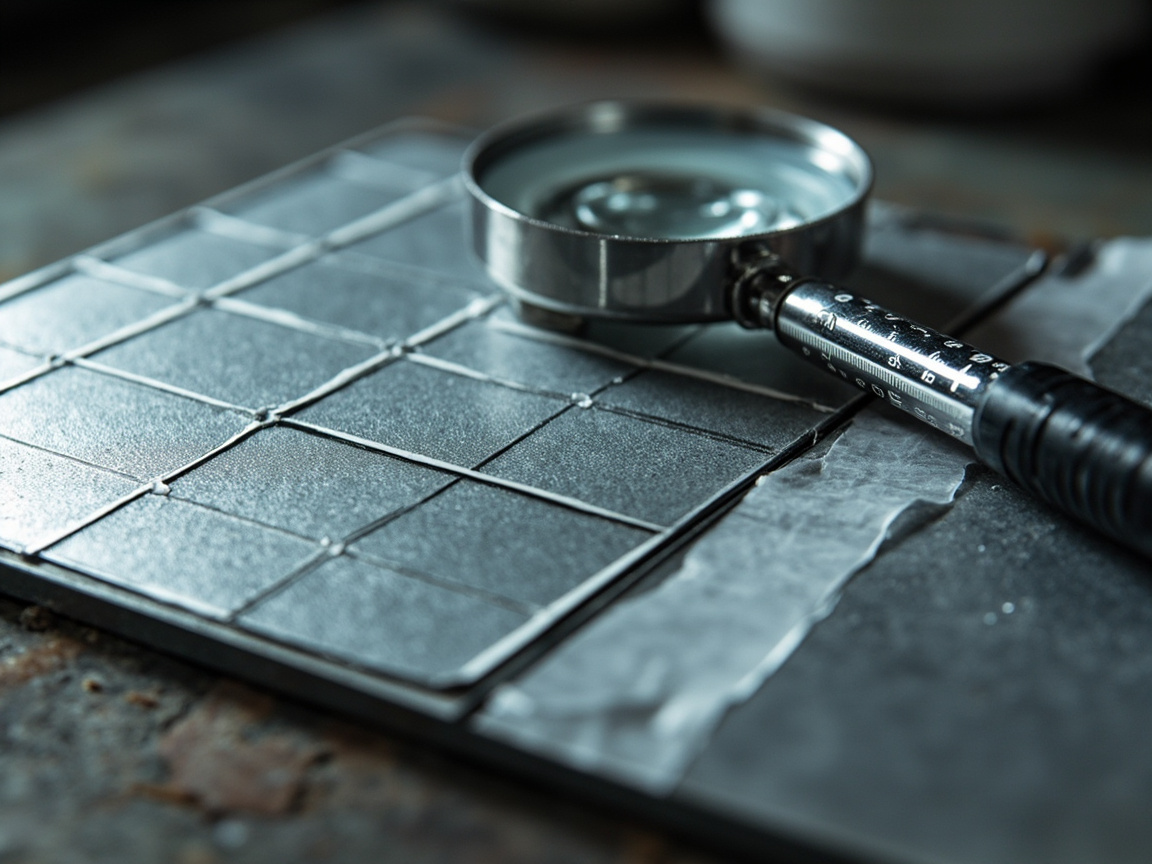
2.1 Method (Key points of GB/T 9286 cross-cut method)
- Use a cross-cut tool to cut 6×6 or 11×11 grids on the paint film (spacing depends on film thickness and standard, commonly 1mm or 2mm);
- The cut penetrates the paint film to the substrate;
- Apply specified tape (such as standard pressure-sensitive tape) firmly and quickly tear it off;
- Observe the number of fallen grids with a magnifier, and rate from grade 0–5 (grade 0 best, grade 5 worst).
2.2 Judgment points for water-based coating
- Grade 0 or 1 is ideal; indoor wood coating and industrial topcoat generally require ≤ grade 1;
- If large pieces fall off, first check the substrate: whether wood moisture content exceeds the limit (recommended 8%–12%), whether metal is derusted and degreased properly, whether old paint surface is sanded and compatible;
- Poor adhesion of water-based coating is often not a paint problem, but caused by "substrate not prepared" or "insufficient curing" leading to incomplete cross-linking.
III. Water resistance: the item where water-based coating is most easily stuck
"Water-based coating is afraid of water" is one of the biggest misunderstandings in the industry—mature water-based coating has good water resistance after curing; but water-based coating that is "not fully dry" or "improperly formulated" turns white and blisters when exposed to water. The water resistance test is the key to distinguishing the two.
3.1 Method
- Prepare standard sample panels and allow full through dry according to the agreed curing period (e.g., 7 days, 28 days);
- Immerse 2/3 of the panel in distilled or deionized water (or specified solution per standard), record the duration (commonly 24h, 48h, 96h, 240h);
- Take out and wipe dry, immediately compare with the unimmersed part: whether white, blistered, lost gloss, softened, fallen off;
- After a certain recovery time, see if it can recover (recoverable whitening and permanent damage must be distinguished and recorded).
3.2 Judgment and troubleshooting
- Qualified: no obvious whitening, blistering, falling off within the specified time;
- If whitening occurs: mostly incomplete film formation (insufficient curing) or coalescing agent residue, extend curing and retest;
- If blistering and falling off: check substrate, film thickness, matching primer; water-based industrial parts must be matched with corresponding water-based primer.
- Important reminder: water resistance of water-based coating increases significantly with curing period, testing on day 2 vs day 28 after coating may be completely different, retest nodes must be agreed.
IV. Pencil hardness: an intuitive indicator of scratch resistance
Hardness reflects the ability of the paint film to resist indentation and scratching. Water-based coating (especially water-based polyurethane, water-based epoxy) can achieve higher hardness through cross-linking.
4.1 Method (GB/T 6739 pencil hardness method)
- Prepare a set of standard hardness pencils (6B–9H);
- Sharpen the pencil lead flat, push on the paint film at about 45° with constant force;
- Try from hard to soft or soft to hard step by step, find the "hardest pencil that does not scratch the paint film" as the hardness value;
- Make more than 3 scratches per grade and take consistent results.
4.2 Judgment for water-based coating
- Water-based wood/industrial topcoat commonly can reach 1H–2H or even higher (depending on system);
- Insufficient hardness: mostly low cross-linking degree (insufficient curing, insufficient coalescing agent, soft resin selection);
- Too high hardness and brittle: may sacrifice flexibility for hardness, need to balance. For different substrates (e.g., flexible wood veneer vs metal), hardness requirements differ, standards should be differentiated.
V. Alkali resistance: mandatory test for exterior walls, cement substrates and cleaning scenarios
Alkali resistance is crucial for architectural exterior walls, floor coatings, and coatings in contact with alkaline substrates (such as cement, putty). Alkaline media will saponify and destroy some paint films; if the water-based system lacks sealing and alkali resistance, discoloration, chalking, and falling off will occur.
5.1 Method
- Prepare sample panels and cure to through dry;
- Immerse part of the panel in specified concentration alkali solution (such as saturated calcium hydroxide solution, simulating cement alkali environment) or standard alkali solution;
- After specified duration (e.g., 24h, 48h) take out, wash and wipe dry, observe discoloration, blistering, softening, falling off;
- Record and compare with unimmersed area.
5.2 Judgment
- Qualified: no obvious discoloration, blistering, falling off within specified time;
- Unqualified: mostly due to missing sealing primer or poor alkali resistance of system, should reinforce sealing layer before testing;
- Cement/mortar substrates must use alkali-resistant sealing primer, which is a hard prerequisite for water-based architectural coating acceptance.
VI. Appearance and supporting items: don't just stare at performance
Meeting performance standards does not mean a beautiful delivery; appearance acceptance should also be written into the standards:
| Acceptance item | Method key points | Qualified judgment |
|---|---|---|
| Color difference | Compare with color card/sealed sample under standard light source | Visual or colorimeter ΔE within agreed range |
| Gloss uniformity | Multi-angle observation, gloss meter random test | No light/dark spots, no flow marks |
| Surface defects | Front view, side view inspection | No orange peel, particles, craters, sagging, wrinkling |
| Film thickness | Wet film gauge/dry film thickness gauge | Within the range specified in process card (too thin poor adhesion, too thick easy to crack) |
| Edge coverage | Check corners, joints | No missed coating, no paint buildup |
| Documents | Test records, batch numbers, reports | Complete and traceable |
The trick of appearance acceptance is to "keep sealed sample": both parties sign and confirm a standard sample panel before construction, and use it as the basis at delivery to avoid color difference and gloss disputes.
VII. On-site vs laboratory: two-level acceptance framework
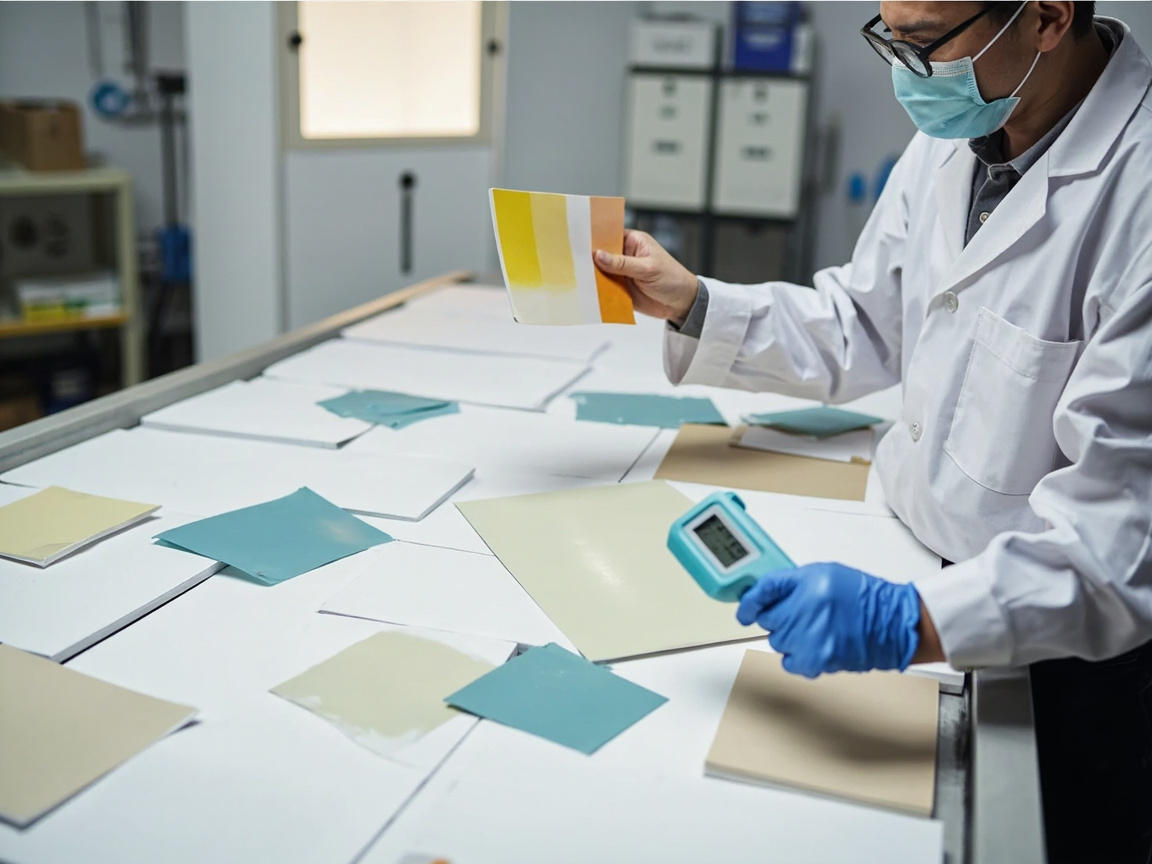
Divide acceptance into two levels, controlling cost while ensuring baseline:
7.1 On-site quick test (per batch/per shift)
- Cross-cut adhesion (panel sampling);
- Film thickness random test;
- Appearance full inspection (color difference, flow marks, particles);
- Surface dry/through dry feel and fingernail mark test;
- Record temperature, humidity and curing time.
7.2 Laboratory/third-party full items (node/dispute)
- Test all grades of water resistance, alkali resistance, hardness, and adhesion;
- Compliance items such as VOC and heavy metals (see relevant standards);
- Retest key items after 7 days and 28 days of curing.
The two-tier framework makes daily factory control manageable and provides evidence in case of disputes. For water-based coating, it is especially necessary to specify "retest after curing", which is the biggest difference from the acceptance of solvent-based paint.
8. Common Acceptance Disputes and Troubleshooting
| Dispute Phenomenon | Common Cause | Countermeasure |
|---|---|---|
| Large-area peeling in cross-cut test | Poor substrate preparation, high moisture content, not fully dried | Redo substrate, extend curing, apply primer |
| Turning white on contact with water | Incomplete film formation, additive residue | Extend curing and retest, optimize formulation |
| Hardness not up to standard | Insufficient cross-linking, soft resin | Extend curing, confirm system selection |
| Blistering from alkali resistance | No alkali-resistant sealer primer, system not alkali-resistant | Apply alkali-resistant primer, switch to alkali-resistant system |
| Color difference dispute | No sealed sample, batch variation | Sign and seal sample, control batch, use colorimeter |
| Early cracking | Excessive film thickness, high hardness lacking flexibility | Control thickness, balance hardness and flexibility |
This troubleshooting table should be attached as an appendix to the acceptance sheet, so that when disputes arise, responsibility can be located according to the table to reduce wrangling.
9. Write Acceptance as a "Delivery Standard Card"
It is recommended to output a standard card for each batch of water-based coating, with fields including:
- Project/area, substrate, coating model and batch number;
- Application temperature and humidity, film thickness, number of coats, curing period;
- Adhesion grade, hardness, water/alkali resistance duration and results;
- Appearance conclusion, inspector, date;
- Sealed sample number and storage location.
This card is both a quality certificate and a basis for after-sales accountability. For water-based paint, "curing period + retest" are two columns that must never be omitted in the standard card.
10. Cooperation with Kexin New Materials: Acceptance is Delivery
Kexin New Materials (kexinMaterials) when delivering water-based industrial and wood coatings, fronts the acceptance to the selection stage to avoid "finding out the acceptance cannot pass only after coating is done":
- Set standard at selection: Match the system according to substrate (metal/wood/cement) and working condition (indoor/outdoor/water contact/alkali environment), and inform in advance the achievable typical values of adhesion, hardness, water and alkali resistance as the acceptance baseline;
- Primer backing: For metal and cement substrates, provide corresponding water-based primers (such as anti-rust primer, alkali-resistant sealer primer) to ensure adhesion and alkali resistance from the system level, rather than relying solely on the topcoat;
- Factory inspection card: Attach key item test data for each batch, which can be retested and compared upon arrival;
- Process card coordination: Provide temperature and humidity window, film thickness, curing period suggestions, and clearly write "how to coat to meet acceptance".
For the client, the most stable acceptance is not post-hoc nitpicking, but a closed loop of "select right system + lock standard + process record + curing retest". Kexin New Materials has verified in multiple steel structure and furniture projects: writing the acceptance standard into the contract appendix can reduce delivery disputes by more than half.
11. Acceptance Focus by Different Substrates
The failure modes of water-based paint on different substrates are completely different, so acceptance cannot be "one standard fits all", and the focus must be adjusted by substrate.
11.1 Wood Substrate
Wood is a living, expandable and contractible material, and moisture content fluctuation will affect the paint film. Therefore, for wood acceptance, the first things to check are adhesion and water resistance:
- Adhesion: Wood grain raising, moisture content change will weaken interlayer bonding; cross-cut requirement ≤ grade 1, and retest after curing;
- Water resistance: For high-frequency water contact areas such as countertops, bathroom cabinets, children's furniture, water immersion duration should be higher than ordinary decorative surfaces;
- Hardness: For high-frequency contact surfaces such as floors and desktops, pencil hardness is recommended ≥1H to resist daily scratches;
- Appearance: Pay attention to wood grain raising and color change, compare with sealed sample and uncoated area to avoid "blotching after coating".
Wood curing is more sensitive than metal; it is recommended to test water resistance after ≥7 days of coating, and test long-term stability at 28 days.
11.2 Metal Substrate
The core of metal acceptance is "adhesion + anti-rust + medium resistance":
- Cross-cut adhesion: Industrial topcoat generally requires grade 0–1;
- Salt spray resistance: Outdoor, humid, coastal environments should add neutral salt spray test (e.g., 240h/480h no blistering, no red rust);
- Front key: Sandblasting rust removal to Sa2.5, surface roughness compliant, with water-based anti-rust primer; if adhesion is poor, check surface treatment first rather than the topcoat.
11.3 Cement and Alkaline Substrate
Building exterior walls, floor coatings, and mortar surfaces are most afraid of efflorescence and moisture return:
- Alkali resistance: Must use specified alkali solution immersion test, no blistering or peeling;
- Alkali-resistant sealing: Apply alkali-resistant sealer primer before construction to block alkali migration;
- Substrate condition: Moisture content generally <10%, pH<10 before construction, otherwise even the best coating will effloresce and peel.
| Substrate | Mandatory Test Items | Key Front Steps | Typical Pass Line |
|---|---|---|---|
| Wood | Adhesion, water resistance, hardness | Moisture content 8%–12%, sealing primer | Adhesion ≤ grade 1 |
| Metal | Adhesion, salt spray resistance, water resistance | Rust removal, water-based anti-rust primer | Adhesion grade 0–1 |
| Cement | Alkali resistance, alkali resistance, no efflorescence | Moisture content<10%, alkali-resistant primer | Alkali resistance 48h no abnormality |
12. Acceptance Instrument List and Batch SOP
Standardize the acceptance tools to get rid of "relying on feel". It is recommended that the factory QC room always have:
- Cross-cut knife, standard pressure-sensitive tape, scaled magnifier;
- Pencil hardness tester and 6B–9H standard pencil set;
- Gloss meter, colorimeter (objective evidence in disputes);
- Wet film gauge and dry film thickness gauge;
- Constant temperature water bath, alkali solution tank (water and alkali resistance);
- Thermohygrometer and constant temperature curing room.
Recommended batch SOP rhythm: first-piece full inspection per shift (adhesion + film thickness + appearance) → process sampling (film thickness + appearance + surface dry feel) → retest key performance after 7 days curing → 28-day sampling for long-term water and alkali resistance items. Write the nodes into the process card, and acceptance changes from "post-hoc nitpicking" to "process controllable", and dispute rate drops significantly.
13. The Science of Curing Period: Why 7 Days and 28 Days Results Differ
Many clients wonder: same board, tested on day 3 shows white on water resistance, but fine on day 28. This is exactly the scientific point that should be clarified most in water-based paint acceptance — the performance of water-based coating improves as cross-link density increases.
- Surface dry: Water evaporates, film not sticky, usually in a few hours;
- Hard dry: Resin particles fuse into continuous film, 1–3 days;
- Full cross-linking: Molecular chains fully react, water and alkali resistance reach design values, often takes 7–28 days, affected by temperature and humidity.
Therefore, the acceptance pass line must be tied to the curing period: the contract should state "after 7 days curing, adhesion ≤ grade 1, water resistance 48h no abnormality", rather than "test immediately after coating". Including the curing period in the standard card is both fair and close to the real use state. The factory can also shorten the curing clock by raising ambient temperature and controlling humidity, but cannot use "not fully dried" to冒充 "already up to standard".
14. Handling Process and Responsibility Division for Unqualified Acceptance
When a certain test item fails to meet the standard, the professional handling is not "just rework and done", but to locate responsibility first to avoid repeated errors:
- Seal and retain sample: Immediately seal the disputed sample and the same batch of coating, record application temperature and humidity, film thickness and curing period, to prevent evidence loss leading to conflicting claims.
- Three-party sequential check: Check in the order of "substrate preparation → coating itself → application parameters → environment". Large-area cross-cut peeling mostly belongs to substrate; white on water resistance mostly belongs to insufficient curing or formulation; color difference belongs to batch or missing sealed sample; blistering belongs to substrate moisture or alkali.
- Retest confirmation: Send retained sample to a qualified third-party organization for retest to rule out misjudgment caused by on-site technique errors.
- Responsibility attribution: Material failing test is supplier's responsibility; substrate and application problems are contractor's responsibility; management problems such as temperature/humidity loss of control are project party's responsibility, divided based on standard card and records.
- Rework standard: Clarify the scope of rework, re-acceptance milestones, and cost allocation, and form a written minutes.
Institutionalizing the process can turn "acceptance disputes" into "positioning by table", which is the foundation for factories and clients to build long-term mutual trust.
15. Acceptance Focus by Industry
For the same water-based system, the acceptance criteria vary greatly across different industries; the standard card must be "customized per project":
- Furniture factory: Mainly wood coating, emphasizing cross-cut adhesion, pencil hardness, water resistance (tabletops/bathroom vanities frequently exposed to water) and appearance color difference; children's furniture additionally emphasizes heavy metals and emission items, accepted per children's relevant standards.
- Steel structure factory: Mainly outdoor or humid environments, emphasizing adhesion, neutral salt spray resistance, uniform film thickness and compatible water-based anti-rust primer; agree on salt spray duration per protection grade (e.g., 240h/480h).
- Architectural exterior wall: Emphasizing alkali resistance, alkali-blocking primer, weather resistance and anti-fouling; substrate moisture content and pH are pre-hard thresholds, construction not allowed if not met.
- Floor coating: Emphasizing hardness, abrasion resistance and chemical media resistance, setting thickness and hardness targets per usage load and forklift frequency.
Applying a generic template is most prone to failure. The essence of industry differences lies in different failure modes—acceptance items must target "how this project is most likely to fail".
16. Key Points for Writing Acceptance into Contracts
Most acceptance disputes stem from "not clarified in advance". It is recommended that contract attachments include the following clauses:
- Standard reference: State the specific national/industry standards or mutually confirmed enterprise standard numbers, avoiding vague expressions like "per industry practice".
- Quantified pass line: Adhesion grade, hardness, water/alkali resistance duration and results, color difference ΔE upper limit, all written as fixed numbers.
- Curing period agreement: Clarify "test after X days of curing", lock the time window to prevent acceptance in undried state.
- Retest and dispute institution: Agree on third-party retest institution and sample sealing method, rely on evidence when disputed.
- Penalty and rework: Rework scope, cost allocation and delivery delay liability when not meeting standards.
Turning acceptance from "verbal tacit understanding" into "written clauses" is the most effective means for clients to protect themselves, and also a signal that quality suppliers are willing to cooperate.
17. A Reusable Acceptance Sheet Template
The following fields can be directly applied, add or remove per project:
| Field | Fill Content | Field | Fill Content |
|---|---|---|---|
| Project name/part | Substrate type | ||
| Coating model/batch No. | Construction temp & humidity | ||
| Film thickness (μm) | Coating passes | ||
| Curing period (days) | Test date | ||
| Cross-cut adhesion grade | Pencil hardness | ||
| Water resistance (h) result | Alkali resistance (h) result | ||
| Color difference ΔE | Appearance conclusion | ||
| Tester/reviewer | Sealed sample No. |
This sheet is archived with each batch of products, serving as both a quality certificate and a basis for after-sales accountability. For water-based paint, the "curing period + retest result" two columns must never be empty, otherwise acceptance loses its meaning.
18. "Hidden Indicators" in Acceptance: Feel, Odor and Repairability
In addition to hard test items, there are several types of "hard-to-quantify but experience-affecting" indicators, recommended to be included in sealed sample comparison:
- Feel and slipperiness: Touch of furniture and floor surface after coating, reflecting auxiliaries and cross-linking state, strongly perceived by clients;
- Odor residue: Water-based paint has low odor, but enclosed space with insufficient curing may still have residue; confirm by smell + test before occupancy;
- Repairability: Whether local bump repair is visible, whether full recoat is needed, affecting after-sales cost;
- Batch consistency: Whether color and gloss of multiple batches in same project are stable, controlled by sealed sample and color difference meter.
Although these hidden indicators are not written into national standards, they directly determine "whether the client is satisfied". Professional factories treat them as internal control items, running in parallel with hard tests.
19. Sampling Acceptance Plan for Batch Projects
Large batch coating cannot be fully inspected; sampling thinking is needed to balance cost and risk:
- First article qualification: Full inspection of first article per batch/shift, release batch only if qualified;
- In-process sampling: Per output ratio (e.g., 3–5 per hundred pieces) measure film thickness and appearance, key items full inspection;
- Last article review: At batch end, sample last article for retest, confirm whole batch stable;
- Tightening rule: Once sampling fails, expand sampling or full inspection per tightening plan, and trace previous batch;
- AQL reference: Can refer to acceptance quality limit thinking to set acceptable nonconforming number, dispose whole batch if exceeded.
Write the sampling plan into the process card, avoiding both "full inspection delaying schedule" and "leaking inspection shipment", a must for batch delivery.
FAQ
1. How to accept water-based paint as qualified?
Core four items: cross-cut adhesion (GB/T 9286, generally 0–1 grade required), pencil hardness (GB/T 6739, per system target value), water resistance (no whitening/blistering for specified duration), alkali resistance (mandatory for alkaline substrate). Plus appearance, film thickness and document records to form a standard card.
2. Why is there a big difference between testing water-based paint on the day of application and one week later?
Water-based paint relies on water evaporation then resin cross-linking to form film; hardness, water and alkali resistance rise significantly with curing period. Surface dry is fast but hard dry is slow; many properties stabilize only after 7–28 days, so retest node after curing must be agreed.
3. Cross-cut adhesion drops in large flakes, is the paint bad?
Mostly substrate issues: wood moisture content exceeds limit, metal not derusted/degreased, old paint not sanded for compatibility, or insufficient curing with incomplete cross-linking. First check substrate and curing, then suspect the paint itself.
4. Is it normal for water-based paint to whiten when meeting water?
Mature water-based paint after full cure should not noticeably whiten. If whitening after soaking, mostly incomplete film formation or coalescent residue, extend curing and retest; if still not, need formula optimization or confirm system selection.
5. In what scenarios must alkali resistance test be done?
Architectural exterior wall, floor coating, and coatings contacting alkaline substrates like cement/putty must do it. Alkaline media destroy non-alkali-resistant film; such substrates must first apply alkali-blocking primer then accept.
6. How to quickly judge adhesion on site?
Use cross-cut tool to cut grid + standard tape peel, observe fall-off grade with magnifier, the most common on-site quick test. Factory can sample per shift; send to lab for full test when contentious.
7. Is thicker film always better?
No. Too thin lacks adhesion and coverage, too thick easily cracks, slow dry, wastes. Must be within process card specified range, controlled by wet film gauge/dry film thickness gauge.
8. How to avoid color difference disputes?
Before construction, both parties sign standard sealed sample, delivery based on it; control batch consistency, use color difference meter for ΔE within agreed range if necessary.
9. What should acceptance report contain?
At least: coating model/batch No., substrate, construction temp & humidity, film thickness passes, curing period, adhesion grade, hardness, water/alkali resistance results and appearance conclusion, plus tester date and sealed sample No., for traceability.
10. How does Kexin New Materials help establish water-based paint acceptance standards?
Kexin New Materials (kexinMaterials) provides achievable typical values of adhesion, hardness, water/alkali resistance as acceptance baseline at selection stage, with corresponding water-based primer to ensure system performance, attaches factory test card per batch, and gives process advice on temp & humidity, film thickness, curing period, front-loading acceptance into deliverable standards.
Further Reading
- How to select water-based industrial coating under oil-to-water shift: resin system and applicable conditions: Front-load "acceptance baseline" to selection, build cross-scenario water-based industrial coating decision framework.
- Water-based epoxy vs solvent-based coating: performance, construction and applicable boundaries: Understand acceptance points of water-based epoxy in water/alkali resistance from a comparison perspective.
- Formula science and construction implementation of water-based wood coating: Supplement film formation mechanism of wood water-based coating, help understand science behind adhesion and curing period.
- Rust-preventive paint salt spray test: DIN EN ISO 9227 and GB/T 1771
- Automotive coating testing standards: GB 24409 limits of hazardous substances, adhesion and weather resistance
- Industrial coating salt spray and aging resistance testing: methods, criteria and data interpretation