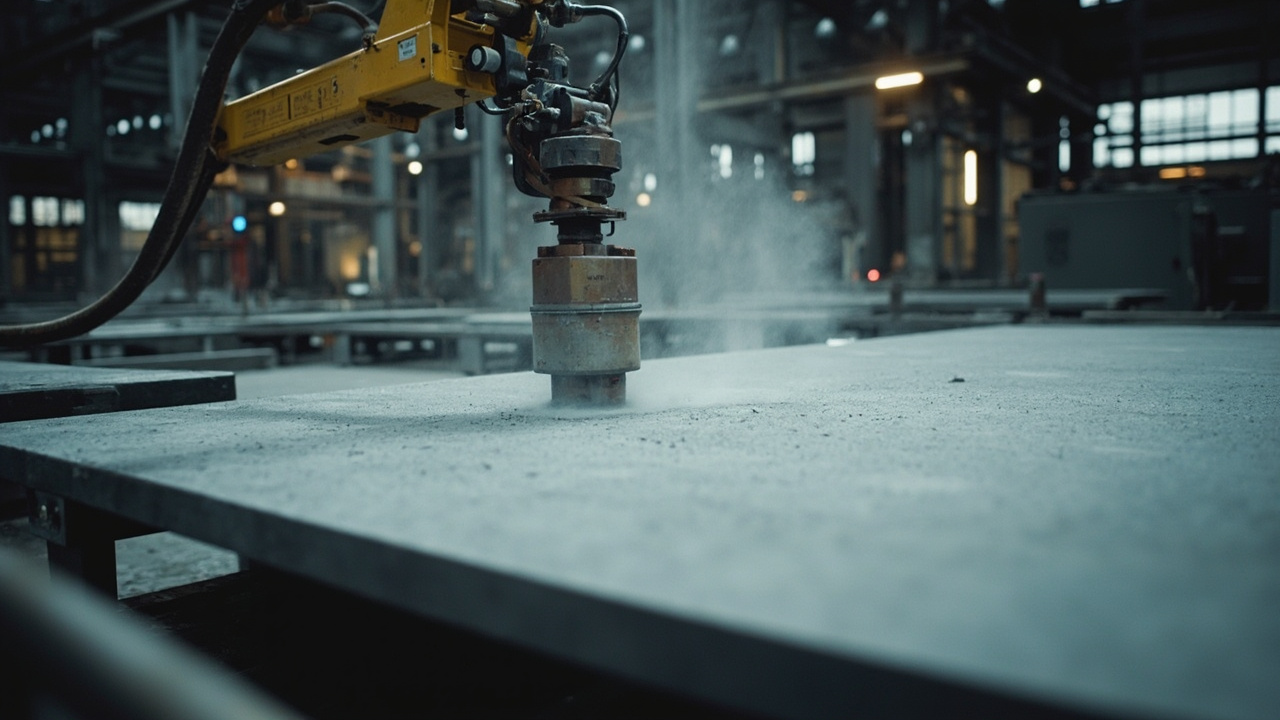
In shipyards, steel structure pretreatment lines, and large steel component production, before steel cutting, it often passes through an automatic line of "shot blasting rust removal + spraying workshop primer". This thin primer may seem inconspicuous, but it determines whether the steel will re-rust during the subsequent months of processing and storage, and also directly affects the adhesion and service life of the final anti-corrosion system. Water-based inorganic zinc-rich workshop primer is born for this step—it uses water-based silicate as the base material and high-content zinc powder as the core, which can provide electrochemical cathodic protection and withstand the high temperature of subsequent welding and cutting, serving as the first long-term defense line in the steel pretreatment stage.
I. Why Workshop Primer is Indispensable
From shot blasting rust removal to final painting, steel often goes through multiple processes such as cutting, assembly, welding, and storage, ranging from a few weeks to several months. The exposed steel surface is highly prone to re-rusting during this period; once rusted, it must be derusted again, which is time-consuming and labor-intensive. The role of the workshop primer is to immediately form a temporary yet durable protective film after derusting, keeping the steel clean and rust-free throughout the processing cycle, while possessing process adaptability for welding and cutting.
II. Anti-Corrosion Mechanism of Water-Based Inorganic Zinc-Rich
The anti-corrosion of water-based inorganic zinc-rich primer is achieved through the synergy of two mechanisms:
- Cathodic protection (sacrificial anode): The paint film has a high zinc powder content; the electrode potential of zinc is lower than that of iron. When corrosive media intrude, zinc is oxidized preferentially, "sacrificing" itself to protect the steel substrate. This is the core of zinc-rich coating anti-corrosion.
- Physical shielding: The dense corrosion products generated by zinc powder oxidation fill the pores of the paint film, further blocking water vapor and oxygen.
- Inorganic base material resists high temperature: Using silicate as the film former, after curing it forms a Si–O–Si inorganic network, with temperature resistance up to several hundred degrees Celsius. It is not easily burned on a large scale during welding and cutting, and after water-based treatment it has extremely low VOC and is environmentally friendly to apply.
III. Reference for Key Technical Parameters
When selecting, pay attention to the following core indicators; actual values are subject to the specific product specification sheet:
| Item | Typical Indicator | Description |
|---|---|---|
| Dry film zinc content | ≥ 80% | Key to zinc-rich anti-corrosion |
| Dry film thickness | 15–25 μm | Workshop primer should be thinly coated |
| Surface dry time | Several minutes | Suitable for automatic line |
| Heat resistance | Up to 400℃ or above | Ensures weldability and cuttability |
| Salt spray resistance | Long-lasting | No re-rust within processing cycle |
| VOC content | Extremely low | Water-based inorganic, eco-friendly |
IV. Typical Application Scenarios
- Shipbuilding and marine engineering: Ship plates and block structures are spray-coated with workshop primer on the pretreatment line to ensure no re-rust during the hull construction cycle.
- Steel structure pretreatment line: Automatic derusting and painting before cutting of bridge, stadium, and factory steel components, improving production efficiency.
- Large storage tanks and pipelines: Temporary protection before steel plate rolling, taking into account subsequent welding processes.
- Construction machinery and outsourced steel component processing: Anti-re-rust for steel parts requiring long-term storage and cross-factory transfer.
V. Construction Process and Quality Control
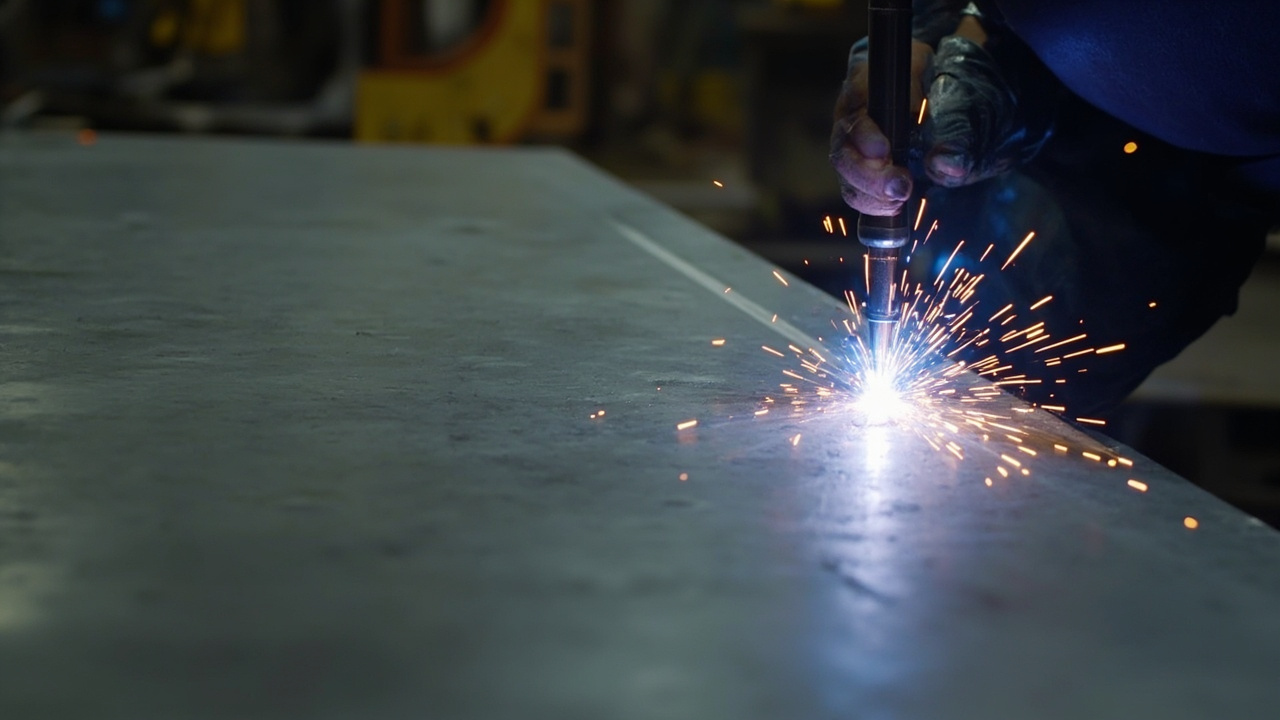
Workshop primer is mostly used in automatic lines; process specifications directly affect anti-corrosion effect and production tempo:
- Surface treatment: Steel must be shot blasted to Sa2.5 grade, with moderate surface roughness, free of oil and scale. This is the prerequisite for zinc-rich paint to exert cathodic protection.
- Spraying film formation: Automatic spraying line controls film thickness at 15–25μm; too thick easily causes welding spatter and porosity, too thin provides insufficient protection.
- Rapid surface drying: Workshop primer requires fast surface drying so that steel can quickly enter the next process, reducing line waiting.
- Welding adaptability verification: After spraying, verify smoke emission and porosity during welding and cutting to ensure compliance with shipbuilding and steel structure process standards.
- Topcoat compatibility: After processing, apply epoxy zinc-rich, epoxy micaceous iron intermediate coat, and topcoat on the basis of the workshop primer to form a complete heavy-duty anti-corrosion system.
VI. Difference from Epoxy Zinc-Rich Primer
Both inorganic zinc-rich and epoxy zinc-rich are commonly used zinc-rich primers for heavy-duty anti-corrosion, but their positioning differs:
| Comparison Item | Water-Based Inorganic Zinc-Rich | Epoxy Zinc-Rich |
|---|---|---|
| Base material | Silicate (inorganic) | Epoxy resin (organic) |
| Heat resistance | High (weldable and cuttable) | Lower |
| Cathodic protection | Strong | Strong |
| Flexibility | Relatively brittle | Better |
| Typical positioning | Workshop primer, high temperature resistant | General heavy-duty anti-corrosion primer |
| Eco-friendliness | Water-based, extremely low VOC | Depends on product |
In short, for scenarios requiring high temperature resistance, weldability, and compatibility with pretreatment lines, prioritize inorganic zinc-rich workshop primer; for parts with high requirements for flexibility and overall anti-corrosion compatibility, epoxy zinc-rich is commonly used. The two also often collaborate within the same system.
VII. Key Points for Storage, Transportation, and Construction Environment
Although water-based inorganic zinc-rich workshop primer is eco-friendly to apply, it is somewhat sensitive to storage, transportation, and environmental conditions. In practical use, note the following:
- Separate packaging storage: Inorganic zinc-rich is mostly two-component (zinc powder and silicate base material packaged separately), should be sealed and stored in a cool, dry place to avoid zinc powder caking from moisture; the mixed paint has a pot life and must be used within the specified time.
- Stir evenly: Zinc powder has high density and easily settles; during spraying, continuous stirring and anti-settling devices must be equipped to ensure stable and consistent zinc content of the sprayed paint. Otherwise, uneven zinc content in the film and local insufficient anti-corrosion may occur.
- Environmental temperature and humidity: Inorganic silicate curing depends on moisture and carbon dioxide in the air; ideal construction temperature is generally 5–40℃ with relative humidity 50%–85%; too dry leads to incomplete curing, too humid easily causes blushing and efflorescence.
- Ventilation and safety: The spraying workshop should maintain good ventilation; operators should wear dust masks to avoid long-term inhalation of zinc powder dust.
- Transportation protection: Steel components coated with workshop primer should be padded and separated during transfer and stacking to avoid knocking and scratching the primer; scratched areas should be promptly retouched to prevent formation of re-rust starting points.
Standardized storage, transportation, and environmental control are important prerequisites for ensuring the workshop primer stably exerts cathodic protection and extends the protective service life of steel within the processing cycle.
VIII. Frequently Asked Questions (FAQ)
Q: Does the workshop primer need to be coated with other paints on top? Yes. The workshop primer is a temporary and transitional protective layer; the final anti-corrosion still requires matching intermediate coat and topcoat on top to form a complete system.
Q: Is higher zinc content in zinc-rich primer better? High zinc content benefits cathodic protection, but too high affects film density and adhesion. Dry film zinc content above 80% ensures excellent anti-corrosion effect and needs overall balance with the formulation.
Q: Does water-based inorganic zinc-rich have requirements for construction humidity? Yes. Inorganic silicate curing depends on appropriate humidity and carbon dioxide; too dry or too humid affects curing quality, and environmental conditions should be controlled per product instructions.