Key Takeaways:
1. Bridge steel nano composite paints use nano-SiO2/montmorillonite/graphene gradient barriers in 3-layer systems (epoxy zinc primer+epoxy MIO intermediate+polysiloxane/fluorocarbon topcoat) — ISO 12944 C4-C5 design life 25-50 years, salt spray>5000h, adhesion>15MPa.
2. Hong Kong-Zhuhai-Macao Bridge (2018) polysiloxane nano topcoat: 120-year design life, 25-30yr maintenance interval. Hangzhou Bay Bridge (2008): overhaul extended from 15 to 18-20 years — nano-fluorocarbon weatherability is key.
3. Life Cycle Cost per ISO 15686-5: nano coating 40-60% higher initial cost but 100-year LCC 40-55% lower through 3-4 fewer maintenance recoats.
Bridges are civil engineering’s longest-designed structures (50-120 years). US FHWA: 15% of ~600,000 US bridges have corrosion damage — $8.5B annual maintenance. Bridge steel nano composite paints represent the pinnacle of heavy-duty coating technology.
Bridge Corrosion’s Invisible Killers — De-icing Salt and Condensation
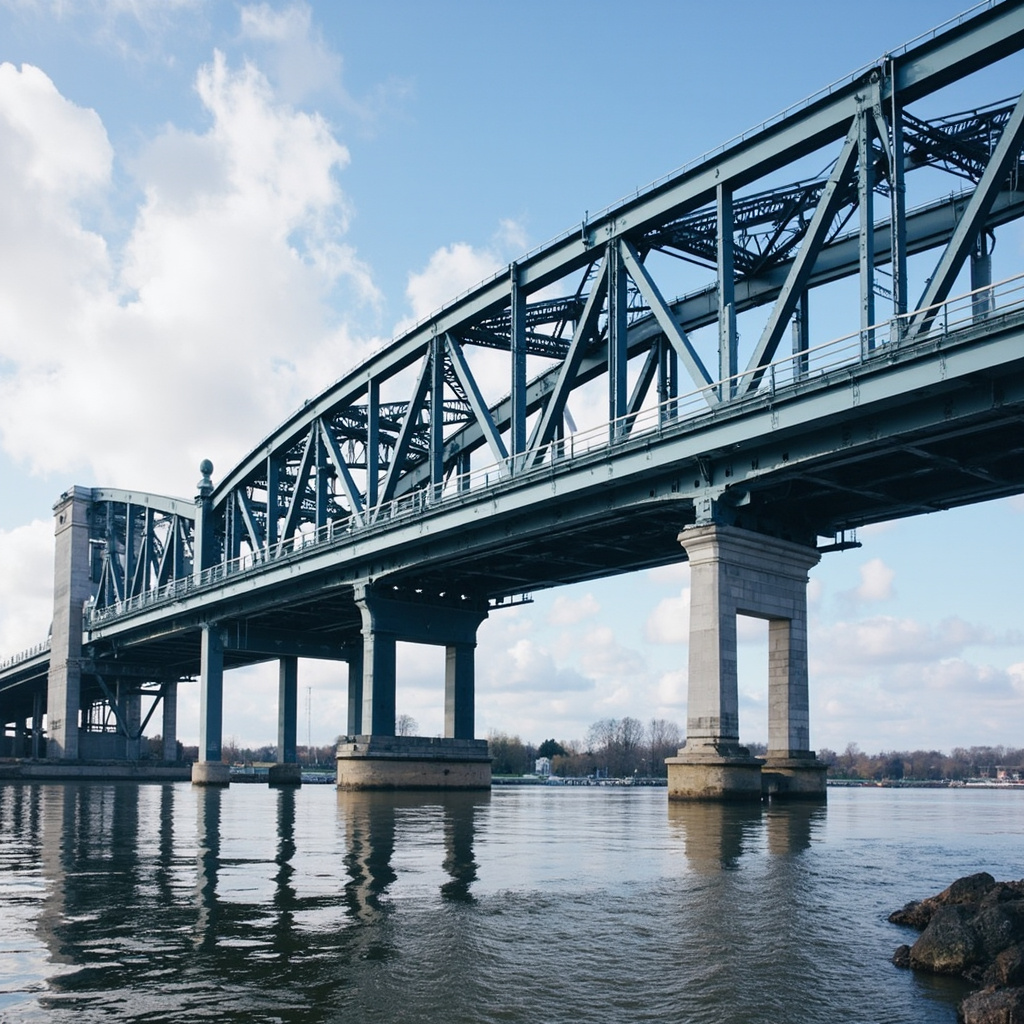
For inland/northern bridges, the greatest threat is winter de-icing salt (NaCl/CaCl2/MgCl2) — brine leaks through deck joints onto steel — 3-10wt% chloride films — corrosion 10-50x atmospheric rates. Three-stage model: Stage 1 (0-5yr): coating intact — 15yr): zinc consumed — cathodic protection lost — 5-20um/yr. Golden maintenance window: late Stage 2 overcoating extends life 10-15yr at 20-30% full recoating cost. Hong Kong-Zhuhai-Macao Bridge steel box girder: total DFT 430um — CX environment — 25-30yr maintenance. Hangzhou Bay Bridge: 17yr coating integrity >85% — overhaul delayed to 2028-2030.
Sources: HK-Zhuhai-Macao/Hangzhou Bay Bridge Reports, FHWA, ISO 15686-5
FAQ
Q: Polysiloxane vs fluorocarbon for bridges?
Polysiloxane: 15-20yr, 4H-6H, non-recoatable — main structures. Fluorocarbon: 20-25yr, recoatable, 2H-3H — decks/railings/expansion joints.
Q: Truly 25-30 years before overhaul?
Yes — three pillars: application quality (Sa2.5+climate control+DFT), system design (ISO 12944-5), preventive maintenance (5-10yr inspection+Stage 2 overcoating). Field data proves achievability.
References: ISO 12944-5, FHWA, Bridge Technical Reports, ISO 15686-5
Deep Rewrite: July 6, 2026
Further reading
- Long-life anti-rust nano-composite coating for bridge steel structures: from corrosion electrochemistry to century-scale service life
- Antistatic nano-conductive coating for oil tank interiors: dual-function protection from static safety to long-term anti-corrosion
- Wind Blade Anti-Erosion Nano Polyurethane Topcoat: From Rain Erosion Mechanics to Nano-Toughened Leading Edge Protection