Many companies get stuck halfway in the "oil-to-water" conversion—not because the paint is no good, but because the production line wasn't modified correctly: solvent-based paint relies on toluene and xylene for thinning and air-dries at room temperature; after switching to water-based, the original spray guns clog, the original drying room is insufficient, and the original activated carbon for exhaust gas becomes paint mist and wastewater problems. Water-based industrial coating is not just swapping a bucket of paint; it forces the entire production line—pretreatment, spraying, drying, and environmental governance—to be re-adapted. This article focuses specifically on the "equipment and production line" segment, breaking down the three checkpoints of spray gun, drying, and wastewater.
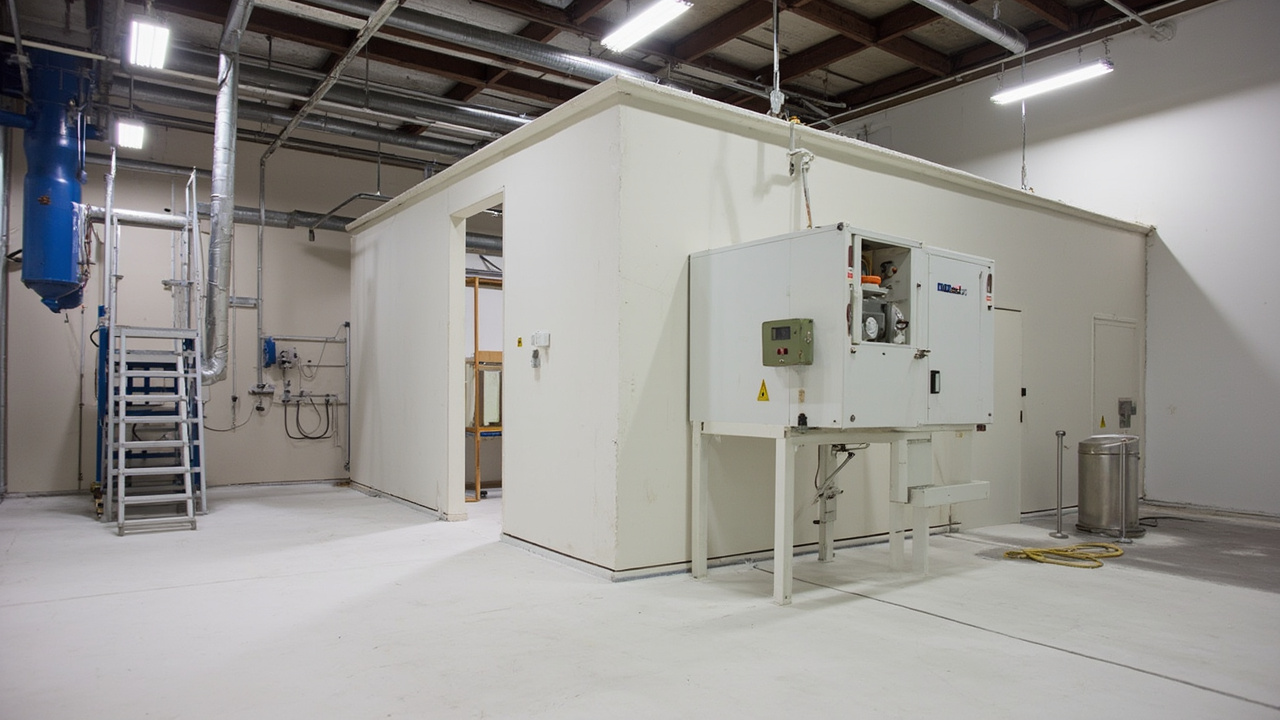
I. Why "Changing Paint" Must Precede "Modifying the Line"
The physical differences between solvent-based and water-based determine completely different production line adaptation points:
- Viscosity adjustment medium changed: Solvent-based relies on organic solvents to reduce viscosity, while water-based relies on water or specialized additives; the fluid channels, seals, and dilution habits of traditional spray guns all need adjustment.
- Drying mechanism changed: Solvents volatilize quickly and surface-dry rapidly; water volatilizes slowly and "reabsorbs moisture" under high humidity, so the original open-air drying room is often insufficient.
- Pollutant form changed: Solvent-based mainly produces VOC exhaust gas; water-based brings paint mist (particulate matter), pretreatment wastewater, and cleaning wastewater, requiring reconfiguration of treatment facilities.
Therefore, "oil-to-water" is essentially a small-scale technical retrofit, not a procurement replacement. For selection logic, first see How to select water-based industrial coating under the oil-to-water background: resin systems and applicable working conditions, settle the paint first, then reverse-engineer the equipment.
II. First Checkpoint: Spray Gun and Airless Spraying Equipment Adaptation
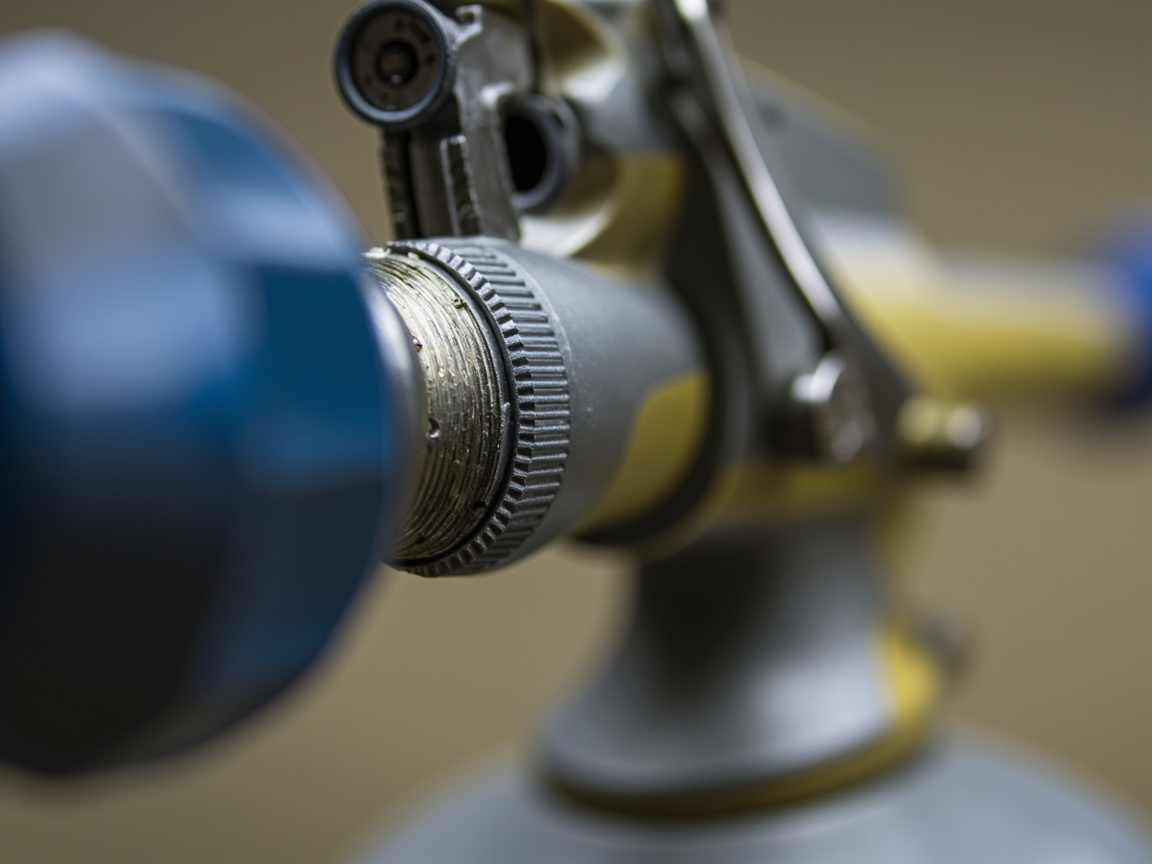
Water-based industrial coating has three special requirements for spraying equipment:
1. Material compatibility: Water-based systems are neutral to weakly alkaline; certain seals and metal channels traditionally used for solvent-based may not resist corrosion or may swell. It is recommended to use water-based-specific seals and stainless steel/engineering plastic fluid channels.
2. Atomization and flow matching: Water-based viscosity behavior differs from solvent-based; nozzle size, air pressure, and flow must be re-calibrated to avoid poor atomization causing orange peel or sagging.
3. Two-component precise ratio: Water-based epoxy and water-based polyurethane are mostly two-component; switching to two-component spraying equipment with static mixing and precise metering ensures stable A/B component ratios.
Field experience: First do small-sample test spraying to set parameters, thenCuring the parameters into the equipment recipe, avoiding each person with a gun and each shift with a different feel.
III. Second Checkpoint: Forced Drying Station and Temperature/Humidity Control
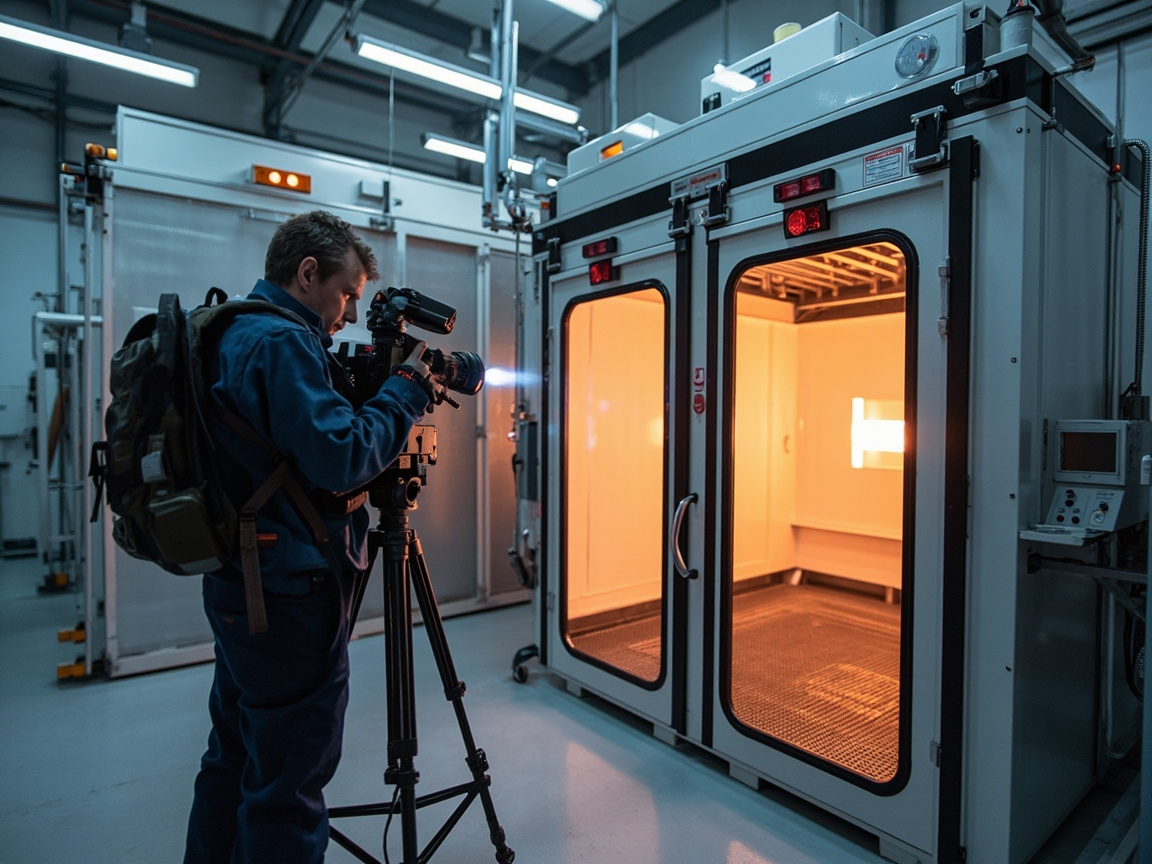
Water-based most fears "slow surface dry, inner not dry, high-humidity flash rust". Directly reusing the original solvent-based air-dry room often fails; it is recommended to retrofit into a forced drying station:
- Ventilation + low-temperature drying combination: Configure sufficient air exchange to carry away water vapor, supplemented by 40–60℃ hot air or infrared to shorten occupancy time.
- Online temperature/humidity monitoring: Place temperature/humidity sensors at key points; automatically alert or reduce tempo when exceeding thresholds.
- Zoned flow: Physically separate pretreatment, spraying, leveling, and drying zones to reduce cross-contamination and humidity disturbance.
- Winter and plum rain contingency: Preset heating and dehumidification capacity in low-temperature high-humidity seasons to avoid "producing by weather".
The full-chain retrofit experience in water-based refinish is very instructive; The process revolution and environmental compliance of water-based refinish paint: full-chain reconstruction from formula to spray gun thoroughly explains the "equipment—process—compliance" linkage, and the thinking can be directly migrated to industrial production lines.
IV. Third Checkpoint: Paint Mist, Pretreatment, and Wastewater Treatment
Water-based partially converts exhaust gas problems into wastewater and paint mist problems; treatment facilities must be supplemented:
- Paint mist capture: Configure wet capture such as water curtain/water cyclone in the spray booth; regularly skim paint sludge to avoid clogging.
- Cleaning wastewater classification: Equipment cleaning water and pretreatment degreasing/phosphating wastewater have different compositions; it is advisable to collect separately and treat respectively, discharging up to standard or into the park sewage network.
- Circulating water maintenance: Capture circulating water needs paint mist flocculant dosing to control COD and suspended solids, extending water change cycles.
- Hazardous waste ledger: Paint sludge and waste filter materials are managed as hazardous waste; establish transfer manifests and ledgers.
This essentially shifts the VOC treatment cost saved by "oil-to-water" to wastewater and solid waste management—total environmental cost may not rise, but the management focus must shift.
V. Five-Step Method for Retrofit Implementation
Provide an operable promotion sequence:
1. Status audit: Record existing spray gun models, drying room size and air exchange, existing exhaust/wastewater facilities, typical workpiece tempo.
2. Small-line validation: Select a representative production line for water-based adaptation retrofit; run through the "spraying—drying—inspection" closed loop.
3. Equipment finalization: Solidify spray gun model, nozzle parameters, two-component equipment ratio, drying curve.
4. Environmental supplementation: Supplement paint mist capture and wastewater treatment; establish hazardous waste ledger.
5. Standard solidification: Write parameters into work instructions and equipment inspection tables to ensure mass production consistency.
VI. How to Calculate Investment and Return
The return of oil-to-water retrofit does not entirely come from "paint price difference", but more from compliance dividends:
- Exhaust gas treatment facility (RTO/activated carbon) load decreases, operation and carbon replacement costs reduce;
- Green factory, customer supply chain audit bonus, broader order access;
- Workshop odor and occupational health risks decrease, recruitment and employment stability improve;
- Water-based paint has low storability combustibility, reducing in-plant safety inventory and fire pressure.
From the industry trend, 2026 Industrial Coating Green Transition: The Triple Challenge of Water-based, Low VOC, and Carbon Footprint points out that water-based has been bound with carbon footprint accounting; early retrofit equals early positioning in the low-carbon supply chain.
VII. Kexin New Materials' Support for Production Line Retrofit
Kexin New Materials (Guangdong) Co., Ltd., when promoting water-based industrial coating, treats "production line adaptation" as part of technical service, rather than just delivering a bucket of paint. For oil-to-water customers, its technical team participates in spray gun and two-component equipment parameter calibration, recommends forced drying station configuration, and assists in planning paint mist capture and wastewater classification schemes. For overseas production line upgrade projects, Kexin provides English-version construction process cards and equipment adaptation lists under the kexinMaterials brand, making "changing paint" truly become "successful line modification".
VIII. Frequently Asked Questions (FAQ)
Is oil-to-water just replacing solvent-based paint with water-based paint?
No. Water-based paint has different physical and drying characteristics; original spray guns, drying rooms, and exhaust gas treatment facilities often do not match, requiring production line modifications such as spray gun adaptation, forced drying stations, and wastewater treatment.
What special requirements does water-based paint have for spray guns?
Need to consider material compatibility (water-resistant seals and channels), re-calibration of atomization and flow, two-component precise ratio. It is recommended to use water-based-specific or two-component spraying equipment, and solidify parameters.
Why can't the original air-dry room be used for water-based?
Water volatilizes slowly and reabsorbs moisture under high humidity, affecting both surface and through dry, and easily inducing flash rust. Water-based usually requires a forced drying station with ventilation + low-temperature drying, rather than simple open airing.
Does environmental governance become easier after oil-to-water?
VOC exhaust load decreases, but paint mist and wastewater treatment pressure rises. Total environmental cost may not decrease; only the governance focus shifts from exhaust gas to paint mist capture and wastewater/hazardous waste management.
How can small and medium production lines start oil-to-water at low cost?
It is recommended to first select a representative production line for small-line validation, run through the spraying—drying—inspection closed loop and finalize equipment parameters, then replicate in batches, avoiding a one-time major modification causing shutdown.
How long to recover retrofit investment?
Return mainly comes from compliance dividends (exhaust treatment load reduction, green supply chain access, employment and safety improvement), not a single paint price difference. Specific cycle varies with production line scale and order structure; it is advisable to comprehensively evaluate on a three-year basis.
Further Reading
- How to select water-based industrial coating under the oil-to-water background: resin systems and applicable working conditions
- The process revolution and environmental compliance of water-based refinish paint: full-chain reconstruction from formula to spray gun
- 2026 Industrial Coating Green Transition: The Triple Challenge of Water-based, Low VOC, and Carbon Footprint