—The Fundamental Causes of Differences in Plastic Coating Effects
Different plastic materials significantly affect the adhesion of plastic coatings due to differences in surface energy and molecular structure. This paper systematically analyzes the mechanisms by which common plastic substrates influence coating adhesion performance.
I. Why do different plastic substrates affect adhesion
Plastic is not a single material, but is composed of a variety of polymer materials. Different plastics show significant differences in molecular structure, crystallinity, and surface energy, and these differences directly determine the wetting, film formation, and adhesion performance of paint on their surfaces.
II. Relationship between Plastic Surface Energy and Adhesion
Surface energy is one of the key factors affecting the adhesion of paint to plastics.
Generally speaking, plastics with higher surface energy are more easily wetted by coatings, thereby forming a stable coating adhesion structure.
Plastics with lower surface energy, on the other hand, require a more compatible plastic coating system to achieve reliable adhesion.
III. Differences in Adhesion Characteristics Among Common Plastic Substrates
1. Engineering plastics such as ABS and PC
Such plastic surfaces are relatively active, and plastic coatings typically achieve good adhesion on them, making them widely used in applications such as appliance housings and electronic product enclosures.
2. Low-surface-energy plastics such as PP and PE
PP and PE are low-surface-energy plastics; coatings exhibit poor wettability on their surfaces, imposing higher requirements on the formulation and process of plastic coatings.
3. Composite Plastics and Modified Plastics
Due to their complex composition, composite plastics exhibit certain surface inhomogeneities, imposing higher requirements on the stability of plastic coatings.




IV. Influence of Plastic Molecular Structure on Coating Stability
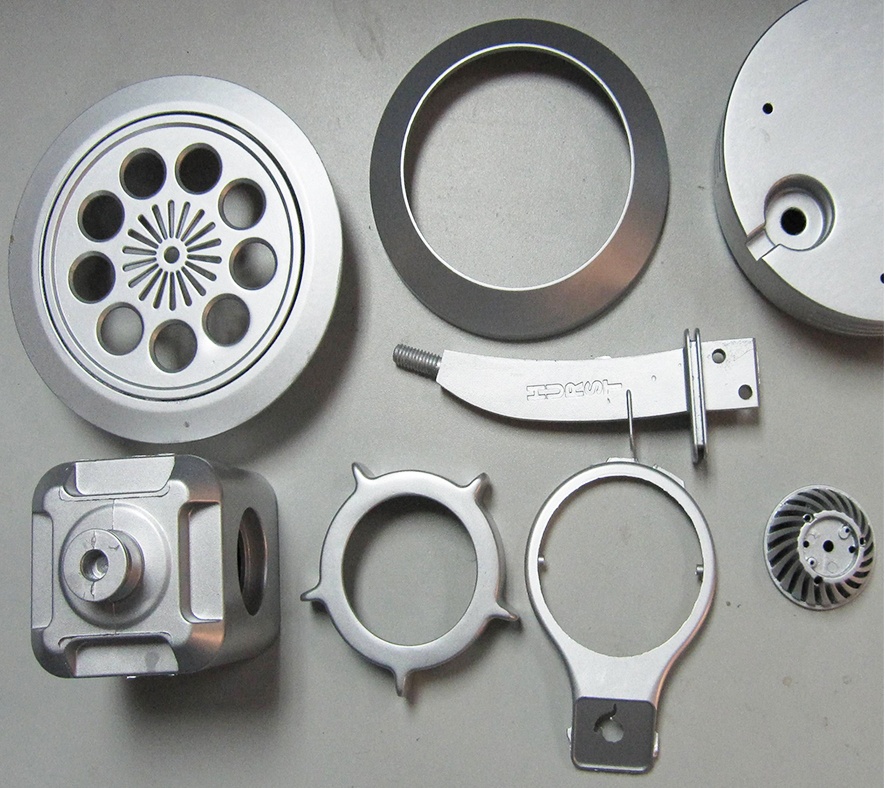
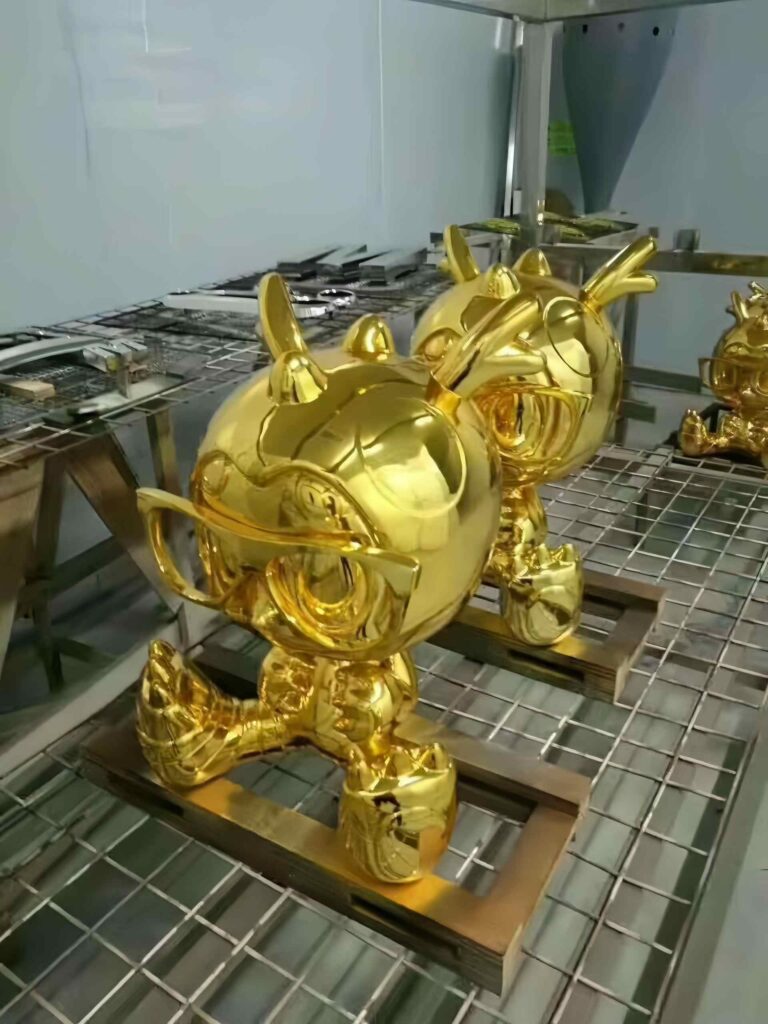
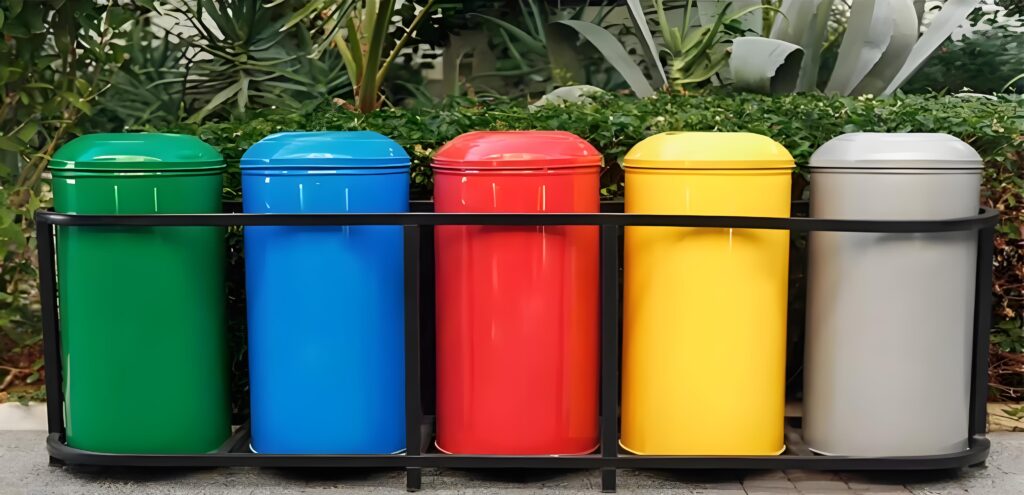
The molecular arrangement and crystallinity of different plastics affect the bonding mode between the coating and the substrate.
The more stable the molecular structure, the higher the requirement of the coating for process adaptability.
V. Adaptation Strategies of Plastic Coatings on Different Substrates
Mature plastic coating systems are usually formulated with adjustments for different plastic substrates to ensure stable adhesion on a variety of plastic surfaces.
This is also a key distinction between industrial-grade plastic coatings and general-purpose paints.
VI. Practical Application Impacts Arising from Adhesion Differences
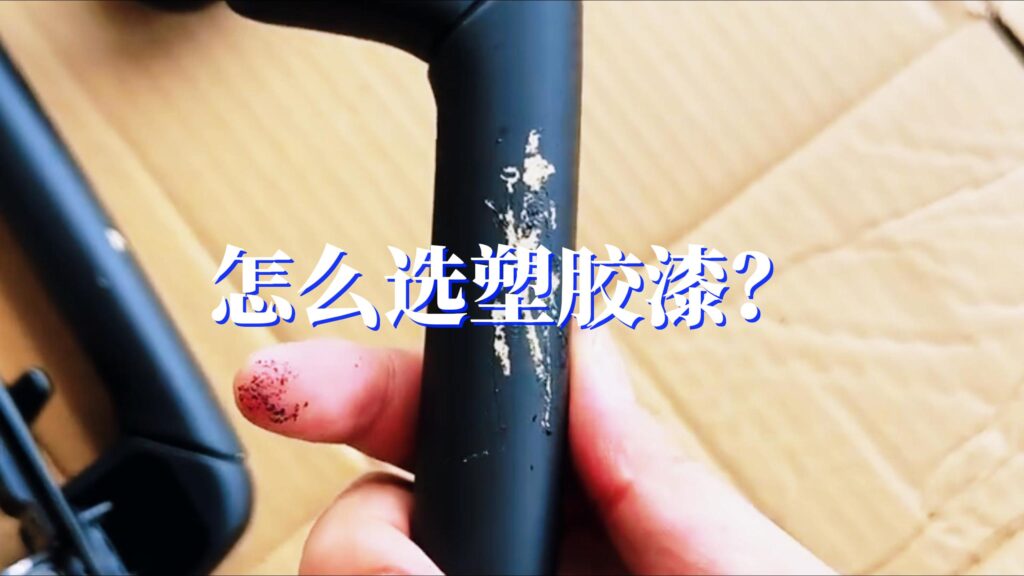
Insufficient adhesion may lead to coating delamination, cracking, or cosmetic failure, directly affecting the quality and service life of plastic products.
Therefore, identifying the type of plastic substrate is of great significance before painting plastics.
VII. Comprehensive Analysis and Application Value
The influence of different plastic substrates on the adhesion of plastic coatings is a fundamental factor in the design of plastic painting systems.
Only by reasonably matching based on material characteristics can stable and reliable plastic surface painting effects be achieved.
Conclusion
The adhesion of plastic coatings is not determined by a single factor, but is the result of the combined effect of plastic substrate characteristics and the coating system. Understanding the differences among various plastic substrates is a key prerequisite for achieving high-quality plastic painting.