This paper systematically analyzes the main differences between Chinese coating brands and international brands from the perspectives of product technology, brand influence, supply chain capability, pricing system, and internationalization strategy, and explores the breakthrough directions for domestic brands.
After more than two decades of rapid development, China's coatings industry has gradually moved from the initial stage of capacity expansion into a new era of quality upgrading and brand competition. As domestic brands continue to make breakthroughs in automotive coatings, industrial coatings, architectural coatings, and functional coating fields, the gap between Chinese coatings enterprises and international coatings giants has become a focal point of industry attention. To understand how Chinese brands are rising and how they can narrow the distance with international brands, an in-depth analysis from multiple dimensions is essential.

I. R&D Capability: Different Starting Points, the Gap Is Narrowing
International coating brands such as PPG, BASF, AkzoNobel, and Sherwin-Williams possess century-long technological accumulation, mastering core resin synthesis technologies, patent protection systems, and mature high-performance formulations. They maintain a global leading position in areas such as weather resistance, corrosion resistance, high-solid-content, low-VOC, and nano-functional coatings.
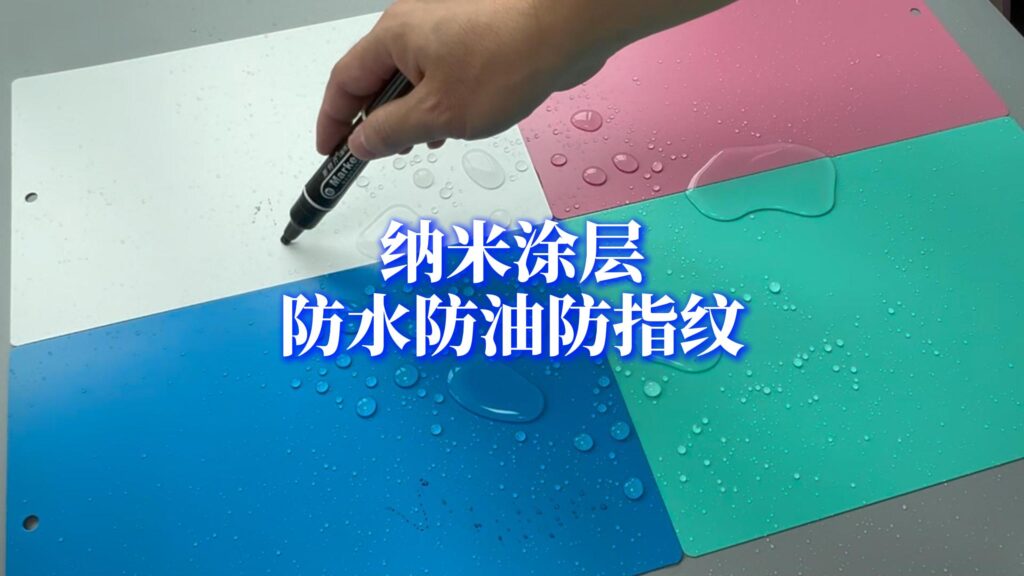
In contrast, Chinese coating brands started later and previously relied more on the systematic technologies of raw material suppliers, but in recent years domestic enterprises have gradually strengthened independent R&D and exploration of cutting-edge materials—such as self-developed nano hydrophobic coatings, fast-drying carbon fiber clearcoats, and water-based eco-friendly systems—rapidly narrowing the technological gap between the two sides.
II. Supply Chain and Production Efficiency: Chinese Brands Have Significant Advantages
Chinese enterprises have clear advantages in supply chain integration, production flexibility, and large-scale manufacturing costs. A vast chemical raw material industry chain, a mature manufacturing support market, and the ability to quickly respond to customer needs give domestic brands a more "efficiency-based competitiveness".
International brands have relatively stable supply chains but slower response times, and are less flexible than domestic enterprises in terms of customization and delivery lead times.
III. Brand Influence: International Brands Dominate High-End Perception
International brands possess long-term global market communication and stable brand value, thus enjoying higher customer trust in the fields of OEM automotive coatings, high-end industrial paints, and professional anti-corrosion.
Although Chinese brands are gradually approaching or even surpassing some international brands in product capability, their brand recognition building started relatively late and requires time to accumulate industry reputation.
IV. Environmental Standards and Product System: International Brands Have More Mature Experience
Environmental regulations in European and American countries are stringent, prompting international brands to adopt water-based, low-VOC, and high-solid coating systems earlier, and they have rich experience.
Although Chinese brands started later, they have rapidly iterated in recent years under policy impetus. Many domestic brands have shown astonishing innovation speed in areas such as water-based industrial paints and low-odor eco-friendly varnishes, and have even reversed the flow by exporting to overseas markets.

V. Pricing System: Domestic Brands Have Clear High Cost-Effectiveness Advantage
International brands are highly priced, mainly due to brand premium, R&D costs, and global operating expenses.
Chinese brands maintain a cost advantage while continuing to improve quality, thus rapidly capturing market share in fields such as automotive color change film coatings, refinish paints, and industrial paints.
VI. Internationalization Capability: International Brands Have Deep Layout, Chinese Brands Are Accelerating to Catch Up
International brands possess complete global channels, regulatory adaptation, and cross-regional manufacturing plants, while Chinese brands are in an active expansion phase, as exemplified by a growing number of enterprises entering international markets through overseas exhibitions, setting up warehousing centers, and establishing distribution systems.


VII. Future Trends: The Gap Narrows but Competition Intensifies
With technological globalization, market transparency, and rising consumer demands for coating performance, the competition between Chinese and foreign brands will no longer be simply "premium vs. cost-performance," but rather "overall capability vs. overall capability." Leveraging their supply chain and innovation speed advantages, domestic brands are expected to achieve global breakthroughs in the next decade.