What kind of paint is truly a good paint?
Nowadays, there are an increasing variety of paint and coating products on the market, with a constant stream of promotional names such as "imported paint," "children's paint," "odorless paint," and "bamboo charcoal paint," which easily leads many consumers into misconceptions when making purchases.
In reality, the key to judging whether a paint is excellent lies not merely in its brand name or marketing concepts, but in the product's overall performance, application results, and long-term stability in use.
For the architectural decoration, industrial equipment, automotive refinishing, and furniture manufacturing industries, truly high-quality coatings need to achieve a balance in adhesion, hiding power, durability, environmental friendliness, and functionality.
The following will provide a detailed introduction from a professional perspective on several core criteria for evaluating a high-quality paint.


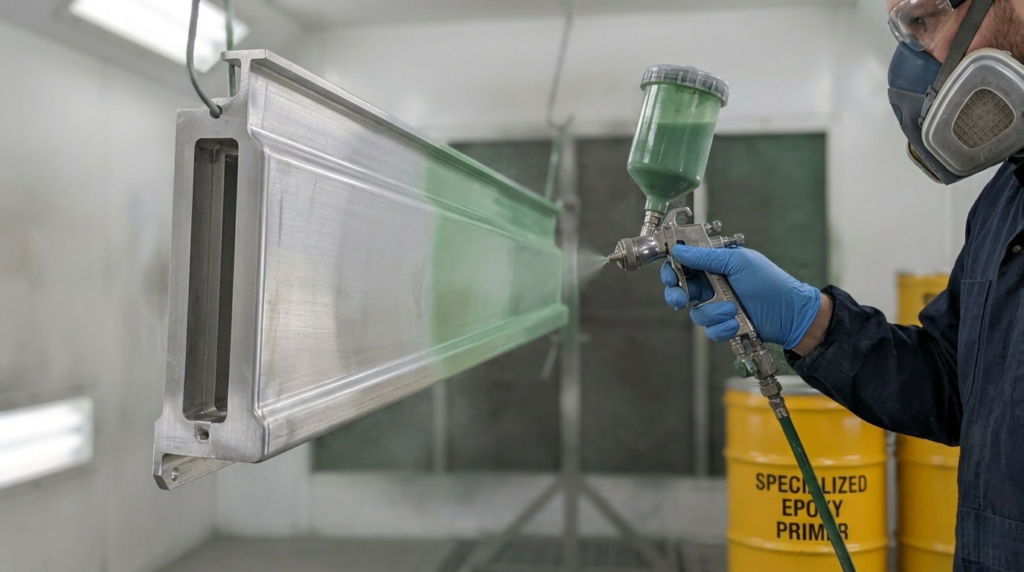

I. To judge a good paint, first look at the "film quality"
After paint application is completed, a protective film is formed, known as the "paint film". The properties of the paint film directly determine the actual performance of the coating.
1. Whether the adhesion is strong
High-quality paints generally exhibit strong adhesion.
In short:
- not prone to peeling off
- not prone to peeling
- not prone to cracking
- Remains stable even after prolonged use
Paints with poor adhesion, even if they look fine right after application, are prone to the following issues later on:
- blistering
- paint peeling
- Cracking
- stratification
Especially in fields such as industrial equipment, steel structures, and automotive sheet metal, adhesion is a very important core indicator.
2. Whether the paint film is scratch-resistant and wear-resistant
High-quality paints generally exhibit better mechanical properties.
For example:
- The wall surface is resistant to scuff marks.
- More wear-resistant on furniture surfaces
- Industrial equipment is resistant to wear.
- Automotive paint surfaces maintain their appearance for a longer period.
Especially industrial systems such as polyurethane coatings, epoxy coatings, and acrylic polyurethane coatings exhibit good performance in terms of abrasion resistance.
3. Whether the color and fullness are stable
High-quality coatings typically feature:
- uniform color
- gloss stability
- high fullness
- not prone to gloss loss
- not prone to fading
Especially for outdoor architectural coatings, automotive paints, and high-end furniture finishes, there are high requirements for gloss and color retention.
For example:
- Acrylic paint exhibits good weather resistance.
- Fluoro-carbon coatings exhibit longer outdoor durability.
- Polyurethane topcoat provides excellent decorative effects.
2. Do not judge environmental performance solely by "odor"
Many consumers easily assume that:
No odor means it's an eco-friendly paint.
In fact, this understanding is not entirely accurate.
Some low-quality products may mask pungent odors by adding fragrance materials, but this does not mean their overall environmental performance is excellent.
What truly needs attention is:
- VOC content
- Free formaldehyde index
- heavy metal control
- Product testing standards
- Environmental certification status
Water-based coatings, low-VOC industrial paints, and eco-friendly wood coatings in the current market are gradually becoming the mainstream direction.

3. High hiding power is what truly saves costs.
Many users focus only on the unit price per bucket when purchasing paint, yet overlook the actual cost per unit area of application.
In fact, high-quality paints generally offer better hiding power.
Good hiding power means:
- Fewer coats required
- Lower paint consumption
- higher efficiency
- Shorter construction time
For example, when renovating dark-colored walls:
High-quality wall paint may cover the original base color in just two coats, whereas low-quality products may require multiple applications.
This not only increases material costs, but also raises labor and construction time costs.
IV. Different scenarios require different types of paint.
Many problems are not due to the paint itself being poor, but rather to its being "used in the wrong place."
The truly professional way to choose coatings is to select the corresponding product based on the service environment.

1. Kitchen and bathroom
Recommended selection:
- mold-resistant coating
- stain-resistant wall paint
- moisture-proof system
Because kitchen and bathroom environments have high humidity, ordinary wall paints are prone to:
- mold/mildew
- Foaming
- yellowing
2. Children's Room and Interior Spaces
Recommended attention:
- scrub resistance
- Low VOC
- odor control
- long-term stability
Walls are prone to frequent contact, so scrub resistance is very important.
3. Industrial Equipment and Steel Structures
Industrial environments demand more from coatings.
Typically required to have:
- corrosion resistance
- salt spray resistance
- chemical resistance
- weather resistance
Common systems include:
- Epoxy primer
- Polyurethane topcoat
- acrylic anti-corrosive paint
- fluorocarbon coating
4. Automotive Coatings
Automotive coatings need to balance:
- gloss
- weather resistance
- scratch resistance
- color stability
Modern automotive refinish paints typically adopt:
- acrylic system
- polyurethane system
- high-solids coating
5. Furniture and Wood Coatings
Furniture coatings place greater emphasis on:
- Color appearance
- feel / handle
- fullness
- wear resistance
Common products include:
- PU wood coating
- UV wood coating
- water-based wood coating
V. How to Avoid Common Pitfalls in Paint Selection?
Do not blindly focus only on the brand.
The brand can be used as a reference, but more importantly:
- Product formulation
- resin system
- actual performance
- engineering compatibility
Do not judge solely by the marketing name.
Some product names are more of marketing concepts.
What truly needs attention is:
- Product Test Report
- Technical parameters
- solid content
- weather resistance
- adhesion
- corrosion protection class
Do not ignore the application system.
Even high-quality paints, if:
- Insufficient substrate preparation
- Incorrect companion primer
- Improper dilution ratio
- Curing conditions not meeting specifications
It will also affect the final result.
VI. Development Trends of Modern Coatings
With environmental protection and industrial technology upgrades, the modern paint industry is developing in the following directions:
waterborne / water-based (conversion)
Reduce volatile organic compounds (VOCs) and improve environmental performance during application.
high-solids formulation
Improve coating efficiency and reduce application waste.
functionalization
Including:
- anti-corrosion
- Fireproofing
- high temperature resistance
- antistatic
- self-cleaning
long-term weather resistance
Enhance outdoor service life and reduce maintenance frequency.
Conclusion
A truly good paint is not judged merely by advertising or conceptual names, but by comprehensive consideration of:
- adhesion
- abrasion resistance
- hiding power
- weather resistance
- environmental performance
- Application scenario fit
Whether for architectural coatings, industrial anti-corrosion paints, automotive coatings, or furniture and wood finishes, only by selecting a product system suited to the application environment can one truly achieve good application results and long-term service value.
For corporate procurement, construction projects, and home renovation, a scientific understanding of paint properties is essential to select the most suitable coating products more rationally.