Single-component paints and two-component paints differ significantly in application methods, performance, durability, and application fields. This article systematically analyzes the advantages, disadvantages, suitable scenarios, and selection logic of the two types of paints to help engineering and industrial users make more rational coating decisions.
I. Basic Classification and Development Background of Paint Systems
In the fields of modern industrial coating and architectural decoration, paints are generally classified by curing mechanism into one-component paints and two-component paints. As industrial equipment, anti-corrosion engineering, building structures, and the manufacturing industry continue to raise their performance requirements for coatings, these two systems have long coexisted in different scenarios, each forming a mature and stable application field.
One-component paints typically form a film through air oxidation, moisture evaporation, or physical drying, whereas two-component paints achieve crosslinking and curing via a chemical reaction between the base paint and the curing agent. This fundamental difference determines their significant distinctions in performance, application, cost, and service life.
II. Key Characteristics of One-Component Paints

1. Definition and Composition of Single-Component Coatings
Single-component paint refers to a coating system that requires no additional mixing ratio before use and can be applied directly after simply stirring. Common types include alkyd paint, acrylic paint, and single-component anti-rust paint, which are widely used in architectural decoration, light corrosion protection, and general industrial protection fields.
2. Main Advantages of Single-Component Coatings
Easy to apply
Single-component paint does not require mixing with a hardener, the application process is simple, and it has lower technical requirements for construction personnel, making it suitable for on-site construction and large-area coating.
Good storage stability
In unopened condition, one-component paint has a long storage period, with no risk of mixing ratio errors or pot life issues.
Relatively low cost
Compared with two-component paint, one-component paint has more controllable costs in terms of raw materials and construction management, making it suitable for budget-sensitive projects.
3. Limitations of one-component paints
Although single-component paints offer clear application advantages, their overall performance is relatively limited in terms of chemical resistance, abrasion resistance, solvent resistance, and long-term anti-corrosion capability. In highly corrosive, high-humidity, or long-term outdoor environments, the coating lifespan is usually inferior to that of two-component paints.
III. Core Characteristics of Two-Component Paints

1. Definition and Composition of Two-Component Coatings
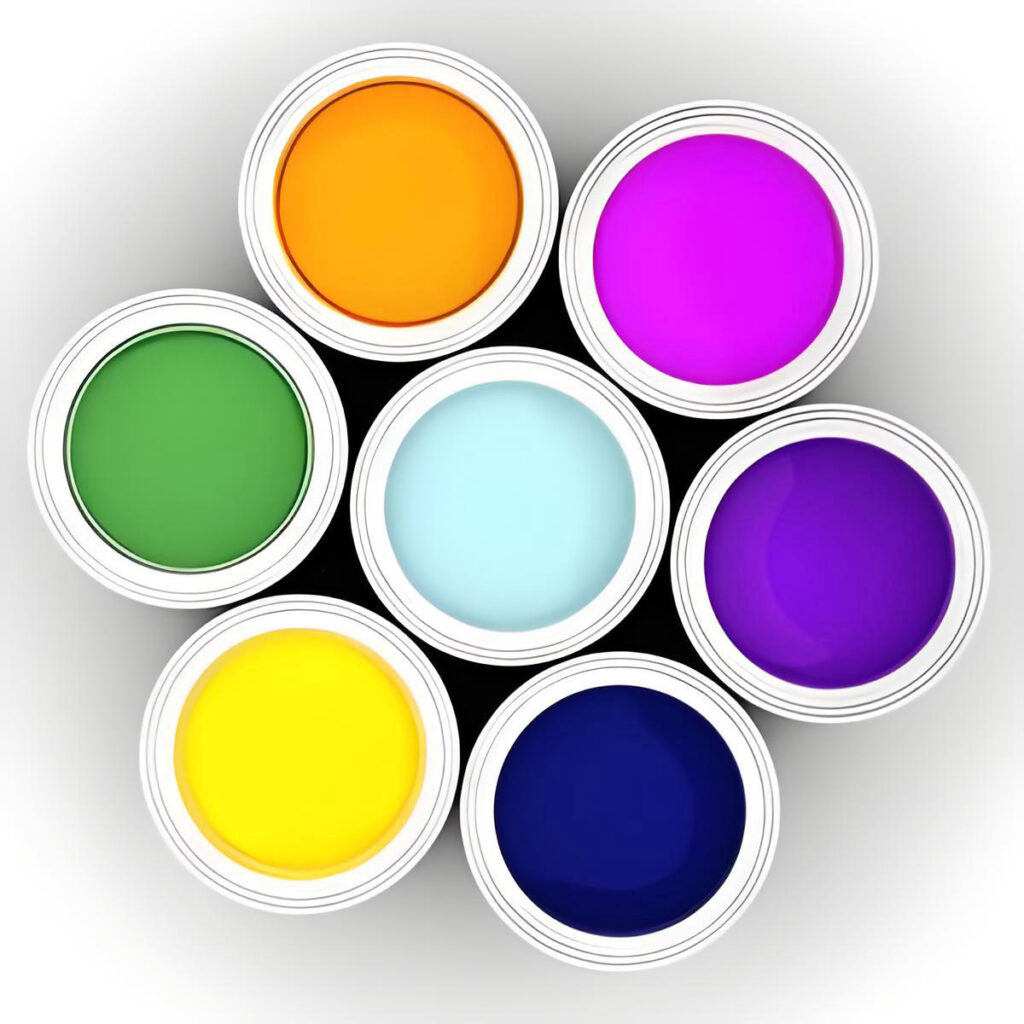
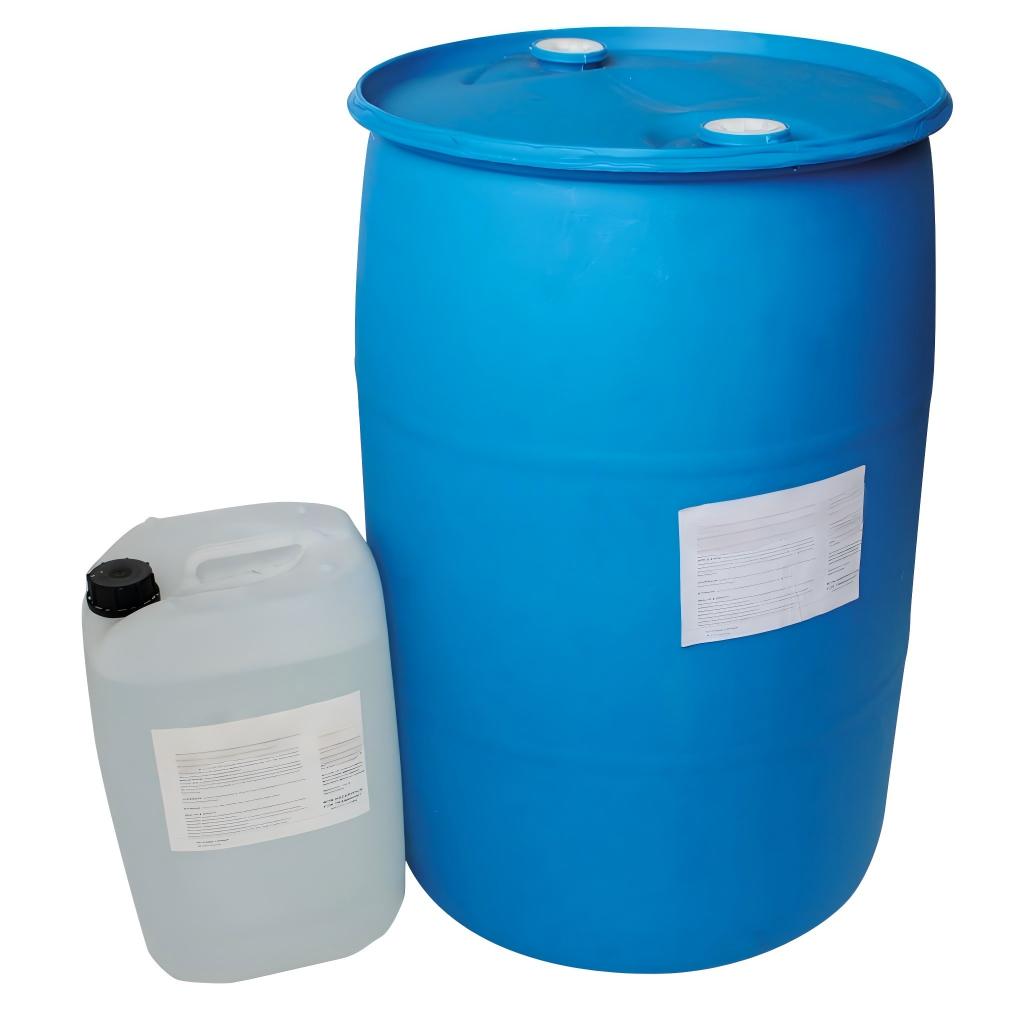
Two-component paint consists of main paint and curing agent, which need to be mixed in proportion before application, forming a dense paint film through chemical cross-linking reaction. Common products include epoxy paint, polyurethane paint, epoxy zinc-rich primer, etc., and are an important part of the modern industrial paint system.
2. Main Advantages of Two-Component Coatings
Excellent physical properties
After curing, the two-component paint forms a three-dimensional cross-linked structure, with high film hardness and strong adhesion, providing excellent abrasion resistance and impact resistance.
Excellent corrosion resistance and chemical resistance
In fields such as chemical equipment, steel structures, and marine engineering, two-component paint has long-term resistance to acids, alkalis, salts, and solvents.
Longer service life
Under proper construction conditions, two-component paint can significantly extend the coating maintenance cycle and reduce long-term comprehensive maintenance costs.
3. Shortcomings of two-component paints
Two-component paint has higher requirements for construction specifications, including accuracy of mixing ratio, control of pot life, and construction environment conditions. In addition, its material cost and construction management cost are relatively higher than those of one-component paint.
IV. Comparative Analysis of Performance between One-Component and Two-Component Paints
| Comparison Item | Single-Component Paint | Two-Component Paint |
|---|---|---|
| Curing Method | Physical drying or oxidation | Chemical reaction curing |
| Application Difficulty | Low | Medium to high |
| Corrosion Resistance | Moderate | Excellent |
| Film Hardness | Lower | Higher |
| Service Life | Shorter | Longer |
| Suitable Environment | General environment | Harsh environment |
From the performance comparison, it can be seen that single-component paint is more inclined toward convenience and cost-effectiveness, while two-component paint focuses on high performance and long-term protection.
V. Rational Selection for Different Application Scenarios
In practical engineering, paint selection should be comprehensively evaluated based on environmental conditions, service life, and maintenance intervals.
- Architectural decoration and light industrial equipment: Single-component paint offers good cost-performance ratio
- Steel structures, anti-corrosion engineering, heavy industrial equipment: Two-component paints offer greater long-term advantages
- Temporary protection or refurbishment projects: Single-component paint offers higher application efficiency
- Highly corrosive or high mechanical load environments: Two-component paint is more reliable

VI. Analysis of Common Misconceptions
Some users, when selecting industrial paints, easily equate "easy application" with "sufficient performance," overlooking environmental factors and long-term costs. Properly distinguishing the applicable boundaries between one-component and two-component paints is key to achieving stable coating results.
VII. FAQ - Frequently Asked Questions
Q1: Are single-component paints completely unusable for industrial equipment?
A: Not at all. In light-duty protection or indoor environments, single-component paints still offer practical value.
Q2: Are two-component paints necessarily better than one-component paints?
A: They offer stronger performance, but not all scenarios require a high-performance system; selection should be based on actual needs.
Q3: What are the common causes of two-component paint application failure?
A: Inaccurate mixing ratio, exceeding the pot life, or non-compliant application environment.
Q4: Is the maintenance cycle of single-component paint shorter?
A: In most outdoor or industrial environments, the maintenance cycle is usually shorter than that of two-component paint.
VIII. Conclusion
There is no absolute superiority or inferiority between one-component and two-component paints; rather, they are complementary for different application scenarios. A thorough understanding of the performance differences, application characteristics, and long-term service behavior of the two types of coatings is an important prerequisite for achieving high-quality painting results.