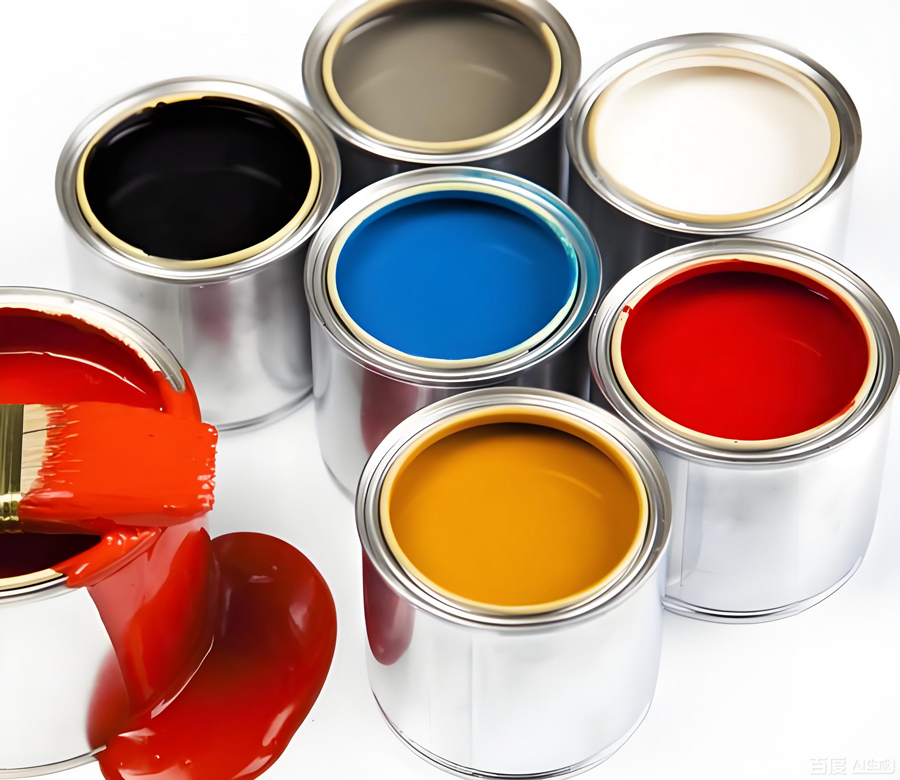
In the fields of home decoration, industrial coating, and automotive painting, selecting the right type of paint is crucial. As two common coatings, one-component paint and two-component paint each have their unique characteristics. Starting from the definitions of one-component and two-component paints, this article provides a detailed analysis of their respective advantages and disadvantages and conducts a coating comparison to help you make an informed choice based on actual needs. Whether you prioritize ease of application or focus on film performance, this article offers useful references. We will also explore weather resistance, cost analysis, and application scenarios, along with answers to common FAQ painting questions.
Introduction to Single-Component Coatings and Their Advantages and Disadvantages
One-component paint, also known as single-pack paint, is a pre-mixed coating that can be used directly from the can without the need to add a curing agent. Such paints are typically based on thermoplastic resins and form a film through solvent evaporation or oxidative drying. One-component paints are very widely used in the market and are especially suitable for beginners or small-scale projects.
Advantages of single-component paint:
- Easy to apply: The biggest highlight of single-component paint is its simplicity of use. It only needs to be stirred evenly before brushing or spraying, with no complicated mixing process required. This greatly lowers the operational threshold and is suitable for DIY enthusiasts or non-professionals. In home wall painting or small furniture repair, single-component paint can save a lot of time and energy.
- Storage and Leftover Utilization: Leftover single-component paint can be sealed and stored for reuse next time without causing waste. This point stands out particularly in cost analysis and is very practical for budget-conscious users.
- Lower cost: Compared to two-component paint, the production and purchase cost of one-component paint is lower. The raw materials are simple, the market price is affordable, and it is suitable for large-scale economical applications, such as interior decoration or temporary protective coatings.
- Moderate drying time: Although not as fast as some two-component paints, the drying process of single-component paint is relatively gentle and less prone to application errors.

Disadvantages of single-component paint:
- Poor film properties: Single-component paints have low solid content, resulting in insufficient film fullness. Hardness, abrasion resistance, and adhesion are inferior to those of two-component paints, and they are prone to peeling or fading in high-intensity environments.
- Poor weather resistance: When exposed outdoors, one-component paint is easily affected by ultraviolet rays, rainwater, and temperature changes, and its weather resistance is not strong. After long-term use, cracking or discoloration problems may occur.
- Poor chemical resistance: In industrial environments, one-component paint has limited resistance to acids, alkalis, and solvents, and is unsuitable for highly corrosive conditions.
- Limited gloss and aesthetic appeal: Although it can provide basic protection, the surface gloss of single-component paint is not as durable as that of two-component paint, and it easily loses its initial bright effect.
Through the above analysis, we can see that one-component paints have advantages in terms of ease of application and cost analysis, but film performance and weather resistance are their weaknesses.
Introduction to Two-Component Coatings and Their Advantages and Disadvantages
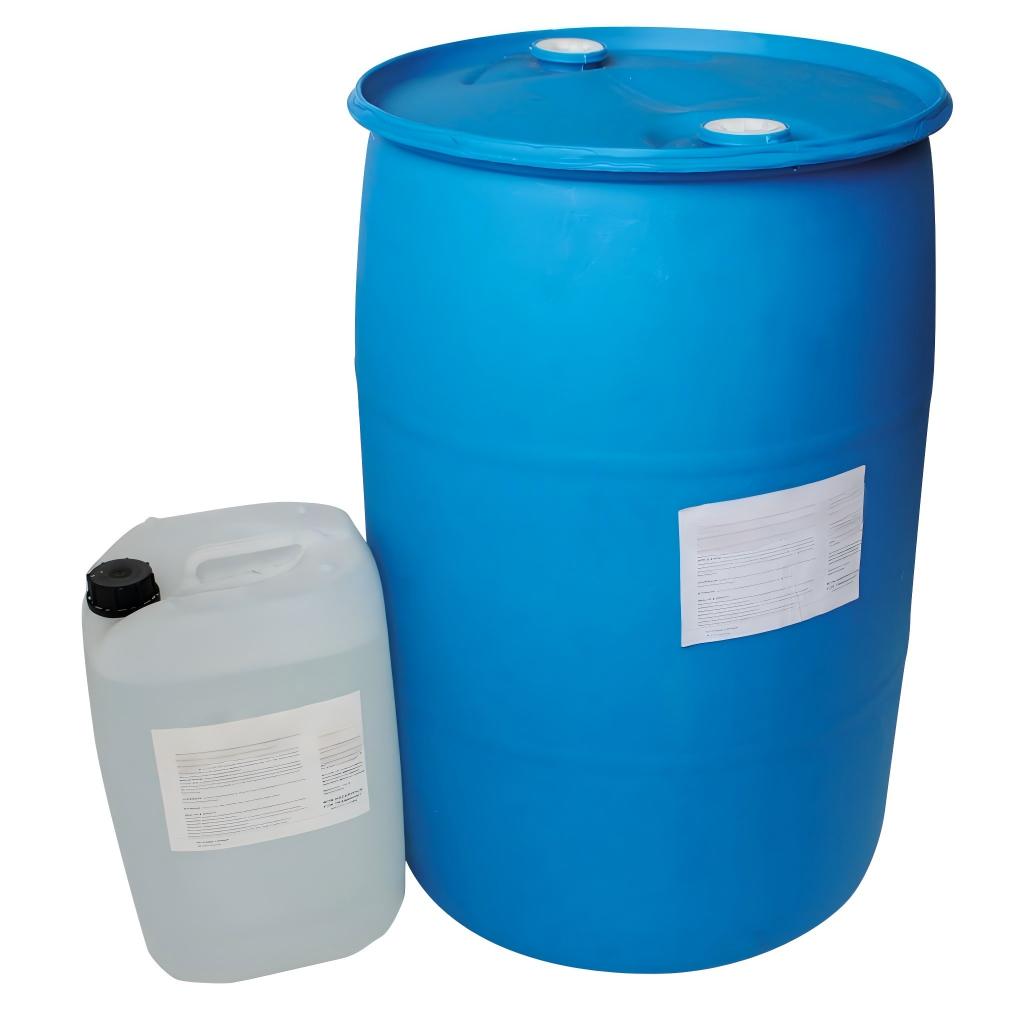
Two-component paint, also known as two-pack paint or 2K paint, consists of a base component and a hardener, which must be mixed in a specified ratio before use. After mixing, a chemical reaction occurs to form a durable film. This type of paint is mostly used in high-end applications such as automotive, marine, and heavy machinery coatings.
Advantages of two-component paint:
- Excellent film performance: Two-component paint has a high solid content, and its film hardness, flexibility, and fullness far exceed those of one-component paint. In coating comparisons, two-component paint has strong adhesion and can provide a better protective layer.
- Strong weather resistance: Two-component paint has excellent resistance to ultraviolet rays, humidity, and temperature changes, making it suitable for environments with long-term outdoor exposure. Its service life can reach several years or even longer, reducing maintenance frequency.
- High chemical and abrasion resistance: In industrial applications, two-component paint can resist acids, alkalis, solvents, and mechanical friction, making it ideal for anti-corrosion coating or high-wear surfaces.
- Aesthetics and gloss durability: The surface finish of two-component paint is brighter, with saturated colors and is less prone to fading. Especially in automotive painting, it can create a mirror-like texture.

Disadvantages of two-component paint:
- Complex construction: Precise ratio of main agent and curing agent is required, and there is a limited working time (pot life) after mixing. Improper ratio may lead to coating defects and requires professional skills.
- Cannot be stored after remaining: The mixed two-component paint must be used up at one time, and the remaining part will cure and be wasted. This is a potential drawback in cost analysis, especially when used in small batches.
- Higher cost: Complex raw materials and production processes result in two-component paint being more expensive than one-component paint. The costs of application equipment and training also need to be considered.
- Strict drying time control: Although the final drying is fast, attention should be paid to ambient temperature and humidity after initial mixing, otherwise the film-forming quality will be affected.
Two-component paints excel in film properties and weather resistance, but ease of application and cost are their challenges.
Comparison between one-component and two-component paints
In coating comparisons, one-component and two-component paints each have their own focus. One-component paints emphasize ease of application and cost-effectiveness, making them suitable for indoor or low-demand scenarios; two-component paints focus on high performance and durability, making them suitable for outdoor or industrial environments.
From a cost analysis perspective, single-component paints require lower initial investment but may incur increased maintenance costs over time; although two-component paints are more expensive upfront, their strong durability can save subsequent costs.
In terms of film properties, two-component paints are significantly superior to one-component paints, especially in hardness, abrasion resistance, and chemical resistance. Weather resistance is also a strength of two-component paints, enabling them to remain stable under harsh weather conditions.
The choice of application scenario depends on specific needs: if simplicity and speed are desired, choose single-component paint; if professional protection is required, prioritize two-component paint.
Application scenario analysis
- Home & Interior Decoration: Single-component paint is suitable for walls and furniture painting, easy to apply and low cost. Two-component paint can be used in kitchens or bathrooms where high moisture resistance is required.
- Automobiles and Ships: Two-component paint is the preferred choice, offering excellent weather resistance and gloss. One-component paint is only used for temporary repairs.
- Industrial anti-corrosion: Two-component paints dominate the market, resisting corrosion. One-component paints are used for light protection.
- Woodware and Flooring: Water-based two-component paints are popular in scenarios with high environmental requirements, while one-component paints are used for simple maintenance.
Through these application scenarios, you can select the appropriate paint type based on the project scale and environment.

FAQ Paint: Frequently Asked Questions
- Which is more environmentally friendly, single-component paint or two-component paint? Both water-based single-component paint and two-component paint can be environmentally friendly, but the VOC content of two-component paint needs attention. Choose low-VOC products to reduce pollution.
- What is the pot life of two-component paint? Pot life refers to the operable time after mixing, usually 1-8 hours, depending on temperature and formulation. After that, the paint will cure.
- Can single-component paint be used outdoors? Yes, but it has poor weather resistance; it is recommended to add a protective layer. Two-component paint is more suitable for outdoor use.
- What tools are needed for two-component paint application? A mixer, spray gun, and protective equipment are required. Professional training helps avoid mistakes.
- What is the drying time for single-component paint? Surface dry in 1-2 hours, fully dry in 24 hours. Affected by the environment.
- Why is the price of two-component paint high? Due to the curing agent and chemical reaction, it provides better film performance, hence it is higher in the cost analysis.
- How to choose between one-component paint and two-component paint? It depends on your needs: choose one-component for easy application, and two-component for better film performance.
- Can two-component paint be DIYed? Yes, but experience is needed. Beginners are advised to start with single-component paint.
- How to compensate for the shortcomings of single-component paint? Improve weather resistance through multiple coats or by adding additives, but it is not as good as two-component paint.
- Do the pros and cons of paint affect health? When using, pay attention to ventilation; low-VOC paint reduces health risks.
Conclusion
One-component and two-component paints each have their own advantages and disadvantages: the former wins with easy application and low cost, while the latter stands out with excellent film performance and weather resistance. In coating comparisons, there is no absolute superiority or inferiority, only suitable application scenarios. We hope this analysis and the FAQ paint answers will help you with your purchase. Remember to conduct a cost analysis based on project requirements and prioritize environmentally friendly products.