Which paint should be used for plastic spray coating to avoid failure? Master the three key points of substrate, performance, and process to correctly select plastic paint!
In appearance-driven product markets, whether plastic-part painting succeeds often determines the overall product's look and price premium, and "choosing the wrong coating" is the root cause of the vast majority of painting failures. This article uses an actionable three-step formula to help R&D, procurement, and engineering eliminate pitfalls at the coating selection stage, rather than reworking and paying the price after mass production.
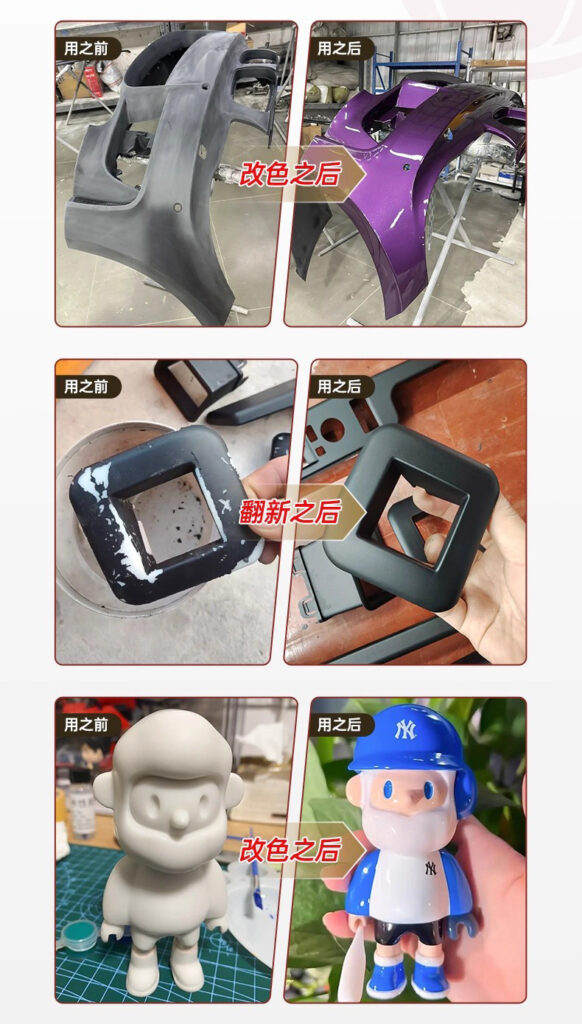
The first step is substrate determination. Polar plastics such as ABS and PC have strong affinity for coatings and can generally use standard plastic paints; non-polar materials like PP must use PP-specific primer or undergo corona/flame treatment. Whenever the substrate source is uncertain, first prepare samples and perform a cross-cut adhesion test. Do not cut corners on coating cost based on experience—otherwise, rework costs on the production floor will far exceed one hour of lab verification.
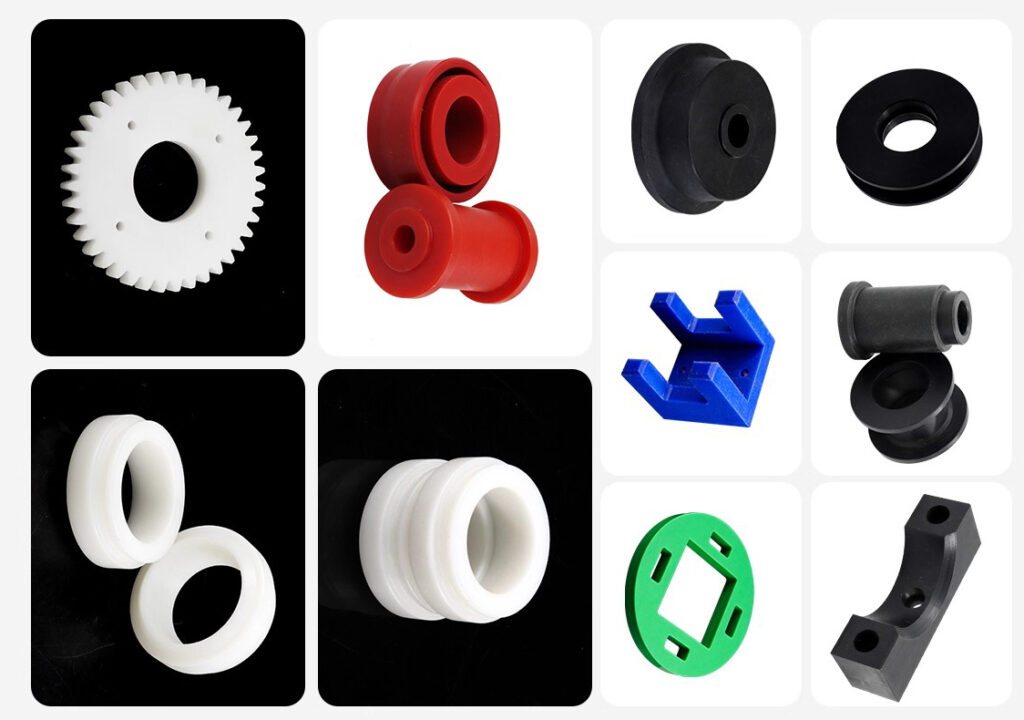
The second step is the performance-determining system. Fast-moving consumer goods can use single-component acrylic systems; electronics, power tools, and handheld devices require two-component PU coatings to resist scratching and abrasion; outdoor exposure and automotive exterior parts need UV-curing systems to ensure weather resistance and long-lasting appearance; if there are exposure scenarios involving solvents, sweat, or alcohol friction, alcohol rub resistance testing must be conducted simultaneously during the selection stage to verify service life.
The third step is that surface effects determine the process. Satin finishes offer strong hiding power and a softer touch, better tolerating defects; high-gloss mirror finishes deliver strong visual impact but easily amplify surface micro-imperfections; special effects such as metallic flake, pearlescent, and rubber-feel coatings all impose higher standards on line cleanliness, exhaust, cycle time, and dedicated line isolation—not a simple action of "just switching the coating."
Key reminder: Three verifications must be completed before mass production — (1) Cross-cut adhesion (2) Alcohol rub resistance (3) Color evaluation under standard light source. A one-line formula to summarize plastic coating selection and application: Substrate compatibility + Performance satisfaction + Process feasibility = Successful selection. Choosing the right coating is not about giving the product "a color", but making the product "more valuable".