In industrial manufacturing, equipment maintenance, steel structure engineering, and chemical facilities, industrial paint is a key material for ensuring structural safety, extending service life, and improving appearance. Faced with a wide variety of industrial coatings, how to select them scientifically has become a common challenge for many corporate procurement departments and engineering contractors. To choose the right industrial paint, one must make a comprehensive judgment based on dimensions such as substrate, working environment, performance requirements, construction conditions, and cost cycle.
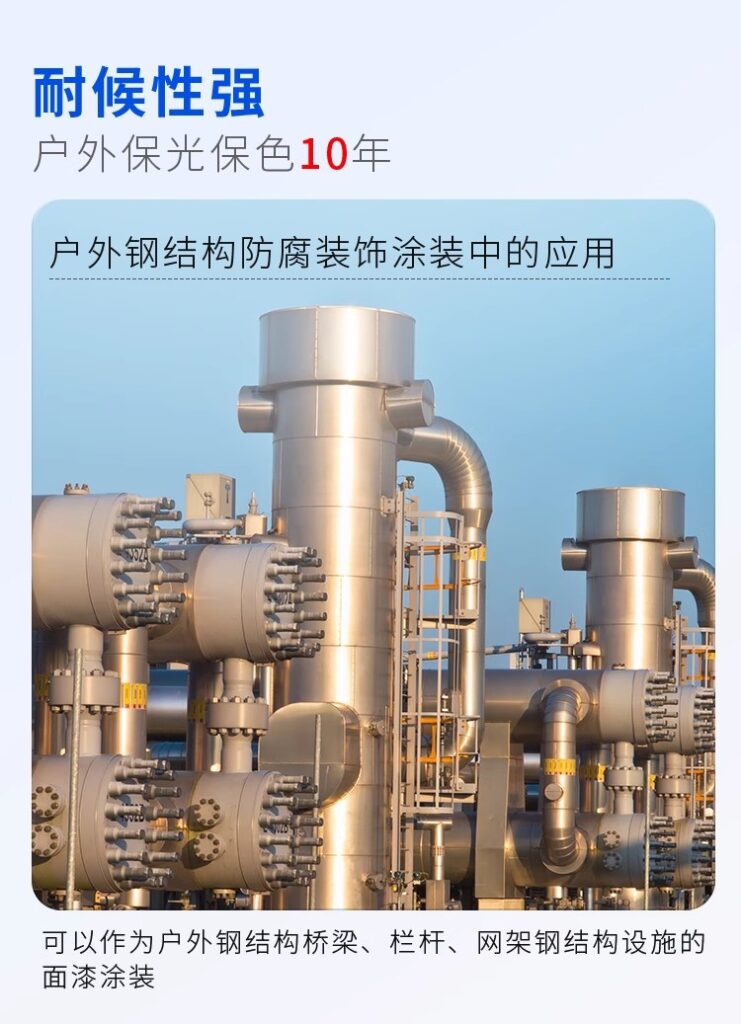
I. Identify the Substrate Type: The Primary Factor in Paint Selection
Different materials differ significantly in coating adhesion and chemical reactivity, which is a core variable in industrial coating selection.
- Metal substrates
Steel structures, equipment enclosures, pipelines, etc. usually require a rust-preventive primer + topcoat system. Common choices include:- Epoxy anti-corrosion primer: strong adhesion and good chemical resistance, it is the most common industrial primer.
- Polyurethane topcoat: Strong weather resistance, suitable for outdoor equipment.
- Concrete and cement-based substrates
Issues of high water absorption and strong alkalinity need to be addressed, usually paired with:- Penetrating sealer primer
- Epoxy floor paint or wear-resistant coating
- Plastic substrate or composite material
Attention should be paid to flexibility and adhesion; select specialized industrial paints such as:- Acrylic industrial paint
- modified epoxy system
Identifying the substrate helps to screen for suitable anti-corrosion paint, metal coating, or weather-resistant coating types.
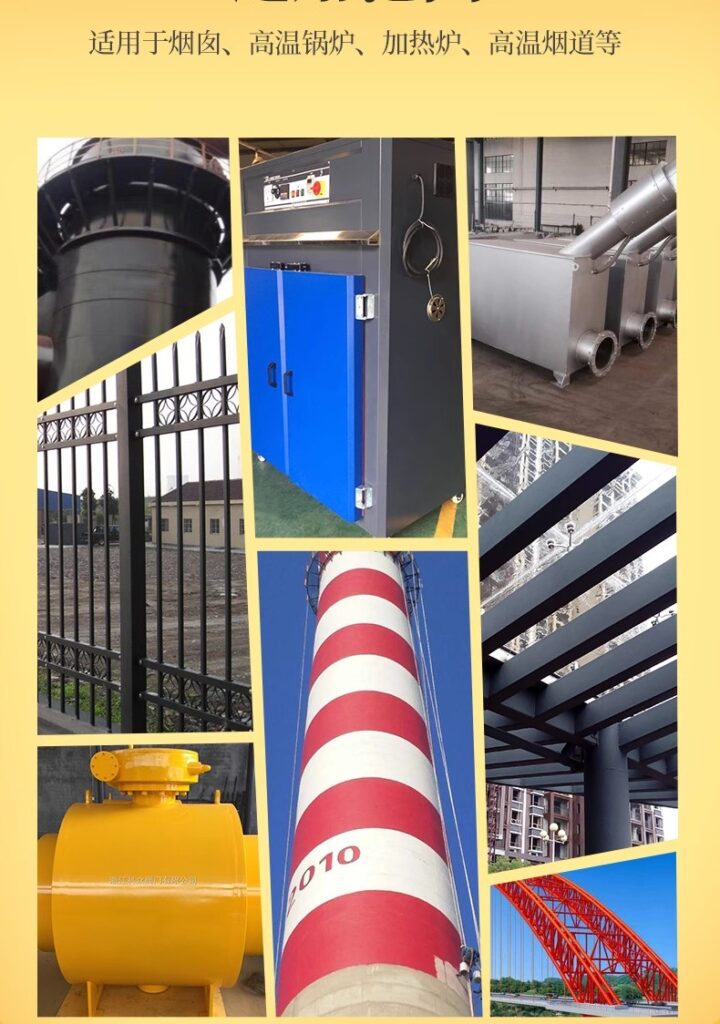
II. Understanding the Usage Environment: Key Conditions Affecting Coating Lifespan
Industrial coating selection must be based on actual service conditions; otherwise, premature failure will result.
- Indoor environment
Generally with a lower corrosion level, more cost-effective solvent-based or water-based industrial paints can be selected. - Outdoor environment
Need to resist UV rays, rain, and temperature differences. Prioritize choosing:- Polyurethane topcoat
- Fluorocarbon coating (extremely high weather resistance)
- Highly corrosive environments (chemical plants, coastal areas, sewage stations)
- High-solids epoxy anti-corrosion primer
- heavy-duty anticorrosive coating system
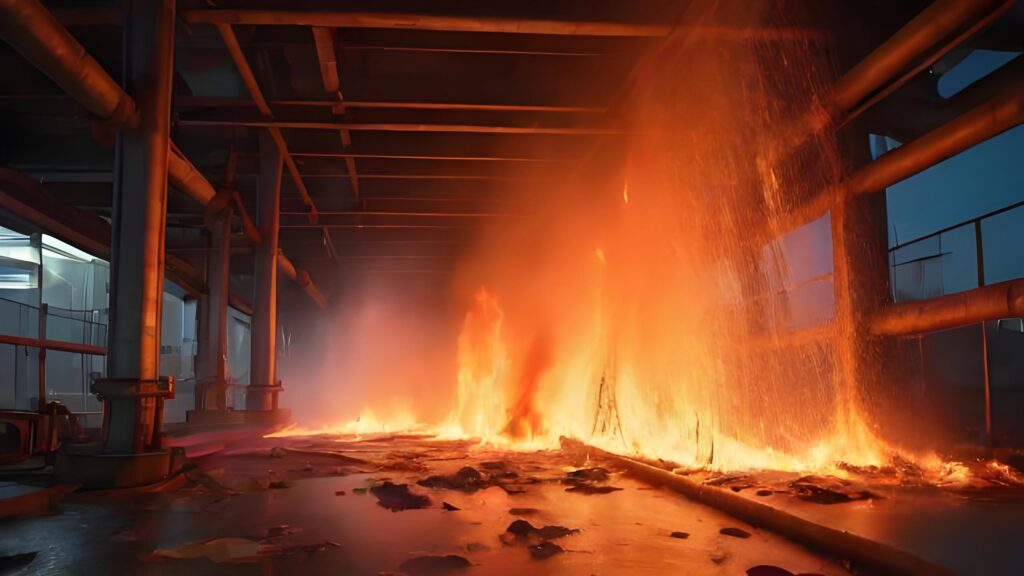
- High-temperature environments (boilers, flues, drying equipment)
Use high-temperature-resistant industrial paint, such as grades of 200°C, 400°C, 600°C, etc.
III. Focus on Performance Metrics: The Hardcore Criteria for Selecting Industrial Coatings
Truly effective industrial coatings must possess the following properties:
- Strong adhesion: Determines service life
- High corrosion resistance rating: especially for offshore and chemical equipment
- Excellent weather resistance: Essential for outdoor engineering
- Abrasion resistance and hardness: especially for flooring and mechanical equipment
- Chemical resistance: Resists acids, alkalis, and salts

4. Construction conditions are as important as the coating system
When selecting industrial paints, one should not focus solely on the coating itself, but also ensure compatibility with the application method.
- Spraying, rolling, or brushing
Different coatings have different viscosities, so the corresponding application method should be selected. - Primer + Intermediate coat + Topcoat system
A good industrial coating should form a complete coating structure to meet anti-corrosion requirements. - Water-based vs. Solvent-based Selection
Factories with high environmental requirements may give priority to water-based industrial paint.

V. Budget and Usage Cycle: Comprehensive Cost Assessment
Don't just look at the unit price; look at the "life-cycle cost of the coating" instead.
For example:
- Fluorocarbon paint has a higher unit price but a longer service life, suitable for high-end outdoor projects.
- Epoxy paint is moderately priced and is the main choice for most industries.
6. How to Quickly Determine an Industrial Paint Scheme? (Practical Suggestions)
- Provide on-site photos or corrosion grade information to the supplier.
- Request initial samples to test adhesion and hardness.
- Prioritize choosing qualified industrial coating factories
- Request the other party to provide the complete application process and coating system.

Conclusion
How to choose industrial paint, the core lies in: substrate + environment + performance + application system a comprehensive judgment. Mastering these standards allows you to find a truly durable, safe, and economical industrial coating solution for your project.