Explore Water-Based Waterline Paint: The Perfect Blend of Eco-Friendliness and Performance
Water-based water surface paint: Ushering in a new era of eco-friendly coating
Amid the growing environmental awareness of today, people have higher pursuits for quality of life and environmental quality. All industries are actively exploring green development paths, and the coatings industry is no exception. As an outstanding representative of environmentally friendly coatings, water-based waterline paint is gradually emerging in the market and gaining increasing attention and favor from consumers. Its advent not only brings more eco-friendly and healthy coating options to our lives, but also plays a significant role in driving the green transformation of the entire coatings industry, leading us into a brand-new era of environmentally friendly coating.
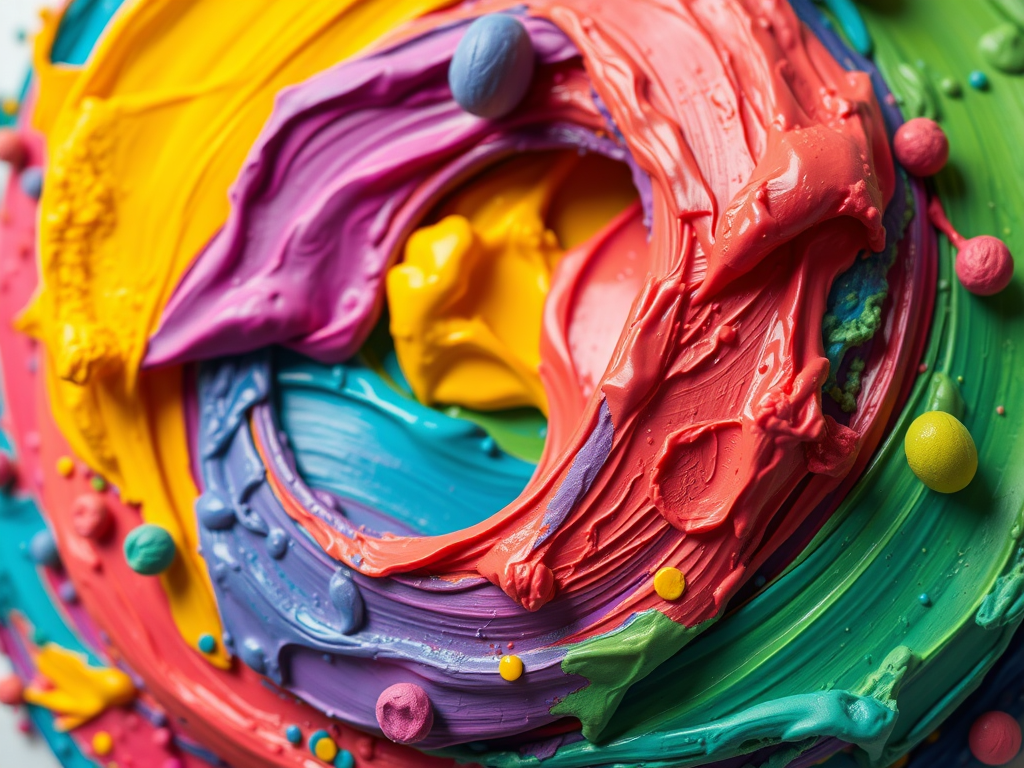
1. What is water-based water surface paint
Water-based marine topcoat, understood literally, is a coating that uses water as the solvent or dispersion medium. Unlike traditional solvent-based coatings, it has moved away from the era of using organic solvents as thinners by introducing water into the formulation. This innovation not only greatly changes the properties of the coating, but also achieves a qualitative leap in its environmental performance. When we enter a space coated with water-based marine topcoat, we can hardly smell any pungent odor—this is the intuitive experience brought by using water as the solvent, and one of the most obvious differences from traditional coatings.
In terms of composition, water-based waterline paints mainly consist of water-based resins, pigments, fillers, additives, and water. Among these, the water-based resin acts as the core component, akin to the foundation of a building, determining the key properties of the paint film. It functions as a binder within the entire system, tightly bonding the other components together; once the water-based waterline paint is applied to a surface, the water-based resin gradually dries to form a film, providing a strong and stable protective layer that ensures the hardness, gloss, and weather resistance of the coating. Different types of water-based resins, such as alkyd, acrylic, and epoxy resins, impart distinct film properties. For example, water-based waterline paints made with acrylic resin typically offer good weather resistance and gloss/color retention, maintaining bright color and stable performance in outdoor environments over the long term; whereas water-based epoxy paints excel in adhesion and chemical corrosion resistance, and are often used in industrial fields with high protective requirements.
Pigments act as color providers in water-based topcoats for water surfaces. They not only impart rich and varied colors to the paint film, satisfying the pursuit of aesthetics, but also enhance the hiding power of the film, allowing surface defects of the coated object to be perfectly concealed and presenting a uniform and consistent appearance. Common pigments include titanium dioxide, iron oxide red, carbon black, etc., each with unique color and performance characteristics. Taking titanium dioxide as an example, it is a white pigment with extremely high hiding power and whiteness, enabling water-based topcoats for water surfaces to exhibit a bright, clean white finish, and is widely used in applications requiring white or light-colored coatings.
Fillers are added to improve the physical properties of the film; they can enhance the hardness and abrasion resistance of the coating film and reduce costs, among other effects. Common fillers such as calcium carbonate and talc are uniformly dispersed in water-based deck paints and work synergistically with other components to improve the overall performance of the film. For example, calcium carbonate increases the hardness and abrasion resistance of the film, making the painted surface more robust and durable; talc helps improve the smoothness and gloss of the film, giving the coating surface a smoother and finer finish.
Although additives are used in relatively small amounts in water-based marine topcoats, they play an indispensable role. They are like the unsung "heroes" behind the scenes, silently assisting in the preparation and application of water-based marine topcoats. Defoamers can effectively prevent bubble formation in the film during drying, ensuring a smooth and even surface; leveling agents enable the water-based marine topcoat to flow out rapidly after application to form a uniform coating, avoiding brush marks and orange peel; fungicides inhibit the growth of mold on the film surface and extend the service life of the coating, especially suitable for painting in humid environments; and anti-settling agents prevent pigments and fillers from settling during storage, ensuring the stability and uniformity of the water-based marine topcoat.
The greatest highlight of water-based marine topcoat lies in its excellent environmental performance. As it uses water as the solvent, it releases virtually no volatile organic compounds (VOCs) such as benzene, toluene and xylene during production, application and use. These substances volatilize in large quantities when traditional solvent-based coatings are used, causing serious indoor air pollution, endangering human health, and potentially triggering environmental problems such as photochemical smog. The advent of water-based marine topcoat reduces the emission of such pollutants at the source, creating a fresher and healthier living and working environment for us. Whether for home decoration, coating of commercial spaces, or industrial applications, choosing water-based marine topcoat means a sense of responsibility and care for the environment and health. It allows us to contribute to environmental protection while pursuing aesthetics and practicality.
II. Exclusive Advantages Unveiled
(1) A New Benchmark for Eco-Friendly and Non-Toxic
One of the biggest highlights of water-based waterline paint is its excellent environmental performance. It contains no harmful substances such as formaldehyde, benzene, toluene, or xylene, which are widely present in traditional solvent-based coatings and extremely hazardous to human health. Formaldehyde is classified by the World Health Organization as a Group 1 carcinogen; long-term exposure may cause serious diseases such as nasopharyngeal carcinoma and leukemia. Benzene series compounds damage the nervous and hematopoietic systems, leading to symptoms like dizziness, fatigue, and memory loss. Water-based waterline paint uses water as the solvent, eliminating the generation of these harmful substances at the source and truly achieving non-toxic, odorless, and low VOC (volatile organic compounds) emissions.
Low VOC emissions are of great significance for environmental protection and human health. During interior decoration, VOCs released from traditional coatings accumulate indoors, causing indoor air pollution and seriously affecting occupants' health. In contrast, the low VOC emissions of water-based marine topcoats effectively ensure indoor air quality, allowing people to live in a fresh and healthy environment. In the field of exterior coating, the use of water-based marine topcoats also greatly reduces pollution to the atmospheric environment and helps lower the risk of environmental issues such as photochemical smog.
This eco-friendly property is particularly prominent in home decoration and public space ornamentation. In home renovation, applying water-based water-surface paint to walls, furniture, etc. can create a safe and healthy living environment for family members, especially vulnerable groups such as the elderly, children, and pregnant women. Newly decorated rooms have almost no pungent odor, allowing occupancy without prolonged waiting and greatly shortening the vacancy period after renovation. In public places such as schools, hospitals, and kindergartens, the use of water-based water-surface paint is even more critical. These venues have high occupant density and extremely high requirements for environmental health; the non-toxic and harmless nature of water-based water-surface paint can effectively protect the physical health of students, teachers, patients, and staff, and reduce the risk of diseases caused by decoration pollution.
(2) Outstanding Performance Beyond Expectations
Excellent physical properties
Water-based floor paint excels in physical properties, offering good abrasion resistance and scratch resistance, and is able to withstand various frictions and impacts in daily life. Its surface hardness is high, generally reaching 2H or even higher, which enables the coating to remain relatively intact when faced with scraping by sharp objects, and not easily show obvious scratches, thereby extending the service life of the coated object. For example, when water-based floor paint is applied to the surface of wood flooring, even after long-term walking and friction from moving furniture, the coating can remain smooth and flat, without easily suffering wear or scratches, and consistently adds beauty and comfort to the home environment.
Excellent anti-blocking and stackability are also a major feature of water-based waterline paints. Under high-temperature conditions, they do not exhibit tack-back, which is crucial for products that need to be used or stored under different environmental conditions. For example, in hot summer weather, plastic or metal products coated with water-based waterline paint will not stick to each other due to elevated temperatures, ensuring proper use and storage of the products. This property makes water-based waterline paint suitable for a wide range of applications, delivering stable performance advantages in both indoor and outdoor settings, as well as in high- and low-temperature environments.
Excellent decorative performance
In terms of decorative performance, water-based topcoats for water surfaces also perform excellently. They offer a rich and diverse range of colors, which can be formulated into various brilliant hues according to customer requirements to satisfy different consumers' pursuit of personalization and aesthetics. Whether it is a fresh and elegant Nordic style, a passionate and vibrant Mediterranean style, or a minimalist and fashionable modern style, water-based topcoats for water surfaces can, through abundant color options, create a unique ambience and visual effect for home decoration and commercial spaces.
In addition to offering a rich variety of colors, water-based waterline paint can also present different gloss effects, such as high gloss, semi-gloss, and matte. High-gloss water-based waterline paint gives the object surface a mirror-like sheen that reflects bright light, enhancing the sense of openness and opulence of a space; it is often used in settings where decorative impact is emphasized, such as hotel lobbies and exhibition halls. Semi-gloss falls between high gloss and matte—providing a certain level of sheen without being overly harsh—and delivers a soft, comfortable feel, making it suitable for living rooms and bedrooms in residential spaces. Matte water-based waterline paint, by contrast, is understated and restrained; it effectively reduces light reflection to make a space feel warmer and calmer, and is commonly applied in studies and children's rooms where softer lighting is preferred.
In addition, water-based water-surface paint offers high fullness, making the coating appear thicker, plumper and rich in texture. Meanwhile, it provides a pleasant feel with a smooth, sleek surface that is delicate and comfortable to the touch, further enhancing the decorative effect. When touching furniture finished with water-based water-surface paint, one can clearly perceive its silky smooth texture, which not only adds a sense of quality to the furniture but also delivers a delightful tactile experience to the user.
(3) Convenient Construction with High Efficiency
The application process of water-based waterline paint is relatively simple, which is one of the reasons it is highly favored. It can be diluted with water and requires no organic solvents, which not only reduces application costs but also minimizes safety hazards and environmental pollution caused by organic solvent volatilization. During application, workers only need to add water to the water-based waterline paint at a specified ratio and stir it evenly before use, making the operation very convenient.
Fast drying speed is another significant advantage of water-based marine paint. Compared with traditional solvent-based coatings, water-based marine paint dries faster at room temperature, with a typical surface dry time of only 1–2 hours and a relatively shorter hard dry time. This greatly shortens the construction period and improves work efficiency. In some large-scale decoration projects or industrial painting applications, a shortened construction period means faster handover for use and reduces various cost increases caused by excessively long construction time. For example, in the renovation of commercial shops, using water-based marine paint can complete the painting work in a short time, allowing the shop to open and operate as soon as possible and seize market opportunities.
Cleaning of painting tools is also very convenient, which is another manifestation of the ease of application of water-based waterline coatings. Since water-based waterline coatings use water as the solvent, painting tools such as brushes, rollers, and spray guns can be cleaned with clean water after use, without the need for dedicated solvent cleaners. This not only saves the cost of tool cleaning but also reduces solvent-related harm to applicators. At the same time, the rinse water is relatively environmentally friendly and does not cause significant pollution to the environment; compared with the wastewater containing large amounts of organic solvents generated after cleaning tools used with conventional solvent-borne coatings, it better meets environmental requirements.
III. Extensive Application Scenario Showcase
(1) Home Decor Shows Warmth
In the field of home decoration, water-based topcoats have truly shone, becoming the first choice for many households pursuing a high-quality lifestyle. They are suitable for wooden furniture, doors and windows, walls, and more, bringing a rich array of color options and a warm atmosphere to the home environment.
When we step into a living space finished with water-based water-surface paint, the first thing that catches the eye is the colorful walls, like vivid scrolls of painting. Whether it is a fresh, light blue that creates a tranquil and comfortable sleeping environment for the bedroom; an energetic light yellow that adds a lively and cheerful atmosphere to the children's room; or a calm and sophisticated gray that brings a minimalist, stylish tone to the living room, water-based water-surface paint handles them all with ease, satisfying different family members' color preferences and spatial style needs. Moreover, its color stability is excellent—it resists fading even after long-term use, always retaining its original vivid brilliance and keeping the home environment looking as good as new.
In wooden furniture, water-based topcoat also plays a significant role. It penetrates deep into the wood grain, not only providing a durable protective barrier that prevents moisture absorption, warping, and decay to extend the furniture's service life, but also perfectly reveals the wood's natural texture and grain beauty. For example, applying water-based topcoat to solid wood dining tables and chairs preserves the wood's original character while adding a smooth, fine touch, making the furniture both functional and more decorative and artistic. When touching such furniture, one feels a warm, natural texture, as if in close contact with nature, adding warmth and comfort to home life.
For the painting of doors and windows, water-based topcoats also demonstrate unique advantages. They can effectively resist the erosion of natural factors such as sunlight, wind, and rain, protecting the door and window materials from damage while enhancing their aesthetic appeal. In the scorching summer, water-based topcoats can reflect part of the solar heat, lower indoor temperatures, and reduce air-conditioning energy consumption; in rainy and windy weather, they prevent rainwater penetration and avoid moisture-induced warping or deformation of doors and windows. Moreover, the low-VOC emission characteristics of water-based topcoats effectively safeguard indoor air quality, and especially for households with the elderly, children, or pregnant women, using water-based topcoats for home decoration is like building a solid defense line for the family's health, allowing us to enjoy a warm home life with peace of mind.
(2) Showcasing Presence in Public Spaces
In public places such as schools, hospitals, and office buildings, water-based floor paints are also widely used, creating a healthy and aesthetically pleasing environment for these spaces.
Schools are places where children learn and grow, and students spend most of their day on campus, so the health and safety of the school environment are of paramount importance. Water-based marine paint, with its low VOC content, has become an ideal choice for school renovation. When used for wall coating in classrooms, water-based marine paint can effectively reduce the release of harmful gases, providing teachers and students with a fresh and healthy learning environment. Moreover, the rich colors of water-based marine paint can be used to create classroom spaces full of creativity and educational atmosphere. For example, in kindergarten classrooms, brightly colored water-based marine paint can be used to paint various cartoon patterns and educational elements, stimulating children's interest in learning and imagination; in primary and secondary school classrooms, soft and comfortable colors help create a quiet and focused learning atmosphere. In addition, water-based marine paint can also be used on school corridors, stair handrails, and other areas. Its good abrasion resistance and washability can withstand students' frequent daily touching and friction, keeping the surfaces clean and attractive at all times.
As a place for medical treatment and rehabilitation, hospitals have extremely high requirements for environmental hygiene and health. The non-toxic and odorless properties of water-based marine paint have led to its widespread use in hospital decoration. It does not release harmful gases, avoiding adverse effects on the health of patients and medical staff, and is especially suitable for coating areas such as wards, operating rooms, and outpatient halls. In wards, the use of water-based marine paint can create a warm and comfortable treatment environment for patients, aiding their physical and mental recovery; in operating rooms, its clean and easy-to-clean characteristics can meet stringent hygiene requirements and ensure a sterile and safe surgical environment. Moreover, water-based marine paint also offers good antibacterial performance, effectively inhibiting the growth of bacteria and mold, reducing the risk of cross-infection, and providing strong assurance for hospital environmental hygiene.
Office buildings are where people work, and a comfortable, aesthetically pleasing office environment can enhance employees' work efficiency and motivation. The application of water-based water-surface paint adds a sense of fashion and vitality to office buildings. In the coating of office walls and ceilings, water-based water-surface paint allows the selection of suitable colors based on a company's culture and style, creating a professional and efficient working atmosphere. For example, some technology companies may choose clean, bright cool tones to reflect their sense of innovation and technology, while some creative design firms may opt for personalized, artistic color combinations to stimulate employees' creativity. In addition, water-based water-surface paint can also be used in public areas of office buildings, such as lobbies and elevator halls; its excellent decorative effect enhances the overall image and quality of the building and leaves a positive impression on visiting clients.
(3) Demonstrating Strength in the Industrial Sector
In the industrial sector, water-based topcoats have secured a significant position owing to their excellent performance, and are widely used for automotive body coatings, machinery enclosures, and similar applications.

As an important means of daily transportation, the aesthetic appeal and durability of automobiles are of great concern. Waterborne topcoat plays a key role in automotive body painting. It exhibits good adhesion, firmly bonding to the car body surface to form a tight protective film that effectively prevents the body from being corroded by external factors such as rain, wind-blown sand, and ultraviolet radiation, thereby extending the vehicle's service life. At the same time, the abrasion resistance of waterborne topcoat is also excellent; even after long-term driving with various frictions and impacts on the body surface, the paint film remains relatively intact, resistant to scratches and wear, and maintains a bright appearance. Moreover, waterborne topcoat can provide a rich variety of colors and gloss effects, meeting automakers' demands for personalized and stylish designs and adding unique charm to vehicles. For example, some high-end automotive brands use waterborne metallic paint to achieve a brilliant metallic luster, enhancing the sense of luxury and quality of the car.
The enclosure of machinery and equipment is a critical component that protects internal parts, and its coating quality directly affects equipment performance and service life. Water-based topcoat is an ideal choice for enclosures due to its excellent protective properties. It effectively prevents rust and corrosion of enclosures, shielding equipment from harsh working environments. In industries such as chemicals and machinery manufacturing, equipment often faces complex conditions like high temperature, high humidity, and chemical corrosion; the corrosion resistance of water-based topcoat ensures enclosures remain stable and protective under such conditions. Additionally, its fast-drying feature offers significant advantages in industrial production by greatly improving efficiency. In large-scale manufacturing, rapid drying in coating shortens production cycles and reduces line dwell time, raising overall efficiency and lowering costs. For example, in automotive plants, using water-based topcoat on bodies allows faster progression to next steps, increasing speed and output.
4. Tips for Selection and Use
(1) Selecting Products with a Discerning Eye
Faced with a wide array of water-based deck paints on the market, how to select a high-quality product has become a key concern for consumers. First, pay attention to the product's environmental indicators and check whether it has relevant eco-certifications, such as the China Environmental Label Product Certification and the Ten-ring Certification. These certifications serve as strong proof of a product's environmental performance, indicating that it meets stringent environmental standards in terms of hazardous substance limits and volatile organic compound (VOC) emissions, thereby providing reliable protection for our living environment.
Product quality is also a critical factor that cannot be overlooked. One can review the product's test reports to understand whether its performance indicators—such as adhesion, abrasion resistance, water resistance, and weather resistance—meet or exceed industry standards. A high-quality water-based waterline coating should exhibit good adhesion, firmly bonding to the substrate surface without easily peeling off; strong abrasion resistance to withstand daily friction and impact; and excellent water and weather resistance, maintaining stable performance in humid environments and under varying climatic conditions, thereby extending the service life of the coating film.
Brand reputation is equally crucial. Choosing water-based waterline coatings from well-known brands often ensures more reliable quality assurance and after-sales service. Well-known brands typically invest more in product R&D, production processes, and quality control, and possess richer experience and more advanced technologies, enabling stable quality and excellent performance. At the same time, a good brand reputation also means that if any product issues arise, they can be resolved promptly and effectively, leaving consumers free from worry.
In addition to the above points, you can also learn about a product's actual performance by checking its reputation and reviews. You can review other consumers' evaluations and feedback on e-commerce platforms, renovation forums, and similar channels to understand a product's strengths and weaknesses, thereby providing a reference for your own choice. For example, if some consumers report after use that a certain brand's water-based marine paint dries quickly, has uniform color, and is odorless, then that brand's product is likely to be highly reliable; conversely, if many consumers report that a product suffers from difficult application, easy peeling, or similar issues, then caution is warranted when considering it.
(2) Standardize Construction to Ensure Quality
The construction process plays a decisive role in the final effect of water-based waterline paint; only standardized construction can fully leverage its performance advantages. Before construction, thorough treatment of the substrate surface to be coated is a crucial first step. First, ensure the surface is dry, smooth, and clean, free of impurities such as oil, dust, and rust, as these impurities can affect the adhesion of the water-based waterline paint and cause issues like peeling and blistering of the coating. Tools such as sandpaper and cleaners can be used to sand and clean the surface, achieving suitable surface roughness and enhancing the bond between the coating and the substrate. For objects with old paint layers, the old paint must be completely removed to avoid adverse reactions between the new and old coatings.
Requirements for the construction environment should not be overlooked either. The application temperature of water-based waterline paint should generally be controlled between 5°C and 35°C, with relative humidity below 85%. In low-temperature environments, the drying speed of water-based waterline paint will slow down significantly, and may even prevent the film from drying, affecting construction progress and quality; whereas in high-temperature and high-humidity conditions, issues such as blushing and bubbling are prone to occur on the coating surface. Therefore, check the weather forecast before application and select suitable timing to avoid working under adverse weather conditions. For indoor application, use equipment such as air conditioners and dehumidifiers to regulate indoor temperature and humidity, creating favorable environmental conditions for the work.
The application method also requires certain techniques. During painting, appropriate tools such as brushes, rollers, and spray guns should be selected based on different surfaces and requirements. When using a brush, keep it vertical and steady to avoid brush marks, and apply evenly in a consistent direction. For roller application, pay attention to the rolling speed and pressure to ensure a uniform coating. When spraying with a gun, adjust the pressure, nozzle size, and spraying distance so that the paint atomizes evenly and coats the surface, forming a smooth and flat film. Meanwhile, to achieve better results, generally 2–3 coats are needed, with sufficient drying time between coats; the surface dry time is usually 1–2 hours, while the hard dry time depends on the specific product and environmental conditions, typically requiring over 24 hours. After each coat dries, lightly sand the surface with sandpaper to make it smoother and improve adhesion for the next coat.
In addition, the dilution ratio must be strictly prepared in accordance with the product instructions. Water-based waterline paint is generally dilutable with water, but an improper dilution ratio will affect the paint's performance and application results. If over-diluted, the paint's viscosity will decrease, leading to insufficient film thickness, reduced hiding power, and a tendency to sag; if under-diluted, the excessively high viscosity will make application difficult and cause brush marks and orange peel effect. Therefore, when diluting water-based waterline paint, use measuring tools such as graduated cups to accurately measure the amount of water, mix thoroughly, and then proceed with application.
(3) Daily Maintenance to Extend Service Life
To maintain the aesthetic appearance of water-based marine paint and extend its service life, routine maintenance is essential. During use, direct sunlight on the painted surface should be avoided as much as possible, since prolonged UV exposure will gradually cause the paint film to fade and lose its original gloss. For indoor furniture and walls, shading facilities such as curtains and blinds can be installed to reduce sunlight damage to the paint film; for outdoor coated objects such as building exterior walls and outdoor furniture, water-based marine paint with UV-resistant function should be selected, and regular maintenance and upkeep should be carried out.
Also avoid direct contact between high-temperature objects and the painted surface, as high heat may soften, deform, or even blister the coating. When placing hot pots, hot bowls, or other high-temperature items, always use heat-insulating pads to protect the finish from thermal damage. At the same time, prevent hard impacts on the coated surface; scratches from sharp objects or blows from heavy items can cause marks or breakage that compromise both appearance and protective performance. In daily use, handle objects gently to avoid unnecessary damage to the paint film.
Regular cleaning and maintenance are also key to keeping water-based paint surfaces in good condition. Use a soft, damp cloth to gently wipe the surface and remove dust and stains. For stubborn stains, a mild cleaner may be used, but avoid cleaners containing strong acids, strong alkalis, or organic solvents, as these can corrode the paint film and damage its surface structure. After cleaning, dry the surface with a clean, dry cloth to prevent moisture residue that could cause the paint to become damp and moldy.
In addition, the coating surface should be inspected at regular intervals; if slight scratches or wear are found, the same-color water-based touch-up paint can be used for repair; if severe damage occurs, such as large-area peeling or cracking, the water-based waterline paint must be reapplied to restore its protective and decorative properties. Through regular maintenance and care, the water-based waterline paint can remain aesthetically pleasing while its service life is extended, saving us more cost and effort.
V. Future Outlook
Looking ahead, water-based waterline coatings, with their outstanding advantages in environmental friendliness and performance, are certain to be widely adopted in more fields. As environmental regulations become increasingly stringent and public environmental awareness continues to grow, the market demand for water-based waterline coatings—as a representative of eco-friendly coatings—will keep rising.
In terms of technological development, researchers will continuously strive to enhance the performance of water-based waterline coatings, enabling them to surpass traditional coatings in more performance metrics. For example, further improving key properties such as water resistance, weather resistance, and abrasion resistance to meet the demands of more complex environments and high-end application scenarios. At the same time, developing more environmentally friendly and efficient production processes, reducing production costs, and improving product cost-performance ratio will also be important directions for the future technological development of water-based waterline coatings.
In terms of application expansion, water-based water-surface coatings are expected to emerge in more emerging fields. Beyond the currently widely used residential, public, and industrial sectors, the rapid development of industries such as new energy vehicles, aerospace, and marine engineering is driving growing demand for eco-friendly high-performance coatings. Leveraging their unique advantages, water-based water-surface coatings have the potential to be further promoted and applied in these areas. For example, in the new energy vehicle sector, such coatings can meet environmental requirements for body painting while providing effective protection for key components like batteries and motors; in aerospace, their lightweight and high-performance properties help reduce aircraft weight and improve flight efficiency and safety; and in marine engineering, their excellent corrosion resistance and eco-friendly performance can deliver long-term reliable protection for offshore structures while minimizing impact on the marine ecological environment.
The development of water-based waterline coatings will also drive the entire coatings industry toward green, eco-friendly, and sustainable advancement. It will prompt coatings enterprises to increase R&D investment, propel technological innovation across the industry, and improve product quality and service levels, thereby enhancing the overall competitiveness of the sector. In this process, water-based waterline coatings will become a key driving force in the development of the coatings industry, creating a more environmentally friendly, healthy, and beautiful living environment for us and making greater contributions to improving people's quality of life. Let us look forward together to water-based waterline coatings shining with even more brilliant splendor in future development, and writing an even more remarkable chapter for environmental protection and a better life for humanity.