Bumpers, mirrors, and other plastic parts prone to paint peeling after spraying? As a professional automotive paint manufacturer, we reveal the root causes of poor adhesion on plastic parts and provide standardized treatment processes and dedicated primer solutions to ensure a rock-solid finish.
In automotive refinishing, the painting quality of plastic parts (such as bumpers, fender flares, mirror housings) is the most difficult to control. Due to the high flexibility and low surface energy of plastic materials (such as PP, ABS, TPO), ordinary paints can hardly form strong adhesion on their surfaces. As an automotive paint manufacturer, we have compiled a systematic solution for you.
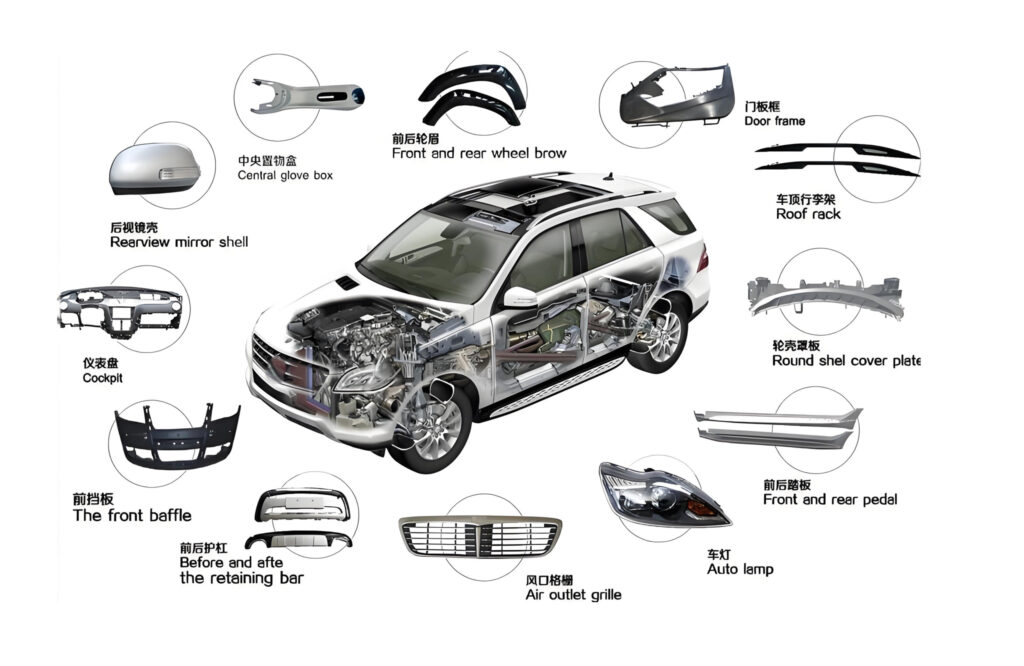
1. Identifying the material is the first step Different plastics have completely different levels of acceptance for coatings.
- PP/EPDM: The most common bumper material, with extremely low surface energy, requiring special pretreatment.
- ABS/PC: Adhesion is relatively good, but it is easily eroded by strong solvents, leading to cracking.
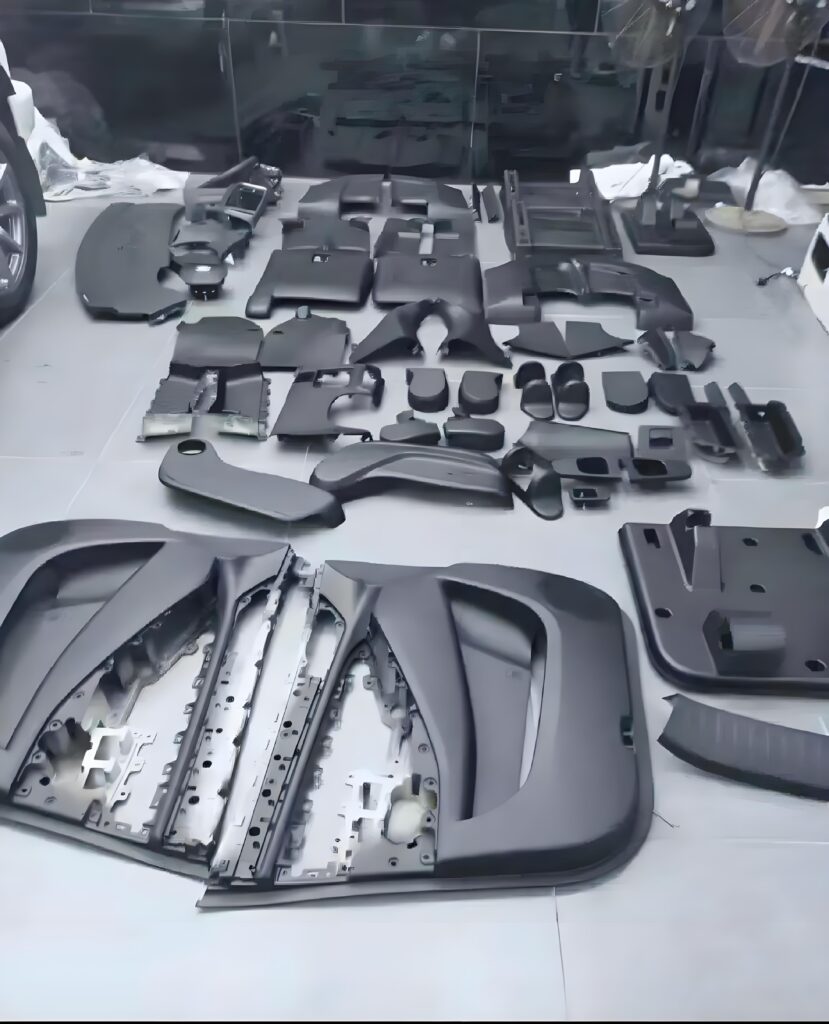
2. Deep wax removal and cleaning: An indispensable step Plastic parts usually carry oily release agents when demolded. If not cleaned thoroughly, any expensive paint will peel off in sheets like a "sticker".
- Suggestion: Use a dedicated plastic degreaser with warm water to clean, ensuring the surface is completely free of water beads (fully wetted state).
3. Key Steps: Polishing and Static Electricity Treatment
- Polishing: Use fine-grit sandpaper to polish evenly to increase the physical contact area.
- Static removal: Plastic parts easily generate static electricity that attracts dust. Using an anti-static dust cloth before spraying can effectively avoid adhesion weaknesses caused by particles on the paint surface.
4. Core Weapon: Specialized Plastic Primer Do not attempt to spray 1K or 2K topcoat directly onto plastic.
- Our single-component plastic primer acts as a "chemical bridge." It wets and bites into the plastic molecular surface, while providing a good adhesion base for the topcoat. It has excellent flexibility, so even if the bumper undergoes minor deformation, the paint film will not crack.
5. Construction Note: Film Thickness Control Plastic primer is not the thicker the better. An excessively thick primer will instead reduce interlayer adhesion. Only a thin, evenly applied coat is needed; after flash-off, proceed with the subsequent basecoat spraying.
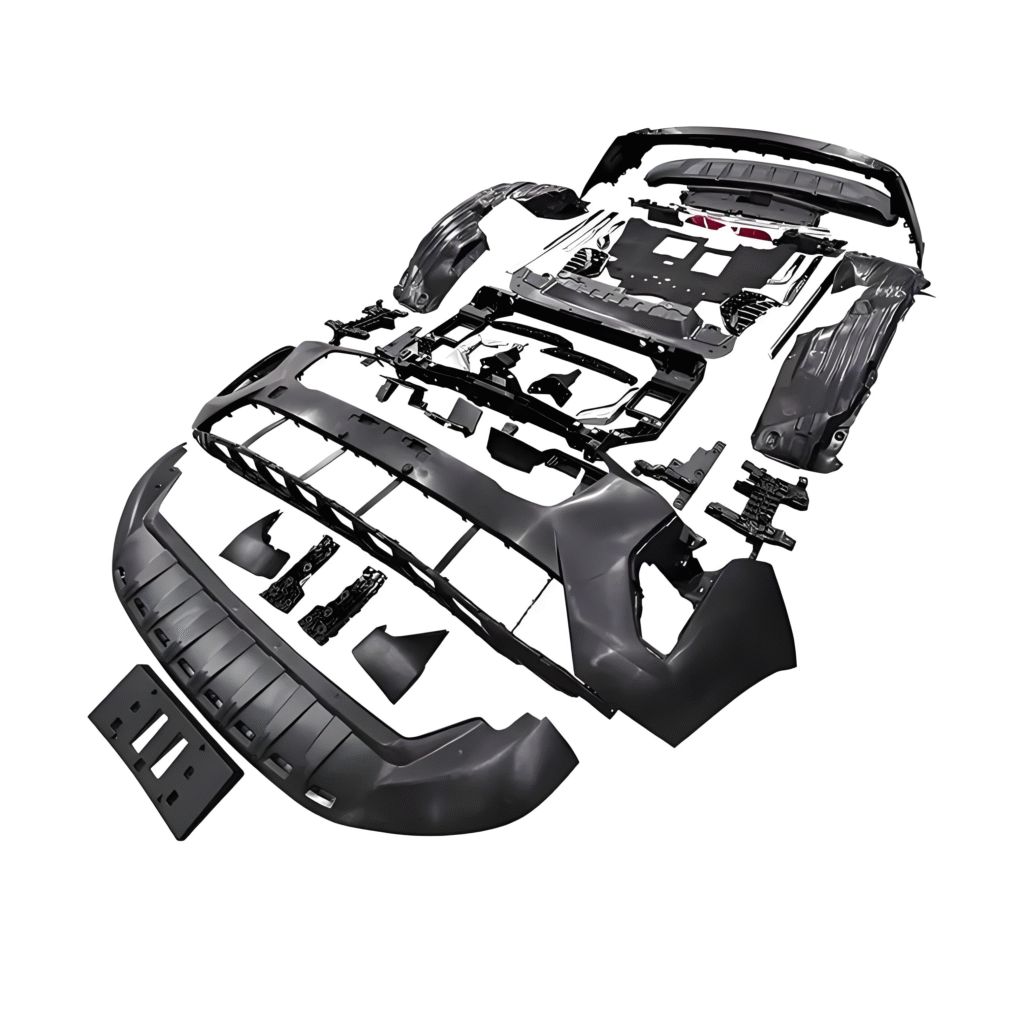
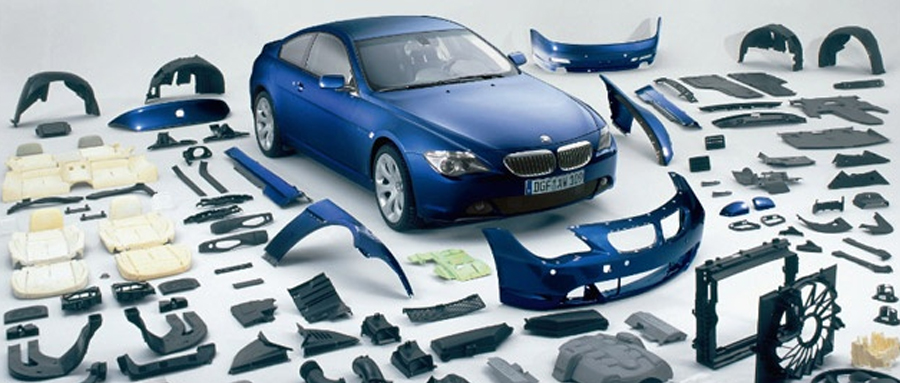


Conclusion: To solve paint peeling on plastic parts, the key lies in "30% product, 70% application." By choosing our matching plastic-specific primer and following the standard cleaning process, your repair project will achieve OEM-level durability.