In the modern automotive industry system, automotive paint production plants are no longer merely simple chemical manufacturing units, but important hubs connecting vehicle design, aesthetic expression, structural protection, and environmental standards. Automotive paint not only determines the vehicle's exterior texture, but also directly affects the vehicle's weather resistance, anti-corrosion performance, and service life. With the continuous upgrading of automotive manufacturing technology, automotive coating plants are constantly evolving toward high performance, systematization, and green manufacturing.
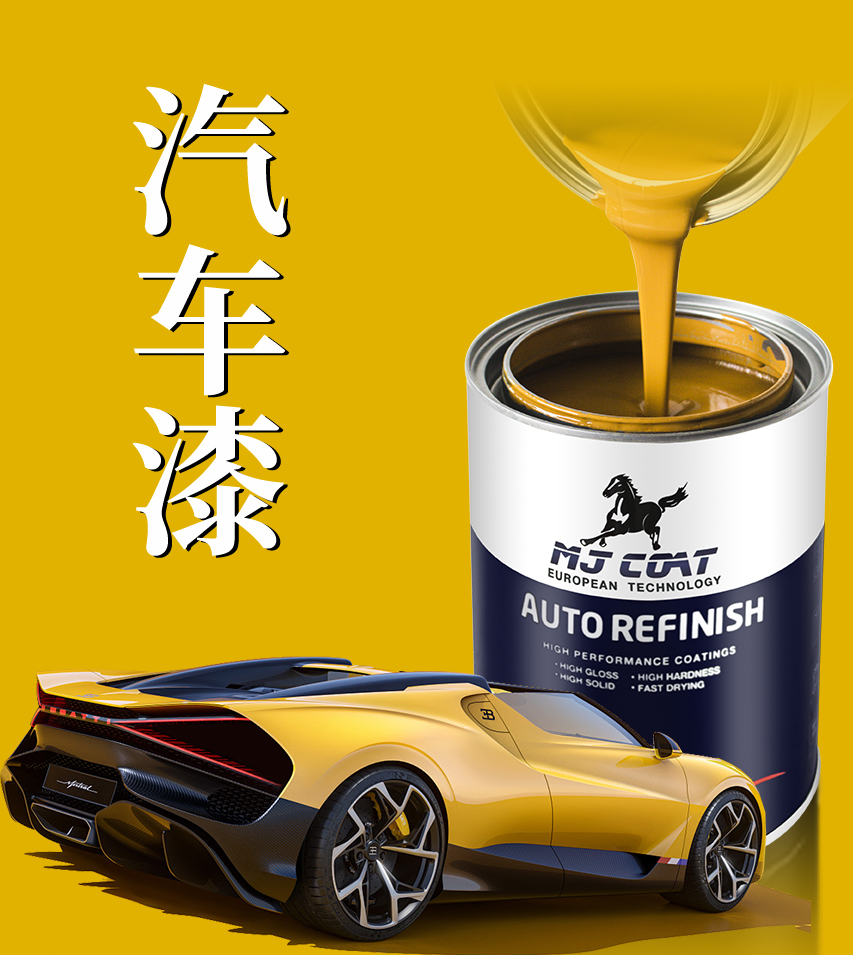
I. Industry Positioning of Automotive Paint Manufacturing Plants
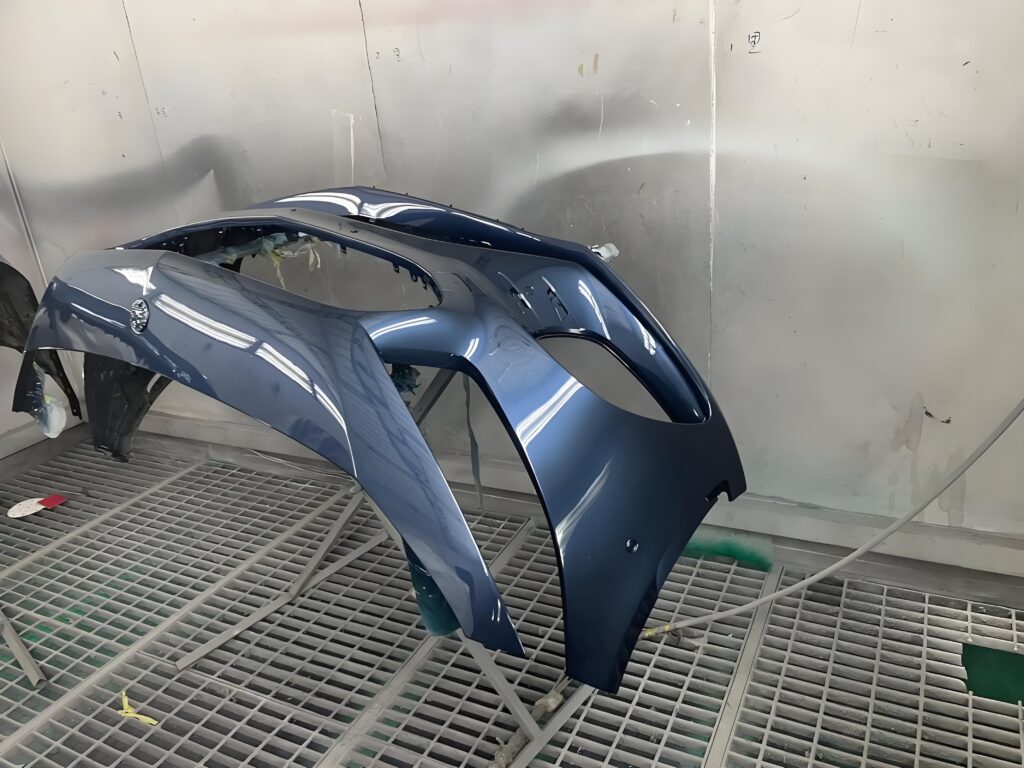
Automotive paint manufacturing plants primarily undertake the R&D, production, and technical service of automotive coating systems, with their products widely used in passenger vehicles, commercial vehicles, new energy vehicles, and special-purpose vehicles. A complete automotive coating system typically includes electrocoat primer, surfacer, basecoat, and clearcoat, each layer being highly specialized in formulation design and performance requirements.
As a professional automotive coating manufacturer, a factory must not only possess mature production capabilities, but also deeply understand the process flows and quality standards of OEMs, ensuring that the coating products have stable application windows and excellent film-forming performance on actual painting lines.
II. Core Technology System of Automotive Paint Manufacturing
Modern automotive paint manufacturing has formed a highly systematized technical structure. From resin synthesis, pigment dispersion, and additive formulation to precision filtration and stability control, every step directly affects the final coating performance.
High-quality automotive coatings require a precise balance among gloss, hiding power, leveling, and adhesion. Meanwhile, for different climatic environments and application scenarios, automotive paint manufacturing plants also implement targeted enhancements in properties such as UV resistance, acid rain resistance, and chemical medium resistance.
III. Quality Control Logic for Automotive Coating Materials
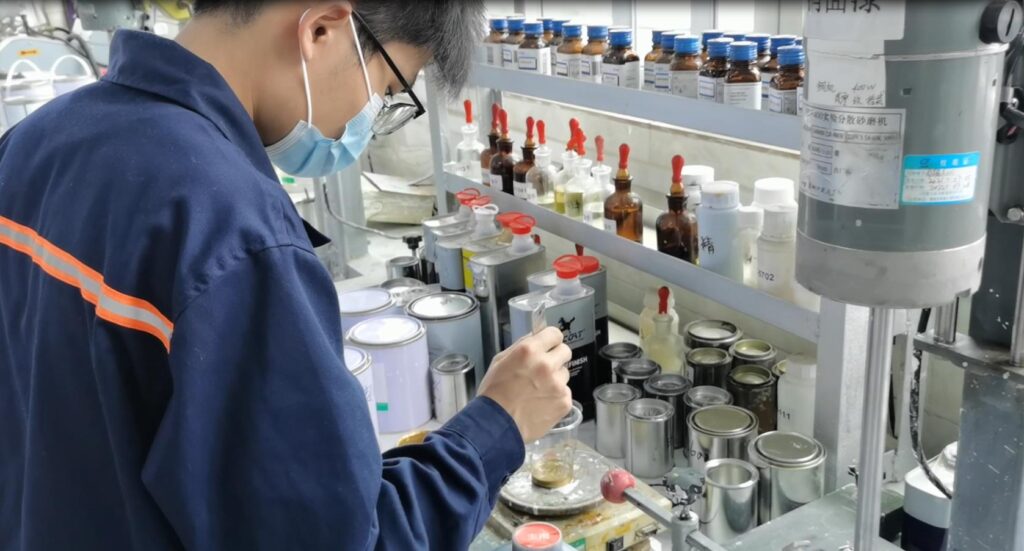
In the field of automotive manufacturing, the stability and consistency of automotive coating materials are crucial. Automotive paint production plants usually establish a full-process quality control system from raw material incoming inspection to finished product outgoing, including raw material testing, process control, batch sample retention, and performance verification.
By combining laboratory simulation testing with actual painting validation, we ensure that every batch of automotive paint maintains high consistency in color, viscosity, application properties, and durability, thereby meeting the demands of OEM mass production.
IV. Automotive Coatings R&D Driving Product Upgrading
Sustained automotive paint R&D capability is the key for automotive paint manufacturing plants to maintain competitiveness. As automotive exterior designs become increasingly diversified, metallic paint, pearlescent paint, matte paint, and special-effect paint are constantly being introduced, placing higher demands on coating systems.
Through formulation innovation and process optimization, the plant can enhance visual effects while also improving application efficiency and environmental friendliness, enabling automotive coatings to better adapt to the pace of modern automotive manufacturing.
V. Development Trends of Environmentally Friendly Automotive Coatings
Under the background of continuously tightening global environmental regulations, eco-friendly automotive paints have become an important development direction for automotive paint manufacturing plants. Low VOC, water-based, high-solid-content, and renewable raw material applications are gradually becoming the industry mainstream.
By optimizing formulation structure and production processes, automotive coating plants can reduce emissions while maintaining high-performance coating properties, achieving a dual balance between environmental responsibility and industrial value.
VI. Intelligent Upgrading of Industrial Coatings Plants
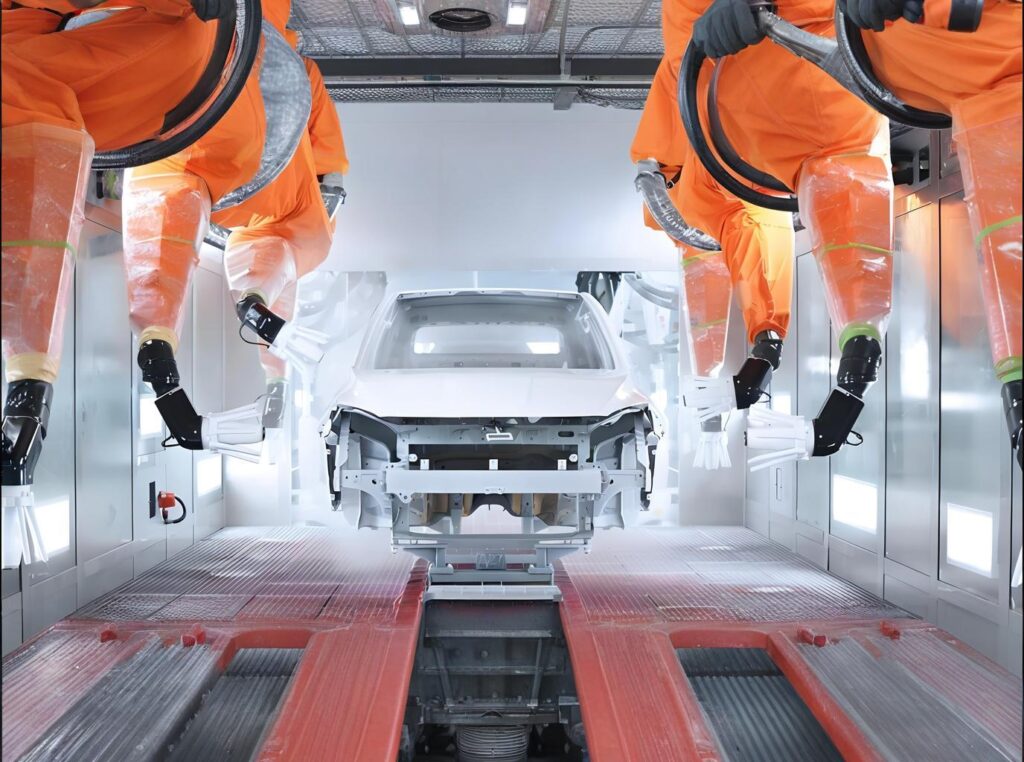
As an important component of modern industrial coating factories, automotive paint production plants are accelerating the advancement of automation and digitalization. The application of automatic metering, enclosed production, online inspection, and data traceability systems has significantly improved production efficiency and quality consistency.
Smart manufacturing not only reduces the impact of human factors on quality, but also provides customers with more reliable assurance of product delivery.
VII. Cooperative Value of Automotive Coatings Suppliers
For vehicle manufacturing enterprises, a stable and reliable automotive paint supplier is an indispensable part of the production system. Automotive paint production factories provide customers with continuous and stable coating solutions through technical collaboration, sample verification, and long-term supply cooperation.
This in-depth collaboration model helps OEMs build long-term advantages in appearance consistency, cost control, and product upgrades.

Conclusion
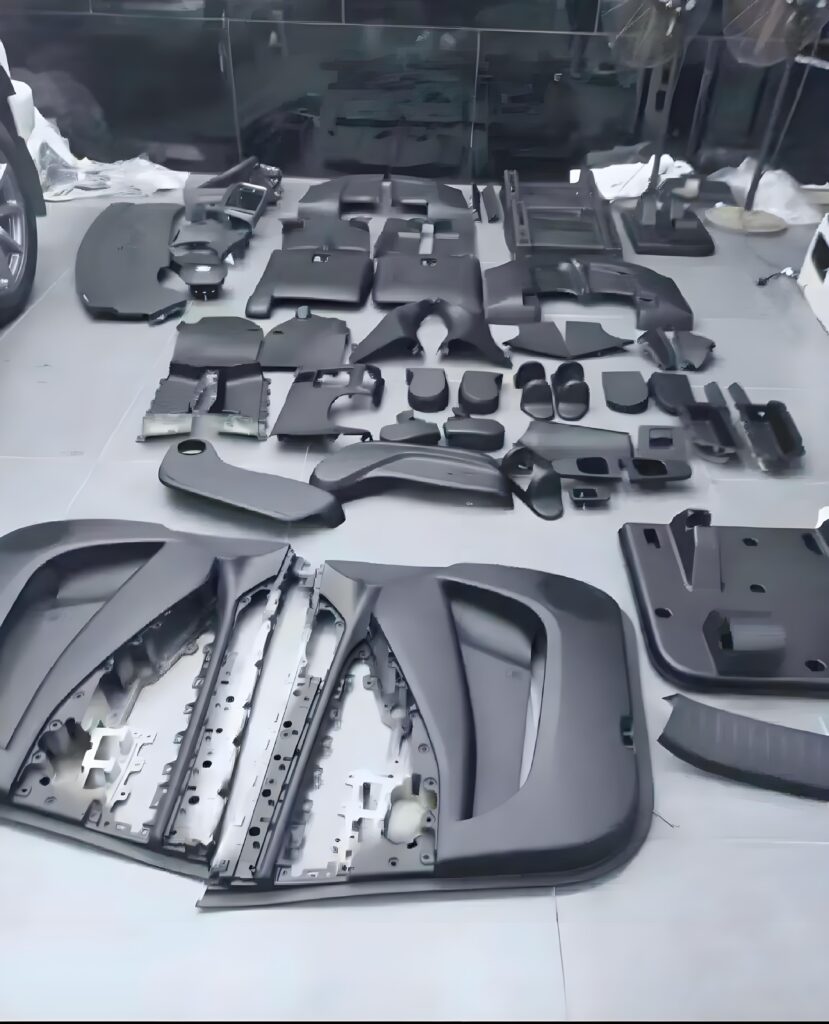
Overall, automotive paint manufacturing plants have become an indispensable and critical link in the modern automotive industry. Through continuous technological innovation, stringent quality management, and green manufacturing concepts, automotive coating plants are providing more reliable, efficient, and sustainable coating material support for the global automotive industry.