In daily life, paint is a common material we use for decorating homes, protecting furniture, and even beautifying the environment. But have you ever wondered how these colorful paints are produced? From raw materials to finished canned products, the entire paint manufacturing process is actually a precise combination of chemistry and mechanics. Today, we will take a deep dive into the secrets of paint manufacturing, including its main components, production steps, as well as some environmental and historical knowledge. As someone who has long followed home building materials, I think understanding these can help everyone better choose and use paint, and avoid some common misconceptions.
Main Components of Paint: Unveiling the Basic Raw Materials
To understand the paint production process, one must first know what paint is composed of. Simply put, the main components of paint include pigments, resins (also called film-forming substances), solvents, and additives. The proportion and quality of these components directly determine the performance of the paint, such as durability, adhesion, and environmental friendliness.
- Pigment: This is the source of paint color. Common pigments include titanium dioxide (used in white paint), iron oxide (red or yellow), and carbon black (black). Pigments not only provide color but also enhance the hiding power and light resistance of the paint. In paint manufacturing, pigments are usually extracted from minerals and finely ground.
- Resin: Resin is the "skeleton" of paint; it is responsible for forming a tough film after the paint dries. Common resins include alkyd resin, acrylic resin, and epoxy resin. Water-based paints commonly use latex resin, while oil-based paints use natural or synthetic resins.
- Solvent: The role of the solvent is to dilute the paint, making it easier to apply. Traditional paints use organic solvents such as benzene or toluene, but modern eco-friendly paints mostly use water as the solvent to reduce the emission of volatile organic compounds (VOCs).
- Additives: These are "seasonings", including anti-mold agents, thickeners, leveling agents, etc., which help the paint better adapt to different environments, such as rust prevention or UV resistance.

These components require precise proportioning during paint production; otherwise, the final product quality will be affected. For example, if the paint you buy is prone to bubbling, it may be caused by an incorrect additive ratio.
Detailed steps of the paint manufacturing process
Paint manufacturing is a continuous production line process, typically carried out in large factories using equipment such as mixers, dispersers, and mills. The entire paint production process can be divided into several key stages: batching, pre-mixing, dispersion, grinding, let-down (finishing), filtration, and packaging. Let us break it down step by step below.
- Ingredient mixing stage: This is the starting point of paint manufacturing. Workers or automated systems accurately weigh the raw materials according to the formula. For example, resin and part of the solvent are first weighed and put into the mixing kettle. This step is very critical, because even a slight error may cause the entire batch of paint to be scrapped. In modern factories, computer control systems can ensure an ingredient accuracy rate of over 99%.
- Pre-mixing and dissolution: Put the weighed resin and solvent into a high-speed mixer and stir evenly to form the base material. At this point, the paint is only a semi-finished product and looks like a thick liquid. If producing water-based paint, water and emulsifier are added at this stage to help the resin disperse evenly.
- Dispersion stage: Next, add pigments and fillers (such as talc or calcium carbonate). Use a high-speed disperser to stir, allowing the pigments to be evenly distributed in the base material. This process requires controlling temperature and speed to avoid pigment agglomeration. The quality of dispersion directly affects the paint's hiding power and color stability. In paint production, this step often takes several hours to ensure fine particles.
- Grinding stage: This is the core step in paint manufacturing. The dispersed mixture is fed into a sand mill or bead mill, where high-speed rotating beads grind the pigment particles down to micron level (typically less than 10 microns). Grinding makes the paint smoother and prevents a grainy feel during brushing. Special processes like this stage, if not properly controlled, generate heat that affects quality, so factories use cooling systems to assist.
- Paint mixing stage: After grinding is completed, the mixture enters the paint mixing tank. Here, the remaining solvents and additives are added, and the color and viscosity are adjusted. The technician takes samples for testing and uses a color difference meter to compare with the standard color. If the color is yellowish, a bit of blue pigment is added for correction. This step is the "artistic part" of the paint production process and requires experienced masters to oversee it.
- Filtration and Inspection: The adjusted paint is passed through a vibrating screen or bag filter to remove impurities and undispersed particles. Then, a comprehensive inspection is conducted, including viscosity, drying time, water resistance, and environmental indicators (such as VOC content). Only after passing the inspection does it proceed to the next step.
- Packaging stage: Finally, the paint is pumped into cans, pails, or bottles and sealed for packaging. Modern factories use automated filling lines to ensure consistent weight per can. After packaging, labels are also attached, indicating ingredients, usage instructions, and shelf life.


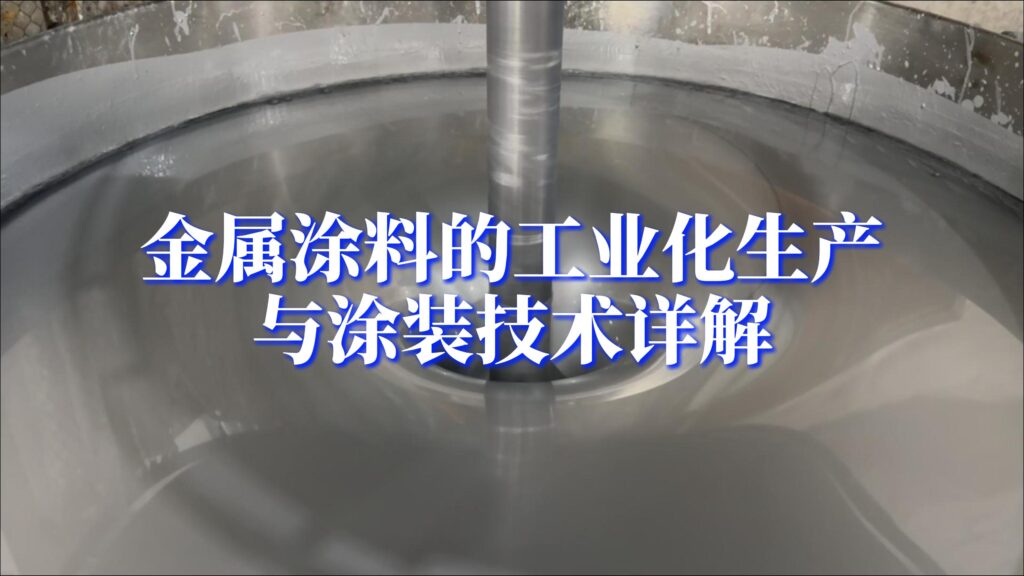
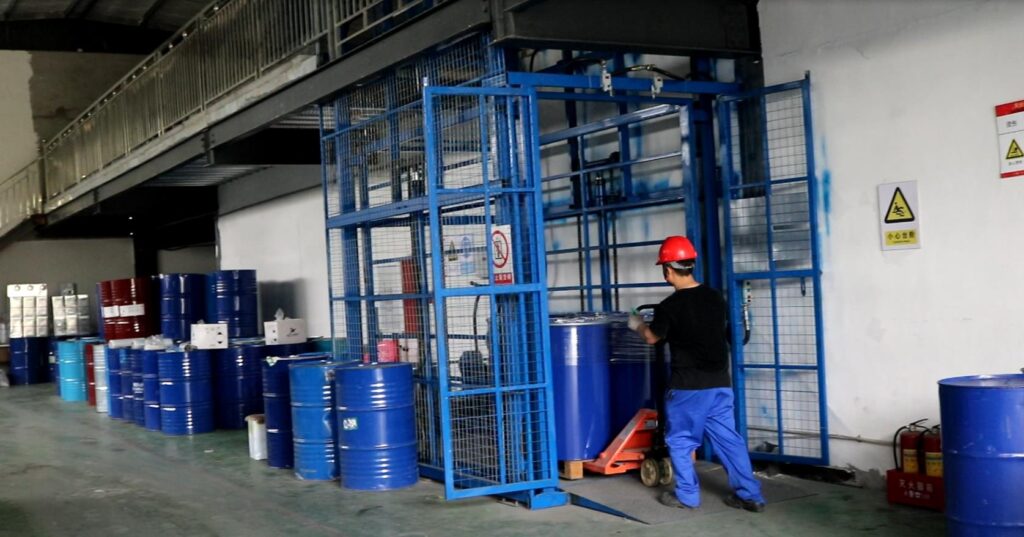
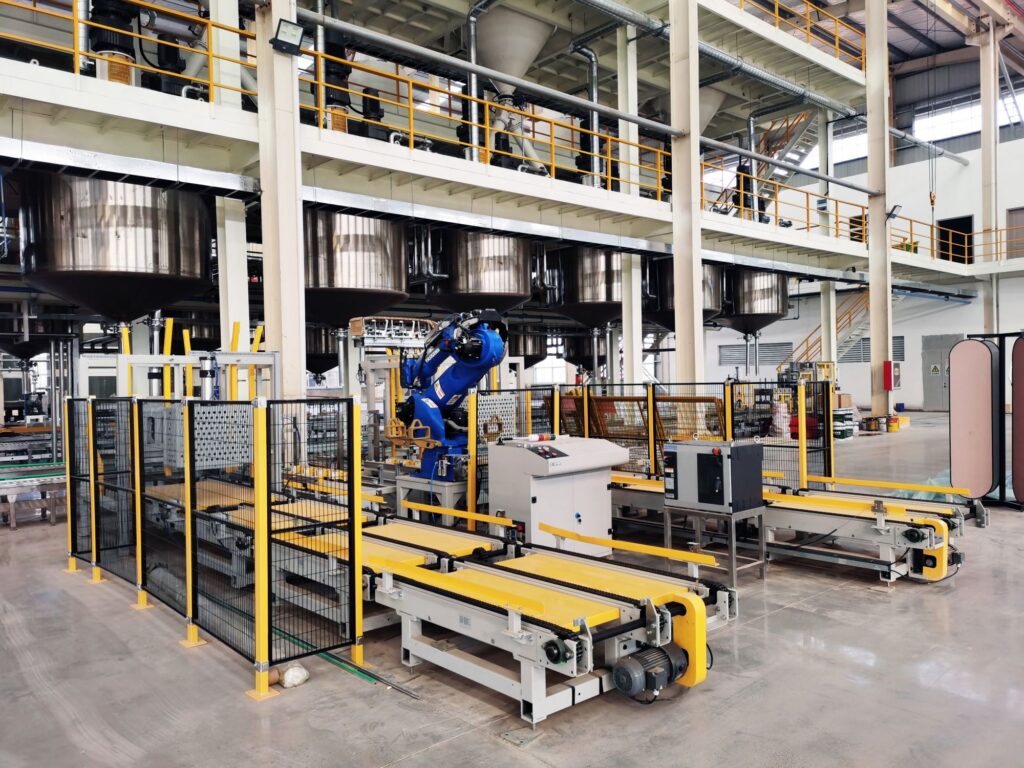


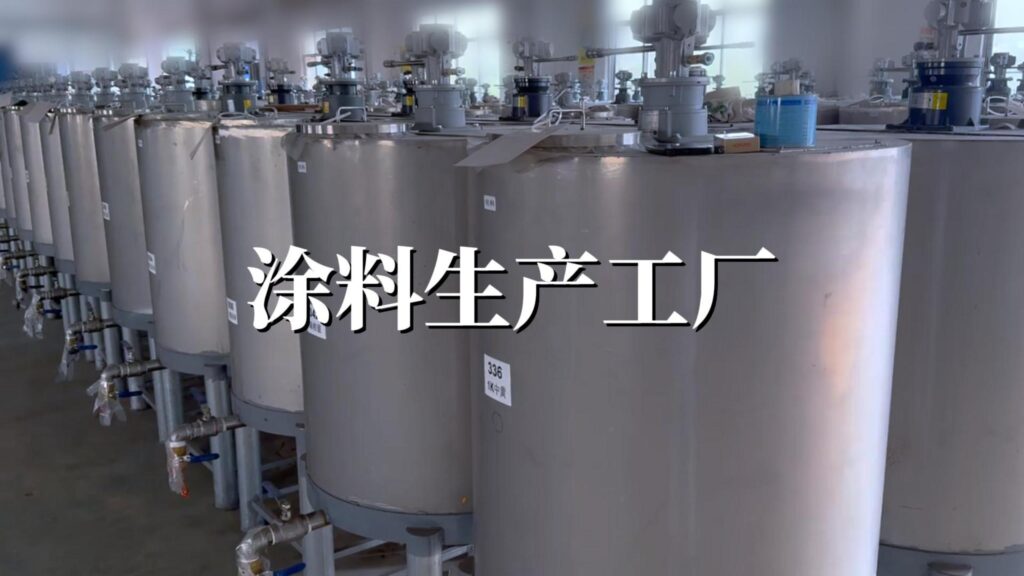


The entire paint production process from raw materials to finished product typically takes several days, depending on batch size. Large factories can produce several tons of paint per day, while small workshops focus more on customization.
Environmental Protection and Innovation in Paint Manufacturing
With the growing awareness of environmental protection, paint production processes are also being continuously optimized. Traditional paints contain high VOCs and release harmful gases, which are detrimental to health and the environment. Nowadays, many manufacturers are shifting to water-based paint manufacturing, using water instead of organic solvents, with VOC content reduced to below 30 g/L. This not only reduces air pollution but also makes paints safer and easier to use.
In addition, waste treatment during paint production is also important. Factories recycle unused pigments to reduce waste. Some innovative technologies, such as the use of bio-based resins (derived from plants), make paints more sustainable. For example, stringent VOC limit regulations for coatings in Europe have driven the green transformation of global paint manufacturing.
Historically, paint production can be traced back to the ancient Egyptians using natural pigments to coat walls. However, modern paint manufacturing began in the 19th century, and with the development of the chemical industry, it underwent multiple transformations from lead-based paints to lead-free environmentally friendly types. In the 1970s, the United States banned lead paint precisely because of its hazards to children's health.
Common Issues and Precautions in the Paint Manufacturing Process
In paint manufacturing, safety is paramount. Workers must wear protective equipment to avoid contact with hazardous solvents. The facility is also equipped with ventilation systems to prevent explosion risks. Additionally, quality control is implemented throughout the process, and every batch of paint must pass third-party testing to ensure compliance with national standards such as GB/T 9756-2018 (Synthetic Resin Emulsion Interior Wall Coatings).
If you are a DIY enthusiast, understanding the paint manufacturing process can help you choose the right product. For example, choosing low-VOC paint can reduce post-renovation odors.
FAQ: Frequently Asked Questions About the Paint Manufacturing Process
- How long does the paint production process take? It depends on the scale; small batches may take a few hours, while large-scale factory production from mixing to packaging takes 1-3 days.
- What are the main raw materials of paint? Mainly include pigments, resins, solvents, and additives. Pigments provide color, and resins form the film layer.
- What are the differences in the production process between water-based paint and oil-based paint? Water-based paint uses more water as a solvent and emphasizes emulsification in production; oil-based paint uses organic solvents, evaporates quickly but has poorer environmental performance.
- How to ensure color consistency in paint manufacturing? By comparing with a color difference meter and standard samples, adjust the pigment ratio during the paint mixing stage.
- What impact does paint production have on the environment? Traditional processes generate VOC exhaust, but modern factories use recovery systems and low-VOC technologies to reduce pollution.
- Can you easily make paint at home? Not recommended, as professional equipment and formulas are complex, and safety risks are high. It is advised to purchase regular products.
- How is the shelf life of paint determined? By testing drying time and stability, usually 1-2 years, depending on storage conditions.
- What are the future trends in paint manufacturing? More environmentally friendly and intelligent, such as using AI to control batching, and developing nano paints to enhance durability.
Through these FAQs, we hope to answer your questions about the paint production process. If you have more questions, feel free to discuss them in the comments section.
Conclusion: The Charm and Practicality of Paint Manufacturing

The paint production process may seem simple, yet it integrates multidisciplinary knowledge spanning chemistry, mechanics, and environmental protection. From raw material proportioning to finished product inspection, every step reflects craftsmanship. Understanding this not only boosts your confidence when decorating, but also encourages us to choose greener products. Hope this article helps you—next time you paint a wall, think about the paint manufacturing story behind it!