Directly spray-coating electroplated coatings with metallic paint is a high-efficiency, low-cost surface decoration solution. This article systematically analyzes the process principles, material compatibility, adhesion control, and application scenarios, and is applicable to a wide range of industrial metal products.
I. Technical Background of Electroplated Coatings and Metallic Paints
In the fields of industrial manufacturing and metal decoration, electroplated coatings are widely used on hardware fittings, automotive parts, appliance housings, and industrial equipment surfaces due to their excellent corrosion resistance, electrical conductivity, and decorative effects. However, with the growing demand for diversified product appearances, relying solely on the natural color of electroplating can no longer meet market requirements.
Metallic paint, with its textured depth and color expressiveness brought by metal particles, has become an important choice for post-plating decoration. How to directly spray metallic paint onto plated coatings without damaging the plating layer structure has become a key technical solution of current interest in the coating industry.


II. Process Principle of Directly Spraying Metallic Paint onto Electroplated Coatings
Electroplated coatings are usually composed of metals such as nickel, chromium, and zinc, with a dense and smooth surface that naturally exhibits "low surface energy" characteristics. The traditional view holds that electroplated parts must be sanded or primed before painting, but with the upgrading of material systems and resin technology, the solution of directly spraying metal paint on electroplated coatings has already met mature application conditions.
The core principle of this scheme lies in:
- Wetting and anchoring of high-polarity resins on electroplated surfaces in metallic paints
- Special adhesion-promoting components form chemical or physical bonds at the microscopic level.
- Form a stable and continuous metallic paint film structure through the control of spraying parameters.
With proper material compatibility and application control, direct spraying without primer can be achieved.
III. Analysis of Metal Paint Types Suitable for Electroplated Coatings
Not all metallic paints are suitable for direct application over electroplated coatings; the commonly used and stable systems in practice mainly include:
1. One-component solvent-based metallic paint
Exhibits good leveling and application tolerance, suitable for electroplated parts with high decorative requirements, such as bathroom fittings and lighting hardware.
2. Two-component polyurethane metallic paint
Outstanding performance in adhesion, abrasion resistance, and chemical resistance, suitable for industrial-grade electroplated parts painting solutions.
3. Special modified metallic paint system
Through resin modification and synergistic additive design, it is specifically developed for spray painting on electroplated surfaces and can significantly improve the stability of metal coatings on electroplated layers.
Selecting the appropriate metallic paint is the key foundation for the success of a direct spray-on plating coating solution.


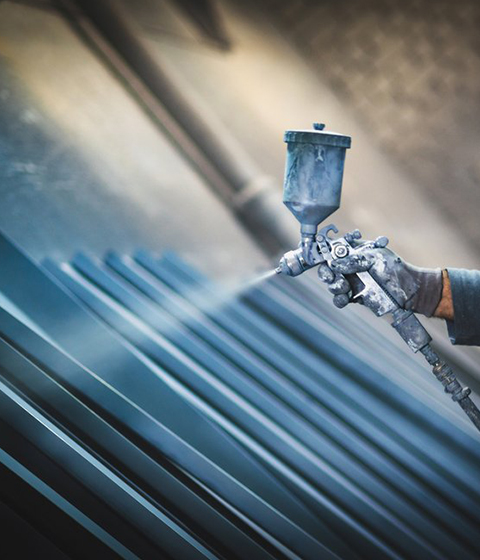
IV. Key Points for Necessary Pre-treatment Before Painting on Electroplated Surfaces
Although this solution emphasizes "direct spraying", it does not mean that there is absolutely no pretreatment. Reasonable and lightweight pretreatment steps can actually help improve the overall quality:
- Degreasing cleaning: Remove residual oil stains and polishing wax from the electroplated surface
- Surface activation: Improve wettability through chemical cleaning or slight treatment
- Environmental Control: Stable humidity and temperature can significantly improve the adhesion of metallic paint
These steps will not damage the structure of the electroplated layer, yet can effectively improve the film-forming quality of the metallic paint.
V. Construction Advantages of Directly Spraying Metallic Paint on Electroplated Parts
Compared with the traditional "electroplating + primer + topcoat" process, the direct application of metallic paint spray scheme on the electroplated coating offers distinct advantages:
- Simplified process flow, shortened production cycle
- Material costs and energy consumption are significantly reduced.
- The metallic effect is more translucent, avoiding being masked by the primer.
- Reduce the risk of failure caused by multi-layer coating
Especially suitable for mid-to-high-end decorative metal products and customized industrial components.
VI. Analysis of Typical Application Scenarios
This spraying solution has achieved mature application across multiple industries:
- Electroplated hardware for bathrooms and kitchens
- Home appliance decorative parts and control panels
- automotive interior metal trim strips
- Exposed metal components of industrial equipment
In these fields, the combination of metallic paints and electroplated coatings not only enhances aesthetic value but also strengthens product differentiation and competitiveness.


VII. Frequently Asked Questions (FAQ)
Q1: Is it easy for the electroplated coating to lose paint if metal paint is sprayed directly on it?
On the premise of selecting a compatible metal paint system and proper application, its adhesion can meet the requirements of most industrial and decorative uses.
Q2: Are all electroplated coatings suitable for this solution?
Nickel-chrome plating, bright chrome plating, and some zinc-nickel plating surfaces yield the best results; evaluation based on the specific process is required.
Q3: Will spraying affect the original anti-corrosion performance of the electroplated layer?
Proper construction will not damage the electroplated layer, but instead can form a composite protective structure.
Q4: Is the metallic paint color affected by the electroplating base color?
Some semi-transparent metallic paints will be affected; stable color rendering can be achieved through formula adjustment.
VIII. Conclusion
With the development of metal coating technology, the solution of directly using metallic paint spraying for electroplated coatings has moved from theoretical exploration to mature application. While ensuring adhesion and durability, this solution achieves a balance of efficiency, cost, and appearance, and is gradually becoming an important direction in modern metal surface treatment.