Nanocoatings are a new type of functional coating that feature water repellency, oil repellency, anti-fingerprint properties, self-cleaning, and wear resistance, and are widely used in automotive, electronics, construction, medical, and daily-life applications. This article systematically introduces the characteristics, classification, applications, and future development trends of nanocoatings.
I. Concept and Development Background of Nanocoatings
Nanocoating is a functional coating developed using nanotechnology. By forming a film only a few to several hundred nanometers thick on the material surface, it alters the physical and chemical properties of the substrate. It can impart various functions to materials, such as water repellency, oil repellency, anti-fouling, wear resistance, and UV resistance.
With the rapid development of modern technology, higher demands are being placed on the surface properties of materials. Conventional coatings often provide only decorative or basic protection, whereas nanocoatings, characterized by being "thin yet strong," have become a popular solution in aerospace, automotive manufacturing, electronic devices, medical instruments, and even everyday consumer products.
II. Main Characteristics of Nanocoatings
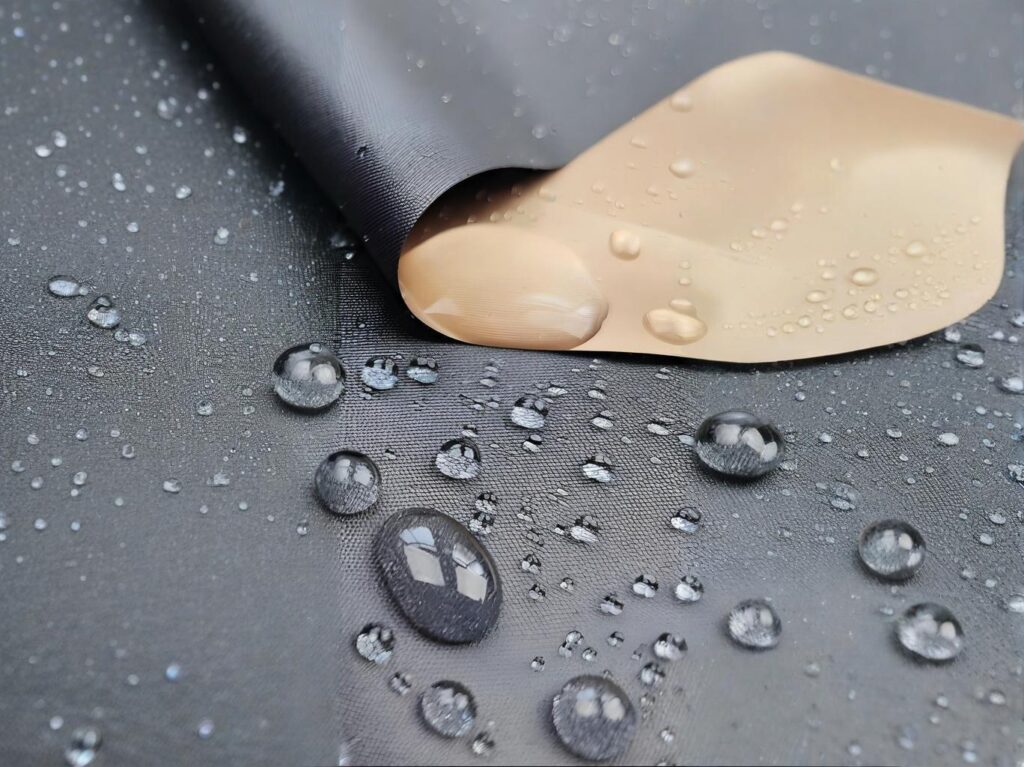
- Waterproof and Oil-resistant: Extremely low surface energy makes it difficult for liquids to adhere, creating a lotus leaf effect.
- Anti-fingerprint: When used on glass or screens, it reduces fingerprint residue and keeps them clear.
- Wear-resistant and scratch-resistant: High hardness, effectively protects the substrate surface.
- High transparency: Even when used on glass or display screens, it does not affect light transmittance.
- Antibacterial and anti-mold: Some nano-coatings have antibacterial functions, enhancing hygiene safety.
- Environmentally friendly: Low VOC emissions, green and eco-friendly.
III. Classification of Nanocoatings
Based on different functions and application scenarios, nanocoatings can be classified into the following categories:
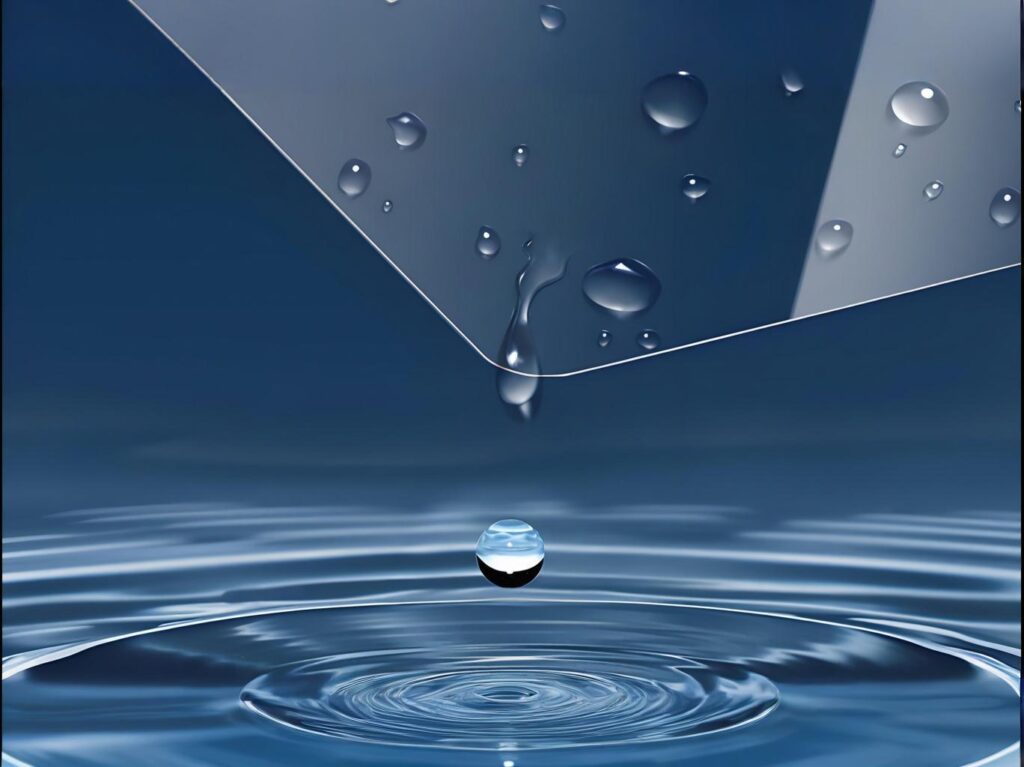
- Waterproof Nano Coating
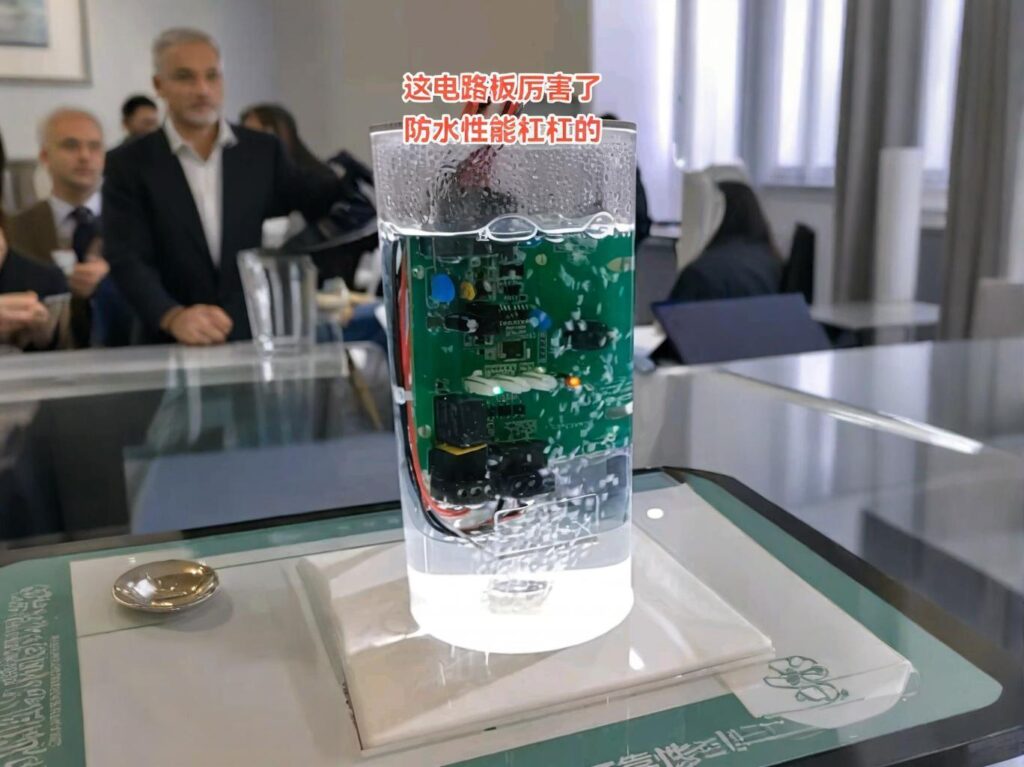
Mainly applied to building exterior walls, fabrics, and electronic product surfaces, it effectively prevents liquid penetration. - Oil-proof and stain-resistant nano coating
Commonly used on kitchenware, glass curtain walls, and car surfaces to reduce the adhesion of oil stains and dust. - Transparent protective coating
Used for mobile phone screens, camera lenses, etc., maintaining high transparency and enhancing surface hardness. - Antibacterial Nanocoating
Through the action of nanomaterials such as silver ions and titanium dioxide, it inhibits bacterial growth and is commonly found in medical equipment. - High-temperature weather-resistant nano-coating
Applied to metal components and industrial equipment, featuring high-temperature stability and corrosion resistance.
IV. Application Fields of Nanocoatings
1. Automotive Industry
- Paint protection: enhances scratch resistance and reduces oxidation and fading.
- Rain-repellent glass: the coating allows rainwater to slide off quickly, improving driving visibility.
- Interior maintenance: prevent oil stains and fingerprint residue.
2. Electronic products
- Anti-fingerprint and scratch-resistant for mobile phone screens.
- Display protection for laptops and tablets.
- Camera lens coating to enhance light transmission and anti-fouling performance.
3. Architecture and Home Furnishings
- Self-cleaning of glass curtain walls, reducing cleaning costs.
- Waterproofing and anti-fouling for sanitary ware, enhancing durability.
- Nano protective coating for wood flooring, enhancing abrasion resistance and moisture resistance.
4. Medical Field
- Antimicrobial protection for surgical instruments.
- Corrosion protection and contamination resistance of medical devices.
- Waterproof and antibacterial treatment for medical masks and face shields.
5. Daily household items
- Waterproof treatment for shoes and clothing.
- Oil and stain resistance for tableware and kitchenware.
- Anti-fog and anti-fingerprint for eyeglass lenses.
V. Application and Use Methods of Nano Coatings
- Spraying: Suitable for large-area application, easy to operate.
- Dip coating: Immerse the item entirely into the coating solution to ensure full coverage.
- Brush coating: Suitable for local touch-ups, but requires even application.
- Automated Coating: Used in industrial production lines to ensure consistent coating thickness.
During construction, attention should be paid to:
- Keep the substrate surface clean and free of oil and grease;
- Avoid dust and high humidity in the construction environment.
- The coating must be dry before it can deliver optimal performance.
VI. Advantages and Limitations of Nanocoatings
Advantages:
- The coating is ultra-thin and does not affect the appearance.
- Possesses multifunctionality;
- Environmentally friendly and safe, suitable for multiple fields.
Limitations:
- Relatively high cost;
- Some coatings require periodic maintenance or recoating;
- Performance may degrade under extreme conditions.
VII. How to Select the Appropriate Nanocoating
- Specify the application scenario: automotive, electronics, or construction?
- Focus on performance requirements: waterproof, oil-resistant, antibacterial, or high-temperature resistant?
- Review product certification: whether it complies with environmental and safety standards.
- Compare application methods: whether suitable for large-scale use or home DIY.
- Check customer reviews and case studies: choose brands with proven application experience.
VIII. Future Development Trends
- Smart Nanocoating: Combining photochromic and thermochromic technologies to achieve intelligent regulation.
- Superhydrophobic technology: Further enhances water-repellent and anti-fouling performance.
- Antiviral function: In response to public health needs, it is widely used in medical and daily life.
- Low-cost mass production: makes the application of nanocoatings more widespread.
- Green and Eco-friendly: Develop new degradable and harmless nanomaterials.

IX. Conclusion
Nano coating, as a new generation of functional coating, is profoundly transforming various industries with its excellent protective and aesthetic properties. It not only enhances product durability and appearance value, but also promotes the integration of environmental protection and technology. In the future, with continuous technological breakthroughs, nano coatings will play a greater role in automotive, electronics, construction, medical, and daily life, becoming an important trend in material surface protection.