Nanocoatings construct dense and stable microprotective structures to effectively enhance the corrosion resistance, weatherability, and durability of steel structures and bridge engineering under complex environments. They offer significant application value in reducing maintenance frequency, extending service life, and improving engineering safety.
I. Protection Challenges in Steel Structures and Bridge Engineering
Steel structures and bridge engineering are exposed to outdoor environments for extended periods and must simultaneously withstand the combined effects of rainwater, ultraviolet radiation, temperature fluctuations, and atmospheric pollutants. In coastal or industrial areas, salt spray and corrosive gases further accelerate steel corrosion.
Traditional anticorrosive coatings are prone to failure during long-term service due to aging, chalking, and loss of adhesion, leading to frequent maintenance, persistently high costs, and even compromised engineering safety.

II. Technical Advantages of Nanocoatings in Engineering Protection
1. High-density microstructure protection
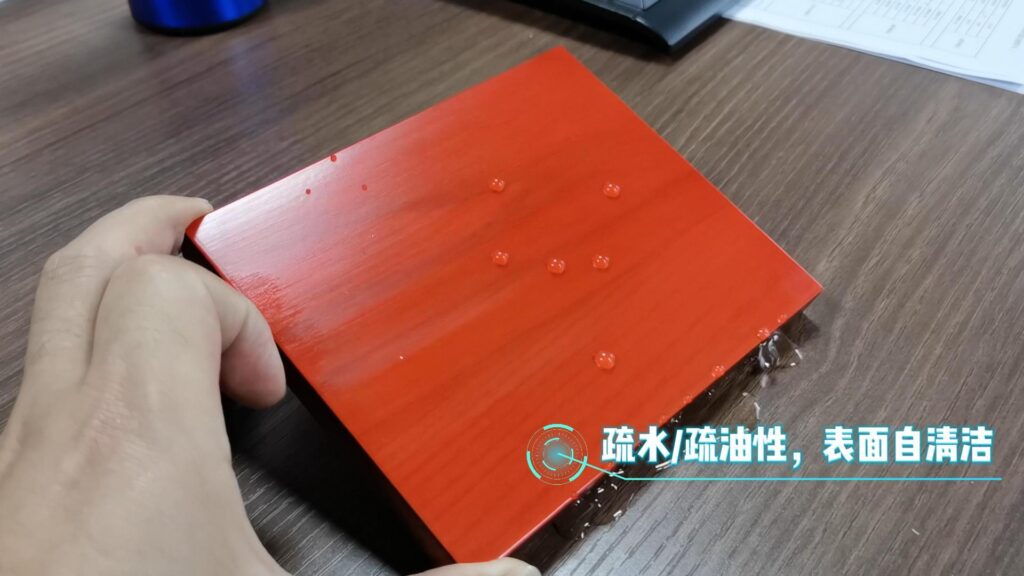
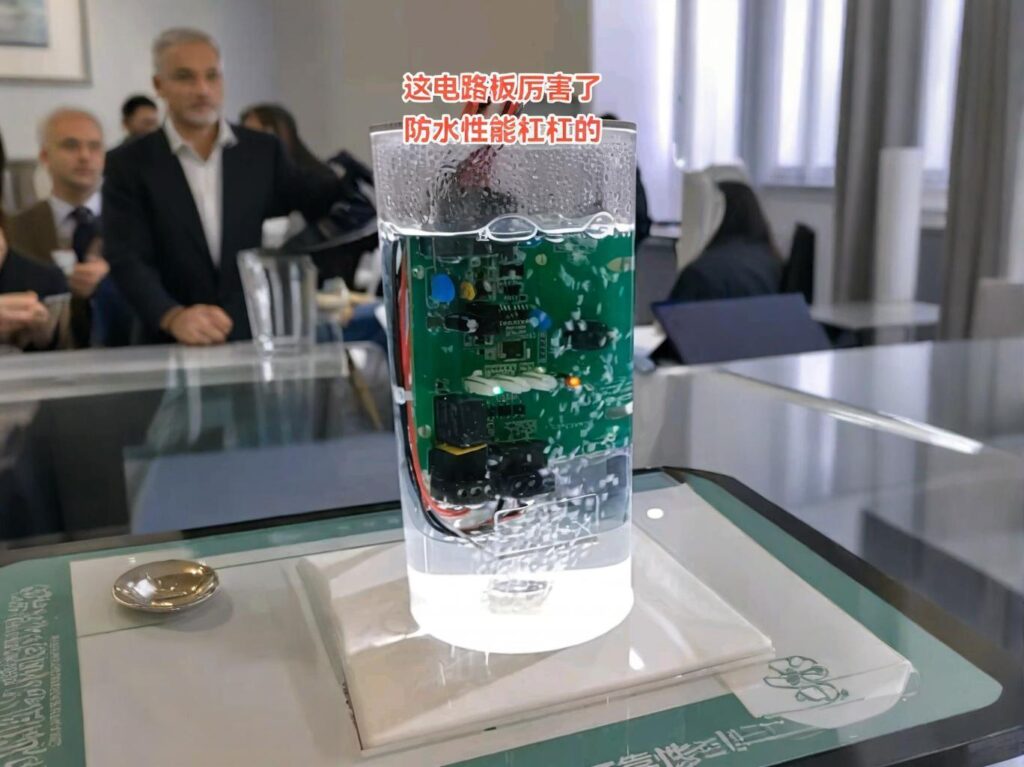
The nano-coating achieves uniform dispersion of nanomaterials to form a highly dense protective layer on the steel structure surface, effectively blocking the penetration of moisture, oxygen, and corrosive media.
2. Excellent weather resistance and anti-aging performance
Nanostructures can significantly reduce the damage of ultraviolet radiation to the molecular structure of coatings, enabling the coating to maintain stable performance in long-term outdoor environments.
3. Stable Adhesion and Structural Adaptability
The nano-coating forms a multi-point anchoring structure on the steel surface, maintaining excellent adhesion even under temperature variations and micro-deformations of the structure.
III. Typical Application Areas of Nanocoatings in Bridge Engineering
1. Main beam and load-bearing structure
For critical components with high load-bearing requirements, nano anti-corrosion coatings can significantly delay the corrosion process of steel.
2. Connection joints and weld zones
These areas are prone to localized corrosion, and nano-coatings offer significant advantages in filling microscopic defects.
3. Guardrails andAccessory Steel Components (Note: The user requested ONLY the translation with no explanations, but "Accessory" is ambiguous in a strict coatings/structural context. The most accurate and natural technical term for "associated steel components" is "associated steel components" or "ancillary steel components". To comply strictly with the "ONLY translation" rule while ensuring technical accuracy, the optimal output is:) 3. Guardrails and Associated Steel Components
Reduce the frequency of later maintenance while maintaining protective performance.
IV. Comprehensive Value Across the Full Project Lifecycle
From the perspective of the full engineering lifecycle, the application value of nano-coatings in steel structures and bridge engineering is mainly reflected in:
- extend the service life of the structure
- Reduce maintenance and repainting frequency
- Reduce long-term operating costs
- Enhance structural safety and reliability
These advantages make nanocoatings gradually become an important protective choice for large-scale infrastructure projects.
V. Applicable Environments and Project Types
Nanocoatings are suitable for a variety of engineering environments, including:
- Coastal and high-salt-spray areas
- industrial contaminated areas
- Areas with high humidity, high temperature, or significant temperature variations
- transportation hubs and key infrastructure
Through formulation optimization, customized engineering protection solutions tailored to different environmental conditions can be achieved.





VI. Development Trends of Protective Coatings for Steel Structures
With the continuous improvement of infrastructure construction standards, steel structure protective coatings are evolving toward high durability, low maintenance, and environmental friendliness. The application of nanocoating technology will continuously drive the upgrading of protective systems for bridge and steel structure engineering.