— Two Technical Approaches to Plastic Metallic Appearance Finishing
Mirror coatings and electroplated paints are two important technologies for achieving a metallic appearance on plastics. This article provides a systematic comparison of the two processes from the aspects of principles, visual effects, and application scenarios to help understand their respective advantages and suitable directions.
I. Technical Background of Mirror Coatings and Electroplating Paints
With the increasing demands for the appearance of plastic products, mirror coatings and electroplating paints have become two mainstream technical solutions for achieving high-end metallic visual effects. Although the two share similarities in visual presentation, they differ significantly in implementation methods and application focus.
II. Fundamental Principles of Mirror Coatings
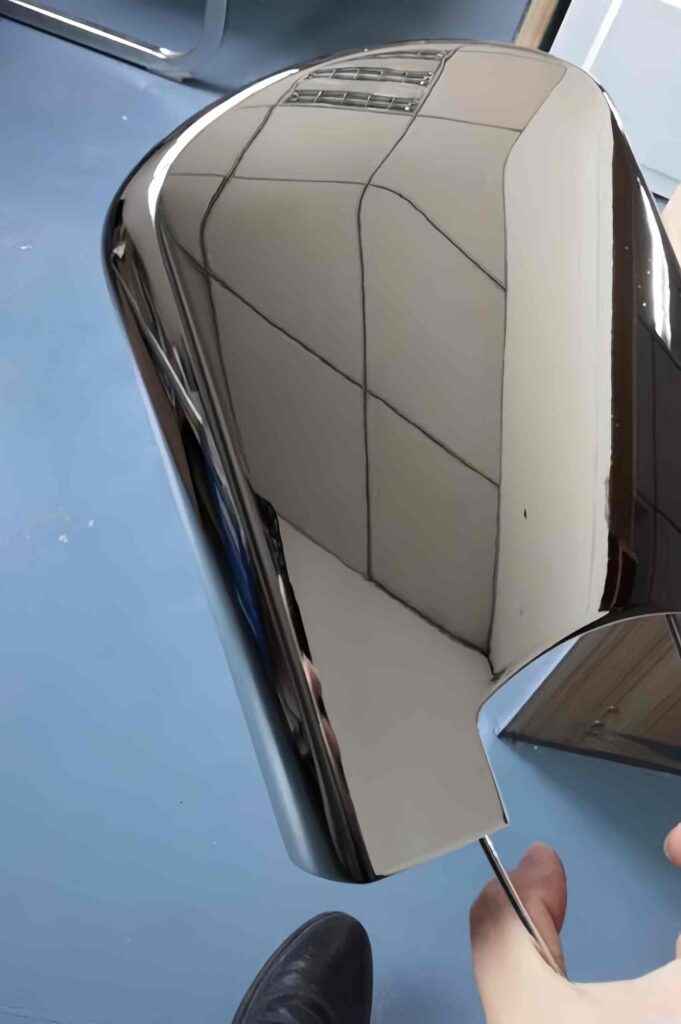
Mirror coatings utilize a highly flat coating structure and a functional layer with extremely high reflectivity to enable the surface to clearly reflect external images like a mirror. The core lies in the precise control of the coating's optical properties, rather than an increase in metal thickness.
III. Basic Principles of Electrocoating Paint
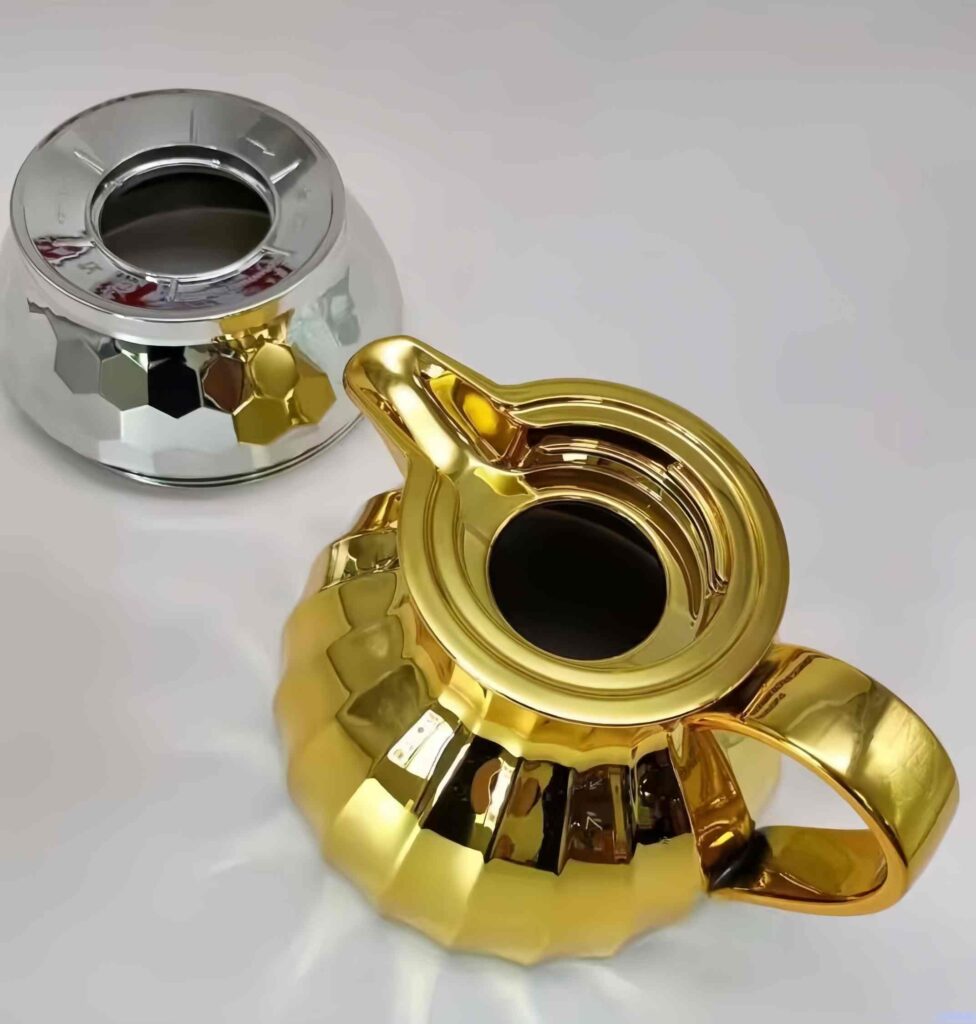
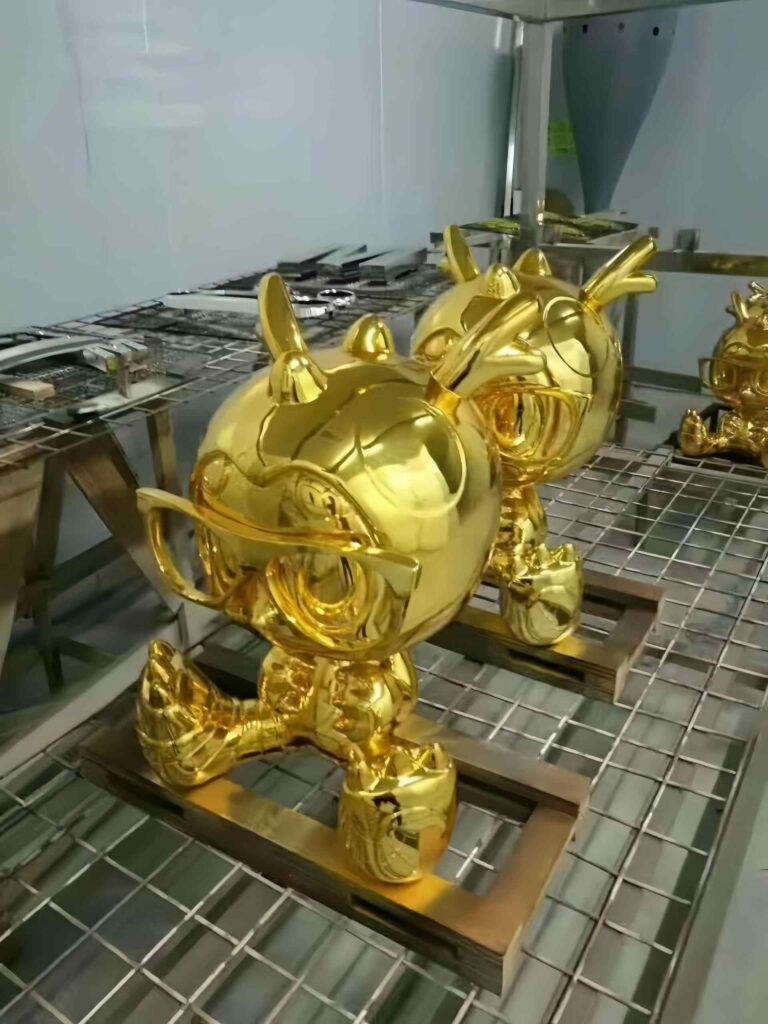
Electroplated paint relies on a multi-layer coating system to build a coating structure with metallic reflective properties on plastic surfaces, thereby achieving diverse metallic visual effects, including mirror, brushed, and matte finishes.
IV. Differences at the Visual Effect Level
1. Distinctness of Image (DOI)
Mirror coatings emphasize ultimate image clarity with sharp image boundaries, while electroplated paints focus more on metallic texture and overall decorative effect.
2. Metallic Appearance Form
Mirror coatings are primarily high-gloss mirror finishes, whereas electroplating paints can achieve a wider variety of metallic effect types.
V. Different Emphases in Process Adaptability
Mirror coatings have extremely high requirements for substrate flatness and application environment, making them more suitable for products with relatively regular structures; electroplated paints offer stronger adaptability on complex curved surfaces and irregular structures.
VI. Comparative Analysis of Application Scenarios
Mirror coatings are commonly used on decorative parts with extremely high requirements for visual purity; electroplated paints are widely applied to plastic products that need to balance metallic texture, structural complexity, and design diversity.
VII. Choose Mirror Coating or Electroplated Paint
In practical applications, a more suitable technical route should be selected based on the product's appearance goals, structural characteristics, and usage scenarios to achieve the desired metallic visual effect.




VIII. Conclusion
Mirror coatings and electroplated paints each represent different development directions in the metal-appearance finishing of plastics. Through rational selection and combined application, more competitive appearance effects can be created for plastic products.
The following content will further delve into the technical characteristics and application performance of mirror coatings.