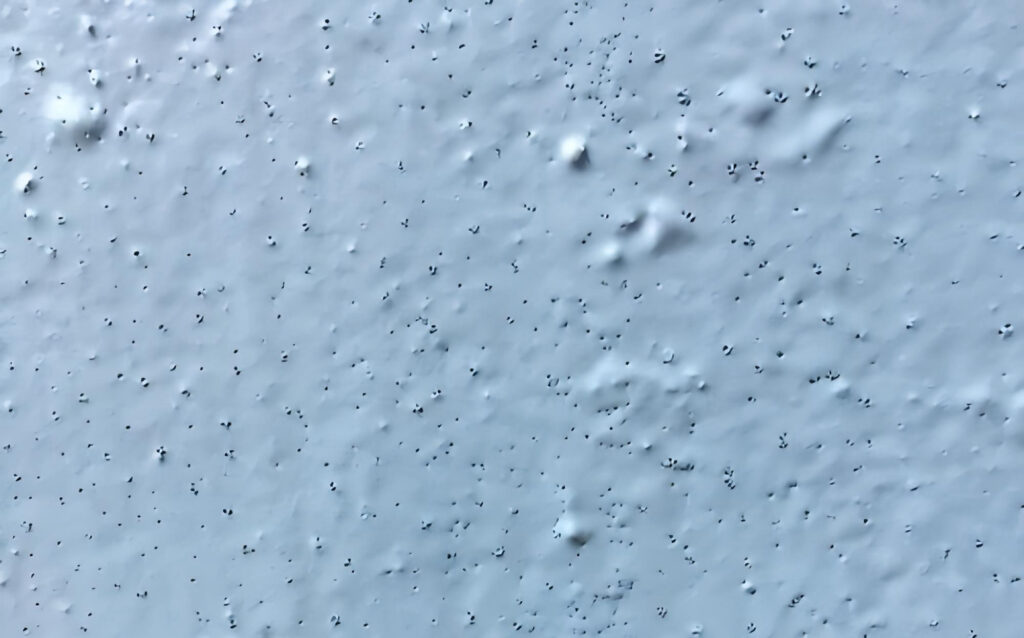
In industrial coating, architectural paints, and furniture spraying applications, film thickness is one of the key parameters affecting the final result. When paint is applied too thickly, it not only ruins gloss and smoothness but also leads to a series of problems such as sagging, uneven drying, reduced adhesion, orange peel, and cracking. To ensure product quality and surface aesthetics, timely detection and correction of excessively thick films are crucial. The following provides a complete analysis of the issue from four aspects: causes, hazards, remedial measures, and prevention methods.
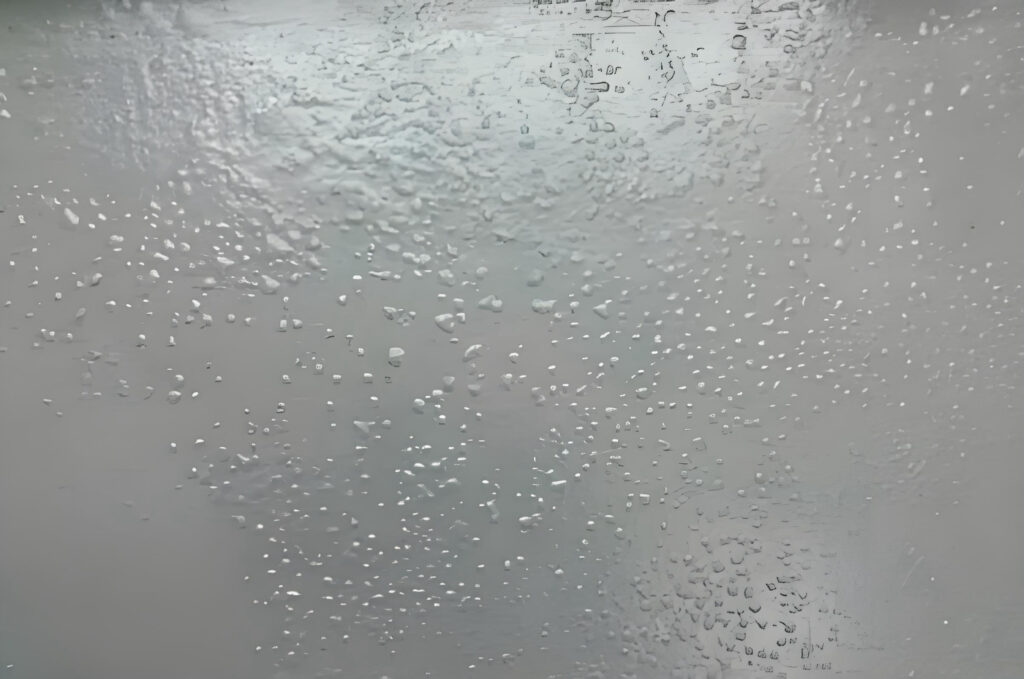
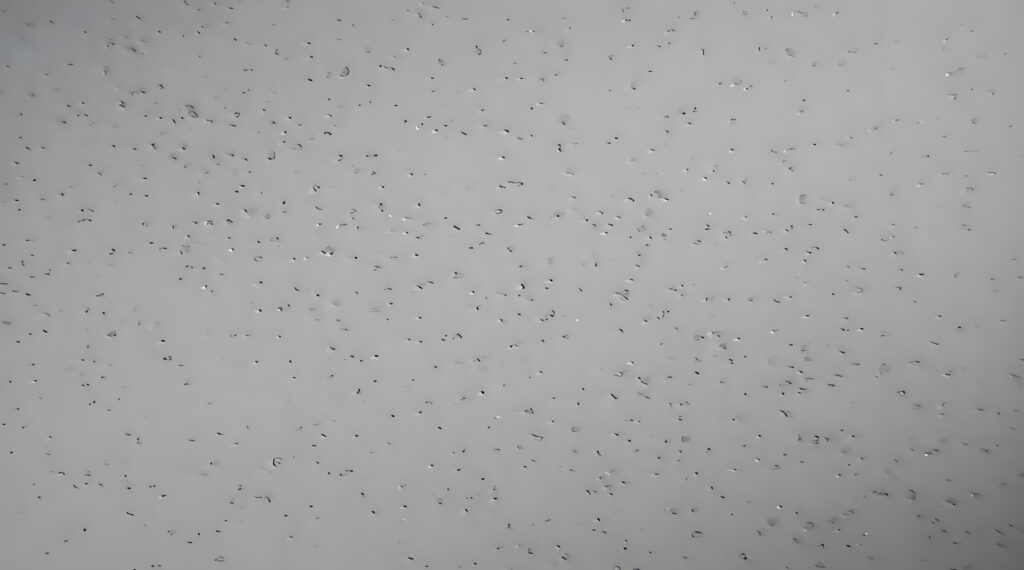
1. Main Causes of Excessive Paint Spray Thickness
1. Improper spray gun air pressure setting
Low spray gun air pressure can lead to insufficient atomization, causing paint to concentrate in localized areas and form an excessively thick film. Conversely, unstable air pressure can also make the spray pattern fluctuate in width, easily resulting in local buildup.
2. Non-standard technique
Common operating errors include:
- Spray distance too close
- Spraying speed too slow
- overlap rate too high
- Repeatedly apply additional spray coats to edges and corners.
These will all cause paint buildup.
3. Paint viscosity too high
Excessively high viscosity enlarges atomized droplets, making them more prone to accumulate on the surface and form thick coatings.
4. Spraying too many coats at once
To achieve rapid coverage or high gloss, some operators apply multiple coats at once without allowing sufficient flash-off time, causing the underlying film to be overlaid before it has dissipated and dissolved, ultimately resulting in an overall excessive film thickness.
5. Effects of Environmental Humidity and Temperature
High humidity or low temperature reduces solvent evaporation efficiency, causing the coating surface to dry slowly, which easily leads to film sagging and the formation of thick paint in localized areas.
II. Hazards of Applying Paint Too Thick
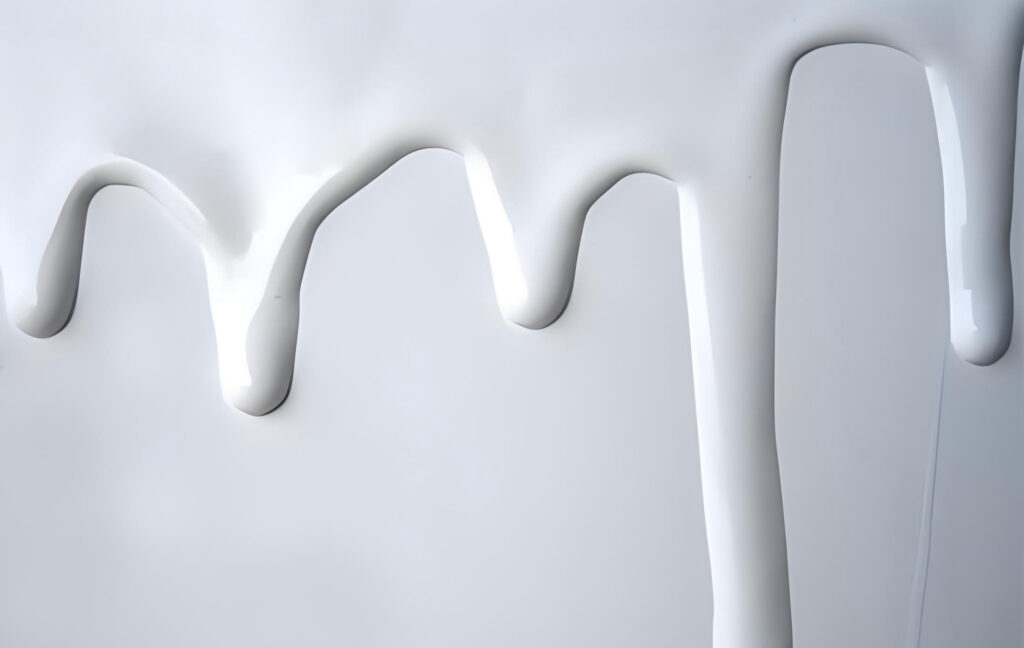
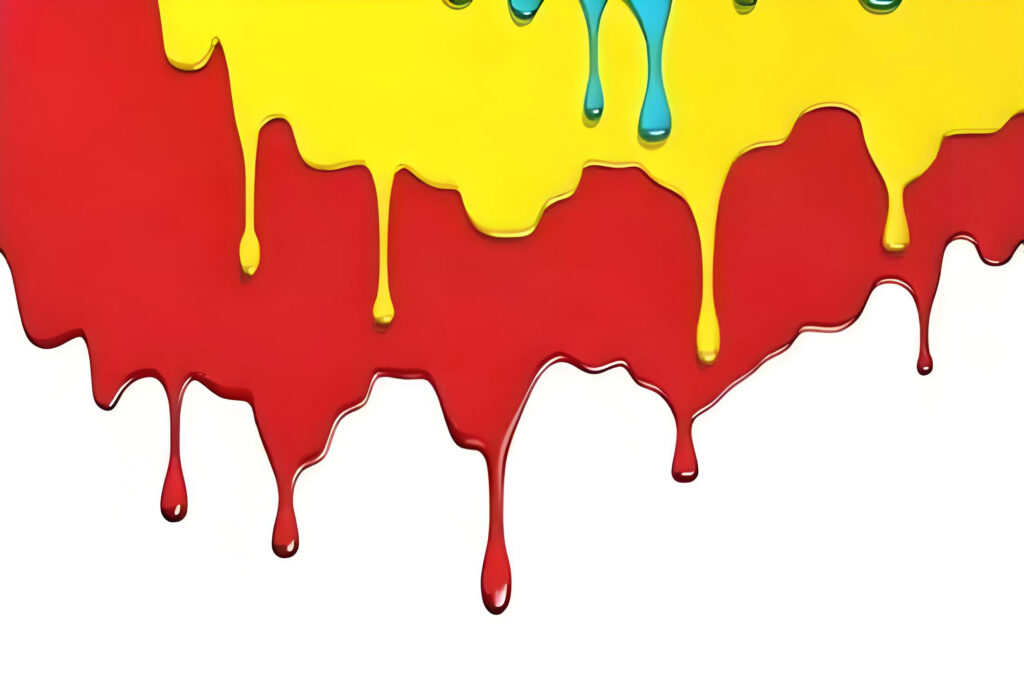
1. Sagging and dripping
Excessively thick coatings are prone to sagging under gravity, resulting in an uneven surface that impairs the appearance.
2. Extended drying time
The solvent is difficult to evaporate smoothly, increasing drying time and prolonging the production cycle.
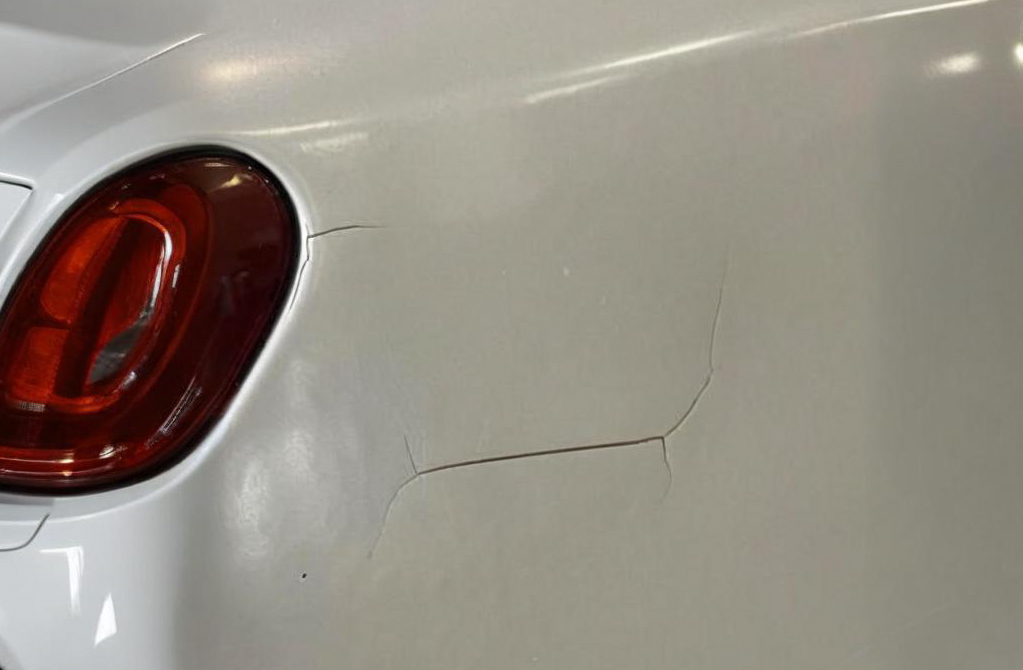
3. Cracking and Loss of Gloss
Thick paint films dry at different rates between inner and outer layers, which easily causes the inner layer to pull on the outer layer and generate cracks, while also degrading the surface texture.
4. Reduced Adhesion
Incomplete drying or excessive film stress will affect the adhesion strength of the paint to the substrate.
5. Reduced Durability
Thick coating not only affects appearance, but also reduces abrasion resistance, weather resistance, and long-term stability.
III. Remedial Measures for Excessive Paint Thickness in Spraying
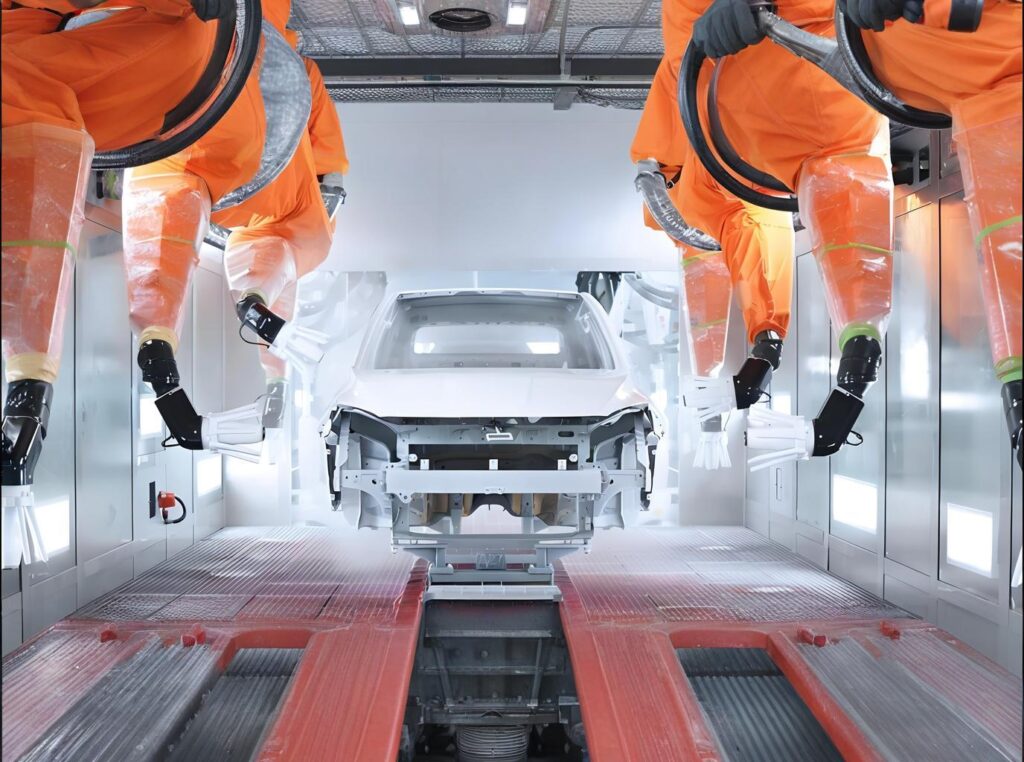
1. Localized excessive thickness: Can be corrected by polishing or slight sanding
For areas that are locally excessively thick but without sagging, the following may be used:
- Fine sandpaper (800–1500 grit)
- polishing paste
- sponge sandpaper
Lightly sand until smooth, then apply a thin additional coat as needed.
2. Sagging occurs: Use a sag knife or sanding to repair
After the coating is completely dry, use a dedicated scraper to gently scrape off the raised areas, then sand them smooth with sandpaper, and finally re-spray.
3. Overall too thick: It is recommended to sand all down and repaint
When the overall coating film is visibly too thick or shows a risk of cracking, the surface should be re-sanded to an appropriate roughness (generally 320–600 grit) before proceeding with a standard recoating process.
4. Reduce coating viscosity and then apply a thin spray
Re-adjust the dilution ratio to make it easier to control film thickness during spraying, and build up the desired thickness layer by layer through multiple thin coats.
4. How to prevent excessive paint thickness during spraying? (Key reference)
1. Correctly set the spray gun parameters
- Air pressure: adjust according to the recommended values for the coating system and equipment.
- Spray pattern: maintain uniformity
- Nozzle size: avoid using oversized nozzles that cause excessive paint output.
2. Standardize Spraying Techniques
- Spray distance: 15–25 cm
- Travel speed: stable and consistent
- Overlap rate: approximately 50%
- Require multiple thin coats rather than "applying a thick coat in one pass".
3. Control Coating Viscosity
Control within the standard range using a thinner and a viscosity cup (e.g., Ford cup).
4. Allow sufficient flash-off time
Allow sufficient solvent evaporation between coats, typically 5–15 minutes, depending on the paint system.
5. Optimize the Spraying Environment
- Temperature: 20–30°C
- Humidity: relative humidity < 75%
- Ventilation: Maintain moderate airflow, but avoid excessive wind speed.
A good environment can significantly reduce the probability of coating film defects.