Industrial workshop floors face daily forklift traffic, oil penetration, and heavy impact. As a professional floor coating manufacturer, we provide an in-depth analysis of the differences between epoxy self-leveling, anti-static flooring, and wear-resistant flooring to help you create a dust-free, hard, and easy-to-clean modern production environment.
A clean and durable floor is a standard feature of a modern factory. Many enterprises often encounter problems such as floor sanding, cracking, or difficult-to-clean oil stains during operations, which not only affect the company's image but may also damage precision equipment. As a floor paint manufacturer, we recommend selecting the most suitable coating solution based on the specific working conditions of the workshop.

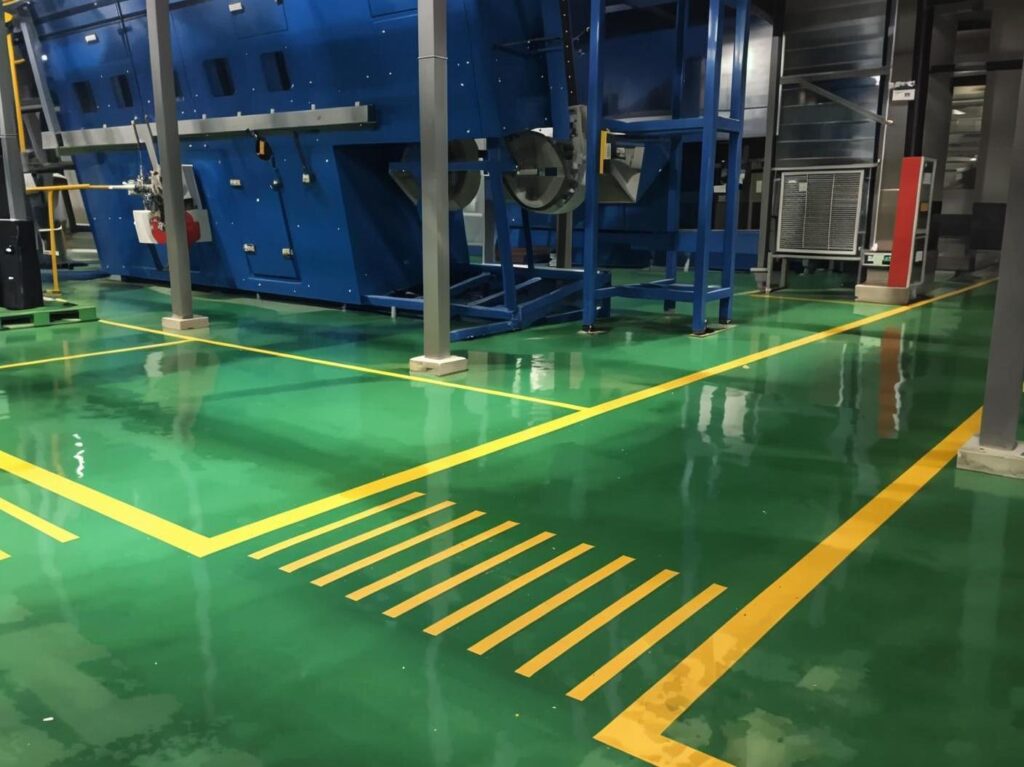
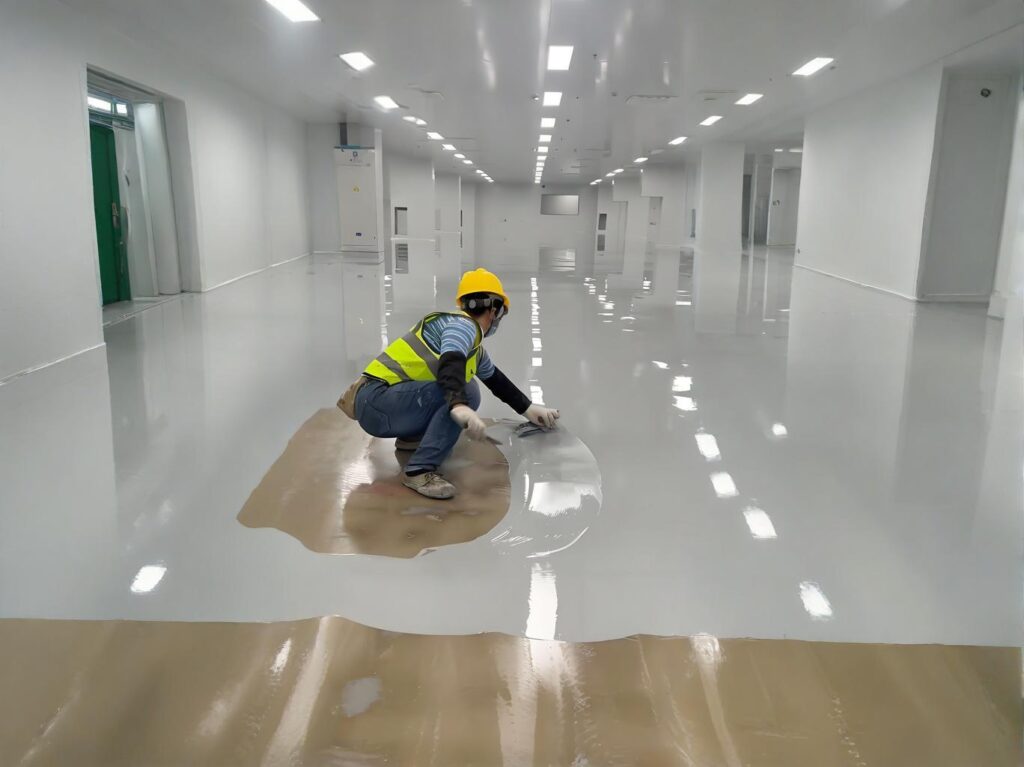
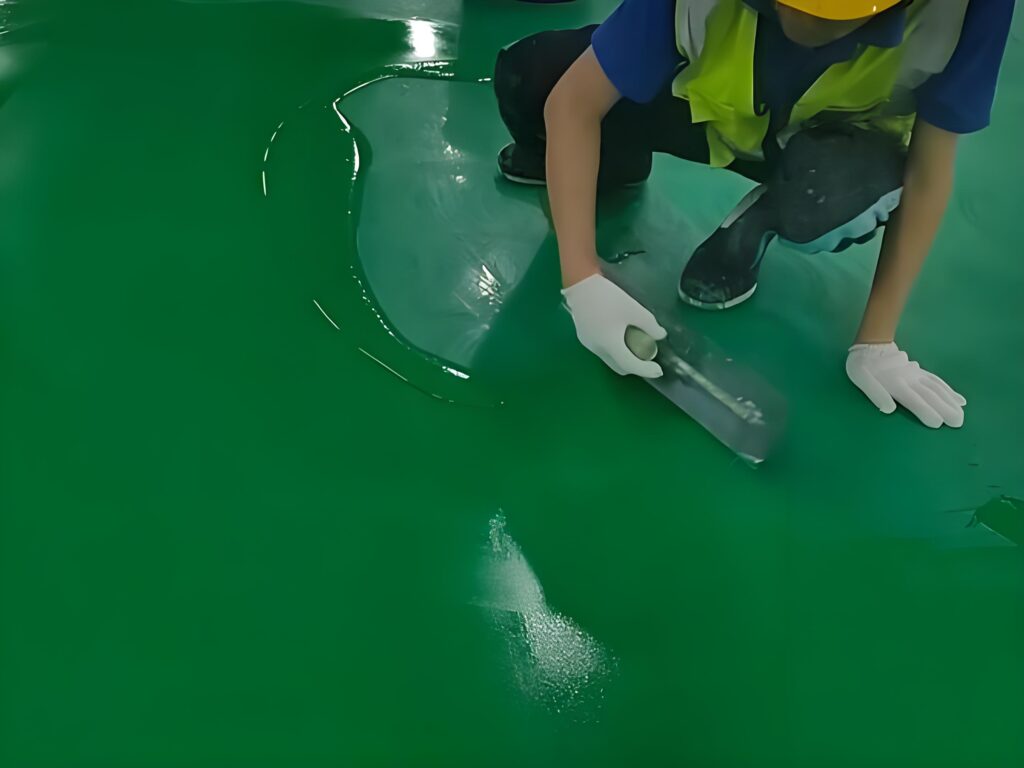
1. Epoxy Self-leveling Flooring: The First Choice for High-cleanliness Workshops Suitable for environments with extremely high dust-proof requirements such as electronics, pharmaceutical, and food industries.
- Advantages: Surface is flat like a mirror, with excellent cleanability; seamless connection prevents the growth of bacteria and dust.
- Features: The paint film is relatively thick, provides a good foot feel, and has certain chemical resistance.
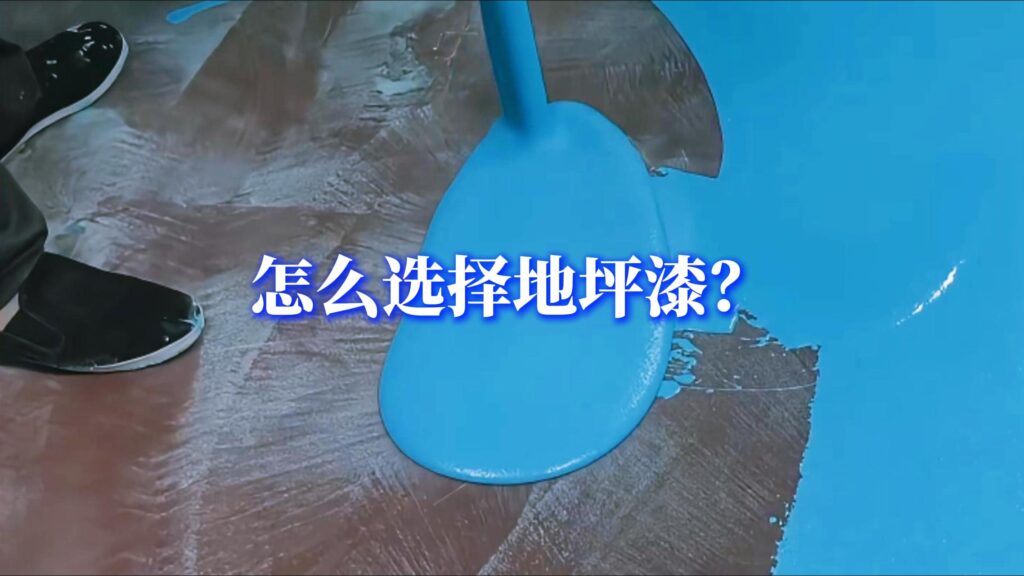
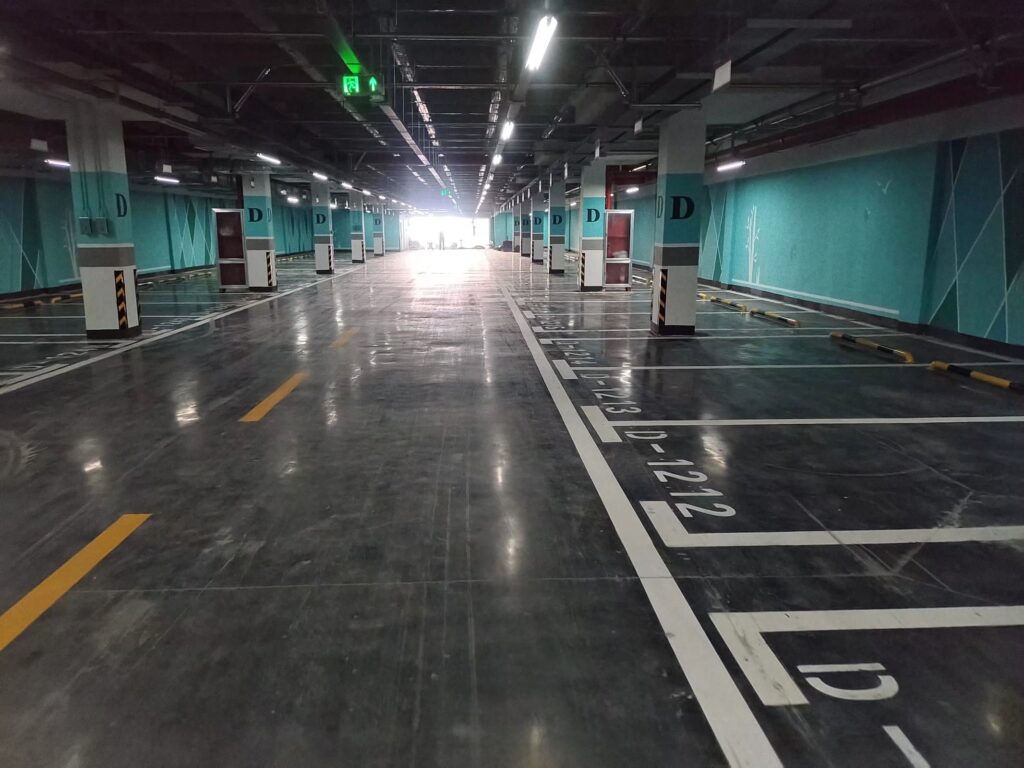
2. Epoxy Thin Coat/Mortar Flooring: Cost-Effective Choice for General Manufacturing Workshops Suitable for ordinary warehouses, assembly workshops, or garages.
- Advantages: Short construction period and relatively low cost.
- Features: By adding a quartz sand layer, the floor's compression resistance and wear resistance are greatly enhanced, enabling it to withstand frequent forklift traffic.
3. Anti-static Flooring: A Protective Shield for the Electronics Industry For electronic component assembly, precision laboratories, or flammable and explosive environments.
- Advantage: Can effectively dissipate static charges, preventing equipment failures or fire risks caused by static accumulation.
- Core: Must be applied in conjunction with conductive copper foil to ensure stable performance of the conductive path.
4. Polyurethane Ultra-Wear-Resistant Flooring: For Extreme Heavy Loads If your workshop has heavy machinery dragging or frequent hot water washing.
- Advantages: Higher hardness than ordinary epoxy paint, with better toughness and impact resistance, capable of withstanding environments with drastic temperature fluctuations.
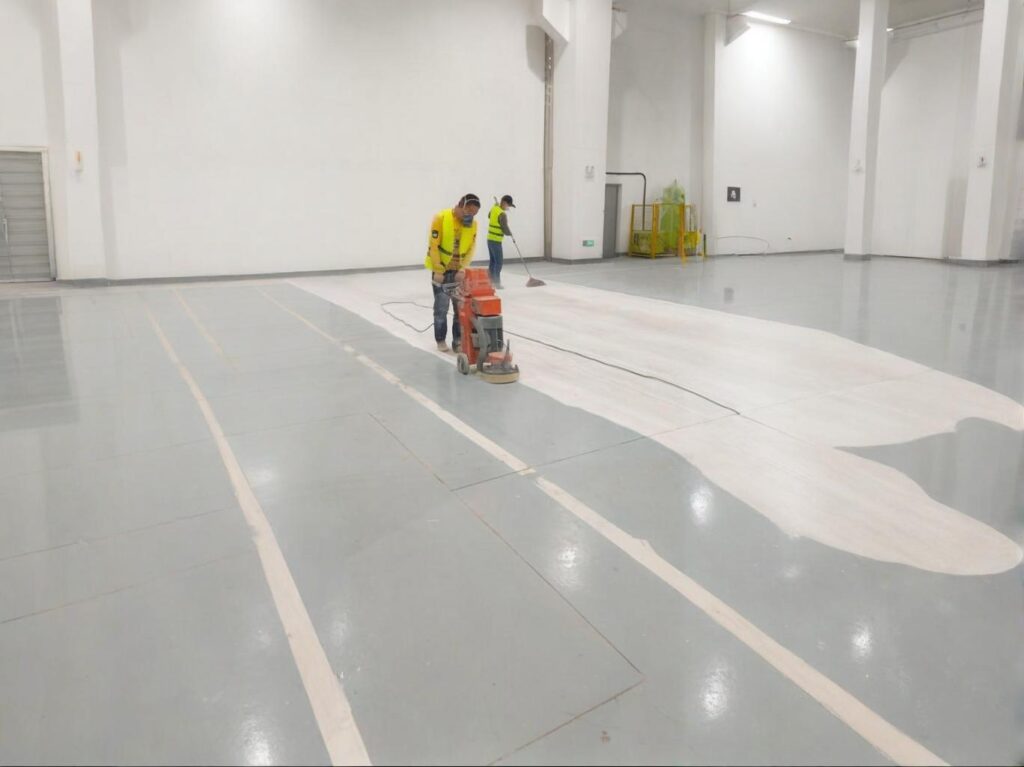
5. Manufacturer's Advice: One-third Material, Seven-tenths Construction The lifespan of floor paint depends not only on material quality, but also critically on substrate preparation (sanding, degreasing, crack repair). We provide a full set of materials from primer, middle coat to topcoat, and offer professional on-site construction technical guidance.

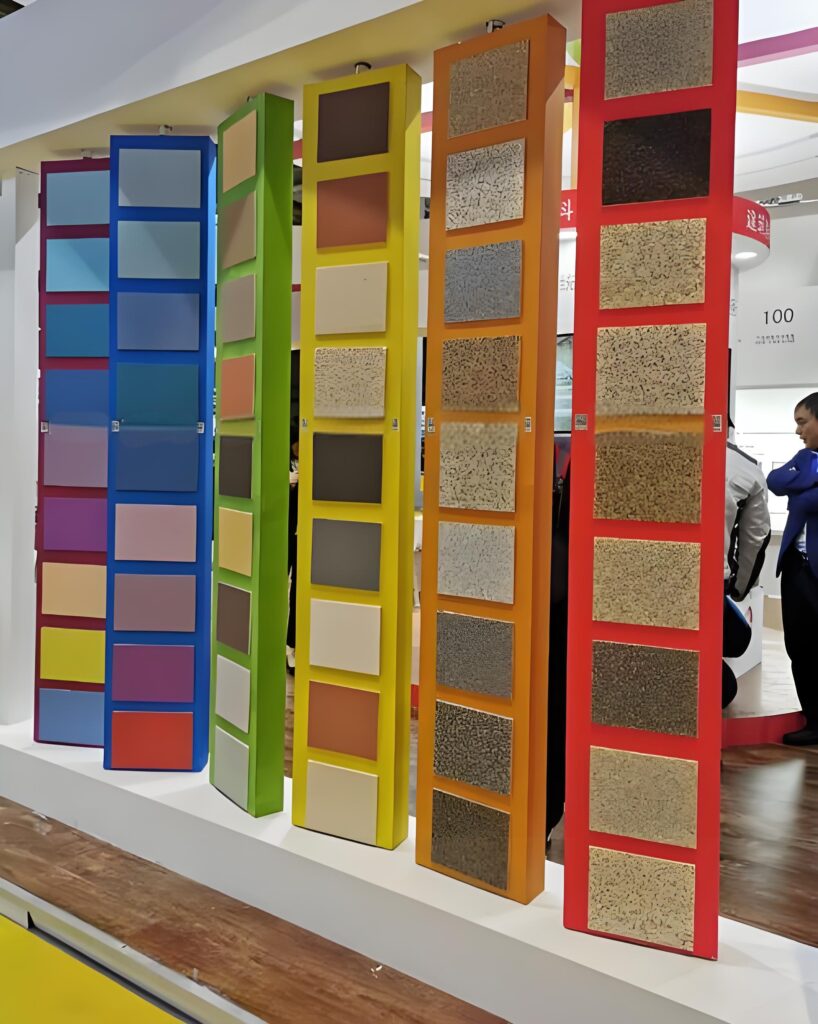


Conclusion: When choosing floor paint, you should not only look at the unit price, but also the service life. Choosing our factory-direct industrial-grade flooring system is the wisest long-term investment you can make for your production environment.