— How the three types of coatings form a complete plastic appearance solution
Plastic coatings, electroplating paints, and mirror finishes each play distinct roles within plastic coating systems. This article systematically analyzes the technical relationships and application positioning among the three.
I. Why a Systematic Understanding of the Three Coatings Is Needed
In the appearance design of plastic products, a single coating often fails to meet all requirements.
Plastic paint, electroplating paint, and mirror coating respectively provide solutions for adhesion, decoration, and visual effects.
Only by understanding the relationship among the three from a systems perspective can a stable and controllable coating result be achieved.


II. Basic Positioning of Plastic Coatings in the Painting System
Plastic paint is the base layer and core support of the plastic coating system.
Its main functions include:
- Solve adhesion issues on plastic substrates
- Provide color and basic appearance
- Build a stable coating foundation structure
Almost all plastic coating solutions cannot be achieved without the involvement of plastic paint systems.
III. The Role of Electroplated Paint in the Decorative Layer
Electroplating paint mainly undertakes the task of achieving metal-like decorative effects.
Based on a primer for plastic coatings, electroplating paint imparts a metallic visual texture to plastic products through a special coating structure, and is commonly used in decorative components and appearance upgrade applications.
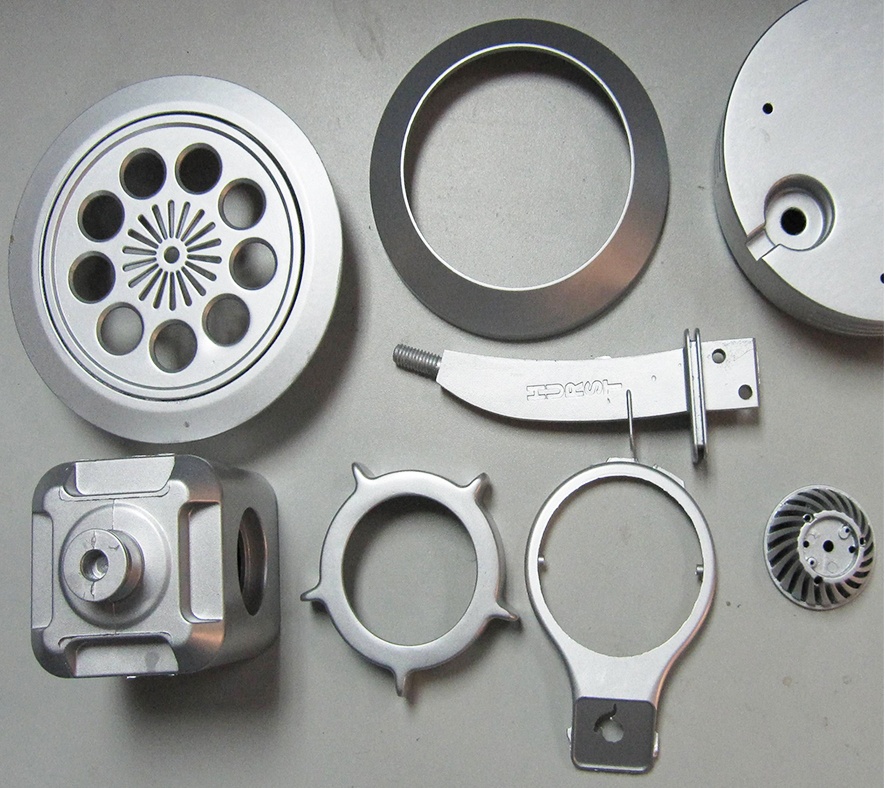

IV. The Role of Mirror Coatings in Visual Enhancement
The mirror coating is located in the high-end visual layer of the coating system, and its core value lies in:
- Provides a high-reflectivity, mirror-grade appearance
- Enhance the product's visual impact
- enhance the overall design quality
Mirror coatings generally demand extremely high quality of the underlying coating.
V. The Structural Hierarchical Relationship Among the Three
From the perspective of coating structure, the three are not in opposition, but rather a hierarchical progressive relationship:
- Plastic coatings: basecoat and adhesion layer
- Electroplated paint: decorative and metallic effect layer
- Mirror coating: high-reflectivity visual presentation layer
Only through rational combination can a complete coating system be constructed.
VI. System Combination Logic for Different Appearance Requirements
Depending on the product positioning, the coating system can be flexibly combined:
- Focus on stability: primarily plastic coatings.
- Emphasis on decorative appeal: introduction of electroplating paint
- Focus on premium aesthetics: apply mirror coating
Systematic design helps achieve a balance between cost and performance.
VII. Application Value of Systematic Coating Systems
Systematic planning of plastic coatings, electroplating paints, and mirror finishes helps improve product consistency, appearance reliability, and batch production stability.
Conclusion
Plastic coatings, electroplating paints, and mirror finishes do not exist in isolation, but together constitute a complete plastic appearance coating system. Understanding the relationship among the three is a key foundation for achieving high-quality plastic appearance design.