As the global supply chain continues to mature, a growing number of overseas companies hope to customize coatings from China to obtain more competitive costs, more flexible production capacity, and more professional formulation services. China has a large group of coating factories, from water-based coatings to industrial coating customization, from OEM private labeling to own-brand R&D, all able to provide complete solutions. However, to ensure stable coating quality, reliable delivery, and smooth completion of the export process, purchasers must master a systematic methodology and pay attention to key risk points.


1. Core Criteria for Selecting a Custom Coating Factory in China
1. Factory Qualifications and Professional Capabilities
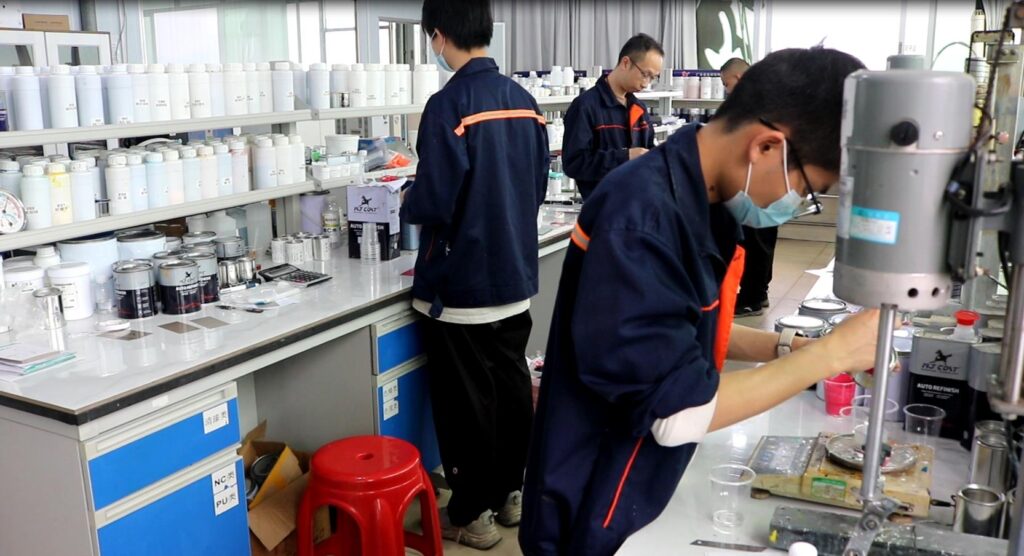
When selecting a supplier, first evaluate whether it has independent production capacity and industry qualifications, such as environmental emission compliance certificates, quality system certifications, raw material test reports, etc. A regular coatings factory can provide stable formulations, ensuring consistent coating quality from small to large batches.
2. Raw Materials and Formulation System
High-quality raw materials are the core that determines the performance of the final product, including resins, additives, pigments and fillers, and solvents. Excellent suppliers usually have independent formulation laboratories, which can provide customized rheological systems, weather resistance grades, and adhesion performance for OEM coating customers.
3. Whether environmental standards comply with the target market
Markets such as Europe, America, Southeast Asia, and the Middle East have different requirements for environmental standards regarding VOC, heavy metals, formaldehyde, etc. Buyers should ensure that the selected eco-friendly coatings can meet the regulations of the exporting country, such as REACH, RoHS, CARB, etc., to avoid overseas customs clearance risks.

II. Process and Methods for Customizing Coatings from China
1. Define requirements and product positioning
Before communication, the coating application scenario should be clarified, such as interior wall paint for home decoration, anti-corrosion paint for metal, floor coating, marine coating, or wood coating. A more precise positioning can improve formula matching and reduce repeated sample adjustment time.
2. Color and Gloss Customization
Chinese factories have a mature system for color matching and can achieve precise color formulation based on color cards, samples, or color codes. For overseas buyers, it is recommended to provide sample boards, RAL or PANTONE color codes to accelerate the color matching cycle of China custom coatings.
3. Packaging and Design Services
Most suppliers can provide customization services ranging from pails, labels to complete branded packaging. If you plan to enter the local market, a private-label paint packaging design can significantly enhance end-market competitiveness and strengthen customer recall.
4. Sample Confirmation and Trial Testing
Usually, more than three rounds of sample optimization are required, including scrub resistance tests, adhesion tests, and weather resistance tests. A professional Chinese coatings supply chain system can provide experimental data and test reports to help customers determine whether the product is suitable for the intended application scenario.
5. Mass Production and Quality Tracking
After sample confirmation, the factory will establish a formula code and commence batch production. Mature suppliers will retain retained samples for each batch of goods to ensure quality consistency for subsequent repeat orders.
III. Export Transportation and Customs Considerations
1. Classification of Dangerous and Non-Dangerous Goods
Some solvent-based products are classified as hazardous goods and require logistics channels with specific qualifications for transportation, whereas water-based products can usually be exported as general cargo. Buyers should confirm this in advance to avoid shipment delays.
2. Leak-proof Packaging and International Shipping Requirements
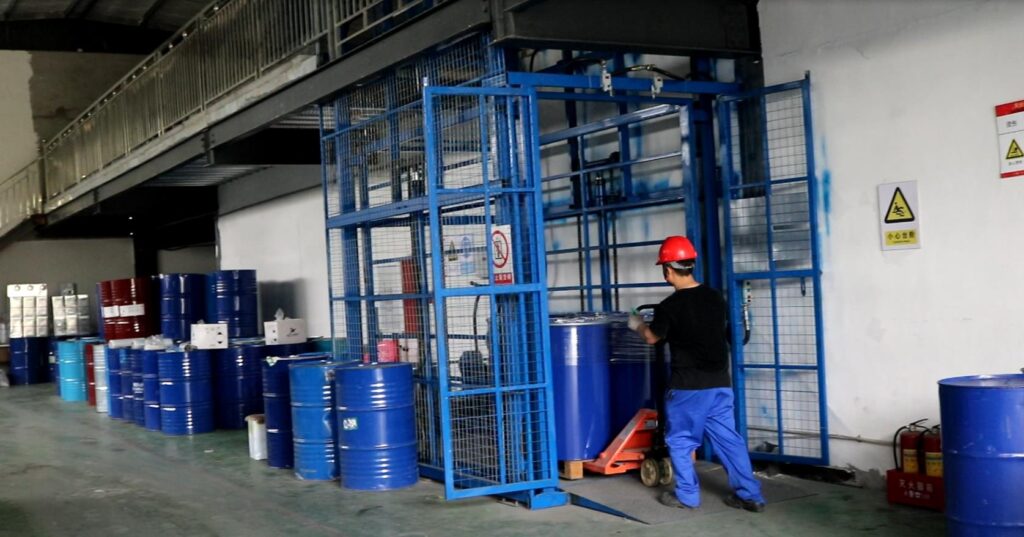
Export coatings require enhanced sealing performance, typically using metal drums, plastic drums, or composite drums, with the addition of leak-proof sealing gaskets. Pallets must be securely fastened to meet international logistics requirements.
3. Documents and Certification
Common export documents include MSDS, TDS, packing list, certificate of origin, etc. If local authorities require a VOC report or environmental certification, the factory must prepare in advance to ensure smooth customs clearance.

IV. Cooperation Risks and Mitigation Methods for Custom Coatings from China
1. Prevent formula inconsistency
Selecting a factory with a stable supply chain and a well-established laboratory system is crucial. Buyers may require the manufacturer’s sample retention policy and batch testing records.
2. Control Delivery Time Risk
During peak seasons or before holidays, production lead times may extend, so planning orders reasonably can help avoid delays. Meanwhile, partnering with suppliers that have the capability to stock raw materials offers greater stability.
3. Avoid rework caused by communication errors
Defining every technical parameter—including solids content, viscosity, coverage rate, gloss, etc.—can effectively reduce errors and ensure customized products meet specifications on the first attempt.




Conclusion
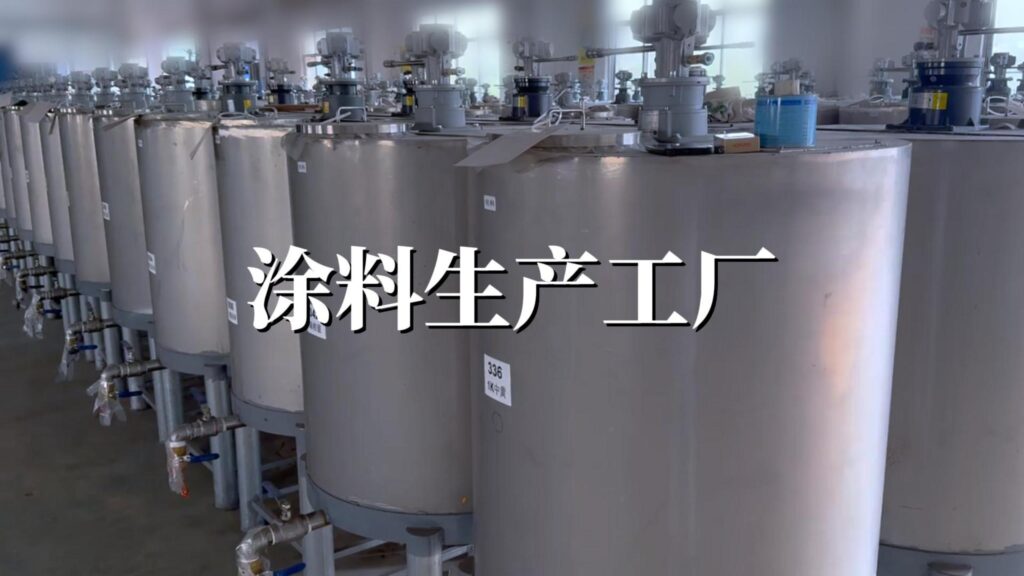
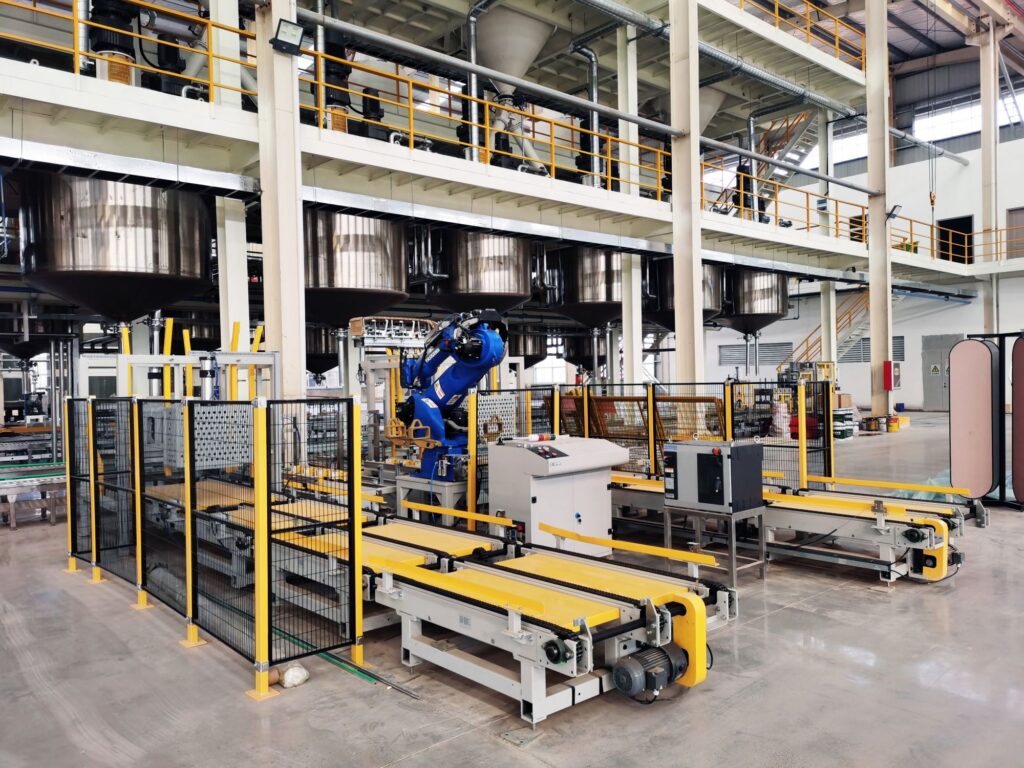
Sourcing coatings from China offers both cost advantages and access to specialized services. The prerequisite, however, is selecting reliable suppliers, defining requirements clearly, and establishing standardized communication processes. Through a comprehensive assessment of manufacturing capability, formulation systems, export logistics, and quality management, coatings can maintain long-term, stable competitiveness in overseas markets.