At busy ports around the world, port machinery such as quay cranes (STS) and rubber-tyred gantry cranes (RTG) are constantly subjected to harsh tests from nature. The marine environment belongs to the typical C5 (very high corrosion) category, with extremely high salt content and strong ultraviolet radiation. Ordinary paint will suffer severe chalking and rusting within just two to three years.

To protect these expensive assets, the Fluorocarbon System has become the industry-recognized best choice.
1. Core Protection Logic: Why Fluorocarbon? The protection of port machinery is not merely covering, but an all-around chemical shielding:
- Superior salt spray resistance: The C-F bonds in the molecular structure of fluorocarbon paint are extremely stable, effectively blocking the penetration of chloride ions (sea salt) from seawater into the metal substrate.
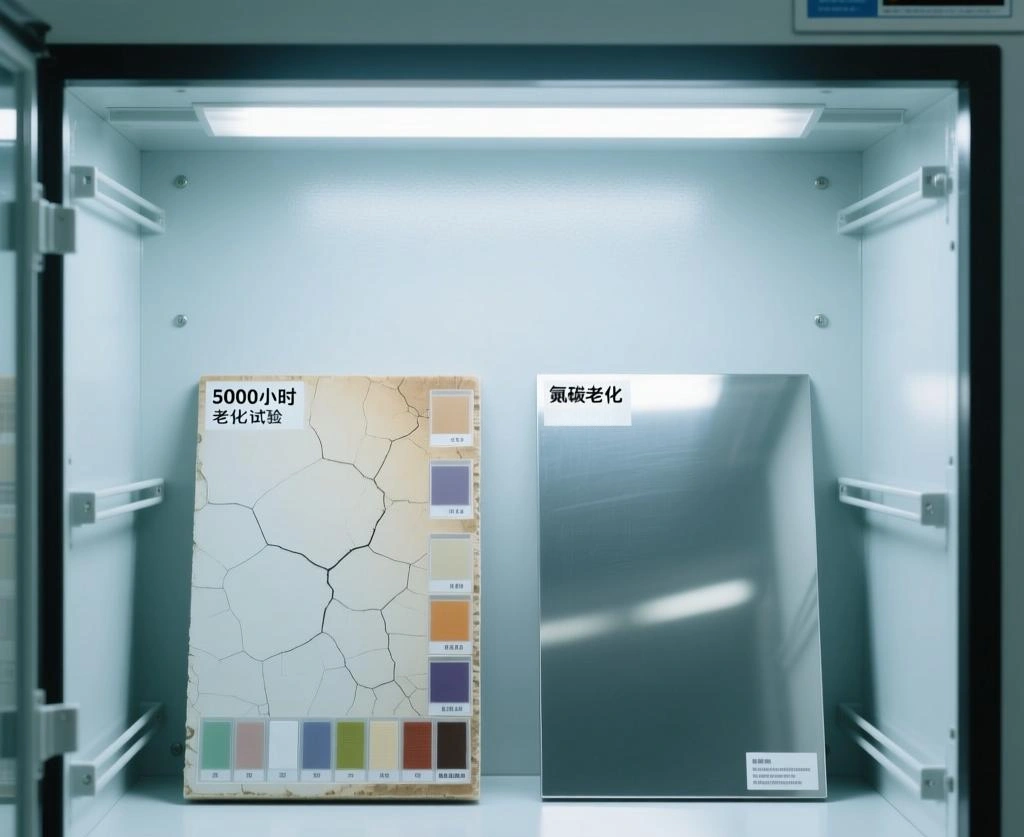
- Excellent gloss and color retention: Ports are exposed to intense sunlight, and fluorocarbon paint can resist long-term UV radiation, ensuring that the equipment remains as bright as new in color even after 10–15 years, without the need for frequent repainting.
- Excellent chemical stability: Faced with potential industrial exhaust gases and acid-alkali shocks in ports, fluorocarbon paint exhibits extremely high chemical inertness.
2. Classic C5 heavy-duty anti-corrosion coating system To achieve long-term protection, we recommend the following "three-layer protection" standard system:
- Primer: Epoxy zinc-rich primer (80 microns) —— Provides electrochemical cathodic protection, the core of anti-rust performance.
- Middle coat: Epoxy micaceous iron oxide intermediate paint (100-150 microns) —— Relies on the flake structure of micaceous iron oxide to form a physical barrier and increase thickness.
- Topcoat: Fluorocarbon topcoat (60-80 microns) —— Provides final weather resistance, decorative appearance, and salt spray resistance.
3. Key Construction Details
- Surface treatment: Sandblasting rust removal must reach Sa2.5 grade or above, and the roughness should be controlled between 40-75 microns to ensure the adhesion of the primer.
- Edge treatment: Port machinery has complex structures, and welds and edges are most prone to rust first. We recommend manual pre-brushing of all edges before formal spraying.

Conclusion: The high maintenance costs of port machinery make "getting it right the first time" crucial. Choosing our factory's fluorocarbon heavy-duty anti-corrosion solution means choosing long-term peace of mind and asset value preservation.