High-speed trains in operation must not only withstand the tremendous destructive force of stone impacts, but also comply with stringent fire safety standards. As a professional industrial coating manufacturer, we provide an in-depth analysis of how high-speed train coatings maintain integrity under high wind pressure, and detail international flame-retardant standards such as EN 45545.
As the train sweeps across the land at 350 km/h, its head and body surfaces are subjected to enormous wind pressure. Any pebble kicked up exerts an impact force equivalent to that of a "bullet." Meanwhile, as an enclosed public transport space, rolling stock has near-stringent requirements for the fire performance of materials.

As a specialized industrial paint manufacturer, we break down the two core safety indicators of rail transit coatings for you:
1. Impact Resistance and Stone Chip Resistance
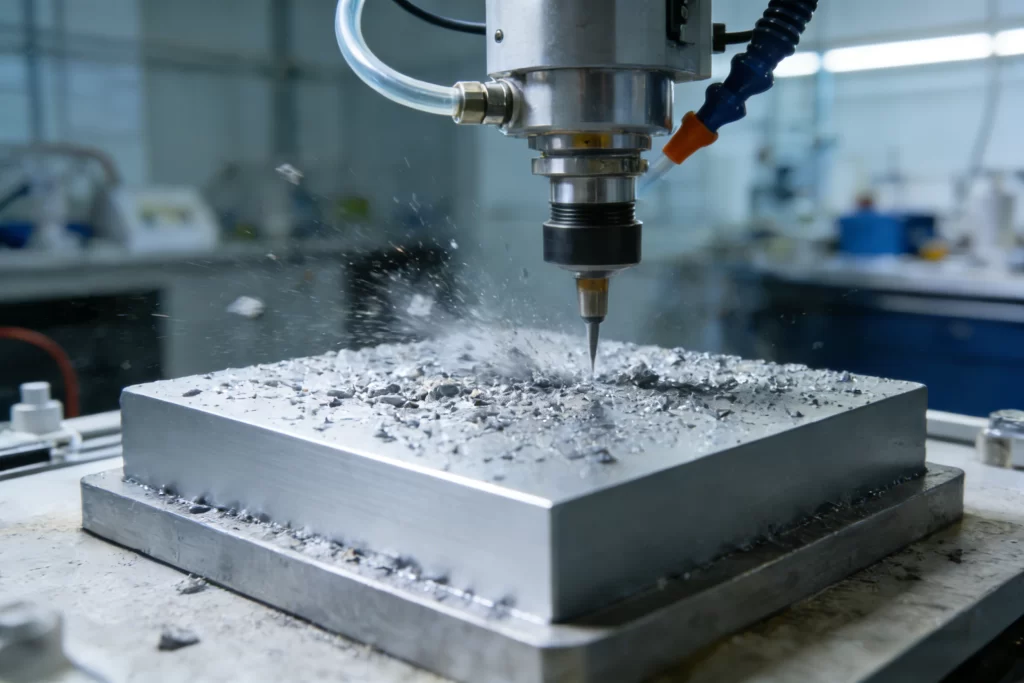
- Challenge: Under ultra-high wind speeds, gravel on the track is swept up and causes high-frequency impacts on the train head; ordinary paint films quickly crack, exposing the aluminum alloy or carbon steel substrate to rust.
- Countermeasure: Adopt a modified polyurethane system with high toughness.
- Advantages: This coating has excellent energy absorption capability, remains flexible even under extreme temperature differences, and effectively resists paint film peeling caused by gravel impact.
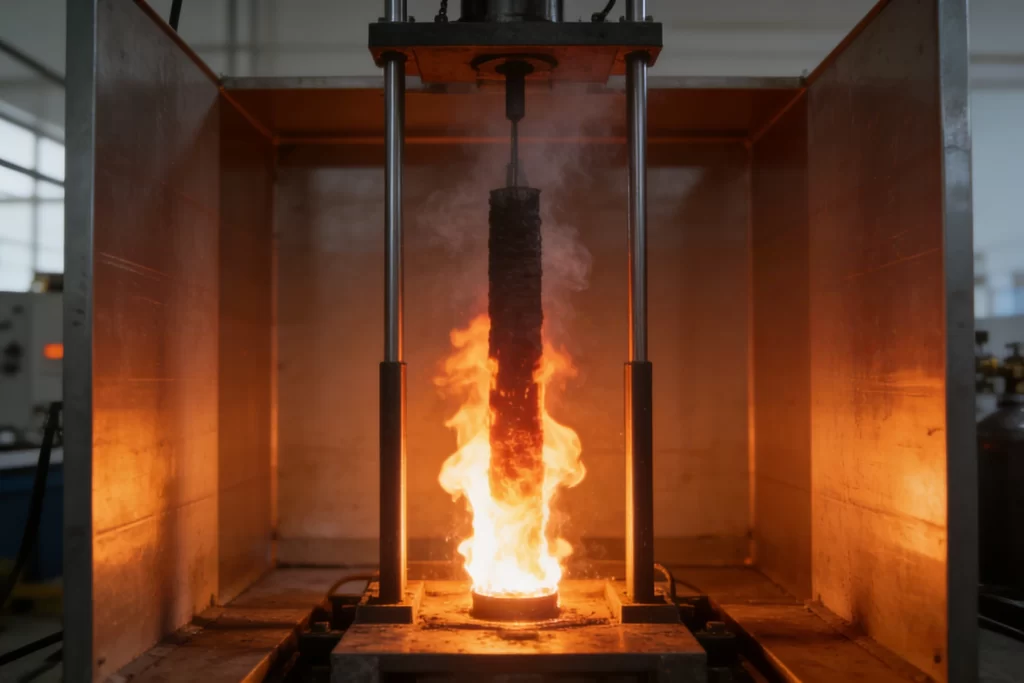
2. Fire Safety: EN 45545 International Standard In the rail transit field, the fire resistance, smoke suppression, and toxicity resistance (FST) of materials are of paramount importance.
- Standard: Complies with EU EN 45545-2 or relevant domestic fire safety standards.
- Performance: Our specialty fire-retardant coating, when exposed to high temperatures or open flames, not only slows the spread of fire but, more importantly, minimizes smoke density and toxic emissions, buying precious time for emergency evacuation.
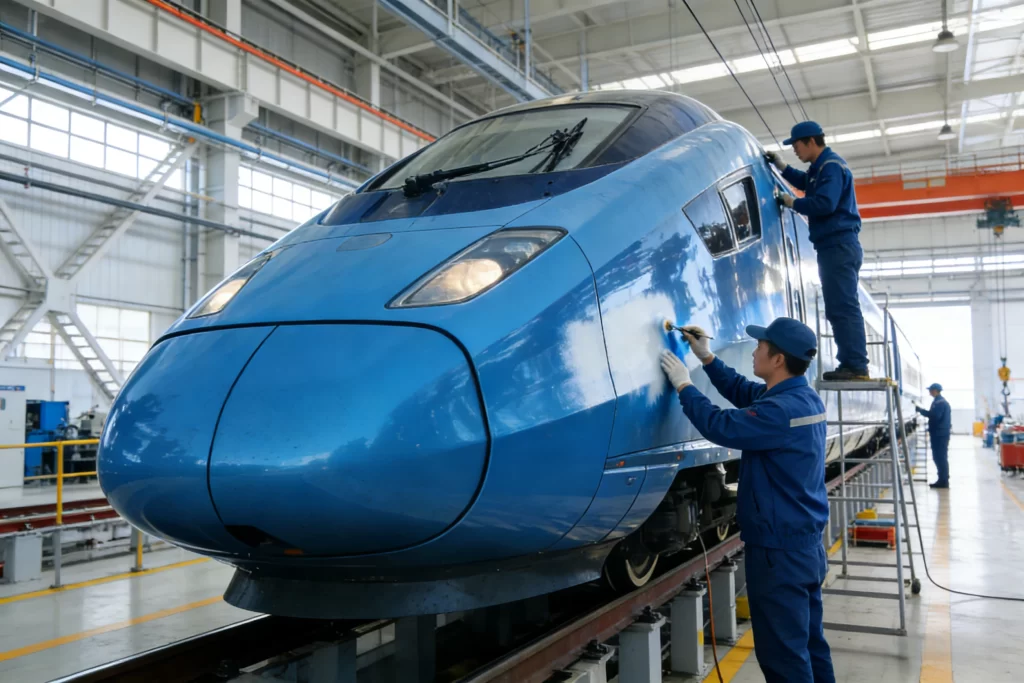
3. Long-lasting gloss and color retention in extreme environments Trains frequently enter and exit tunnels, facing drastic UV fluctuations and erosion from acidic dust inside the tunnels.
- Technology: Introduced super-weather-resistant aliphatic resin technology.
- Advantage: Ensures the train retains vivid colors and a full gloss even after 8-10 years of service, reducing maintenance frequency.
4. Manufacturer's Recommendation: Full-System Lightweight Coating In response to energy conservation and emission reduction, we recommend the use of high-solid or waterborne coating systems, which reduce train weight through thinner and denser coatings while minimizing environmental pollution.
Conclusion: Rail transit coating is the art of speed and safety. Choosing specialty coatings that have passed rigorous impact resistance and flame retardant certifications builds an impregnable "invisible defense line" for the safe travel of every passenger.