Water-based paints and oil-based paints differ significantly in environmental performance, application experience, film-forming structure, and suitable applications. This article systematically analyzes the core differences between the two to help users scientifically select the appropriate coating solution.
I. Background and Classification Overview of Coatings Development
With the continuous upgrading of architectural decoration, industrial manufacturing, and household consumption, coatings have evolved from a single protective material into important industrial products that integrate decorativeness, functionality, and environmental friendliness. In the current market, paints are mainly divided into two major systems: water-based paint and oil-based paint. These two types of coatings show obvious differences in formulation structure, user experience, and application fields.
Understanding the differences between water-based paints and solvent-based paints helps make more rational choices in architectural coatings, industrial coatings, furniture finishing, and anti-corrosion engineering.

II. Definition and Core Characteristics of Waterborne Coatings
1. Basic Concepts of Waterborne Coatings
Water-based paints use water as the main dispersion medium, with resins present in emulsion or water-soluble form, and do not rely on large amounts of organic solvents. Common types include water-based acrylic paints, water-based polyurethane paints, and water-based epoxy paints.
2. Main Characteristics of Water-Based Paint
- Outstanding environmental performance: Low VOC content, light odor
- High construction safety: Non-flammable, with low storage and transportation risks
- Fast drying speed: Suitable for assembly lines and fast construction environments
- Easy to clean and maintain: The tool can be directly rinsed with clean water
Under the current trend of tightening environmental regulations, water-based paints are gradually becoming a key development direction for architectural coatings and environmentally friendly coatings.

III. Definition and Core Characteristics of Oil-Based Paints
1. Basic Concepts of Oil-Based Paints
Oil-based paints use organic solvents (such as xylene, esters, and ketones) as the dispersion medium, and the resins are mostly solvent-type structures, making them widely used in traditional industrial and protective applications.
2. Main Characteristics of Oil-Based Paints
- Dense film formation: The coating film has high hardness and strong wear resistance
- Excellent adhesion: Strong adaptability to metal and wood
- Good environmental adaptability: Stable construction under low temperature and high humidity conditions
- High gloss and fullness: Mature and stable decorative effect
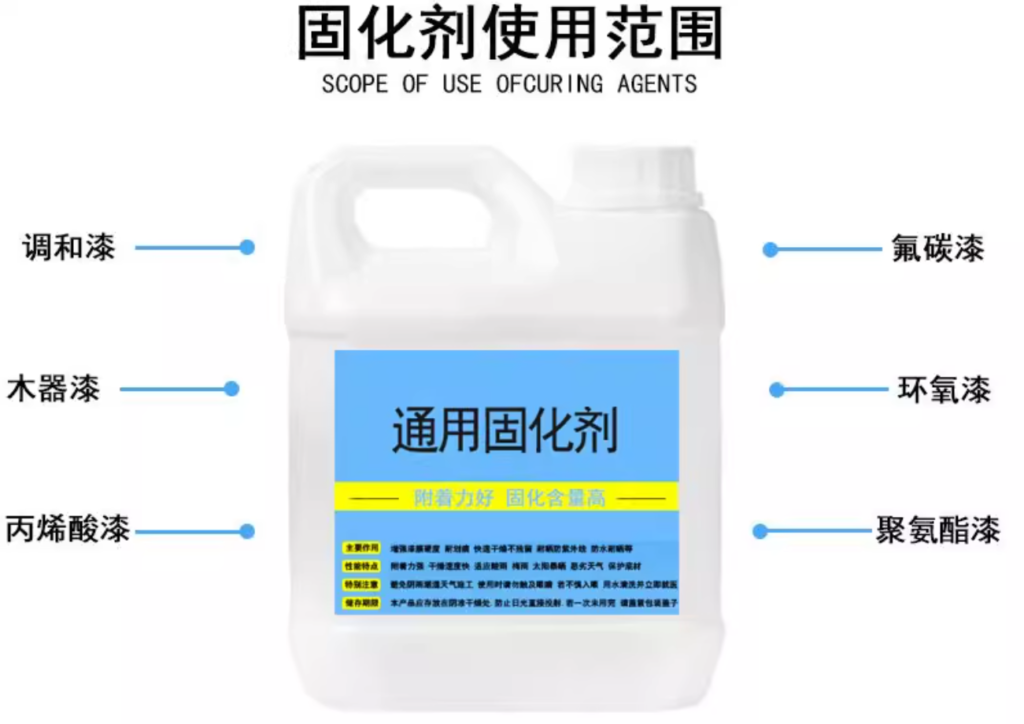
In the fields of heavy-duty anti-corrosion, mechanical equipment, and specialty industrial coatings, solvent-based paints still possess irreplaceable advantages.
IV. Core Difference Comparison Between Water-Based and Oil-Based Paints
1. Differences in environmental performance
Water-based paints hold a distinct advantage in the field of eco-friendly coatings, with VOC emissions significantly lower than those of solvent-based paints, making them more suitable for interior architectural coatings and home decoration applications.
2. Differences in Application Experience
Water-based paints emit less odor during application and are friendlier to applicators; solvent-based paints require better ventilation at the work site, but offer greater stability in demanding environments.
3. Film Structure and Durability
Oil-based paints form dense films and offer stronger chemical and weather resistance; water-based paints are continuously improving and can already meet the needs of most architectural and light-industrial applications.
4. Differences in Applicable Fields
- Water-based paint: Interior and exterior walls of buildings, furniture, children's products, environmental protection projects
- Oil-based paint: steel structures, mechanical equipment, anti-corrosion engineering, heavy industry coating
V. Rational Selection for Different Application Scenarios
In the architectural coatings sector, water-based paints are favored for their environmental advantages; in industrial coatings and anti-corrosion engineering, solvent-based paints still deliver stable performance. Selecting the right coating type helps extend service life, reduce maintenance costs, and meet regulatory requirements.
VI. Future Development Trends of the Coatings Industry
With technological progress, water-based paints have seen continuous improvement in abrasion resistance, weather resistance, and adhesion, gradually extending into application areas traditionally dominated by solvent-based paints. At the same time, solvent-based paints are also being upgraded toward high-solid and low-emission formulations, and the coatings industry is developing in a direction of high performance alongside low environmental load.


VII. Frequently Asked Questions (FAQ)
Q1: Is water-based paint completely free of harmful substances?
Water-based paint has extremely low VOC content, but it is not absolutely zero; it is still necessary to choose certified products.
Q2: Will oil-based paint be completely phased out?
In specific industrial coating and anti-corrosion fields, oil-based paint still has long-term application value.
Q3: Is the durability of water-based paint insufficient?
With formula upgrades, high-quality water-based paint can already meet the needs of most engineering projects.
Q4: Can the two types of paint be mixed for use?
Direct mixing of different systems is not recommended; construction should follow the system requirements.