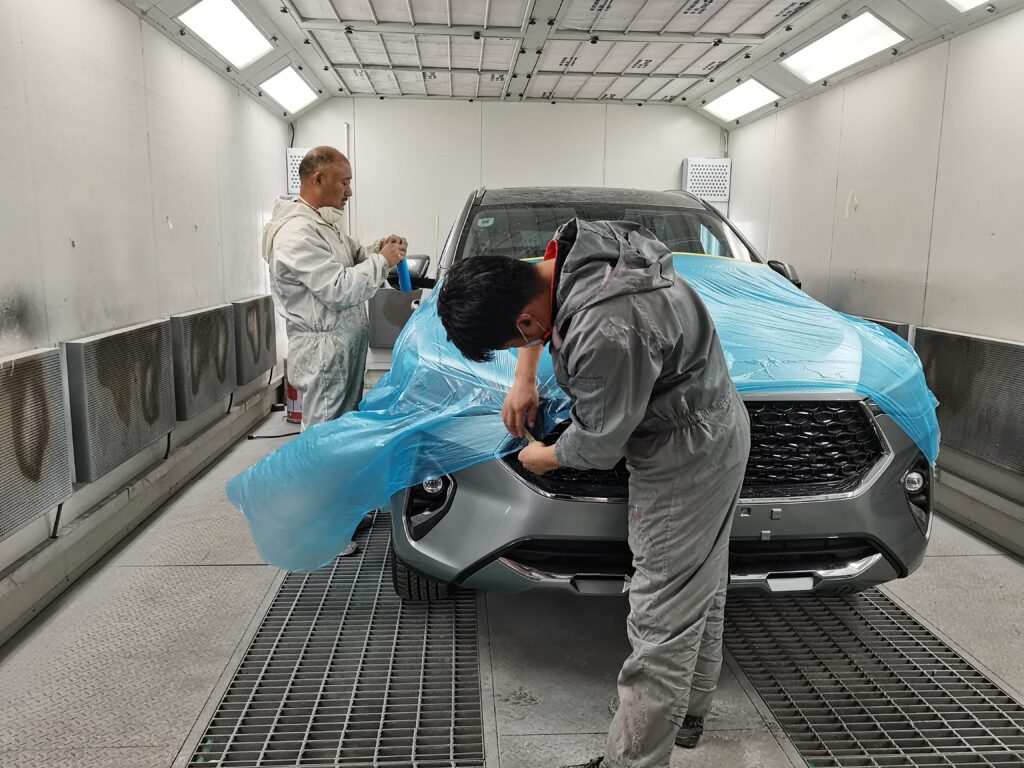
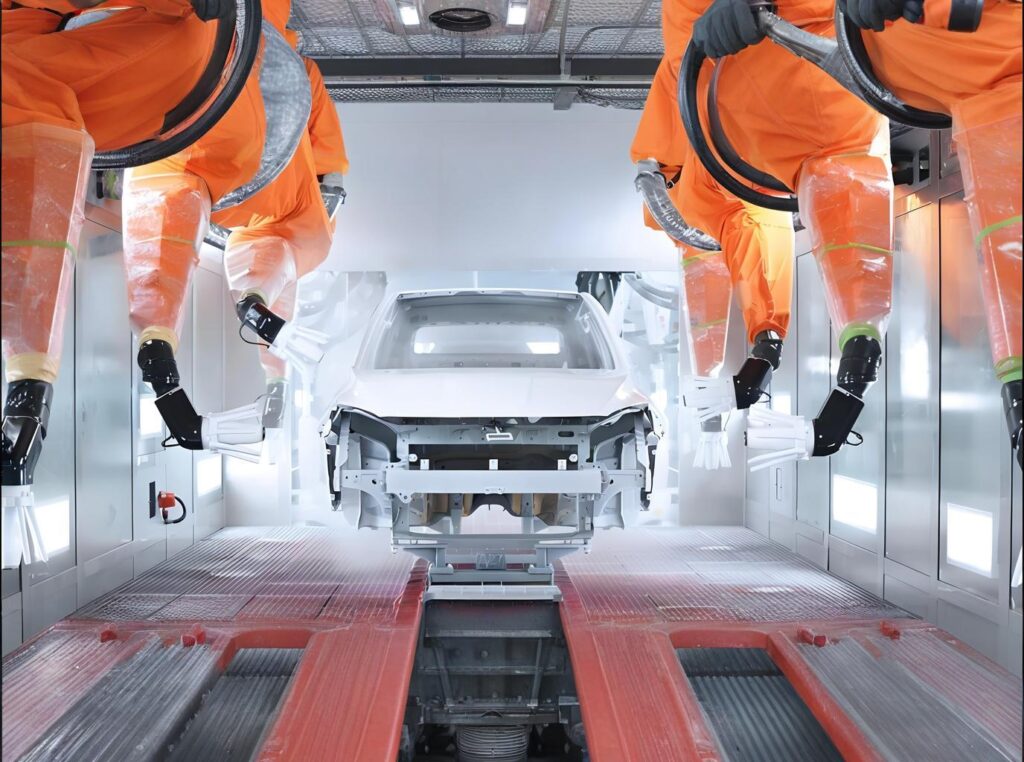
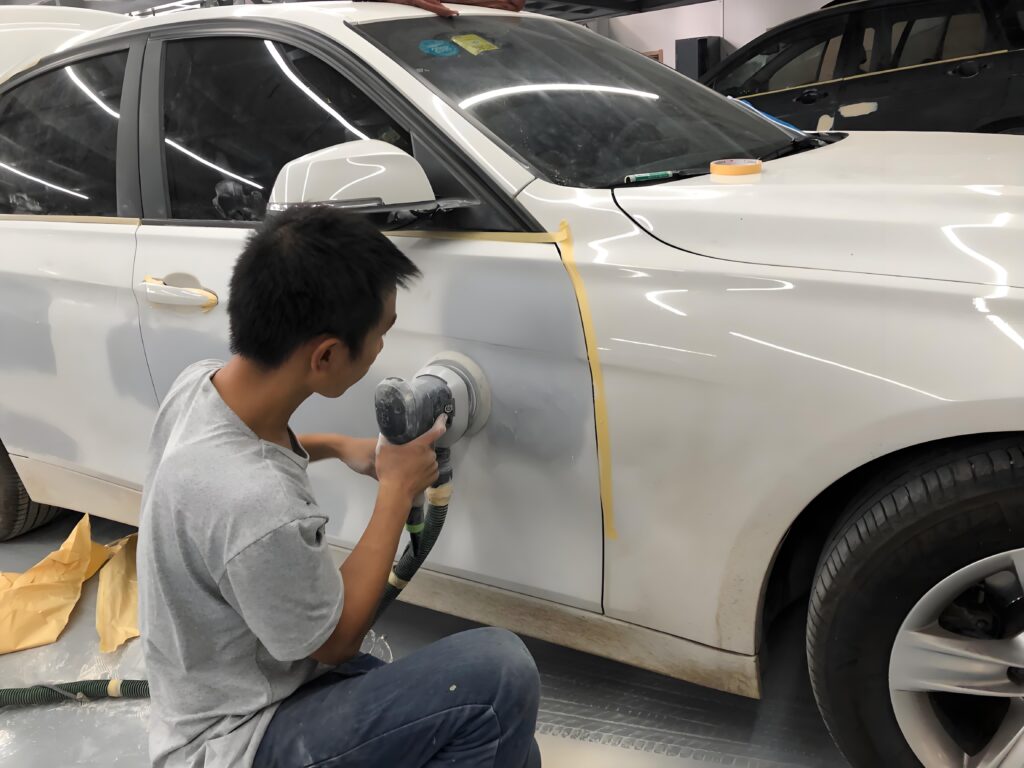
In the field of automotive after-sales painting, automotive refinish paint is the core material that determines the repair effect, aesthetics, and durability of paint touch-ups. Whether it is minor scratches, localized paint loss, or the need for a full-panel repaint, both car owners and repair technicians hope that the repaired paint will have consistent color, a smooth surface, stable gloss, and long-term resistance to outdoor environmental erosion such as UV rays, acid rain, and sand and gravel. So, what kind of automotive refinish paint can be considered "the best"? This article will conduct a systematic analysis from three perspectives: material technology, process performance, and practical application.


1. Four Core Standards for High-Quality Automotive Refinish Paint

1. Color Accuracy and Color Difference Control Capability
High-quality automotive refinish paint must possess excellent color reproduction capability, able to achieve a high degree of consistency with the original factory paint color. Modern refinish paints typically use high-performance pigments combined with precision color-matching systems, and through the orientation control of metallic flakes and pearl powder, ensure that metallic and pearlescent paints maintain reflection effects consistent with the original paint at different angles.
Excellent refinish paints typically feature:
- high-purity, orderly arranged metallic pigments
- stable pearlescent flake reflection angle
- complete tinting database support
- Strong color stability under temperature and humidity variations
This type of refinish paint can effectively reduce the rework rate and improve the overall uniformity of the vehicle coating.
II. Film-forming Properties: Adhesion, Hardness, and Chemical Resistance
1. Super strong adhesion is the foundation
High-quality automotive refinish paints should adhere firmly to metal substrates, plastic parts, or filler coats without issues such as peeling or flaking. Common high-performance systems include:
- Acrylic resin system (mainstream)
- Polyurethane system (high scratch resistance)
- Acrylic + isocyanate curing system (excellent overall performance)
Repair paint adhesion determines long-term stability and is an important parameter for evaluating coating quality.
2. Varnish Hardness and Scratch Resistance
After the base color paint is sprayed, a transparent clear coat is usually applied to the surface. High-hardness clear coat can effectively resist damage from gravel impacts, PPF friction, car wash brush marks, etc.
The higher the hardness, the longer the vehicle can maintain a glossy, like-new appearance.
3. Chemical resistance is a key indicator for outdoor use
High-quality automotive coatings must be able to resist:
- UV aging
- acid rain erosion
- salt spray corrosion
- asphalt, engine oil, bird droppings and other contaminants
The stronger the chemical resistance, the less prone the car paint is to fading, yellowing, and loss of gloss.
III. Construction Friendliness: The Hidden Factor That Determines the User Experience
Even if a material has excellent properties, it is unfavorable for practical application if it is difficult to apply. A high-quality automotive refinish coating should possess:
1. Smooth spraying, stable atomization
- Stable viscosity and easy to adjust
- Good leveling, resistant to sagging
- The atomized particles are fine and uniform.
This allows spray technicians to more easily control leveling and improve the yield rate.
2. Fast drying and controllable curing speed
Modern quick-drying refinish paints can achieve initial drying within 10–15 minutes, saving application time and improving repair efficiency.
IV. Recommended Systems for Excellent Refinish Paints
1. 2K Automotive Refinish Paint System (Two-Component)
2K refinish paint (with hardener) offers extremely high hardness, weather resistance, and chemical resistance, and is currently the mainstream choice for high-end spraying.
Advantages:
- high gloss
- strong adhesion
- durable and stable
- Suitable for metallic and pearl paints
2. Waterborne Automotive Refinish Paint System
With the tightening of environmental regulations, waterborne refinish paints have become widely adopted globally.
Advantages:
- Low VOC emissions
- Low odor
- Color performance is more stable
5. How to Choose the Right Automotive Refinish Paint for You?
The following points can be referenced when selecting refinish paints:
- Check brand reputation and professional certifications
- Select coatings that match the original factory paint system
- Prefer repair shops with a color-matching database
- Pursuing weather resistance and long-lasting gloss retention
- Pay attention to the performance of the clear coat, not just the basecoat

VI. Conclusion
A truly "good automotive refinish paint" is not simply about pursuing brightness or color, but a material system that comprehensively considers multiple indicators such as color difference control, weather resistance, hardness, application performance, and environmental friendliness. Only by combining high-quality coatings with correct processes can the automotive refinish effect achieve a quality close to or even surpassing that of the original factory.