In the field of automotive manufacturing and repair, a crucial yet often overlooked fact is: metal housings and plastic parts must use different paint systems. This is not an "industry regulation," but is based on fundamental principles of materials science. The two differ greatly in coefficient of thermal expansion, surface energy, hardness, and adhesion; if paint systems are mixed, it will lead to paint film cracking, peeling, and even severe color mismatch.
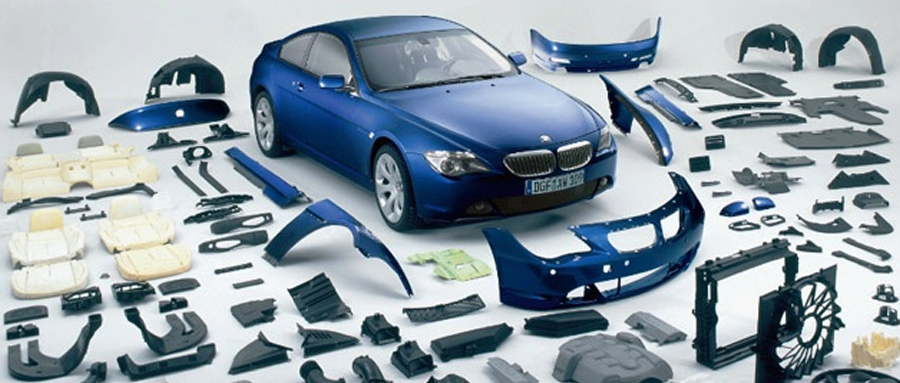
I. Material differences determine the different paint systems
Metal substrates (steel, aluminum alloy, etc.) feature structural stability, good thermal conductivity, and deformation resistance; whereas plastic parts (such as PP, ABS, PC/ABS) exhibit flexibility, low surface energy, and susceptibility to deformation. Coating system design must take these intrinsic differences into account.
Therefore, the industry generally follows a golden rule: metals and plastics must be painted with separate coating systems. Incorrect use of coating systems can easily lead to paint film failure or insufficient adhesion.
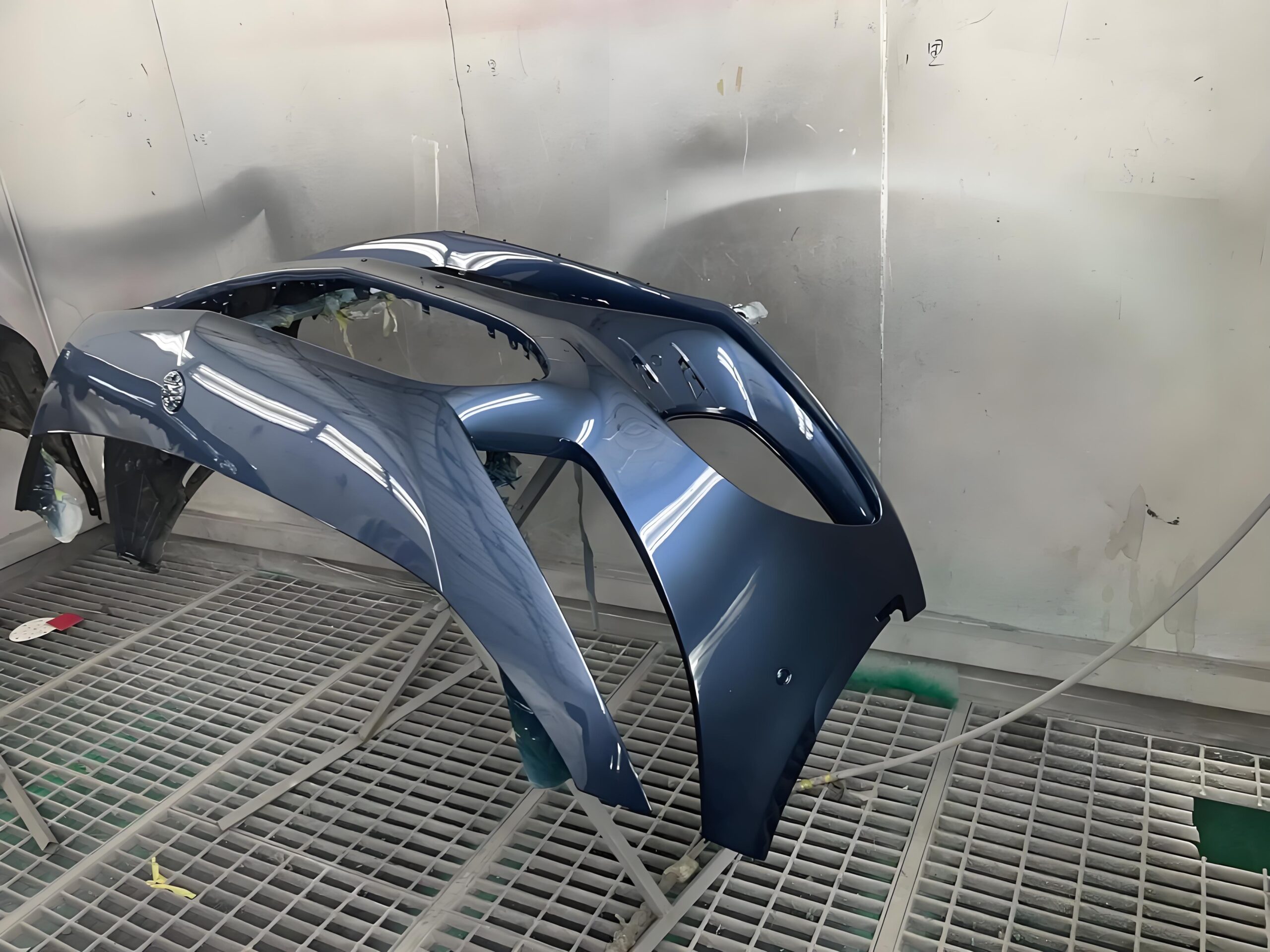
II. Metal enclosures: corrosion resistance and hardness as the core
The key objectives of automotive metal body painting are: corrosion resistance, oxidation resistance, and maintaining hardness and gloss. The most classic solution is the "three-layer system":
- Primer: Provides rust prevention, corrosion resistance, and adhesion.
- Base Coat: Determines the body color and visual effect.
- Clear Coat: Enhances gloss, UV resistance, and scratch resistance.
It is recommended to use the 2K polyurethane paint system, whose crosslinked film structure is robust and offers excellent weather resistance, significantly extending the lifespan of the vehicle paint.
III. Plastic parts: Adhesion and flexibility are key.
The biggest difficulties in painting plastic parts (bumpers, door handles, mirror housings, etc.) are poor adhesion and susceptibility to cracking. The reasons are:
- Plastic surfaces have low surface energy, making it difficult for ordinary paints to adhere.
- Release agent, grease, and other residues remain on the surface.
- Large thermal expansion and contraction cause the paint film to easily crack.
The solution is: Use plastic-specific primer (Plastic Primer). This type of primer contains flexible resin and adhesion promoters, which can "grip" the plastic surface and deform along with it.

IV. Construction Process and Key Points
- Cleaning preparation: Use a plastic-specific cleaner to thoroughly remove mold release agent and oil stains.
- Primer selection:For metal, use anti-corrosion primer; for plastic, use flexible primer and match the material.
- Paint and varnish spraying: Keep the same brand and series as the vehicle body to prevent color difference.
- Curing and Inspection: Metals can be cured at high temperature, while plastics require low-temperature baking. Check adhesion, gloss, and abrasion resistance.
V. Summary Formulas and Promotion Recommendations
Plastic-specific primer + body-matched topcoat = durable and color-matched perfect finish
For coating manufacturing and sales enterprises, this is not only a technical standard but also a marketing highlight. Emphasizing a "dedicated material system" can demonstrate the company's professionalism, enhance brand authority, and improve search engine indexing performance.

Keyword extension optimization: automotive spray painting process, metal anti-corrosion coating system, bumper painting scheme, flexible primer formulation, body color difference control.