The paint manufacturing process encompasses multiple stages such as resin synthesis, pigment dispersion, fine grinding, color adjustment and inspection, and filling of finished products. This article systematically analyzes the complete manufacturing workflow of paint from raw materials to finished product shipment, helping readers gain an in-depth understanding of the professional processes and quality control systems of the modern coatings industry.
I. What is paint? Why is industrial production necessary?
Paint is a coating material composed of various raw materials such as film-forming substances, pigment fillers, solvents, and additives, combined in scientific proportions. It is used not only for decoration but also serves multiple functions including anticorrosion, rust prevention, waterproofing, and weather resistance. With the rapid development of the construction, industrial, transportation, and home decoration sectors, paint production has shifted from traditional manual mixing to highly standardized and large-scale industrial manufacturing.
Modern paint production processes emphasize stability, consistency, and controllability; any deviation in any step will directly affect film performance and final application results. Therefore, a systematic coating manufacturing process has become the core of ensuring product quality.

II. Main Raw Materials Required for Paint Production
In paint factories, paint raw materials are generally classified into four major categories:
1. Resin (Film-forming Substance)
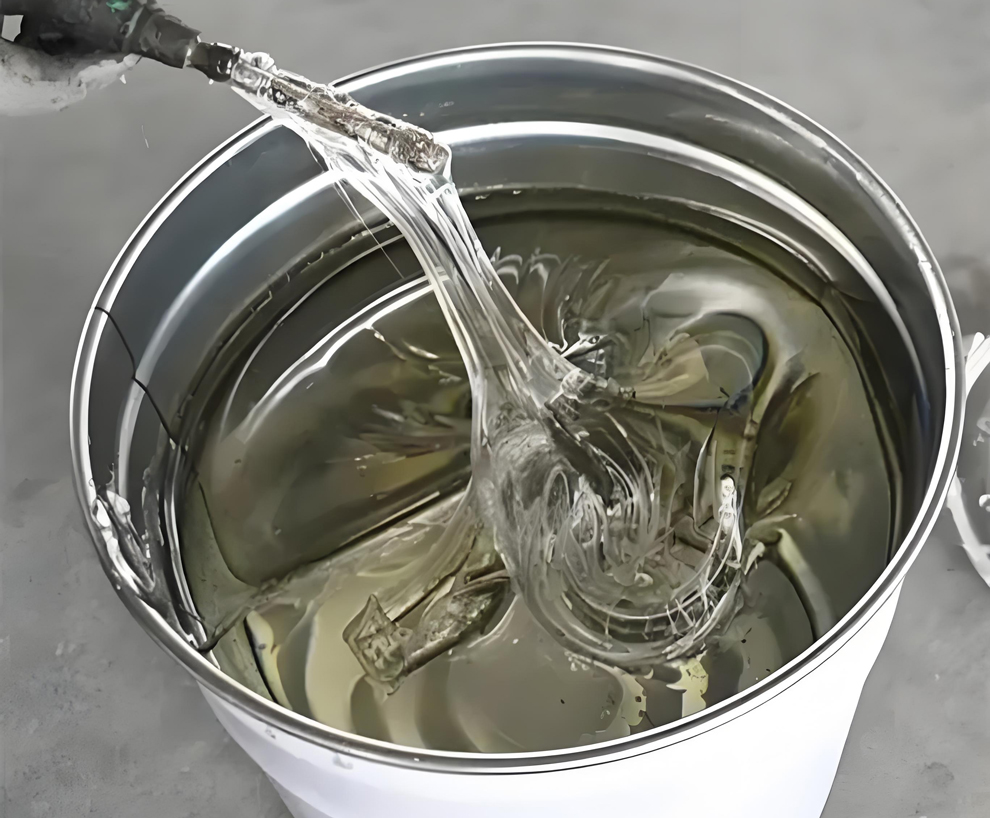
Resin is the core component of paint, determining the adhesion, hardness, weather resistance, and chemical resistance of the coating film. Common resins include acrylic resin, alkyd resin, epoxy resin, polyurethane resin, etc. Different resin systems are selected for different application scenarios.
2. Pigments and Fillers
Pigments provide paint with color and hiding power, while fillers are used to improve workability, enhance mechanical properties, and reduce cost. Commonly used pigments include titanium dioxide, iron oxide series, etc.

3. Solvent or Dispersion Medium
The solvent is used to adjust the viscosity of the paint and facilitate application. As environmental regulations become stricter, water-based paint manufacturing is gradually replacing traditional solvent-based systems, with water becoming the primary dispersion medium.

4. Additives
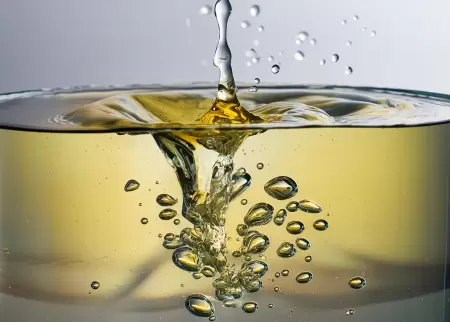
Although used in small amounts, additives directly affect the leveling, anti-settling, defoaming, and storage stability of paint, and are an indispensable component in modern coating manufacturing processes.

III. Analysis of Core Steps in the Paint Production Process
1. Formulation Design and Raw Material Weighing
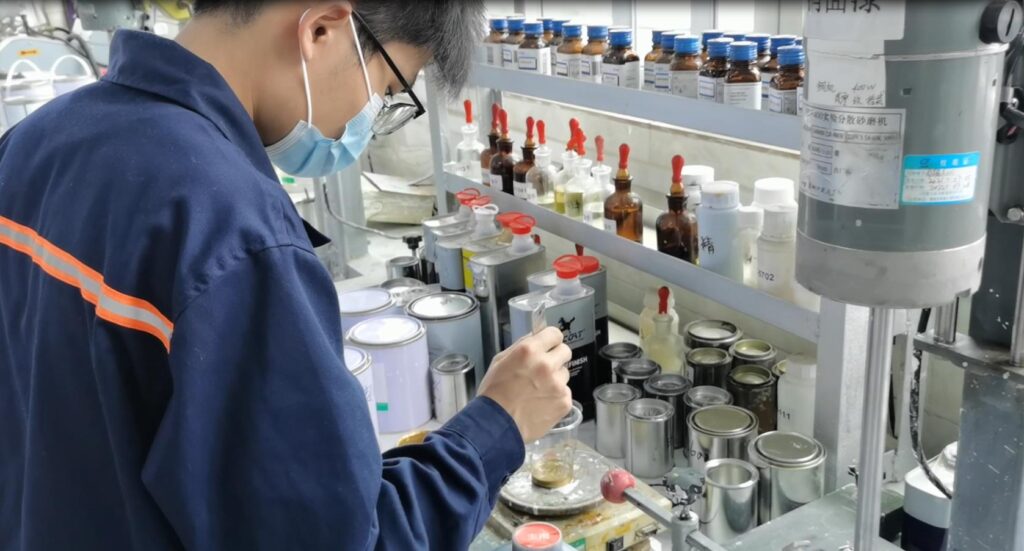
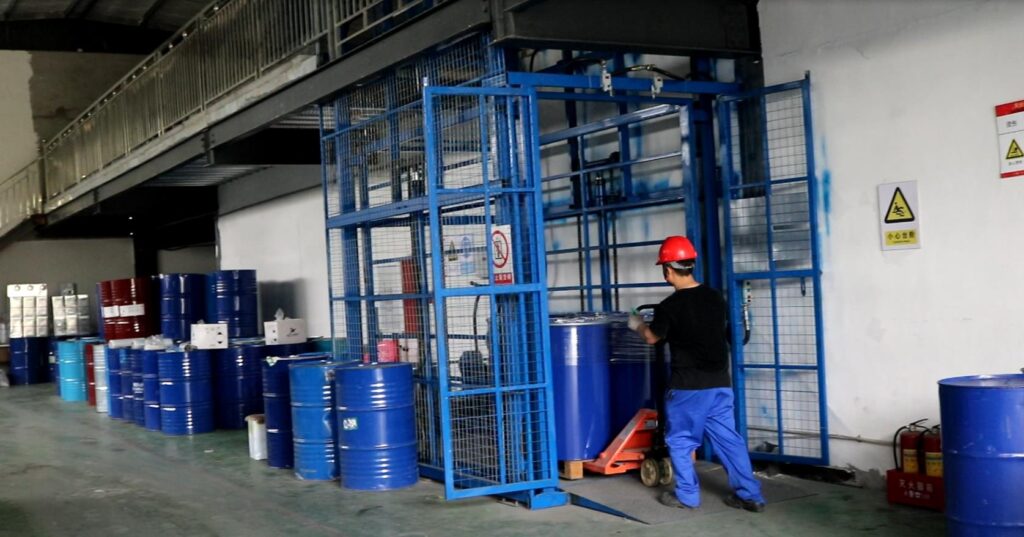
Before formal production, engineers establish the paint formulation composition based on the product's intended application. All raw materials must be accurately weighed according to the formula, which is the first checkpoint for ensuring batch-to-batch stability.
2. Pre-mixing (pre-dispersion treatment)
Charge the resin, part of the solvent, and additives into a high-speed dispersion kettle for preliminary mixing to homogenize the system and prepare for subsequent pigment dispersion.

3. Pigment Dispersion
If pigment particles are not adequately dispersed, it will directly affect color uniformity and hiding power. Using high-speed dispersion equipment enables the pigment particles to be completely wetted by the resin and preliminarily broken down.

4. Grinding process
Grinding is an extremely critical step in the paint production process. Using a sand mill or ball mill, pigment particles are reduced to micron size to ensure the fineness and stability of the paint. Industrial coating production has particularly stringent requirements for grinding fineness.
5. Paint Mixing and Color Correction

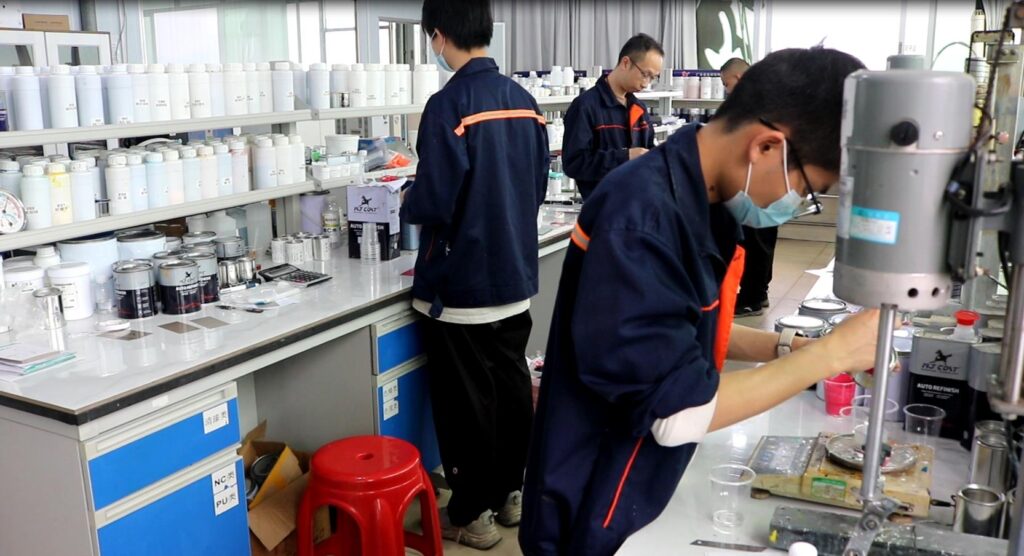
After grinding is completed, add the remaining resin, solvent, and functional additives, and adjust the viscosity, gloss, and color. Through standard color panels and instrument testing, achieve inter-batch color consistency.
IV. Paint Quality Control and Inspection Processes
In the process of a mature coating factory, quality control runs through the entire workflow, and common testing items include:
- Viscosity testing
- Fineness test
- Hiding power and adhesion testing
- Weather resistance and corrosion resistance testing
- Storage stability evaluation
Only products that have passed all inspections can proceed to the next process.
V. Filtration, Filling, and Finished Product Packaging
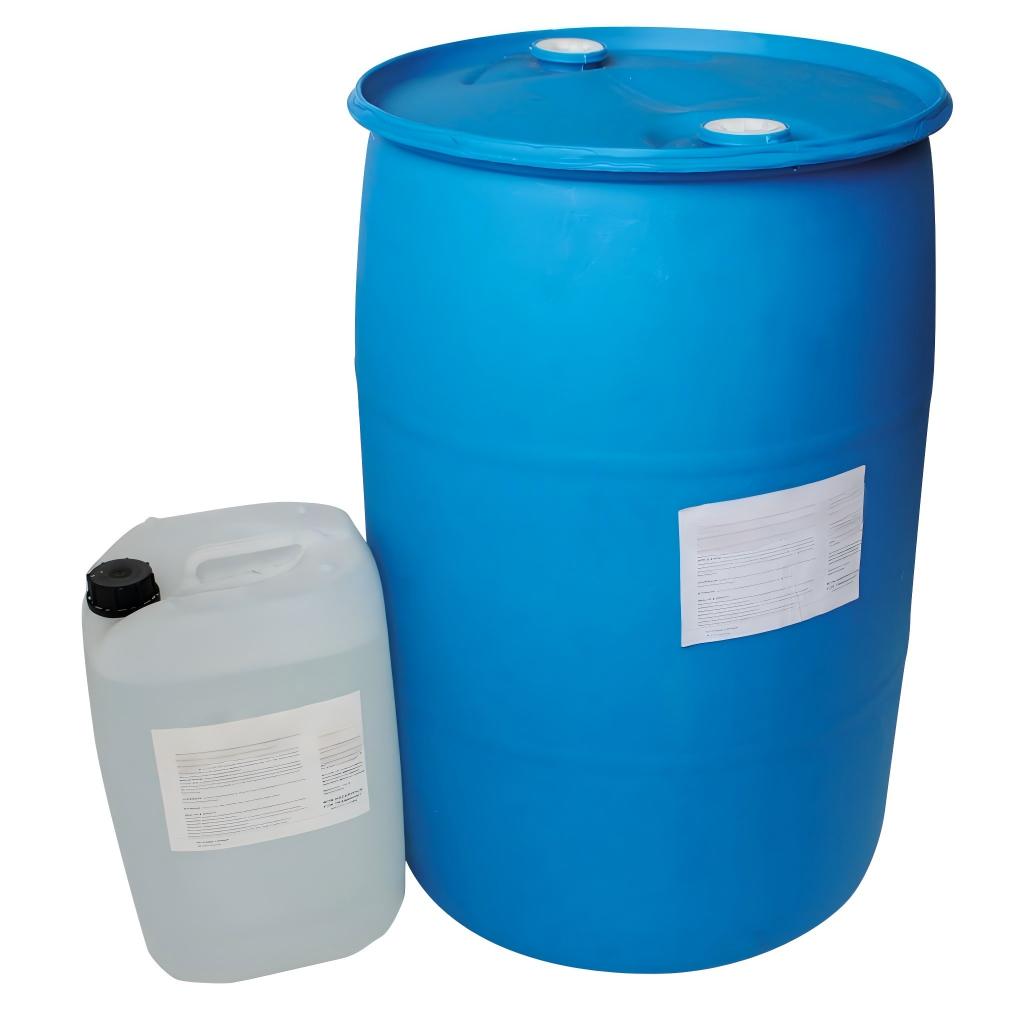
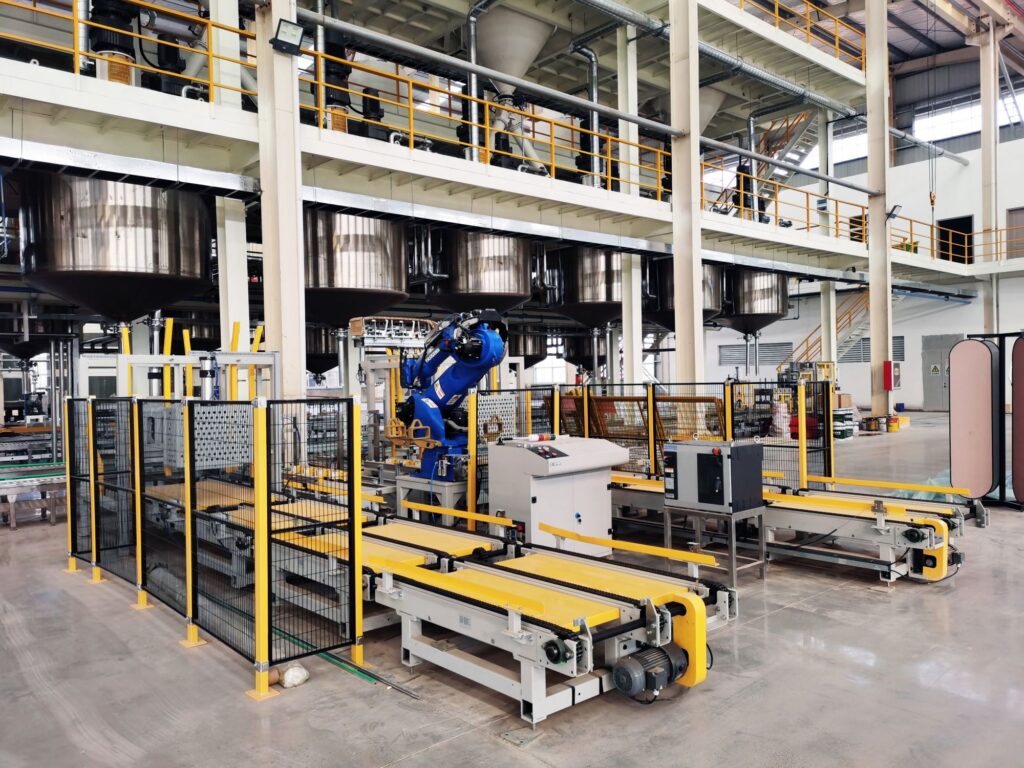
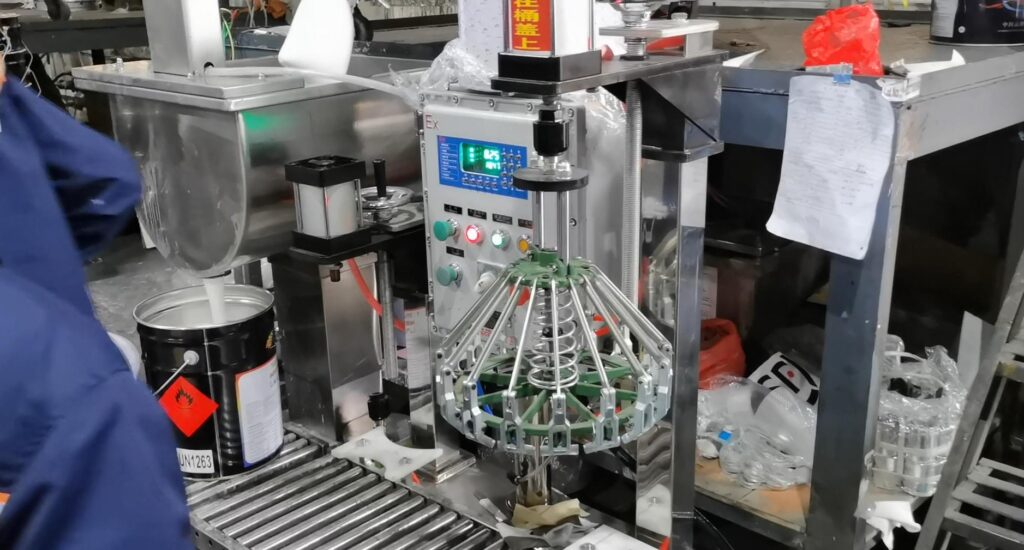
To ensure the paint is free of impurities, fine filtration is required before filling. Subsequently, quantitative filling, capping, labeling, and boxing are completed via automated production lines. A standardized coating production line not only improves efficiency but also reduces human error.
VI. Production Differences Among Different Types of Paints
- Water-based paint manufacturing: Using water as the dispersion medium, it is more environmentally friendly and requires higher anti-corrosion standards for equipment
- Industrial Coating Production: Emphasizing durability and functionality, with more stringent testing standards
- Architectural decorative coatings: More emphasis on workability and visual effects
VII. Development Trends in Modern Paint Production
Current paint manufacturing is developing toward environmental friendliness, automation, and digitalization. Low-VOC formulations, intelligent color matching systems, and full-process data management have become key features of advanced coating plants.





FAQ Frequently Asked Questions
Q1: Is the paint production process environmentally friendly?
Modern paint production processes have largely adopted water-based systems and low-VOC technologies, complying with international environmental standards.
Q2: Why is the color of the same paint almost identical across different batches?
Through standardized formulations, precise weighing, and strict color correction, batch stability is ensured.
Q3: Is higher paint grinding fineness always better?
Not necessarily; it should be reasonably controlled based on the product's intended use to balance performance and cost.
Q4: How does a paint factory ensure long-term product stability?
Stability control is achieved through raw material screening, optimization of the additive system, and complete quality inspection.