Paint and coating colorants are core materials for achieving precise tinting and stable coloration in coatings. This article systematically introduces the definition, composition, classification, production processes, application fields, and development trends of colorants, helping coating enterprises improve color consistency and product competitiveness.
I. What is paint coating colorant (tinting paste)
Paint and coating color masterbatch refers to a coloring intermediate material with high-concentration pigments or dyes as the core components, processed through specific carriers and dispersion systems. During paint production, the color masterbatch is added to the base paint in precise proportions to achieve stable and reproducible color effects. Compared with direct pigment addition, paint and coating color masterbatches offer distinct advantages in dispersibility, color consistency, and production efficiency, and have become an indispensable key raw material in the modern coatings industry.
In architectural coatings, industrial coatings, wood coatings, anti-corrosion coatings, and functional coatings, the maturity of the color masterbatch system directly determines the color quality and market competitiveness of the products.
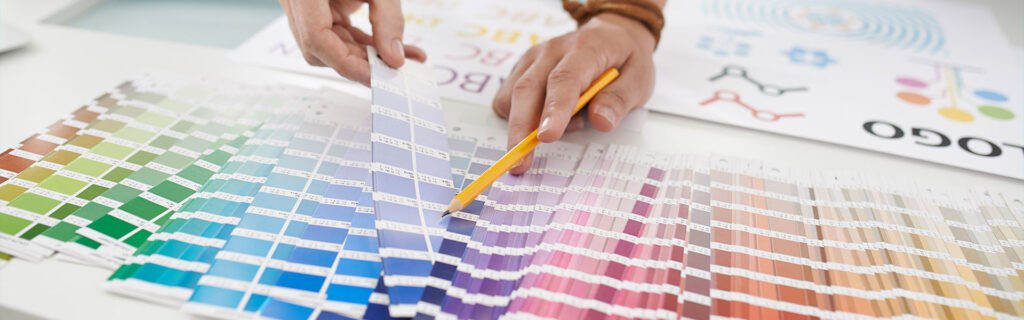
II. Basic Composition of Paint and Coating Colorants
Standard paint and coating tinting bases typically consist of the following components:
- Pigment or dye: Determines the final color, hiding power, and weather resistance
- Carrier system: matched with the target coating system, such as water-based, solvent-based, or UV systems
- Dispersants and Additives: Improve pigment wettability and long-term storage stability
Scientific and reasonable masterbatch formula design can ensure that the masterbatch maintains color stability across different batches and under varying environmental conditions.
III. Main Classifications of Paint and Coating Colorants
According to different dimensions, paint and coating colorants can be classified into various types:
1. Classification by system
- Water-based colorant: Excellent environmental performance, widely used in interior and exterior wall architectural coatings
- Solvent-based color masterbatch: Suitable for high-performance fields such as industrial coatings and automotive paints
- UV color masterbatch: Used for UV-curable coatings, with fast curing speed and bright colors
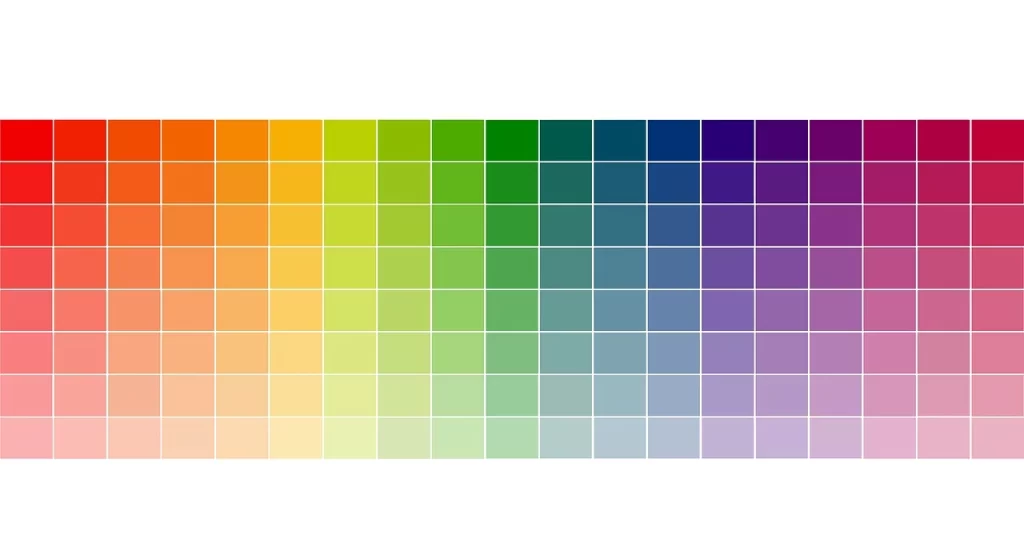
2. Classification by form
- Color masterbatch: Easy to transport and measure, suitable for automated production
- Color paste: Finely dispersed, suitable for high-end coating tinting systems
IV. Core Role of Paint and Coating Colorants in Coating Production
The application of paint and coating colorants has enabled standardized and large-scale coating production. Its core functions include:
- Ensure a high degree of color consistency across different batches of coating.
- Improve color matching efficiency and shorten production cycles
- reduce the dispersion risk associated with the direct use of pigments
- Supports computer color matching systems to achieve precise color management.
For coating manufacturers, a high-quality color masterbatch system is an essential foundation for building brand color recognition.
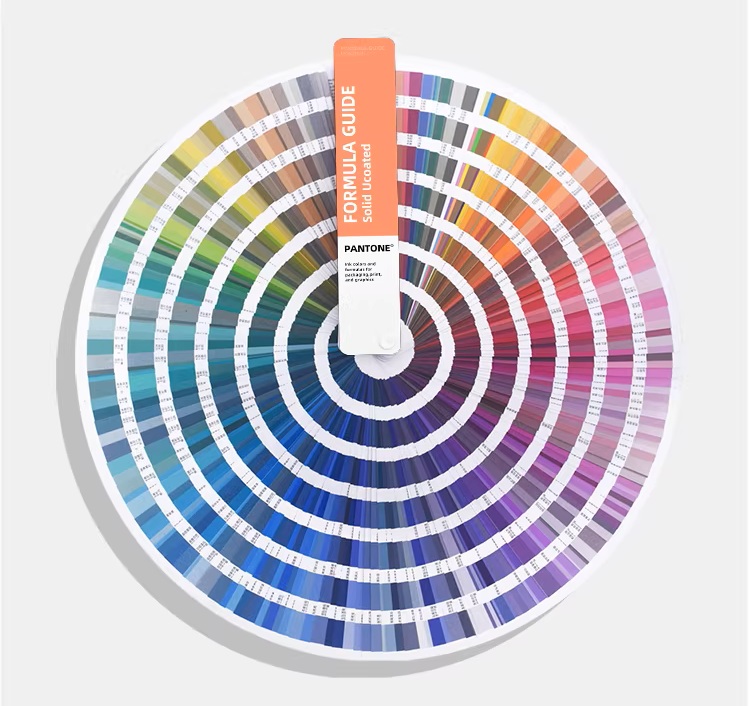
V. Application Fields of Paint and Coating Colorants
Paint and coating colorants are widely used across multiple niche industries:
- Architectural Coatings: Interior and exterior walls, project paints, decorative paints
- Industrial Coatings: Machinery and equipment, steel structures, anti-corrosion coatings
- Wood Coatings: furniture, flooring, custom home furnishings
- Specialty Coatings: high-temperature resistant, chemical resistant, functional coatings
Different application fields impose differentiated requirements on the weather resistance, migration resistance, and compatibility of masterbatches.
VI. Quality Evaluation Criteria for Paint and Coating Colorants
Key indicators for evaluating the quality of paint and coating colorants include:
- Color accuracy and reproducibility
- dispersion fineness and storage stability
- Compatibility with the base paint system
- lightfastness, heat resistance, and weather resistance
High-standard color masterbatches not only enhance the coating appearance but also extend the service life of the coating.

VII. Development Trends in the Paint and Coating Tinting Paste Industry
With the tightening of environmental regulations and evolving market demands, paint and coating color masterbatches are showing the following trends:
- The proportion of water-based colorants continues to increase.
- High-concentration, low-letdown masterbatches have become the mainstream.
- Deep integration of intelligent color tuning systems with digital color management
- Increasing demand for customized masterbatch solutions
In the future, color masterbatches will be not merely coloring materials, but key technical units within coating systems.

VIII. FAQ - Frequently Asked Questions
Q1: What is the difference between paint coating color masterbatch and direct pigments?
The masterbatch has undergone high-degree dispersion, making color consistency easier to control and production efficiency higher.
Q2: Are water-based colorants suitable for exterior wall coatings?
High-quality water-based colorants have excellent weather resistance and are fully suitable for exterior wall systems.
Q3: Will the color masterbatch affect the coating performance?
A properly formulated color masterbatch will not weaken the coating performance, but rather can improve stability.
Q4: Can the masterbatch be customized in color?
Yes, precise customization can be made based on the customer's color card or sample.