In today's industrial production and home renovation fields, paint color masterbatch and coating color masterbatch play a crucial role. These color masterbatch pellets, as efficient pigment masterbatches, are widely used in the coloring process of plastics, coatings, and paints, helping manufacturers achieve precise color control and cost optimization. This article starts from the basic principles of paint color masterbatch, delving into its applications, advantages, and purchasing guide in coating pigments, and includes a FAQ section, aiming to provide a comprehensive reference for industry professionals and consumers.
What is paint coating colorant (tinting paste)?
Paint color masterbatch, also known as color masterbatch or pigment masterbatch, is a granular substance made by mixing high-concentration pigments or additives with carrier resin. It is mainly used in the field of plastic colorants, but its application in paint color matching and coating pigments has been increasing in recent years. By uniformly dispersing the color masterbatch in the base material, the dust pollution and uneven color problems caused by directly adding traditional pigments can be avoided.
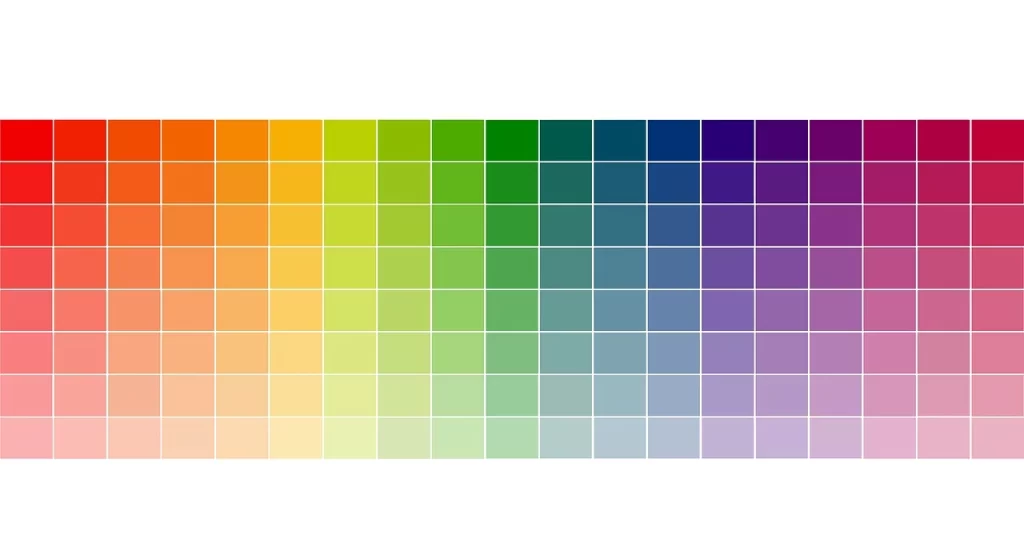
Color masterbatch was born out of the demand of the plastic industry in the mid-20th century. With the advancement of color masterbatch production technology, today's color masterbatch not only offers a wide range of colors, but also features properties such as light resistance, heat resistance, and migration resistance. In the paint and coating industry, color masterbatch is commonly used in architectural coatings, automotive paints, and industrial coatings to ensure long-lasting and vibrant product colors.
Principles and composition of paint and coating colorants
Paint tinting base core principle lies in the high-concentration dispersion of pigments. A typical composition includes:
- Pigment: Organic or inorganic pigments that provide the basic color.
- Carrier: such as polyethylene (PE) or polypropylene (PP) resin, ensuring compatibility with the base material.
- Additives: dispersants, stabilizers, etc., to enhance the masterbatch application effect.
In the production process of coating color masterbatch, these components are melted and mixed through an extruder to form pellets. This method is more efficient than directly adding pigments, because the concentration of color masterbatch can reach 20%-50%, and only a small amount is needed to achieve the ideal paint color matching.
For example, in water-based coatings, using eco-friendly color masterbatch can reduce the emission of volatile organic compounds (VOCs) and comply with modern environmental standards. This is also one of the reasons why more and more manufacturers are turning to the advantages of color masterbatch.

Application fields of paint and coating colorants
Paint tinting base is extremely widely used, mainly including:
- Architectural Coatings: Used for wall paint and floor paint, providing a variety of color options to enhance decorative effects.
- Automotive Coatings: Paint Tinter ensures strong weather resistance and color consistency of body paint.
- Industrial paint: In metal anti-corrosion paint, color masterbatch helps achieve the dual functions of rust prevention and aesthetics.
- Plastic products: As a plastic colorant, it extends to packaging, toys, and other fields.
In practical masterbatch applications, masterbatch can also be combined with 3D printing materials to create innovative products. Data shows that using pigment masterbatch can reduce coloring costs by 15%-30% and improve production efficiency.

Advantages of paint and coating colorants
Compared with traditional pigments, the advantages of paint tinting base of tinting base are obvious:
- Uniform dispersion: Avoid color spots and improve product quality.
- Environmentally Friendly & Safe: eco-friendly masterbatch reduces dust and harmful substances.
- Cost Savings: High-concentration formula reduces usage amount.
- Easy to store: Granular form, convenient for transportation and preservation.
- Strong compatibility: Suitable for various base materials, such as oil-based, water-based, and powder coatings.
In addition, the stability of color masterbatch in coating pigments allows the product to maintain its color without fading under high-temperature or ultraviolet environments. This is especially important for outdoor paint color matching.
How to select paint and coating colorants?
Masterbatch Selection requires attention to the following key points:
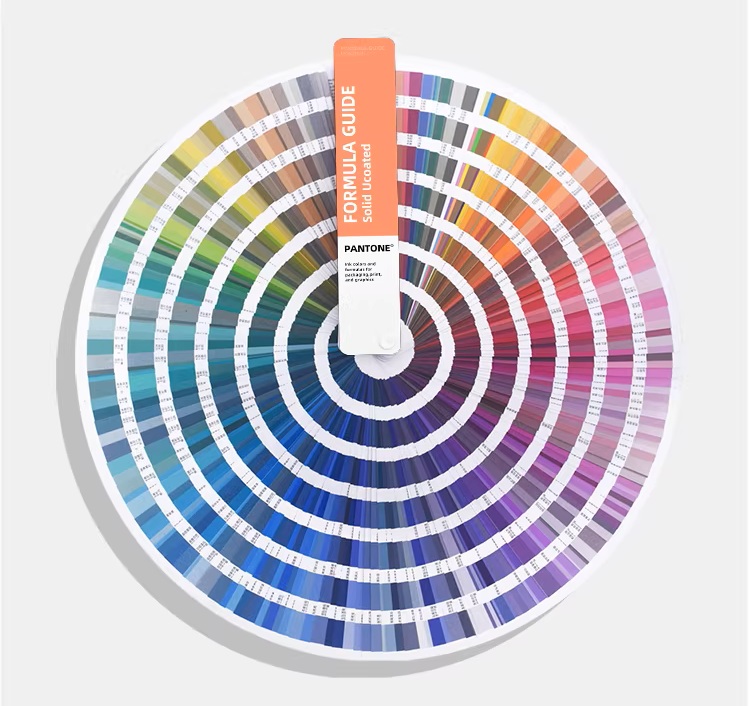
- Color matching: Select the color masterbatch that matches the Pantone color card.
- Compatibility test: Ensure that the color masterbatch does not react with the base material.
- Supplier Reputation: Prioritize selecting masterbatch manufacturers with ISO certification.
- Environmental indicators: Check whether it complies with REACH or RoHS standards.
- Price and Performance: balancing cost with masterbatch advantages.
It is recommended to start with sample testing to avoid the risks of bulk procurement. In the plastic colorant market, well-known brands such as Clariant or BASF offer high-quality options.
Future trends of paint and coating colorants
With the rise of green manufacturing, eco-friendly color masterbatch will become mainstream. Bio-based color masterbatch and nanotechnology will further enhance the performance of coating color masterbatch. At the same time, digital paint color matching tools, such as AI color simulation software, will simplify the color masterbatch application process.





In summary, paint colorant is not only a coloring tool, but also the key to enhancing product competitiveness. Through rational use, you can achieve significant benefits in the field of coating pigments.
FAQ: Frequently Asked Questions about Paint and Coating Colorants:
- What is a color masterbatch?Color masterbatch is the granular form of pigment masterbatch, used for plastic colorants and paint color matching, facilitating dispersion.
- Is there a difference between paint colorants and coating colorants? The two are similar, but paint colorants focus more on weather resistance, while coating colorants emphasize environmental compatibility.
- How to use colorant in paint? Add colorant to the base material in proportion and stir evenly. The recommended ratio is 1%-5%.
- What are the advantages of masterbatch?Masterbatch advantages include uniform coloring, low cost, and environmental friendliness.
- What are the standards for eco-friendly masterbatches? Compliant with EU REACH regulation, free of heavy metals and hazardous substances.
- Is the masterbatch production process complicated? It involves melt extrusion, and professional manufacturers can complete it efficiently.
- How to select high-quality masterbatch? Check color stability, supplier qualifications, and sample testing.
- How is masterbatch applied in plastics? As a plastic colorant, it is widely used in injection molding and extrusion.
- Will masterbatch affect coating performance? High-quality masterbatch will not; instead, it enhances durability.
- What are the future trends in masterbatches? Developing towards eco-friendly masterbatches and intelligent color matching.