Environmental regulations are becoming increasingly stringent, and the coatings industry is accelerating its transformation toward water-based coatings, high-solid coatings, and other green and environmentally friendly directions. This article provides an in-depth analysis of future coatings industry development trends, covering innovations in functional coatings, digitalization and intelligent manufacturing, sustainable development, and supply chain reshaping, offering forward-looking insights for enterprises to help them seize market opportunities.
I. Preface: The Coatings Industry in the Wave of Change
Coatings industry, hailed as the "surface guardian of materials," not only gives objects a beautiful appearance, but also carries crucial functions such as anti-corrosion, weather resistance, and thermal insulation. Driven by the combined forces of rising global environmental awareness, continuous technological progress, and upgrading market demands, the coatings industry is undergoing a profound transformation. From traditional solvent-based systems to the green and eco-friendly direction represented by water-based coatings and powder coatings, and further to smart manufacturing that integrates new technologies such as the Internet of Things and big data, the future coatings industry development trends are clear: green, innovative, functional, and intelligent.
This article will provide an in-depth analysis of the key development trends in the coatings industry at present and in the future, helping enterprises, researchers, and investors better understand and grasp this dynamic market.
II. Green Revolution: Sustainable Development Becomes the Core Driving Force
Against the backdrop of the "dual carbon" goals and increasingly stringent global environmental regulations (such as VOC emission limits), green and environmental protection is no longer an "option" for the coatings industry, but a matter of life and death "mandatory choice". This is the most prominent and core point in the development trend of the coatings industry.
1. Water-based coatings popularization and breakthrough
Waterborne Coatings (Waterborne Coatings), due to their low VOC content and minimal harm to the environment and human health, have become the mainstream alternative to solvent-based coatings. In recent years, with advances in emulsion synthesis technology and additives, waterborne coatings have continuously approached or even surpassed traditional oil-based coatings in water resistance, hardness, chemical resistance, and application performance, and have already dominated especially in the architectural coatings sector.
- Challenges and Opportunities: Performance enhancement of industrial-grade water-based coatings (such as water-based epoxy and water-based polyurethane) is the current focus of technical breakthroughs. Once breakthroughs are achieved in areas such as anti-corrosion and heavy-duty anti-corrosion industrial coatings, the market share of water-based coatings will witness explosive growth.
2. High-solids and solvent-free technologies
In addition to water-based coatings, high-solid coatings and solvent-free powder coatings (Powder Coatings) are also important approaches to achieving green and environmental protection.
- High-solids coatings: By reducing solvent usage and increasing the proportion of solid components such as resins and pigments, VOC emissions are lowered.
- Powder coatings: Due to their 100% solid content, zero VOCs, and high application efficiency (recyclable), they maintain strong growth in fields such as automotive parts, home appliances, and pipeline anti-corrosion. The development of new low-temperature curing powder coatings is expanding their range of applications.
3. Bio-based and Degradable Coatings
Bio-based coatings synthesized from renewable resources (such as vegetable oils, starch derivatives), as well as coatings with environmental degradability, represent the ultimate direction of the coatings industry's future sustainable development, but they are currently still in the R&D and early application stage.
3. Functional Coatings: The Leap from "Protection" to "Empowerment"
Coatings Industry is no longer satisfied with basic decoration and protection functions. The innovation of Functional Coatings is the key engine driving the growth of the Industrial Coatings and specialty coatings market. The development of Functional Coatings represents the high-value-added aspect of the Coatings Industry Development Trends.
1. Smart and Self-healing Coatings
Self-healing coatings can automatically repair coating defects through internal microcapsules or reversible chemical bonds after suffering minor damage, greatly extending the service life of the coating, and are particularly suitable for fields with extremely high maintenance costs such as aerospace and marine engineering.
2. Thermal Insulation and Energy-Saving Coatings
Thermal insulation coatings can reflect or block infrared rays in sunlight, reduce building energy consumption, and are an important means to achieve building energy efficiency. Anti-thermal-shock and ultra-high-temperature-resistant coatings used in high-temperature environments are indispensable materials for industrial coatings in energy, metallurgy, and other industries.
3. Antifouling, Antibacterial and Antiviral Coatings
- Marine antifouling coatings: Developing new environmentally friendly antifouling technologies to replace traditional tin-containing antifoulants that are harmful to marine organisms is a key focus in the field of marine industrial coatings.
- Antibacterial and antiviral coatings: Especially after public health events, the demand for architectural coatings and industrial coatings with antibacterial and antiviral functions applied in medical, transportation, education, and other fields has surged.

IV. Intelligent Manufacturing and Digital Transformation
Industry 4.0 and the digital wave are profoundly impacting traditional manufacturing. The coatings industry's smart manufacturing and digital transformation are important means to improve efficiency, reduce costs, and ensure quality.
1. Automation and intelligence of the production process
From automatic raw material proportioning, dispersion and grinding, to filling, robots and AI algorithms are utilized to optimize the production process, achieving minimal or unmanned operation. Through sensors and big data analytics, production parameters are monitored in real time to ensure consistent quality across batches.
2. Digital Reshaping of the Supply Chain
Establish a full-chain digital system (MES, ERP) covering raw material procurement, production planning, inventory management, and logistics distribution. This enables coatings industry enterprises to respond more flexibly to market changes, optimize inventory, and achieve traceability of products and raw materials, which is crucial for realizing sustainable development goals.
3. "Painting as a Service" business model
Combine coating products with professional painting services, IoT monitoring, and predictive maintenance to provide one-stop solutions. For example, use sensors to monitor in real time the wear and corrosion of heavy-duty anti-corrosion industrial coatings on bridges and pipelines, issue early warnings and schedule maintenance, transforming product sales into service contracts and enhancing customer value.
V. Structural Changes in Markets and Application Fields
Coatings industry's market structure is also changing, which is shaping a new competitive landscape.

1. Architectural Coatings: From Functionalization to Personalization
Architectural Coatings market is becoming mature, but high-end, functional (such as self-cleaning, air purification, thermal insulation) and personalized customization (such as color management, artistic coating) have become new growth points.
2. Industrial Coatings: Driven by New Energy and Emerging Industries
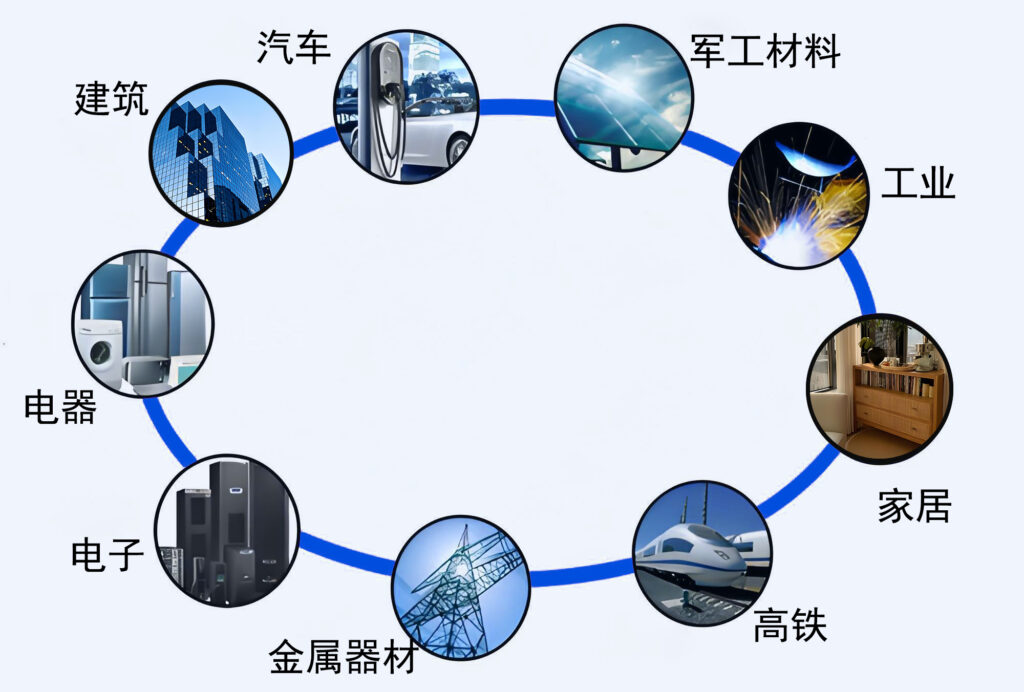
New energy vehicles, wind power, photovoltaics and other emerging industries have put forward new demands for high-performance industrial coatings. For example, thermally conductive and flame-retardant coatings for new energy vehicle battery packs, and ultra-weather-resistant coatings for wind turbine blades, are all high-growth market segments.
3. Powder Coatings: Rapid Expansion Driven by Environmental Advantages
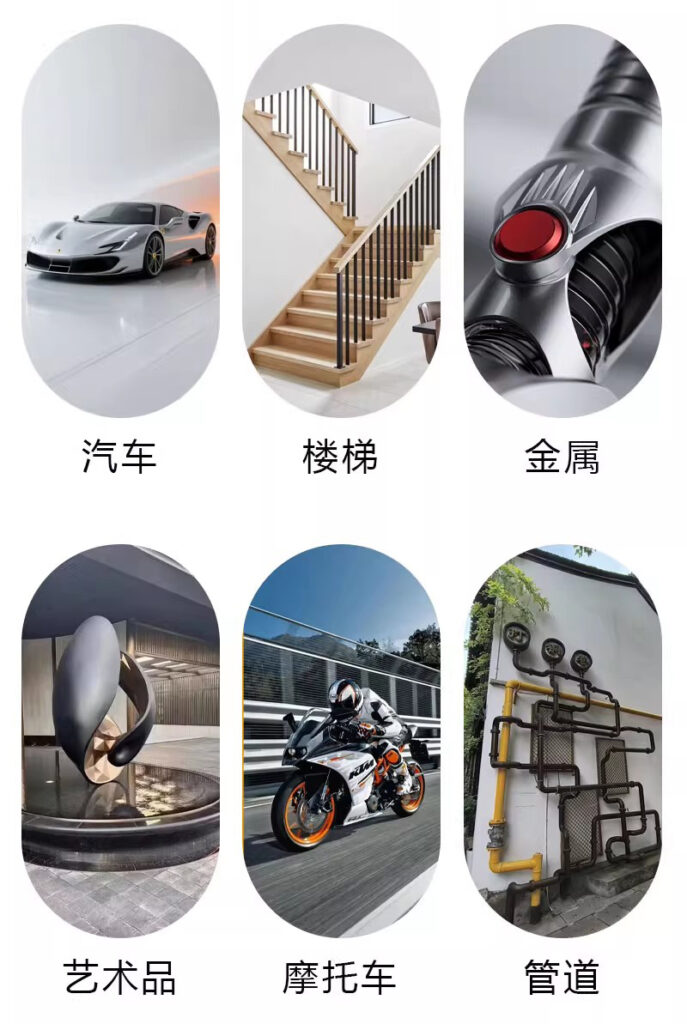
Under the strong push of green environmental protection policies, powder coatings are rapidly penetrating markets previously dominated by solvent-based coatings, especially in the fields of automobiles, home appliances, furniture, and pipelines.
VI. Conclusion: Grasping the "Green and Intelligent" Future of the Coatings Industry
The coatings industry is currently in a critical transition period. The green and environmentally friendly trend represented by water-based coatings, high-solid coatings, and powder coatings is irreversible; functional coatings characterized by self-healing and super weather resistance will bring higher added value; and smart manufacturing and digitalization will reshape enterprises' operational efficiency and supply chains.
For coatings industry enterprises, sustained investment in technological innovation, deepening the sustainable development strategy, and actively embracing digitalization are the keys to maintaining competitiveness in the future. By seizing the two core development trends of "green" and "smart", the coatings industry will embrace a broader and brighter future.