In outdoor steel structures and infrastructure projects, fluorocarbon paint and polyurethane paint are the most frequently mentioned high-end topcoats. This article, presented by a professional industrial coating manufacturer, provides an in-depth analysis of the performance differences, service life, and cost-effectiveness of the two, helping you make the optimal choice between cost budget and protection duration.
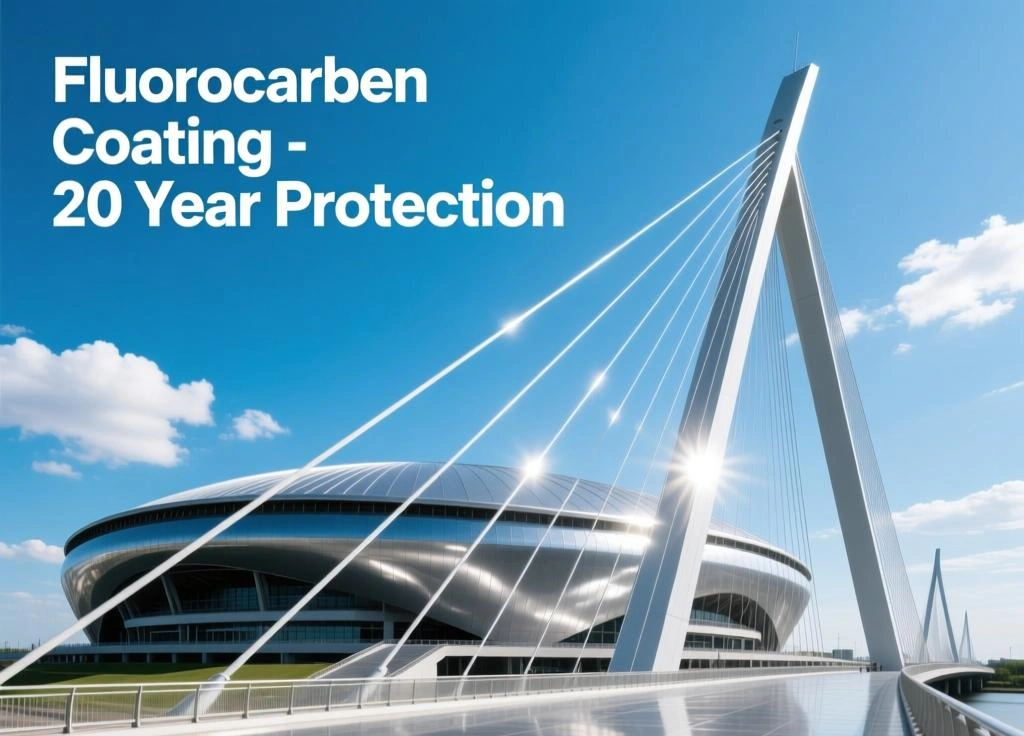
When it comes to outdoor protection for bridges, landmark buildings, or large sports stadiums, engineers always have to choose between Fluorocarbon Paint (Fluorocarbon) and Polyurethane Paint (Polyurethane). As an industrial paint manufacturer, we use laboratory data and years of engineering cases to break down the differences between these two "outdoor kings" for you.
1. Performance Core: The Contest of Chemical Bonds
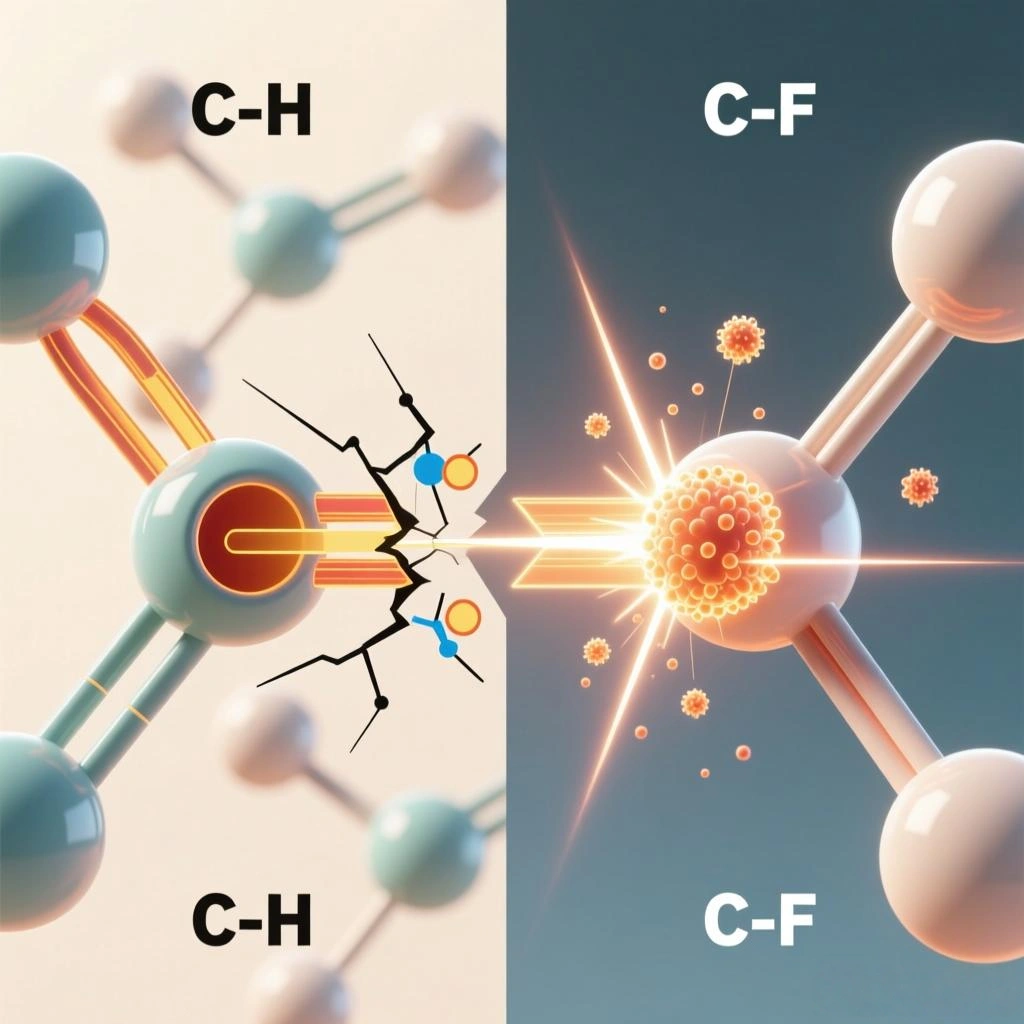
- Fluorocarbon paint: Contains extremely stable C-F (carbon-fluorine bond). This chemical bond has extremely high energy and can almost resist the damage of all ultraviolet rays and the erosion of chemical media.
- Polyurethane paint: Made with polyurethane resin, it also offers excellent mechanical properties, but its chemical stability under ultra-strong ultraviolet light is slightly inferior to that of fluorocarbon paint.
2. Lifespan Showdown: 10 Years or 20 Years?
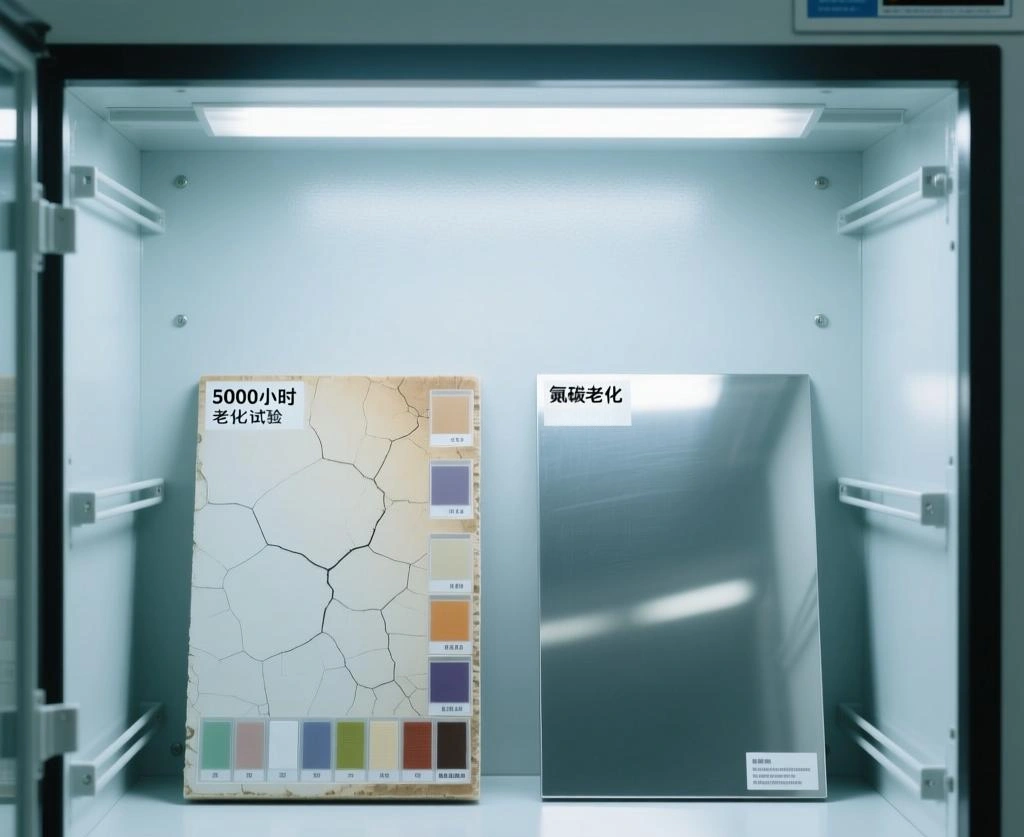
- Fluorocarbon paint: Known as the "King of Coatings". In extreme outdoor environments, its gloss and color retention can last as long as 15-20 years, making it the top choice for century-defining projects.
- Polyurethane paint: Offers excellent decorative appearance and hardness, with an effective protection period of typically 7-10 years under standard outdoor conditions.
3. Coating Properties: Self-Cleaning vs Mechanical Strength
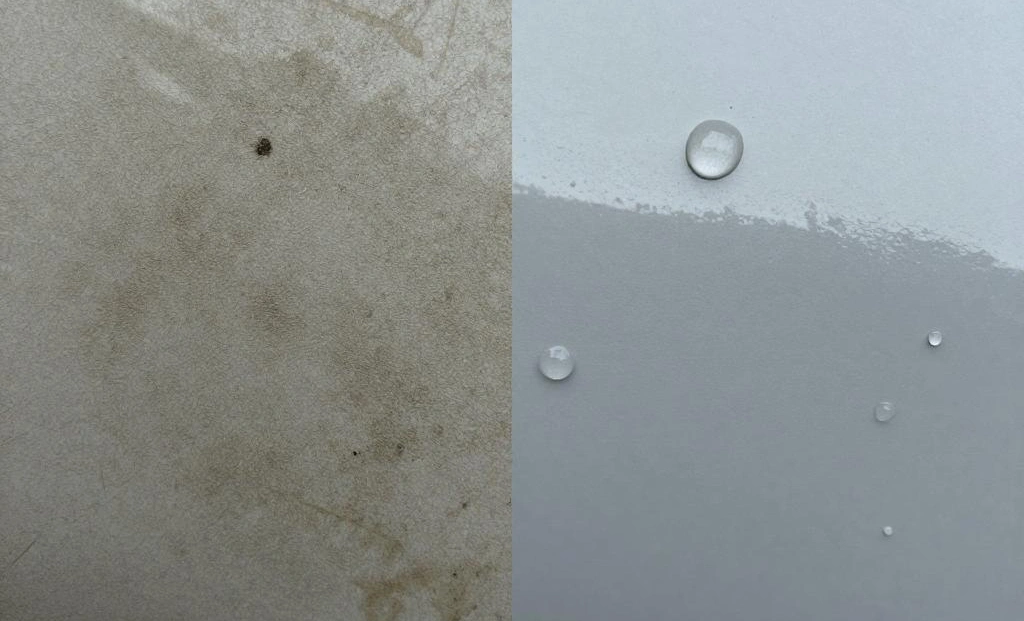
- Fluorocarbon paint: Extremely low surface energy, with significant self-cleaning function. Rainwater washing can remove dust, and it has excellent resistance to dirt accumulation.
- Polyurethane paint: The paint film is fuller and harder, with better scratch resistance and application tolerance.
4. Cost-Effectiveness and Recommendations
- Choose Polyurethane Paint: If your project cycle is within 10 years, or you are sensitive to initial costs, polyurethane paint is a highly cost-effective choice. It is widely used in mechanical equipment, buses, and ordinary steel structures.
- Choose fluorocarbon paint: For high-rise buildings that are difficult to repair repeatedly, long-span bridges, or coastal heavy anti-corrosion projects, the long-lasting protection of fluorocarbon paint can save you huge later maintenance costs.
Conclusion: There is no best paint, only the most suitable solution for the project. We provide high-standard fluorocarbon paint and polyurethane paint series, along with corresponding application process guidance, to ensure your project remains durable and fresh over time.