Aerosol spray paint is a ready-to-use modern coating format that features convenient application, uniform film, rich colors, and broad substrate compatibility, and is widely used in automotive refinishing, industrial maintenance, home renovation, and DIY projects.
I. What is aerosol spray paint in a can
Aerosol spray paint, also known as spray paint or spray coating, is a ready-to-use coating in which paint, propellant, and functional additives are scientifically proportioned and sealed in a closed metal can. In use, it requires no air compressor or professional spraying equipment; a simple press on the nozzle produces a uniform atomized coating. This ready-to-use application method has enabled aerosol spray paint to rapidly gain popularity in fields such as industrial maintenance, home repair, automotive detailing, and DIY projects.
Compared with traditional paint in pails, aerosol spray paint differs significantly in convenience, application threshold, and suitable scenarios; its product form itself is an important manifestation of the fragmented and lightweight nature of modern coating demands.


II. Analysis of the Core Characteristics of Aerosol Spray Paint in Cans
1. Easy to use, dries instantly upon spraying.
The biggest feature of aerosol self-spray paint is simplified operation. No paint mixing, no brushes, and no spray gun equipment are needed, so even beginners can get started quickly. With the preset nozzle structure, the coating forms a fine mist the moment it is sprayed out, ensuring stable coverage.

Most high-quality aerosol paints feature fast-drying properties, with short surface-dry times that effectively reduce dust adhesion and improve application success rates, making them especially suitable for on-site touch-ups and partial refinishing.
2. The paint film is uniform, and the decorative effect is stable.

High-quality aerosol spray paint achieves a balanced formulation in terms of viscosity, leveling, and atomization, resulting in a fine and smooth film after application without brush marks, orange peel, or sagging. For product surfaces that demand consistent appearance, aerosol spray paint can provide a relatively stable decorative finish.
In applications such as metal spray painting, plastic spray painting, and wood coating, aerosol spray paint demonstrates good adhesion and full color saturation.
3. Rich color system with flexible selection options
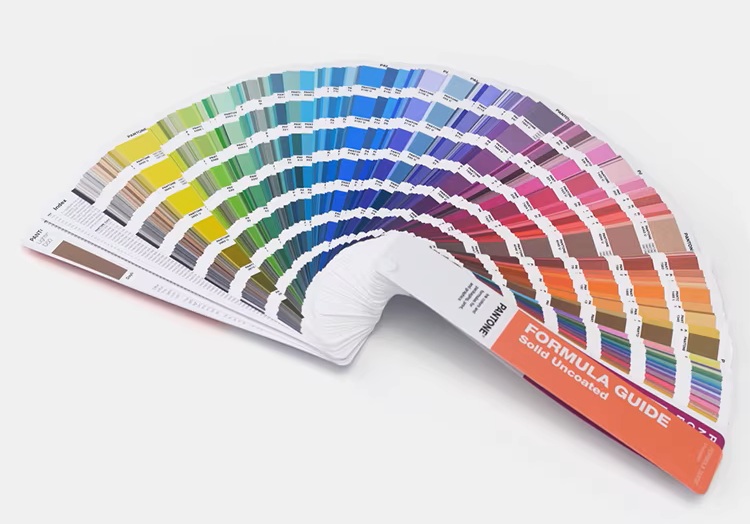
Modern aerosol spray paints have achieved a high degree of standardization in their color systems, covering various effects such as solid colors, metallic colors, fluorescent colors, transparent clear coats, matte and high-gloss finishes, capable of meeting the customized needs of different industries. For users requiring small-batch, multi-color applications, aerosol spray paints offer greater efficiency advantages over traditional color-matching methods.
4. Suitable for a wide range of substrates
Aerosol spray paint in cans is generally suitable for various substrates such as iron, stainless steel, aluminum, plastic, wood, and cement surfaces. With a proper combination of primer and topcoat, the adhesion and durability of the paint film can be significantly improved.
This characteristic is particularly prominent in scenarios such as automotive refinishing, machinery and equipment marking, and home hardware refurbishment.


5. Easy for storage and transportation
Compared with large-capacity paint pails, aerosol paints adopt sealed can packaging, which takes up less space and has a lighter per-can weight, facilitating warehouse management and logistics transportation. This standardized packaging format also reduces the likelihood of paint waste and better meets the needs of modern refined management.


III. Major Application Fields of Aerosol Spray Paint
- Automotive Paint Repair: Used for body scratch repair, wheel refurbishment, and interior plastic part coloring
- Industrial Maintenance: Equipment surface protection, pipeline marking, metal rust prevention treatment
- Home Renovation: Furniture repainting, door and window spraying, hardware refurbishment
- Advertising and Signage: signs, markings, display stand surface coating
- DIY and Creative Design: Model making, art creation, handmade decoration


In these applications, aerosol spray paint compensates for the shortcomings of traditional coating methods in small-area construction with its flexibility and high efficiency.
IV. Analysis of Performance Advantages of Aerosol Self-Spray Paint
From a technical perspective, aerosol self-spray paint is not a "simplified version of paint," but a highly integrated system coating product within a confined space. Its advantages are mainly reflected in:
- High atomization stability: Constant spray pressure reduces color difference
- Strong paint film adhesion: The formula is optimized for different substrates
- Controllable weather resistance and wear resistance: Suitable for both indoor and outdoor environments
- High construction tolerance for errors: Low dependence on construction experience
These properties maintain a stable demand for it in the global coatings market.

V. Common Concerns When Selecting Aerosol Spray Paint in Cans
In practical applications, users typically focus on the following aspects:
Whether the spraying effect is fine, whether the color is consistent, whether the nozzle is smooth, and whether the paint film is durable. These factors directly determine the user experience and finished product quality of canned self-spray paint.
Therefore, it is particularly important to select products with stable formulations and a mature production system.

VI. FAQ: Common Questions About Aerosol Spray Paint
Q1: Is canned aerosol spray paint suitable for long-term use?
A: When applied correctly and with proper substrate preparation, aerosol spray paint can form a stable film that meets medium- to long-term use requirements.
Q2: Is spray paint prone to peeling?
A: Peeling is usually related to improper surface preparation, not a problem with the product itself.
Q3: Can canned aerosol spray paint be used outdoors?
A: Aerosol spray paint with weather-resistant properties can be used in outdoor environments.
Q4: Is the covering power of self-spray paint the same for different colors?
A: There are differences in hiding power among different color pigments, but mature products have already been designed with balanced performance.
Q5: What is the difference between aerosol spray paint and traditional spray gun paint?
A: Aerosol spray paint emphasizes convenience and flexibility, while traditional spray gun paint is more suitable for large-area application.